
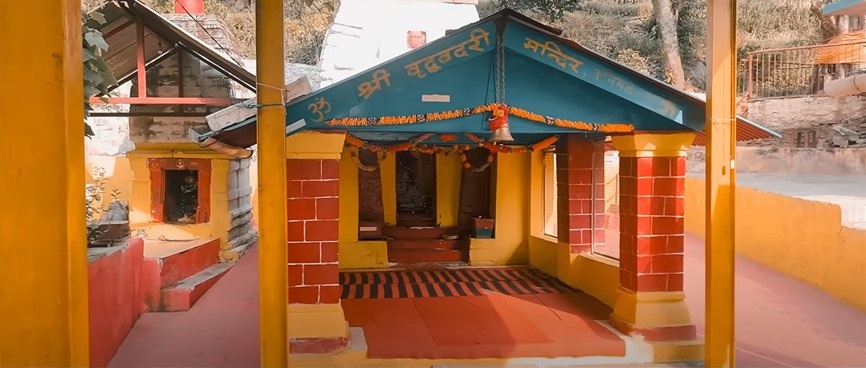
Vriddha Badri uttarakhand, nestled in the Garhwal region of Uttarakhand, is one of the five Badri temples forming the Panch Badri circuit. Unlike Badrinath or Bhavishya Badri, Vriddha Badri is known for its ancient heritage, historical significance, and deep spiritual roots. The term Vriddha means ancient, and this temple is considered the earliest abode of Lord Vishnu in the region, highlighting the timelessness of devotion and faith in the Himalayas.
For pilgrims, Vriddha Badri is more than a temple. It is a symbol of spiritual wisdom and continuity, a place where history, mythology, and serene natural surroundings converge to create a profound experience. Its remote location preserves its sanctity and allows visitors to reflect on the enduring presence of the divine.
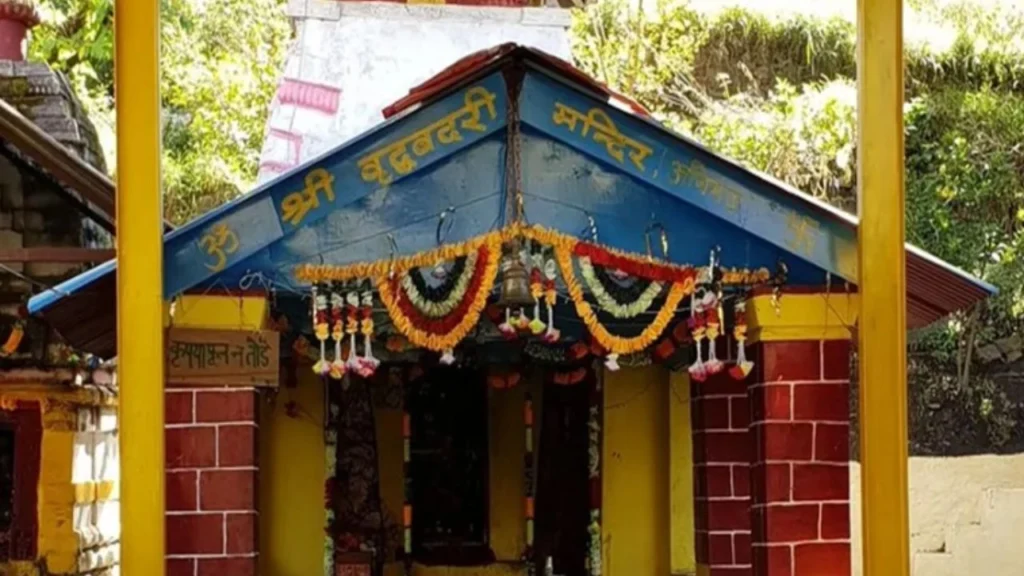
Mythological Significance of Vriddha Badri
Vriddha Badri holds a unique place in Hindu mythology. It is believed to be the original seat of Lord Vishnu before he manifested at Badrinath. According to legends, the deity appeared here during ancient times to bless the sages and devotees who sought guidance, protection, and spiritual insight.
Legends and Stories
- Sage Narada and Vriddha Badri – Sage Narada is said to have visited Vriddha Badri and recognized the temple as the earliest abode of Vishnu in the Garhwal Himalayas. The sage declared that the temple would continue to provide spiritual guidance to seekers for generations.
- Transition to Badrinath – Mythology suggests that Lord Vishnu moved to Badrinath from Vriddha Badri to facilitate easier access for devotees. Despite the relocation, Vriddha Badri retained its sacred status as the original shrine of Vishnu.
- The Eternal Deity – The deity at Vriddha Badri is considered self-manifested, a form of Vishnu that existed long before the construction of the present Badrinath temple. Devotees believe that worshipping here grants wisdom, protection, and spiritual strength.
These legends emphasize the ancient and enduring sanctity of Vriddha Badri, making it a significant pilgrimage site for devotees seeking a deeper connection with Lord Vishnu.
What Does Vriddha Badri Mean?
Vriddha Badri is one of the ancient and sacred Badri temples in the Garhwal region of Uttarakhand. While many people are familiar with Badrinath, Vriddha Badri holds a unique significance in the Himalayan spiritual landscape. Its name, “Vriddha Badri,” carries profound meaning that connects the temple to mythology, ancient traditions, and spiritual wisdom. Understanding what Vriddha Badri means allows devotees, travelers, and scholars to appreciate its historical, cultural, and religious importance.

The Meaning of the Name
The term “Vriddha” in Sanskrit translates to “ancient,” “elder,” or “aged,” while “Badri” refers to Lord Vishnu, particularly in the context of the Badri temples of Uttarakhand. Together, Vriddha Badri can be interpreted as the “Ancient Abode of Lord Vishnu” or the “Original Badri Temple.”
Layers of Meaning
- Ancient Spirituality – The word Vriddha emphasizes the temple’s primordial nature, indicating that it predates other Badri temples, including Badrinath.
- Wisdom and Preservation – In Hindu thought, “Vriddha” also connotes wisdom and age-old knowledge, suggesting that the temple is a source of spiritual guidance for seekers.
- Divine Continuity – The combination of Vriddha and Badri underscores that this temple preserves the ancient legacy of Vishnu worship, linking generations of devotees across centuries.
The name is not merely a label; it reflects the temple’s historical depth, spiritual authority, and divine connection.
Historical Context
Vriddha Badri’s name carries historical significance as well. In the ancient Garhwal Himalayas, this temple was considered the primary seat of Lord Vishnu, before the deity was moved to the Badrinath temple.
Significance of Being the Original Badri
- Foundation of Panch Badri Circuit – Vriddha Badri represents the origin of Vishnu worship in the region, forming the foundation for the other Badri temples.
- Ancient Worship Practices – The rituals at Vriddha Badri follow Vedic traditions, emphasizing meditation, simple offerings, and devotional prayers.
- Cultural Heritage – The temple symbolizes continuity of faith, preserving ancient practices that date back to centuries before Badrinath became widely known.
In this sense, the word Vriddha does not just mean “old.” It denotes a living connection to ancient spiritual wisdom, highlighting why devotees regard it as a source of divine inspiration.

Mythological Significance
The name Vriddha Badri also resonates deeply with Hindu mythology.
Connection with Lord Vishnu
- Self-Manifested Deity – Vriddha Badri houses a Swayambhu (self-manifested) idol of Vishnu, emphasizing its ancient origin and divine presence.
- Primordial Seat – Mythology suggests that Lord Vishnu initially resided here, blessing sages, travelers, and devotees before moving to Badrinath.
- Protection and Preservation – The temple symbolizes Vishnu’s role as the preserver, maintaining cosmic balance and spiritual order in the Himalayan region.
Sage Narada and Vriddha Badri
According to legend, Sage Narada visited Vriddha Badri and recognized it as the earliest sacred site of Vishnu worship. His acknowledgment reinforces the meaning of Vriddha Badri as the ancient, wise, and eternal abode of the deity.
Spiritual Interpretation of the Name
Vriddha Badri’s meaning extends beyond history and mythology. It carries spiritual symbolism that is relevant to pilgrims and devotees today.
Key Spiritual Lessons
- Age and Wisdom – The word Vriddha teaches that spiritual knowledge grows with age and experience. The temple represents accumulated wisdom across centuries.
- Preservation of Faith – By maintaining ancient rituals and practices, Vriddha Badri signifies continuity in devotion, encouraging pilgrims to respect traditions.
- Inner Reflection – Visiting Vriddha Badri reminds devotees to meditate, reflect, and seek spiritual insight, much like the sages of the past who visited the temple.
- Divine Protection – The name also conveys the idea that the ancient deity safeguards the spiritual well-being of devotees, guiding them through life’s challenges.
Thus, the name Vriddha Badri is not only descriptive but also inspirational, offering lessons in devotion, patience, and wisdom.
Location and Natural Surroundings
Vriddha Badri is located in the Chamoli district, surrounded by dense forests, flowing rivers, and majestic Himalayan peaks. Its remote location ensures peace and spiritual tranquility, allowing visitors to immerse themselves fully in the divine atmosphere.
Geographical Highlights
- Forest Setting – The temple is enveloped by pine, oak, and rhododendron forests that create a serene environment ideal for meditation and contemplation.
- Nearby Rivers – Small streams and rivers flowing through the valley enhance the temple’s spiritual energy and provide a soothing natural soundtrack.
- Mountain Views – The temple offers stunning vistas of the surrounding peaks, creating a sense of awe and connection with nature.
The combination of spiritual heritage and natural beauty makes Vriddha Badri a destination that nourishes both the soul and the senses.
Accessibility
Although Vriddha Badri is relatively remote, it is accessible through a combination of road travel and trekking.
Road Connectivity
- Nearest Towns – The closest towns are Joshimath and Karnaprayag, both well connected to cities like Rishikesh, Haridwar, and Dehradun.
- Local Transport – From these towns, travelers can hire taxis or join tour groups to reach base villages near the temple.
Trekking to the Temple
The final approach to Vriddha Badri requires a moderate trek through forested trails.
- Trekking Duration – Depending on the starting point, the trek can take around four to five hours.
- Trail Features – The path passes through dense forests, river streams, and scenic meadows, providing both spiritual and aesthetic experiences.
- Local Guides – Hiring guides ensures safety, offers insights into temple legends, and helps navigate the sometimes challenging terrain.
The journey itself is an integral part of the pilgrimage, symbolizing the path of devotion and perseverance.
Temple Architecture
Vriddha Badri’s architecture reflects its ancient heritage and spiritual essence. Unlike grand temples, its design emphasizes simplicity and devotion.
Key Architectural Features
- Stone Construction – The temple is built using locally sourced stone, blending seamlessly with its natural surroundings.
- Ancient Idol – The deity of Lord Vishnu is believed to be self-manifested, seated in a meditative posture that represents eternal wisdom.
- Minimal Ornamentation – The focus is on the spiritual experience rather than decorative embellishments, creating an atmosphere conducive to reflection and prayer.
- Natural Courtyard – The temple has a small courtyard where devotees can meditate or participate in rituals under the open sky.
This architecture highlights the timeless and serene nature of Vriddha Badri, offering visitors a space for intimate spiritual connection.
Spiritual Practices
Vriddha Badri emphasizes meditation, prayer, and inner reflection rather than elaborate rituals. The spiritual practices here are designed to foster a deeper connection with Lord Vishnu and the surrounding nature.
Rituals and Traditions
- Daily Aarti – Conducted in the morning and evening, aarti includes devotional songs, bell ringing, and chanting, creating a serene spiritual atmosphere.
- Meditation – Devotees are encouraged to meditate in the temple or surrounding forests to absorb divine energy.
- Simple Offerings – Fruits, flowers, and incense are preferred, reflecting the temple’s focus on purity and devotion.
- Spiritual Reflection – Visitors often take quiet walks along the trails and riverbanks, using the natural surroundings to reflect on life and spirituality.
These practices make Vriddha Badri a center for personal transformation and spiritual rejuvenation.
Nearby Attractions
Exploring the surroundings of Vriddha Badri adds depth to the pilgrimage experience.
Joshimath
Joshimath is the nearest major town and serves as a base for visiting Vriddha Badri as well as other nearby attractions. This town is not only a hub for pilgrims but also a gateway to Himalayan adventures, trekking expeditions, and skiing destinations.
Why Joshimath is Special
- Spiritual Significance – Joshimath is home to several ancient temples and is associated with the lineage of Adi Shankaracharya. Many pilgrims stay here before beginning their journey to Vriddha Badri.
- Accommodation and Facilities – As a larger town, Joshimath offers guesthouses, hotels, and basic amenities that are not available near the remote temple itself.
- Connectivity Hub – Road connectivity from Rishikesh, Haridwar, and Dehradun allows travelers to reach the temple area efficiently.
- Cultural Experiences – Local markets, traditional cuisine, and handicrafts give visitors a taste of Garhwali culture.
Joshimath acts as the starting point for the trek to Vriddha Badri, making it an essential stop for logistics, acclimatization, and preparation.
Chenab Valley
The Chenab Valley, located near Vriddha Badri, is a less-explored trekking and nature destination. It is known for its pristine landscapes, high-altitude meadows, and views of snow-capped Himalayan peaks including Nanda Devi.
Attractions of Chenab Valley
- Trekking Opportunities – The valley offers trails that vary in difficulty, making it suitable for both novice trekkers and experienced hikers.
- Scenic Views – Panoramic views of towering peaks, cascading streams, and lush green valleys provide breathtaking photography and nature experiences.
- Tranquility and Solitude – Being less crowded, Chenab Valley is perfect for meditation, reflection, and connecting with nature.
- Wildlife and Flora – The valley is home to Himalayan flora and fauna, including rare herbs, birds, and small mammals, adding an ecological dimension to the visit.
For those visiting Vriddha Badri, a side trip to Chenab Valley blends adventure, spirituality, and nature, making the journey more fulfilling.
Trekking Trails Around Vriddha Badri
The region surrounding Vriddha Badri is ideal for trekking enthusiasts and nature lovers. The trek itself is a major part of the pilgrimage, offering both physical challenge and spiritual reflection.
Key Highlights
- Forest Trails – Pine and oak forests along the path provide shade, calm, and opportunities for meditation.
- Mountain Streams – Small rivers and waterfalls along the trail refresh travelers and add to the scenic charm.
- High Points and Viewpoints – Elevated points along the trek offer panoramic views of the surrounding valleys and Himalayan peaks.
Trekking in this region is not just about physical activity. It also encourages mindfulness, patience, and a deeper connection with the natural and spiritual surroundings.
These attractions combine spirituality, nature, and culture, making the journey to Vriddha Badri holistic and unforgettable.
Festivals and Celebrations
Although Vriddha Badri is relatively secluded, it participates in important Hindu festivals, enhancing its spiritual ambiance.
- Janmashtami – Celebrates the birth of Lord Krishna with devotional songs and prayers.
- Diwali – Lighting of lamps symbolizes the triumph of light over darkness.
- Pilgrim Gatherings – Special events bring devotees together for collective prayers and meditation sessions.
Festivals at Vriddha Badri strengthen community bonds and reinforce spiritual devotion, creating memorable experiences for visitors.
Tips for Pilgrims
Visiting Vriddha Badri requires preparation and planning due to its remote location and trekking requirements.
- Travel Essentials – Carry water, snacks, warm clothing, and first-aid supplies.
- Travel Light – Minimal luggage ensures comfort during the trek.
- Hire Local Guides – Guides enhance safety and provide insights into mythology and surroundings.
- Respect Traditions – Maintain cleanliness and follow temple customs.
- Acclimatization – Spend time at lower altitudes before trekking to higher elevations.
Following these tips ensures a safe, fulfilling, and spiritually enriching journey.
Spiritual Lessons from Vriddha Badri
Visiting Vriddha Badri offers more than physical travel. It imparts timeless spiritual lessons:
- Ancient Wisdom – The temple reminds devotees of the continuity of divine guidance across generations.
- Harmony with Nature – Pilgrims learn the importance of respecting and coexisting with natural surroundings.
- Inner Reflection – The serene environment encourages introspection, meditation, and personal growth.
- Faith and Patience – The trek and pilgrimage symbolize perseverance and devotion, reflecting the path of life itself.
These lessons make Vriddha Badri a transformative destination for both the mind and soul.
Frequently Asked Questions (FAQ’s)
Where is Vriddha Badri located?
Vriddha Badri is located in the Chamoli district of Uttarakhand, nestled in the Garhwal Himalayas.
Why is Vriddha Badri important?
It is one of the Panch Badri temples and is believed to house a naturally formed idol of Lord Vishnu, representing spiritual antiquity.
How to reach Vriddha Badri?
Accessible via road from Joshimath and a short trek from the nearby villages, with scenic Himalayan views.
What is the best time to visit Vriddha Badri?
April to June and September to October are the best months to visit due to pleasant weather.
Are there any special festivals celebrated here?
The temple observes Hindu festivals like Badri-Kedar Utsav and other local religious ceremonies.
Is trekking required to reach Vriddha Badri?
Yes, a short trek from the nearest roadhead is required, suitable for most pilgrims and travelers.
Are accommodations available near Vriddha Badri?
Basic guesthouses and lodges are available in nearby towns like Joshimath and surrounding villages.
Can Vriddha Badri be visited year-round?
No, the temple is difficult to access in winter due to snow; summer and autumn are ideal visiting periods.
What is unique about Vriddha Badri?
The temple is known for its natural idol of Lord Vishnu, giving it a distinctive spiritual significance among the Badri temples.
Is Vriddha Badri part of the Panch Badri circuit?
Yes, Vriddha Badri is one of the five sacred Badri temples along with Adi Badri, Bhavishya Badri, Yogadhyan Badri, and Nilkanth Badri.

One thought on “Vriddha Badri Uttarakhand – Travel & Pilgrimage Guide”