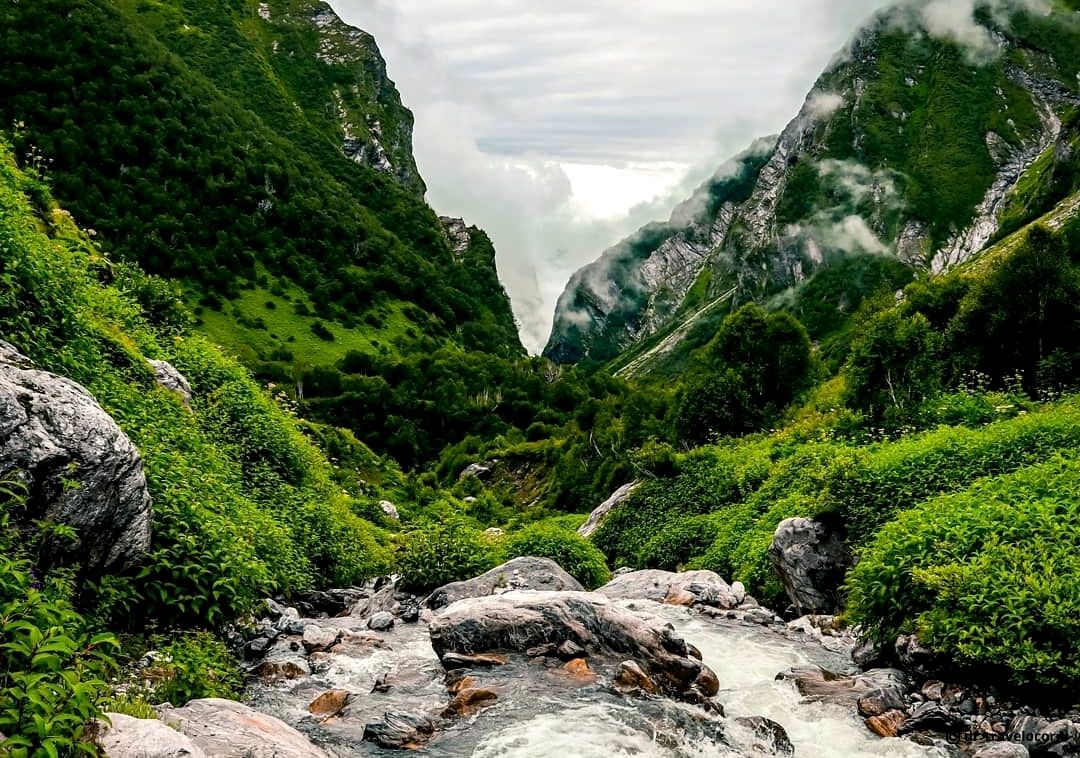
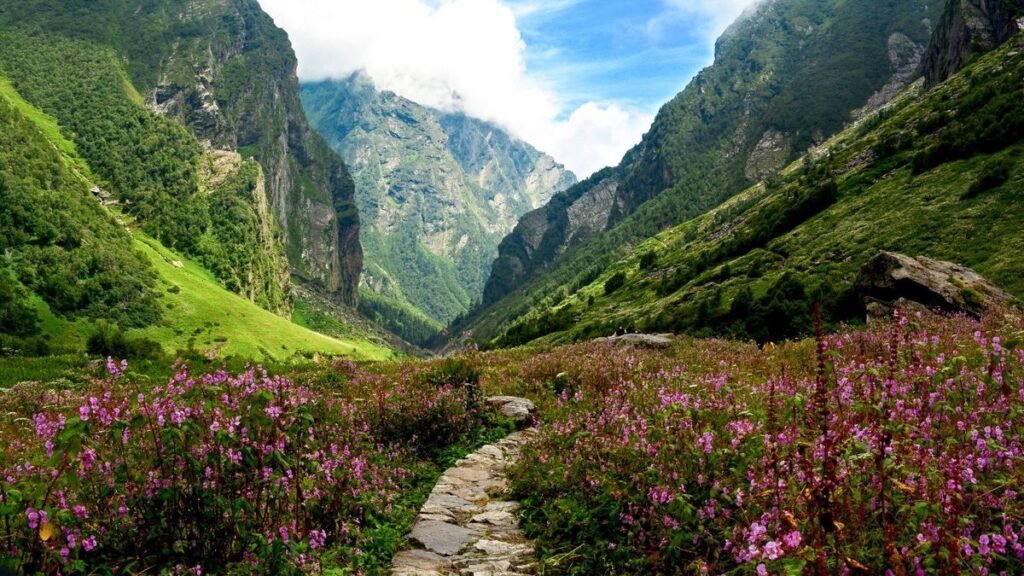
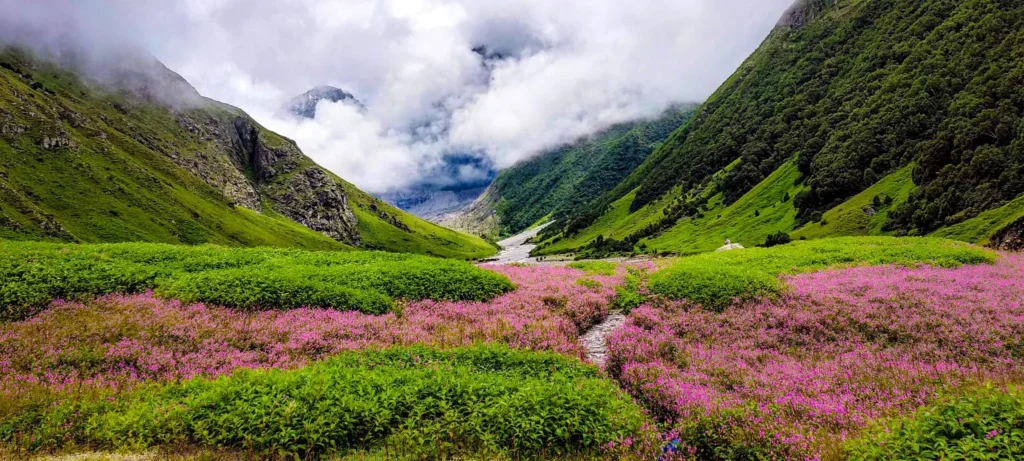
The Himalayas hold secrets in every fold, but few are as vibrantly revealed as the Valley of Flowers National Park (VOF). Nestled high in the Chamoli district of Uttarakhand, this UNESCO World Heritage Site is not just a destination; it is an experience that transcends the physical trek and touches the soul. Known in Hindu mythology as Nandan Kananthe Garden of Indra in Paradise the valley is a colossal, 87.5 sq km masterpiece painted by nature, where endemic alpine flowers bloom in a dazzling array of colors for a few short, precious months.
For the modern traveler, botanist, photographer, and spiritual seeker, the journey to VOF is a pilgrimage. This comprehensive guide will take you through the best time to visit, the logistics of the trek, its rich history and ecology, and crucial preparation tips to ensure your visit is nothing short of magical.
The Enchanting Ecology: A World Heritage Site
The Valley of Flowers is one of the world’s most unique biodiversity hotspots. Its location, sheltered by the Zanskar and Great Himalayan ranges, creates a micro-climate perfect for the flourishing of delicate, high-altitude flora.
The Floral Kaleidoscope: Over 600 Species
The primary attraction of the valley is, undoubtedly, its flowers. With over 600 species of flowering plants, the meadows transition in color and character almost weekly during the bloom season.
Brahma Kamal (Saussurea obvallata)
The King of Himalayan Flowers
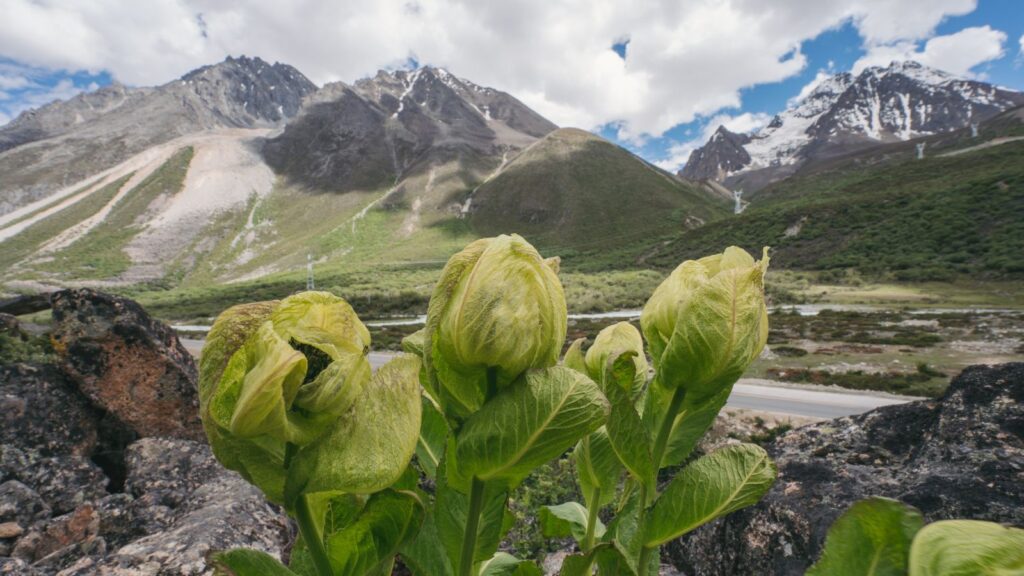
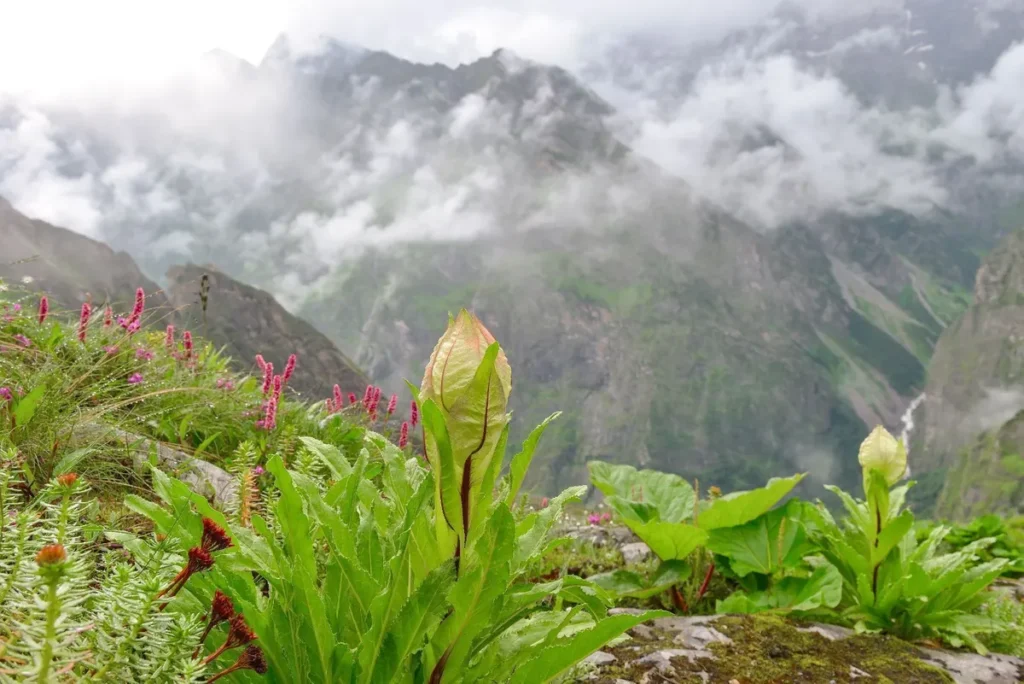
The Brahma Kamal is perhaps the most revered and iconic flower of the high-altitude Himalayas, holding deep religious and cultural significance, especially in Uttarakhand, where it is the state flower.
Botanical Characteristics
- Family: Asteraceae (Daisy/Aster family)
- Life Cycle: Perennial herb.
- Description: The plant is characterized by a central, thick stem topped by a cluster of florets. Its most distinctive feature is the creamy-white or pale yellow, paper-like boat-shaped bracts that completely enclose the developing flower head. These bracts, which can grow up to 14 inches in diameter, serve as a protective layer against the harsh alpine environment and the cold night temperatures. The actual florets, which are bluish-purple or violet, are hidden within this protective covering. The basal leaves are oblong to blunt lanceolate, often pilose (hairy) or glandular hairy.
- Flowering Time: It typically blooms during the monsoon season, from July to September.
- Nocturnal Blooming: One of its most mystical traits is its nocturnal bloom. The flower is famous for unfolding its stunning white petals (bracts) at night, lasting only a few hours before wilting by morning.
Habitat and Ecology
- Altitude: Found at high altitudes, generally between 3,000 to 4,500 meters above sea level.
- Preferred Environment: It thrives in rocky, alpine terrains, scree slopes, and moist alpine meadows, demonstrating remarkable adaptation to cold, harsh, and well-drained conditions. The protective bracts are a key evolutionary feature for survival in this extreme climate.
Spiritual and Medicinal Uses
- Spiritual Significance: In Hindu mythology, the Brahma Kamal is considered sacred and is associated with Lord Brahma, the god of creation, often referred to as the “Earthly representation” of the mythical Golden Lotus. It is a prized offering at the temples of Kedarnath and Badrinath. Witnessing its brief, nocturnal bloom is considered a moment of spiritual enlightenment and a sign of good fortune.
- Medicinal Uses: Traditionally used in Ayurvedic and Tibetan (Amchi) medicine. The plant, particularly its rhizomes, is believed to possess significant therapeutic properties. It has been used to treat respiratory ailments, coughs, and fever. Its bitter taste also makes it useful as a tonic and for treating certain digestive issues. Due to its cultural and medicinal demand, it is an increasingly endangered species, necessitating strict conservation efforts.
Blue Poppy (Meconopsis aculeata)
The Blue Jewel of the Himalayas
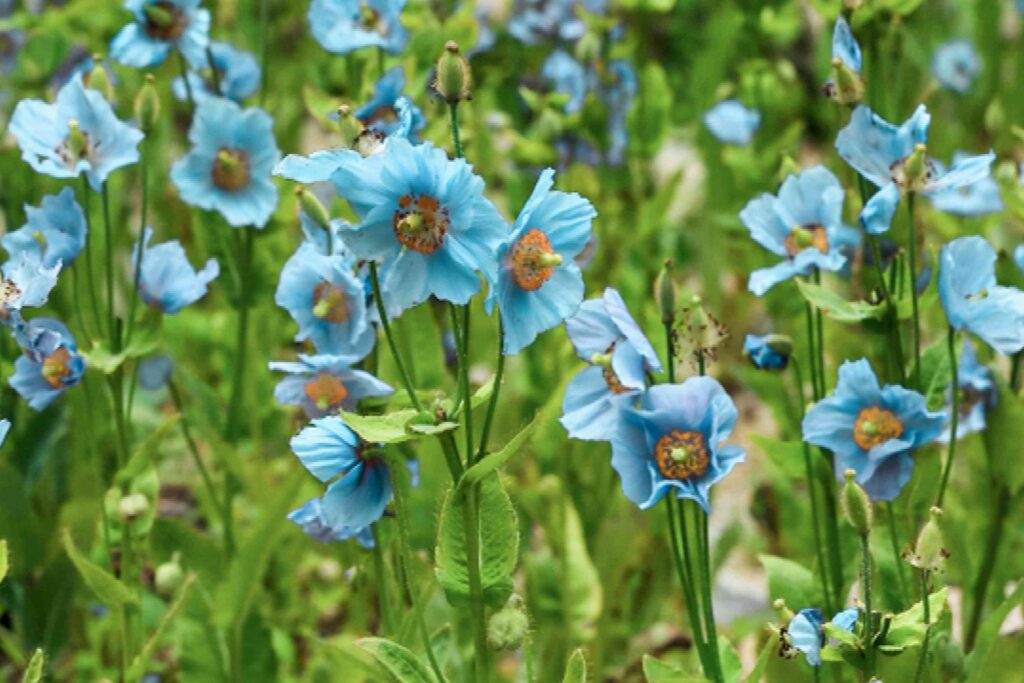
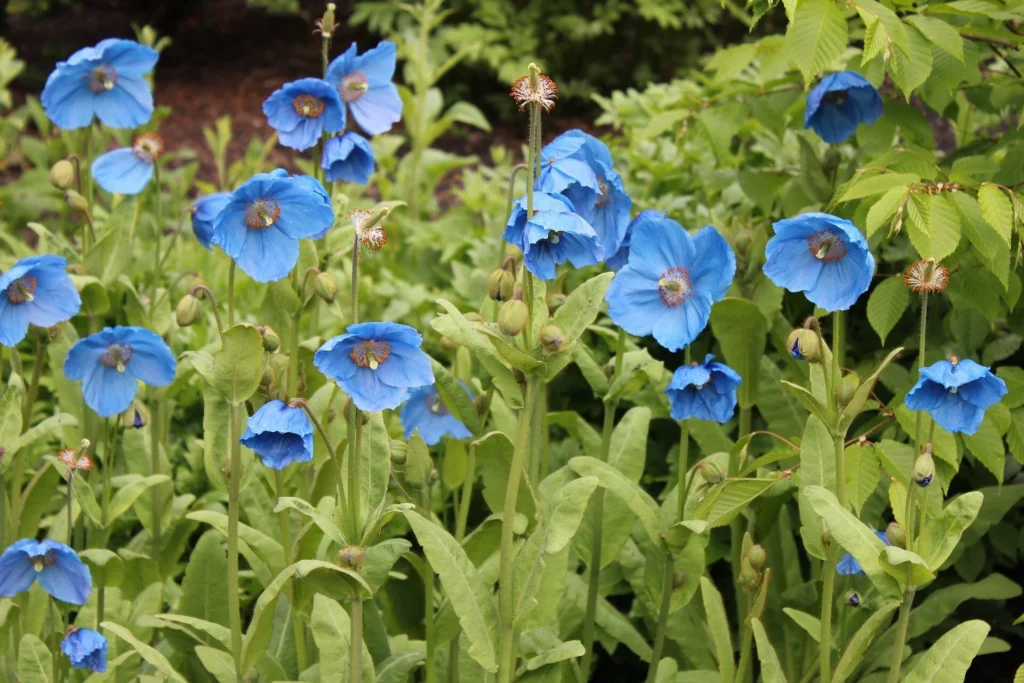
The Blue Poppy is one of the most sought-after flowers in the Valley of Flowers, celebrated worldwide for its stunning, electric-blue color, which is a rare hue in the plant kingdom.
Botanical Characteristics
- Family: Papaveraceae (Poppy family)
- Life Cycle: Monocarpic perennial herb (meaning it flowers only once and then dies).
- Description: It is an erect herb, typically growing to a height of 40-60 cm. The plant’s structure is often characterized by prickly, hairy stems and foliage, a defense mechanism against grazing animals. The flowers are large, showy, and cup-shaped, ranging from a vibrant sky-blue to purplish-blue. They typically have four silky petals and a cluster of contrasting golden-yellow center stamens. The leaves are basal, forming a rosette, and deeply lobed or dissected.
- Flowering Time: Blooms during the short Himalayan summer, generally from June to September.
Habitat and Ecology
- Altitude: Found in the high alpine and subalpine zones, typically between 3,000 and 4,200 meters.
- Preferred Environment: It thrives in rock crevices, amongst boulders, and on moist, black sandy loam soils, often in sun-exposed areas like alpine meadows and glacial moraines. Its presence is an indicator of a pristine, high-altitude ecosystem.
Medicinal and Conservation Status
- Medicinal Uses: In traditional Tibetan medicine, the Blue Poppy has been used as a tonic and for its pain-relieving and anti-inflammatory properties, and even for treating symptoms of high-altitude sickness.
- Conservation: Due to its beauty and ethnobotanical value, the species is vulnerable to overharvesting and is considered critically endangered in some parts of its range. The protected status of the Valley of Flowers is crucial for its survival and proliferation.
Wallich’s Geranium (Geranium wallichianum)
The Blue-Violet Carpet
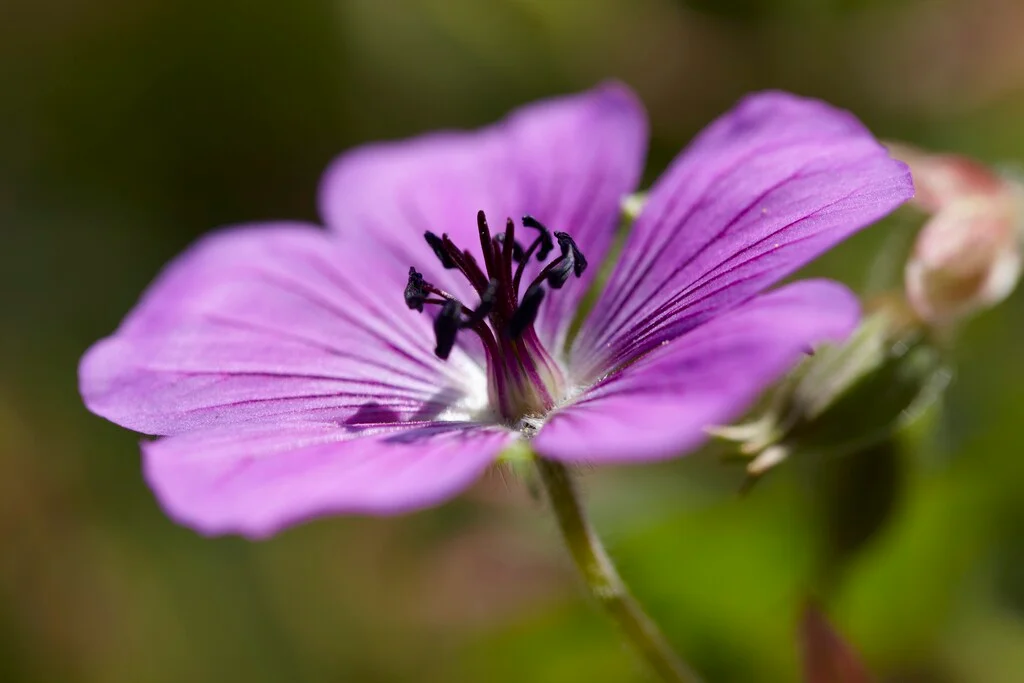
Wallich’s Geranium is one of the most prolific flowers in the valley, often creating a breathtaking blue-violet carpet across the meadows, making it a favorite for trekkers and photographers.

Botanical Characteristics
- Family: Geraniaceae (Geranium/Cranesbill family)
- Life Cycle: Perennial herb.
- Description: This herbaceous perennial typically grows to a height of 40–60 cm. The leaves are orbicular (circular), deeply lobed, and vary in size. The flowers are instantly recognizable and beautiful: they are a distinct shade of blue-violet or purplish-pink with a contrasting dark violet center and prominent dark veins radiating out across the petals. The anthers are often a blackish color.
- Flowering Time: A long bloomer in the Valley, found in flower from June to September.
Habitat and Ecology
- Preferred Environment: It flourishes in moist, open slopes and alpine meadows. In the Valley of Flowers, it is found in abundance, often growing alongside other species like Campanula latifolia to give the meadows a dominant bluish-purple hue.
Traditional Uses
- Medicinal Uses: Various parts of the plant, especially the roots, have been used in traditional medicine. The roots are noted for treating peptic ulcers, toothaches, and for use in eye and skin diseases. In Nepal, the whole plant is used to treat rheumatic pains and to help clot bleeding.
- Dye: A red dye extracted from the plant’s roots is traditionally used to color woolen clothes, highlighting its historical utility beyond medicine.
Himalayan Monkshood (Aconitum species)
The Deadly but Medicinal Beauty
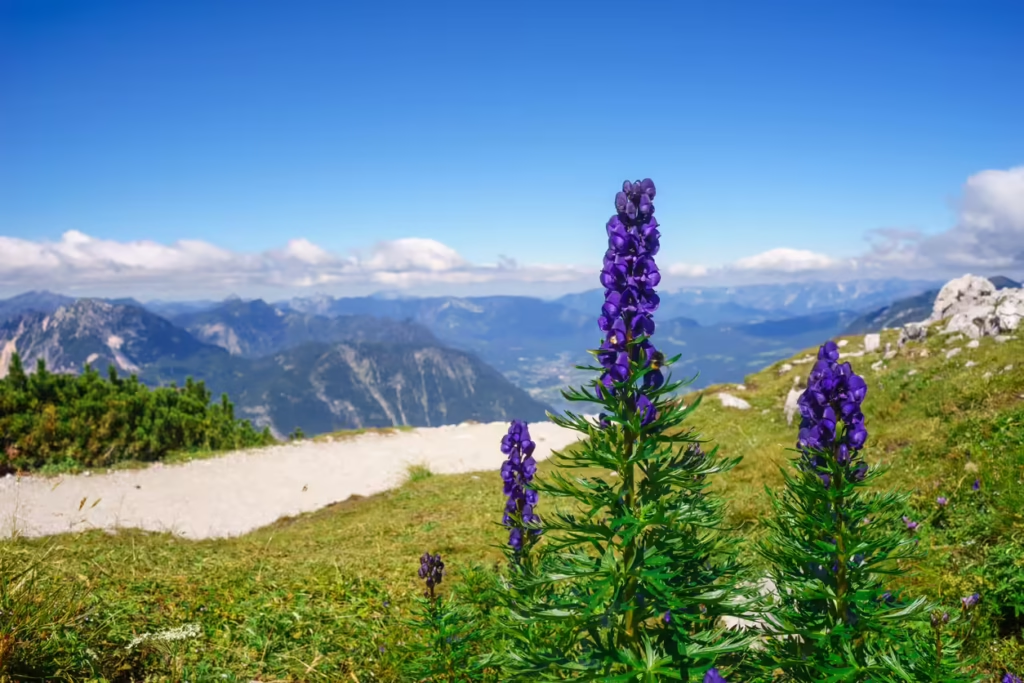
Several species of Aconitum are found in the Valley, including Aconitum violaceum, Aconitum balfourii, and the medicinally important Aconitum heterophyllum. While strikingly beautiful, all Monkshood species are infamous for their high toxicity.
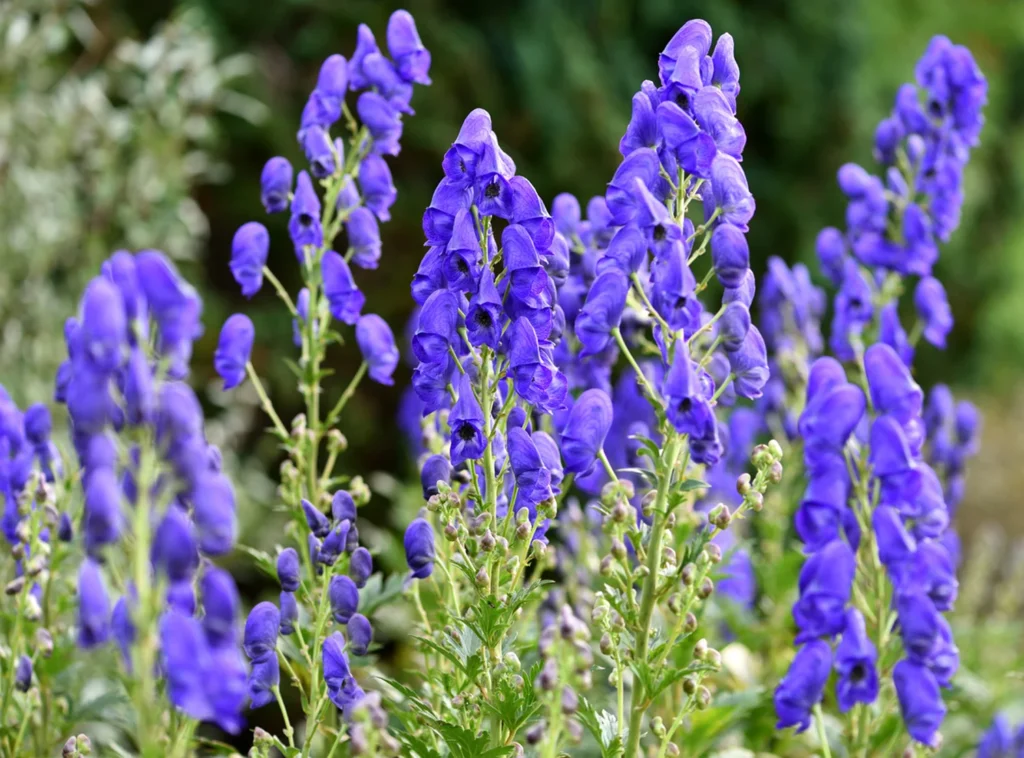
Aconitum heterophyllum (Atis)
- Family: Ranunculaceae (Buttercup family)
- Life Cycle: Biennial/Perennial herb.
- Description: This species is less showy than its toxic relatives, with flowers that are typically blue or yellow and arranged in lax panicles. The stems are straight, 15–20 cm high, and the leaves are heteromorphous (variable in shape). The roots are tuberous and whitish-grey.
- Toxicity: Crucially, while many Aconitum species are highly toxic and known as the “Queen of all Poisons” due to neurotoxins, Aconitum heterophyllum is one of the exceptions used extensively in Ayurvedic medicine due to lower or different alkaloid content (though caution is always necessary).
- Traditional Uses: Its dried tuberous roots are a celebrated Ayurvedic ingredient (Ativisha). They are valued for their non-toxic nature (relative to other Aconitum species) and are used as an expectorant, febrifuge (fever reducer), anthelmintic, anti-diarrheal, and anti-inflammatory. It has also been used for treating reproductive and digestive disorders.
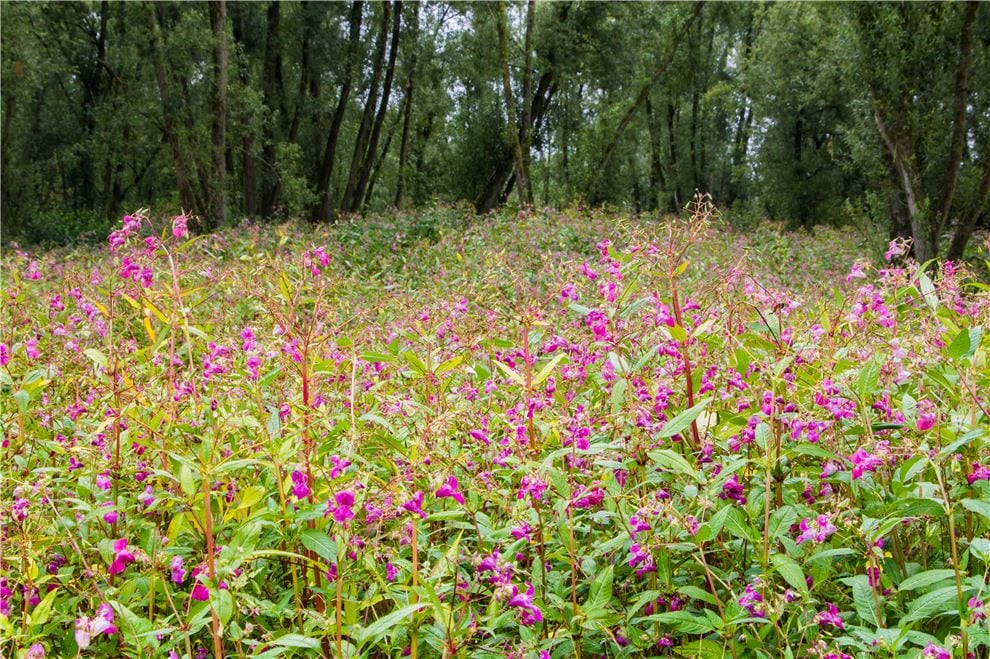
Himalayan Balsam (Impatiens sulcata) / (Impatiens glandulifera)
The Exploding Seed Pod
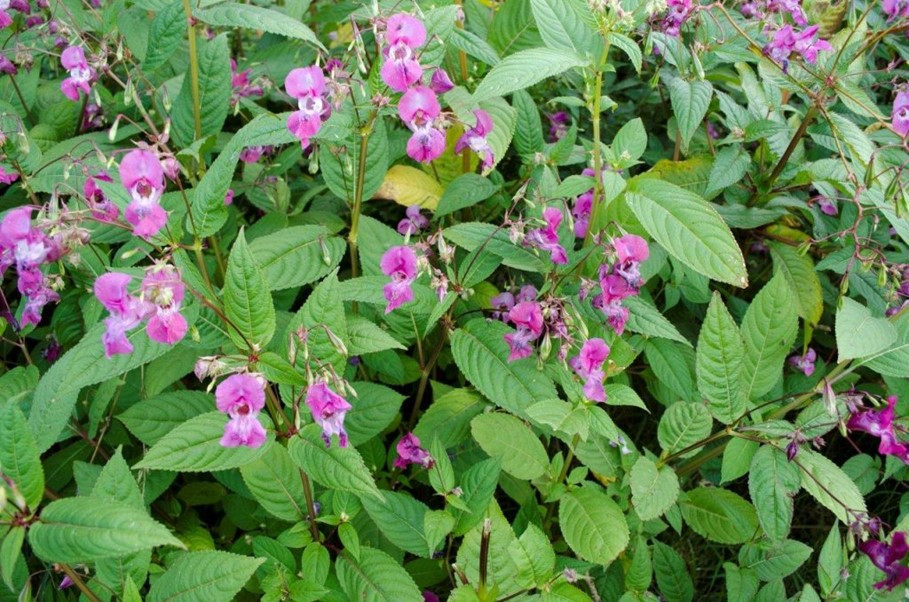
Several Impatiens species thrive in the moist conditions of the Valley. While Impatiens glandulifera (Policeman’s Helmet) is a well-known invasive species globally, Impatiens sulcata is a native Himalayan species often associated with the region.
- Family: Balsaminaceae (Balsam family)
- Life Cycle: Annual herb.
- Description: Characterized by succulent, hollow, and often purple-tinged stems. The flowers are irregular, solitary, and helmet-shaped, typically ranging from pink, rose, or purple. The leaves are lanceolate to ovate with serrated edges.
- Ecology: They prefer damp, shaded environmental conditions and are commonly found along the banks of the Pushpawati River and water streams, contributing significantly to the pinkish hue of the riverbed areas, especially in July.
- Unique Feature: The fruit is a five-chambered capsule that, when mature and touched, explodes, forcefully expelling its seeds. This is a highly effective, rapid seed dispersal mechanism.
Tree Rhododendron (Rhododendron arboreum, Buransh)
The Giant of the Shrubs
Although technically a shrub or small tree, the Rhododendron species, particularly Rhododendron arboreum, marks the transition between the sub-alpine forest and the true alpine meadows of the Valley’s periphery.
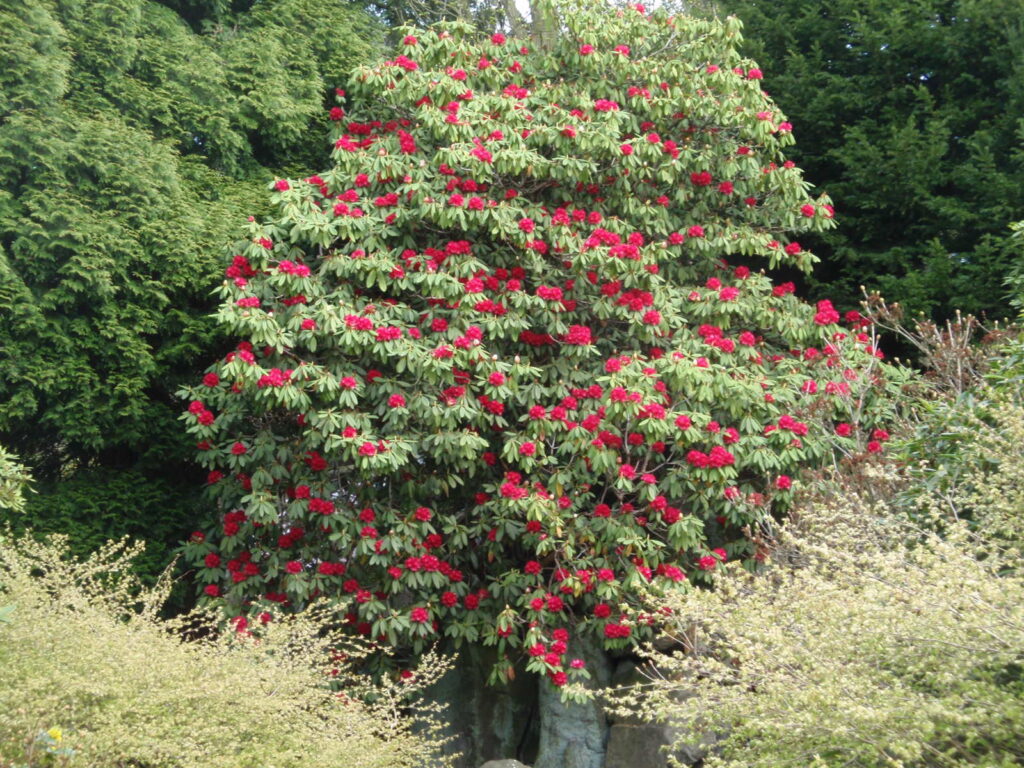
- Family: Ericaceae (Heath family)
- Description: This evergreen can grow into a small tree, reaching heights of up to 20 meters. It has broad, dark green leaves with a silvery, fawn, or brown hairy coating beneath. Its spectacular flowers bloom in dense trusses of 15–20 bell-shaped blooms, typically in shades of bright red, deep pink, or white. It is the state tree of Uttarakhand (in India) and the national flower of Nepal.
- Flowering Time: It flowers earlier than most true alpine plants, with its peak generally between mid-March and mid-April at lower altitudes, marking the arrival of spring. In the Valley’s higher reaches and its surrounding areas, it can still be seen in bloom as the snow melts.
- Uses: The flowers are not just ornamental; they are used in traditional medicine to treat digestive and respiratory ailments. A popular squash, or Buransh, is made from the red flowers.

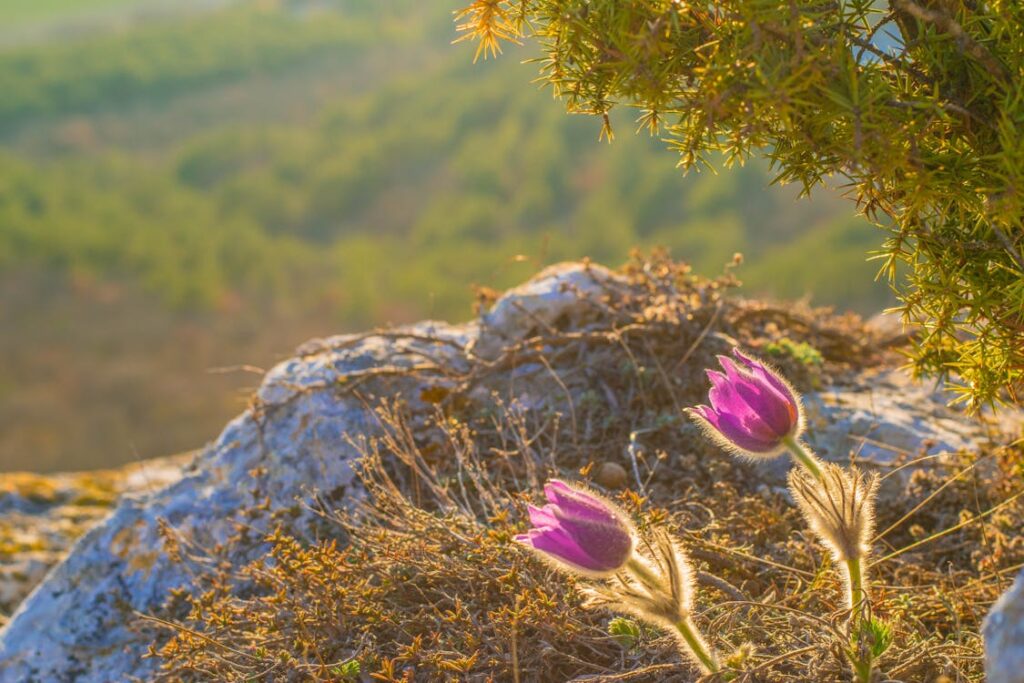
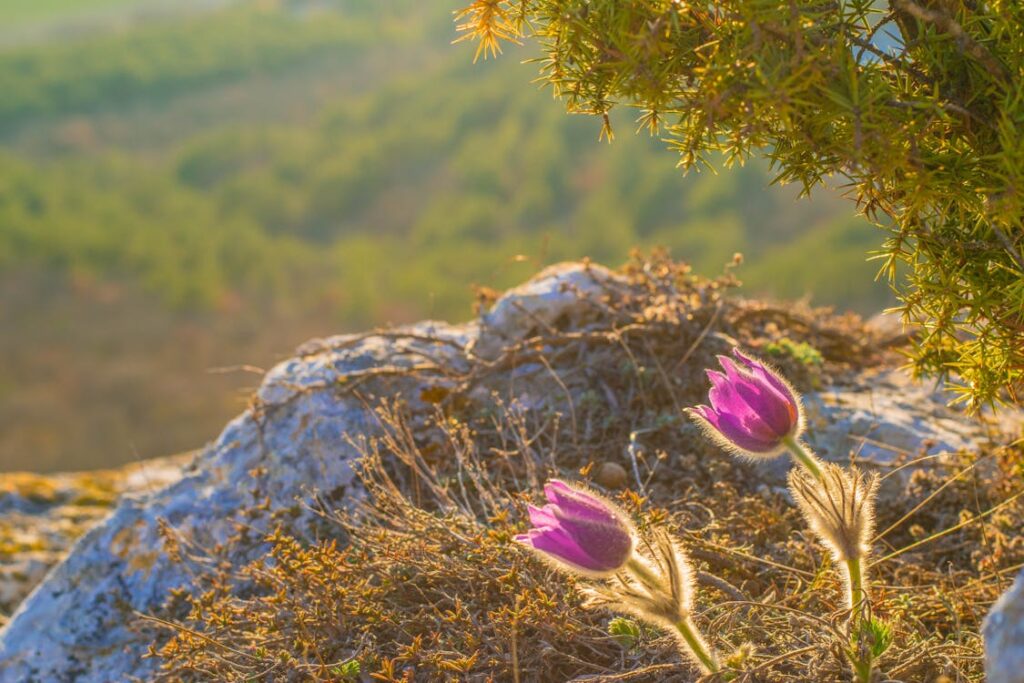
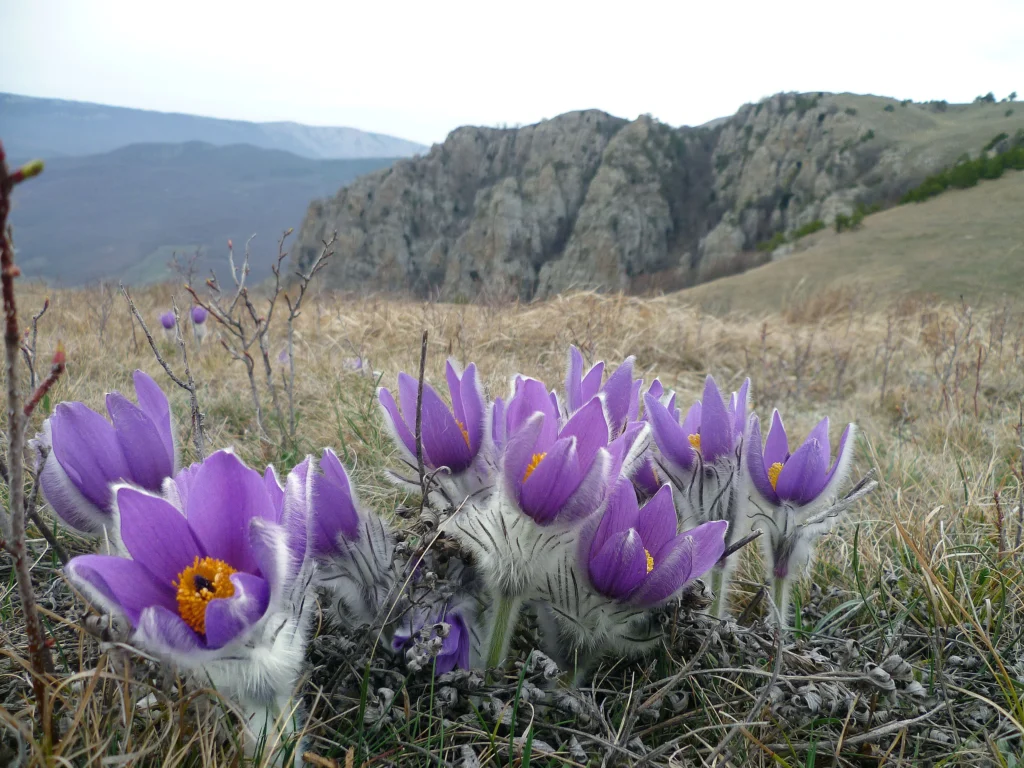
Mountain Pasqueflower (Anemone obtusiloba)
The Early Spring Bloomer
The Anemone species is one of the earliest to flower in the alpine meadows, often appearing as the snow recedes.
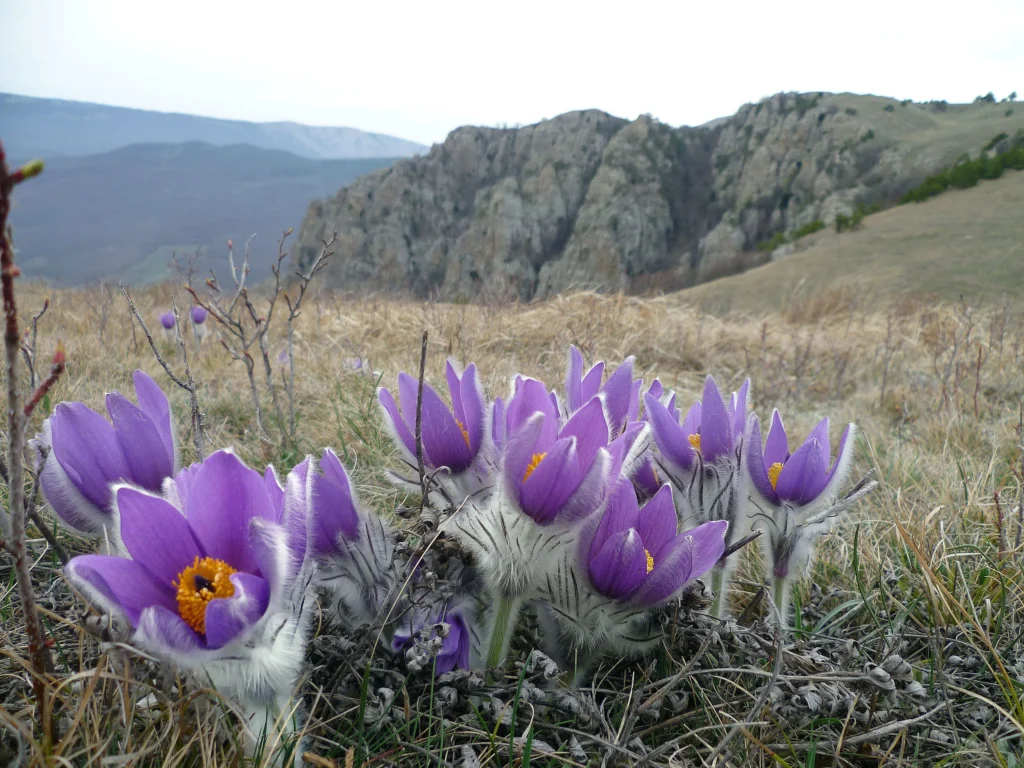
- Family: Ranunculaceae (Buttercup family)
- Life Cycle: Perennial herb.
- Description: A herbaceous perennial, forming clumps 5–25 cm tall. The flowers are terminal, solitary, and highly variable in color, ranging from white to yellow, and shades of blue or purple. They have five to eight petal-like sepals. The basal leaves are deeply lobed.
- Habitat: Found on moist open slopes, forests, and alpine meadows at elevations up to 4,000 meters.
- Traditional Uses and Caution: The plant is harvested for local medicinal use. The roots are sometimes used as a blistering agent and to treat contusions. However, like many in the Ranunculaceae family, all parts of the fresh plant contain protoanemonin, which is an irritant and toxic, though this compound breaks down into harmless substances when the plant is dried or heated.
Other Notable Flowers
The floral wealth of the valley extends far beyond these key species, with over 600 species documented. Other common and significant flowers include:
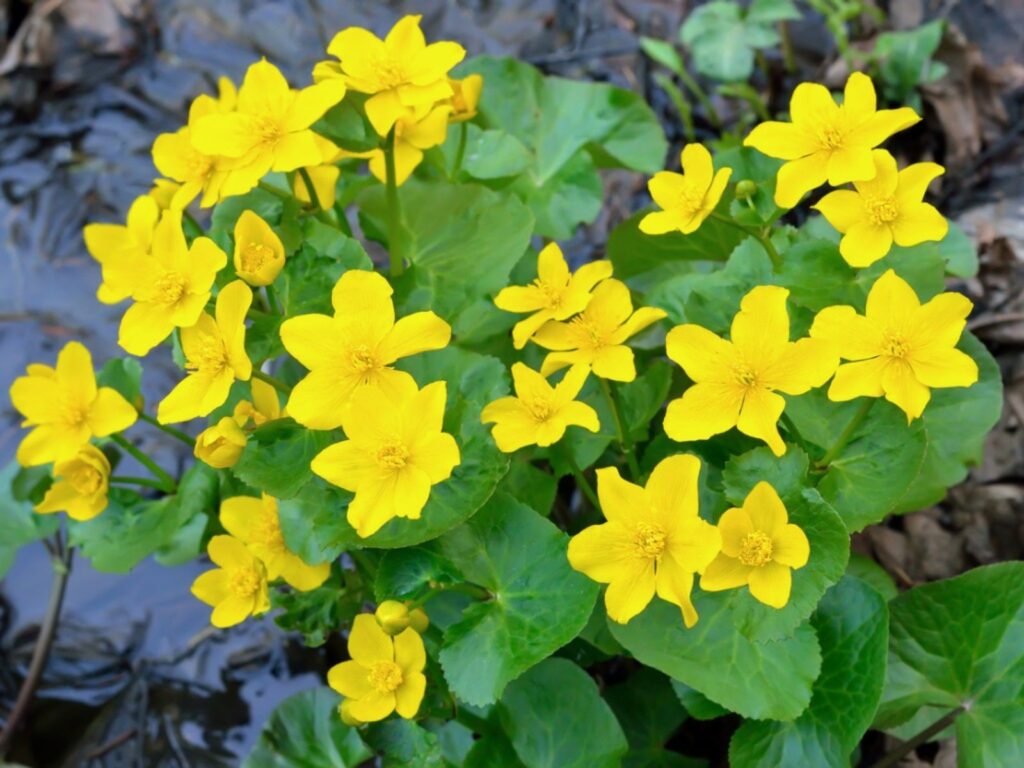
- Marsh Marigold (Caltha palustris): A bright yellow-flowered plant of the Ranunculaceae family, thriving in wet areas and bogs.
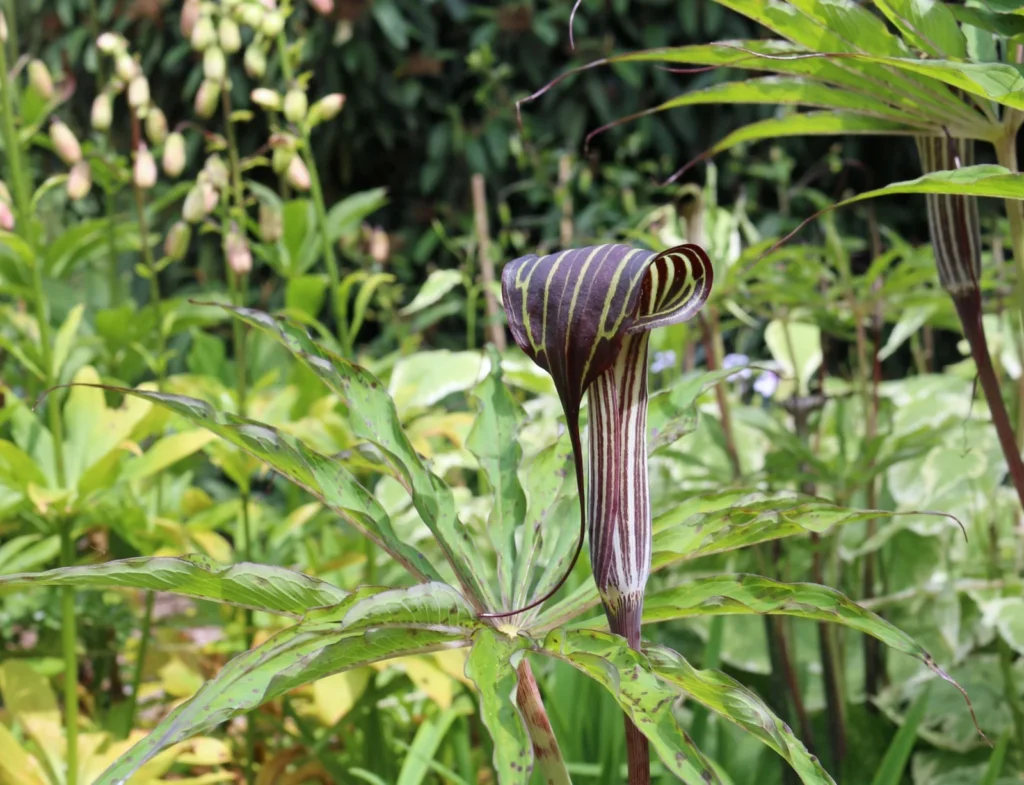
- Himalayan Cobra Lily (Arisaema propinquum): A unique plant with a distinctive, hooded inflorescence (spadix) resembling a cobra’s head, belonging to the Araceae family.
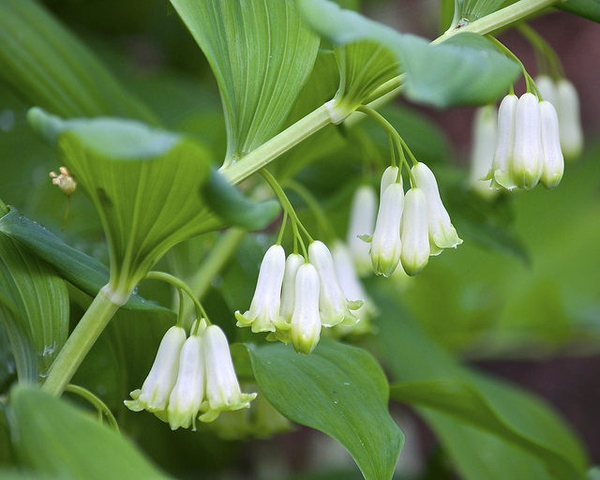
- Solomon’s Seal (Polygonatum multiflorum): Known for its arching stems and delicate, hanging, bell-shaped, cream-colored to greenish-white flowers.
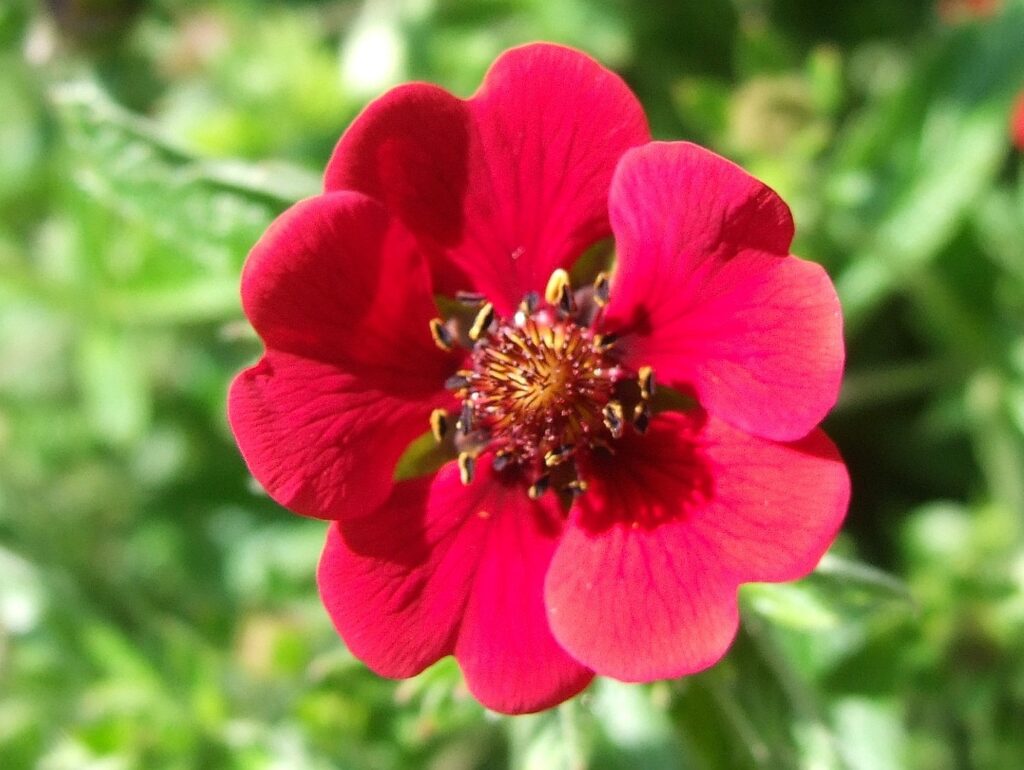
- Himalayan Cinquefoil (Potentilla atrisanguinea): Known locally as Vajardanti, it produces deep red to brownish-red flowers and is used in traditional medicine for eye and skin diseases.
- Primulas (Primula denticulata – Jalkutre): Known for their striking globe-like clusters of lilac or purple flowers, often seen near water sources.
The Valley of Flowers is not merely a collection of beautiful blooms; it is a critical ecological zone, a natural laboratory where endemic and rare flora flourish in one of the most magnificent alpine landscapes on Earth. The sheer density and variety of its floral population, with continuous blooming and succession throughout the monsoon season, create the “painted landscape” that has captivated visitors and scientists for centuries.
Fauna: The Rare and the Elusive
While the flowers steal the show, the park is also a vital habitat for endangered and rare Himalayan fauna, located at the core of the Nanda Devi Biosphere Reserve. Keep your eyes peeled for:
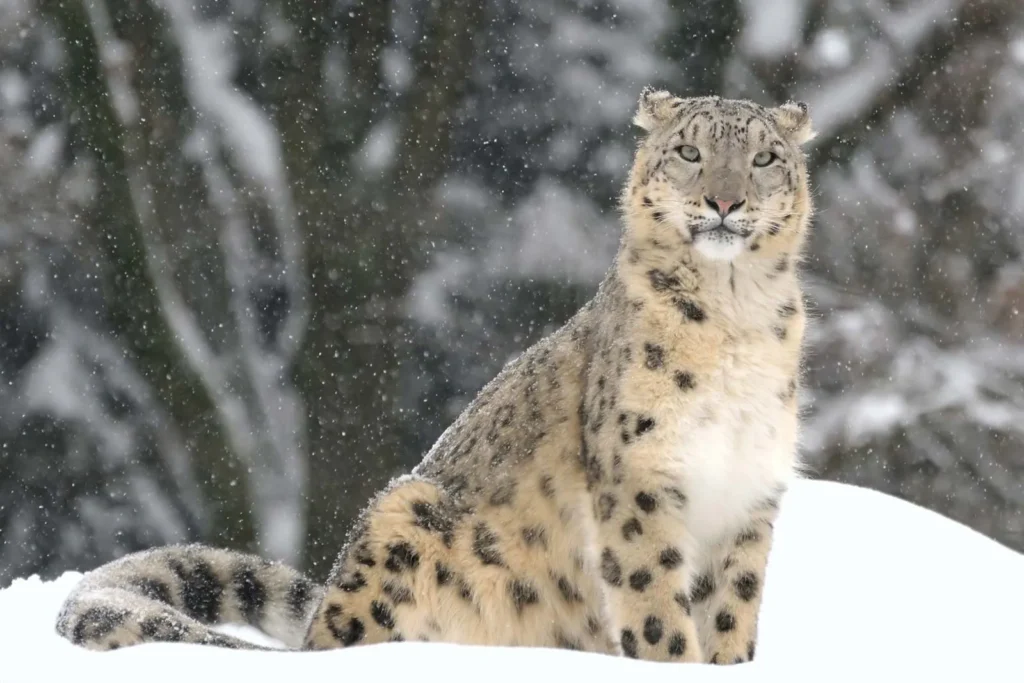
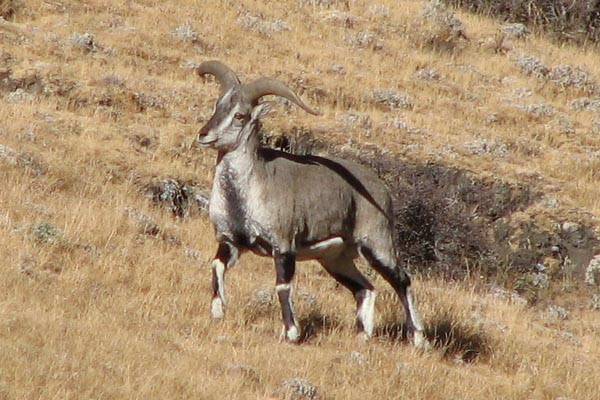
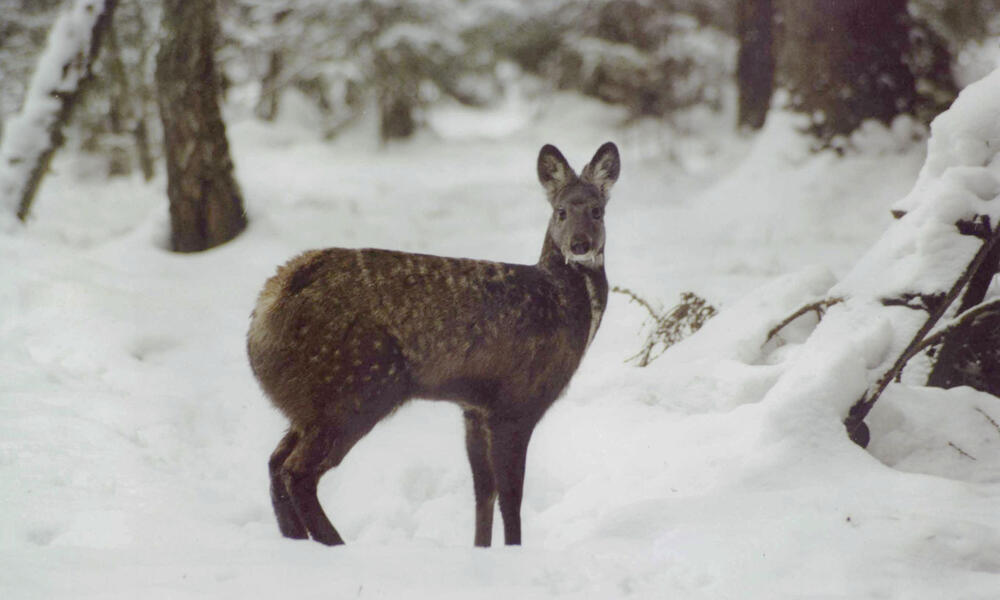
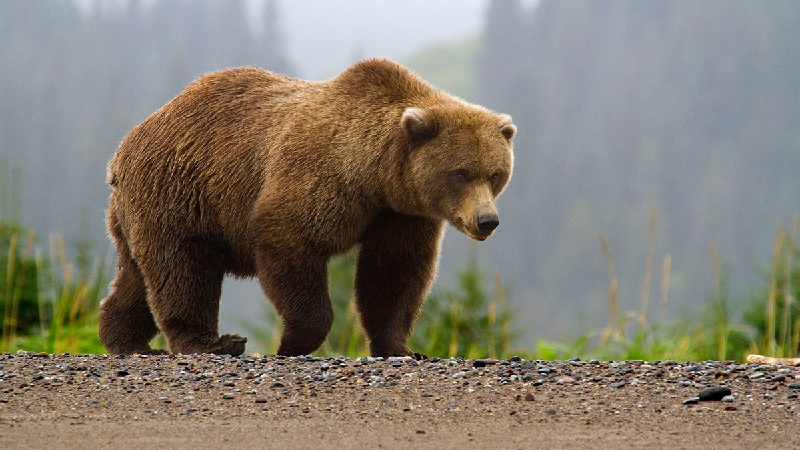
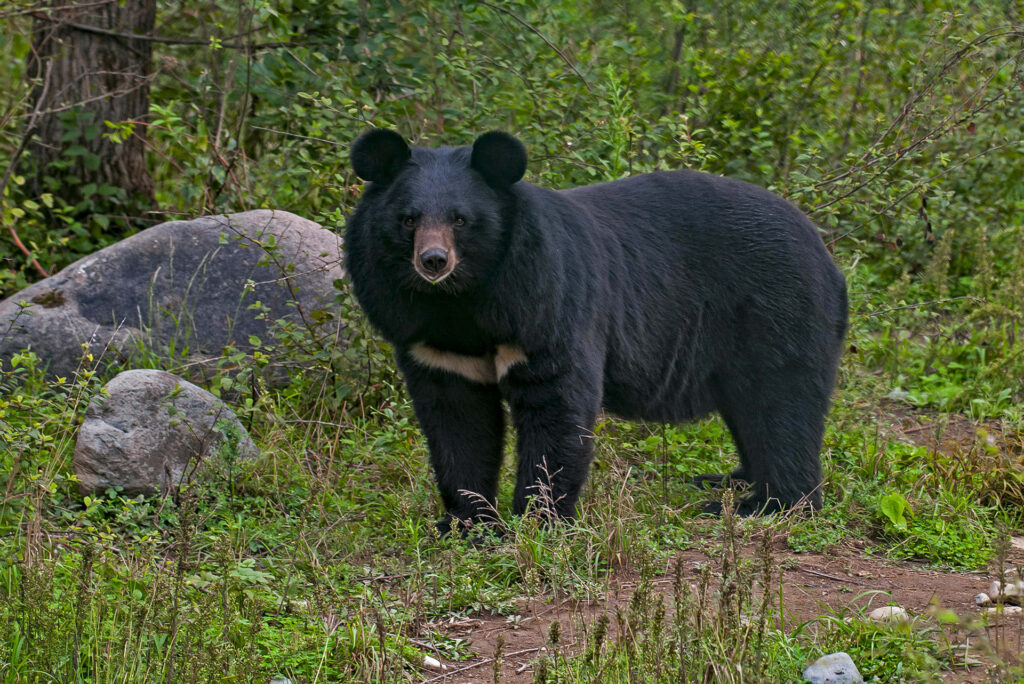
- Mammals: Asiatic Black Bear, Himalayan Brown Bear, Musk Deer, Blue Sheep (Bharal), Red Fox, and the elusive Snow Leopard.
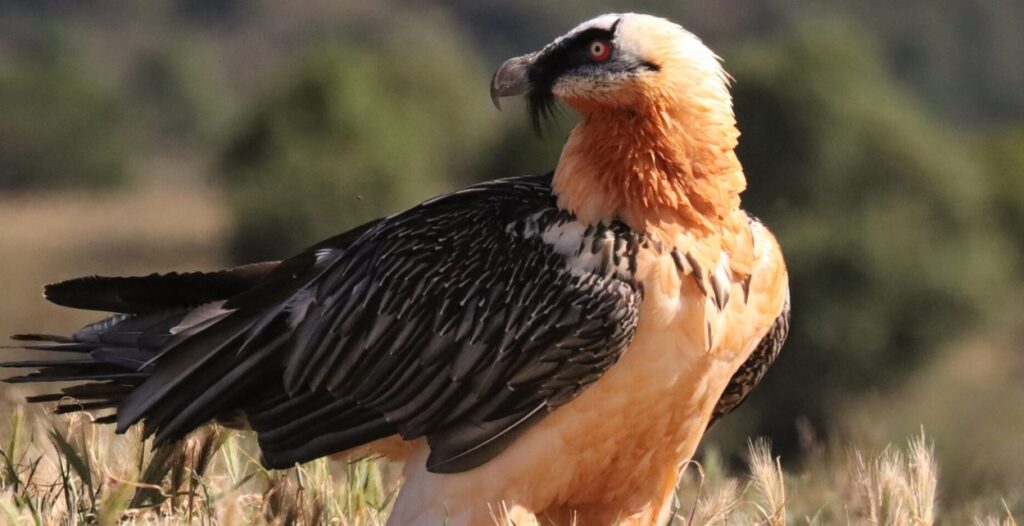
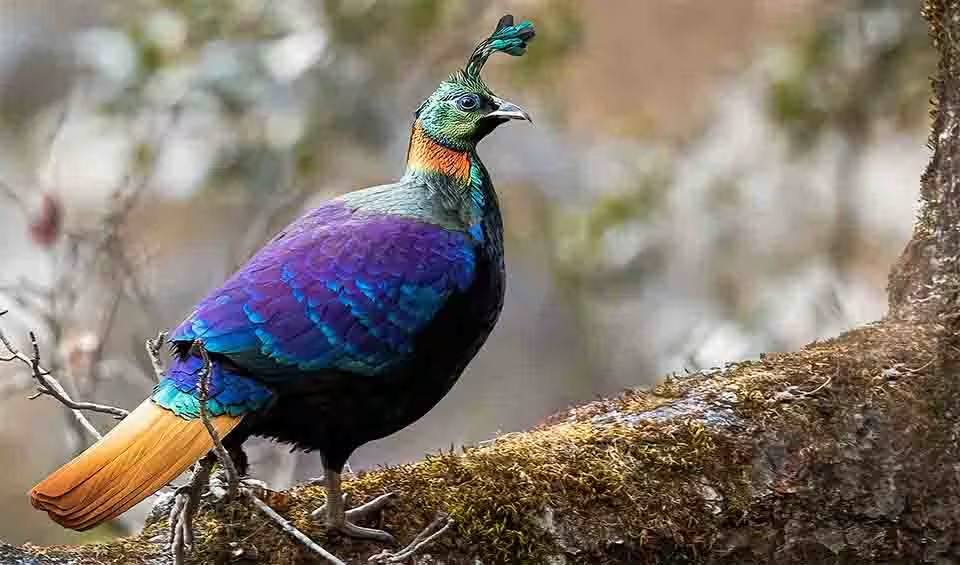
- Birds: The colourful Himalayan Monal (the state bird of Uttarakhand), Snow Pigeon, and the Lammergeyer.
- Insects: A vast and stunning variety of high-altitude butterflies.
When to Go: Timing Your Visit for Peak Bloom
The Valley of Flowers is accessible for only five months a year, from June 1st to October 31st. The timing of your visit entirely dictates the experience, as the variety of flowers in bloom changes dramatically each month.
| Month | Experience | Why Visit? |
| June (Early) | Snow Melt/Greenery Rises | Fewer crowds; fresh, lush green meadows; early flowers like Primulas begin to appear. |
| Mid-July to Mid-August | Peak Floral Bloom | The best time for photographers and botanists; the valley is carpeted in a riot of colors, including the famous Blue Poppies. |
| Late August to Early September | Post-Monsoon Magic | Vibrant green and late bloomers (Brahma Kamal); clear, crisp weather with fewer unpredictable rains. Ideal for the Hemkund Sahib visit. |
| Late September to October | Autumnal Hues | Flowers begin to fade, giving way to golden and russet tones; very few crowds; clear views of the surrounding peaks. |
The Trek Itself: Route, Difficulty, and Logistics
The trek to the Valley of Flowers is a multi-day journey that is classified as Easy to Moderate in difficulty. It does not require technical climbing but demands good physical stamina, especially due to the high altitude.
The Core Itinerary (6 Days/5 Nights)
| Day | Start/End Point | Distance (Approx.) | Trek Difficulty | Key Activity |
| Day 1 | Haridwar/Rishikesh to Joshimath | ≈256 km (Drive) | Easy | Acclimatisation; drive through the Devprayag, Rudraprayag, and Karnaprayag. |
| Day 2 | Joshimath to Govindghat to Ghangaria | ≈22 km (Drive)+9 km (Trek) | Moderate | The first leg of the trek; a steady, well-paved uphill path to the base village. |
| Day 3 | Ghangaria to Valley of Flowers & back | ≈3.5 km (one way)+Exploration | Easy to Moderate | The main day. Trek to the VOF entry gate and spend the day exploring the valley meadows. |
| Day 4 | Ghangaria to Hemkund Sahib & back | ≈6 km (one way) | Difficult/Strenuous | Steep, continuous stone-paved ascent; high altitude requires slow trekking. |
| Day 5 | Ghangaria to Govindghat to Joshimath | ≈9 km (Trek)+22 km (Drive) | Easy (Descent) | Trek back down to Govindghat; drive to Joshimath. |
| Day 6 | Joshimath to Haridwar/Rishikesh | ≈256 km (Drive) | Easy | Departure. |
The Base Camp: Ghangaria
Ghangaria is the central hub for the entire trek. It is the last permanent settlement and the only place where hotels, guesthouses, and the Gurudwara/Dharamshala offer accommodation. No camping or overnight stay is allowed inside the Valley of Flowers National Park to preserve its fragile ecosystem.
The Sacred Dsetour: Hemkund Sahib
While not part of the VOF National Park, a day trek to Shri Hemkund Sahib is an integral part of the experience. This pristine, high-altitude glacial lake (at ≈4,329 meters) is surrounded by seven snow-clad peaks (Sapt-Sring) and is a highly revered Sikh pilgrimage site dedicated to Guru Gobind Singh. The trek is challenging due to the altitude and steep ascent, but the spiritual atmosphere and views are immensely rewarding.
History and Mythology: Where Legends Bloom
The Valley of Flowers is soaked in history, a convergence of ancient Indian mythology and a surprising modern ‘discovery’ by a western mountaineer.
The Mythological Origin (Nandan Kanan)
In the epic Ramayana, when Lord Rama’s brother, Lakshmana, was gravely wounded, the monkey god Hanuman was tasked with fetching the life-reviving herb, Sanjeevani Booti, from the Himalayas. Many locals believe this mystical valley is where Hanuman flew to find the herb. The flowers, it is said, are the remnants of the Sanjeevani that fell from the sky, blessing the valley forever. The Hindu name, Pushpawati Valley, meaning ‘river adorned with flowers,’ is also mentioned in the Mahabharata.
The Modern Discovery: Frank S. Smythe
The valley remained a secret of the locals and mystics until 1931. A team of three British mountaineers led by renowned explorer Frank S. Smythe were returning from a successful expedition to Mt. Kamet when they stumbled upon the hidden valley.
“It was the loveliest valley any of us had ever seen and it remains in memory as the Valley of Flowers.” – Frank S. Smythe, The Valley of Flowers
Smythe was so captivated that he returned in 1937, collected plant samples, and later penned the famous book that gave the world its name: The Valley of Flowers. This ‘discovery’ brought the valley international recognition, culminating in its declaration as a National Park in 1982 and a UNESCO site in 2005.
Essential Preparation
As a high-altitude monsoon trek, careful planning is non-negotiable.
Physical Fitness and Acclimatisation
The trek difficulty is determined by a combination of distance and altitude. While the VOF trail itself is relatively gentle, the ascent to Ghangaria and the challenging climb to Hemkund Sahib are the real tests.
- Cardio: Start an exercise regimen (jogging, swimming, cycling) at least 4-6 weeks before the trek. Aim to comfortably cover 5km in 30-35 minutes.
- Strength: Focus on leg and core strength (squats, lunges, and stair-climbing with a light backpack) to prepare your knees for the descent.
- Acclimatisation: Plan to spend your first night in Joshimath. Stay hydrated with water and electrolytes throughout the journey. Avoid alcohol and smoking.
The Essential Checklist (What to Carry)
Since the peak season falls during the monsoon, waterproof gear is a must.
| Category | Must-Have Items | Pro Tip |
| Clothing | Waterproof Jacket & Trousers, Thermal Inners, Fleece/Wool Sweater, 3-4 Pairs of Quick-Dry Clothes. | Layering is essential for temperature regulation. |
| Footwear | Waterproof Trekking Boots (well-broken in), 4-5 Pairs of Thick Woolen/Trekking Socks. | Good grip is vital for the slippery, monsoon-affected stone paths. |
| Gear | Rain cover for Backpack, Trekking Pole (highly recommended for stability), Headlamp/Torch. | A trekking pole reduces stress on knees by up to 30%. |
| Health & Safety | Personal First Aid Kit, ORS/Electrolyte Powder, Painkillers, Altitude Sickness Medication (consult a doctor), Sunscreen (High-Altitude Sun is intense). | Carry blister plasters and antiseptic cream. |
Logistics and Permits
- Entry Gate: The entrance gate for VOF is a short distance from Ghangaria.
- Permit: You must purchase an entry permit at the Ghangaria checkpost. The permit is valid for three days. You will need to show ID (Aadhaar Card, Voter ID, etc.).
- Park Timings: The Valley of Flowers National Park is open from 6:00 AM to 5:00 PM. Trekkers must exit the valley by 5:00 PM. No camping is allowed inside.
Frequently Asked Questions (FAQ)
Where is the Valley of Flowers located?
The Valley of Flowers is located in Chamoli district, Uttarakhand, near Badrinath and Hemkund Sahib, within the Nanda Devi National Park.
What is the best time to visit the Valley of Flowers?
The best time to visit is from mid-July to early September, when the flowers are in full bloom and the valley displays vibrant colors.
How can I reach the Valley of Flowers?
Travelers can reach Govindghat by road from Rishikesh or Joshimath, trek 13 km to Ghangaria, and then 3–4 km further to the Valley of Flowers.
Do I need permission to enter the Valley of Flowers?
Yes, an entry permit is required and can be obtained at the Forest Department check post in Ghangaria.
What is the level of difficulty of the Valley of Flowers trek?
The trek is of moderate difficulty, suitable for beginners with average fitness levels. The paths are well marked but include steep sections.
Is camping allowed inside the Valley of Flowers?
No, camping and overnight stays are not allowed inside the valley. Visitors must return to Ghangaria by evening.
What are the nearby attractions to Valley of Flowers?
Nearby attractions include Hemkund Sahib, Badrinath Temple, Joshimath, Auli, and Mana Village.