
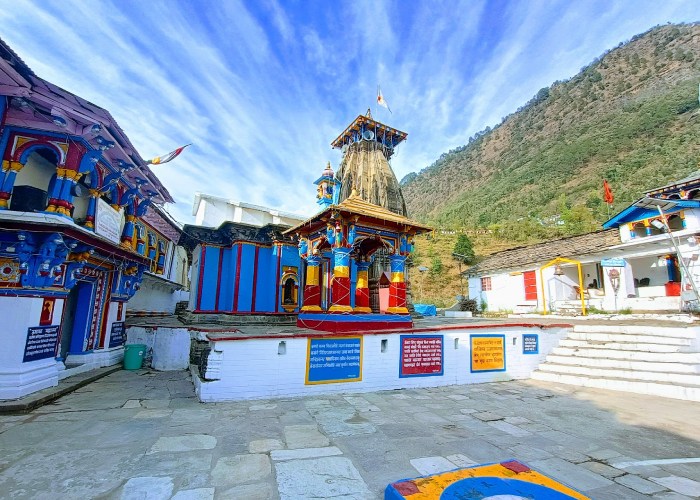
Nestled in the serene landscapes of Ukhimath, in Uttarakhand’s Rudraprayag district, stands the Omkareshwar Temple – a shrine that holds immense significance for devotees of Lord Shiva. While Kedarnath and Madmaheshwar remain snow-covered and inaccessible during the harsh Himalayan winters, the idols of these revered deities are brought down to Ukhimath, where Omkareshwar Temple becomes their winter home.
This makes Omkareshwar not just a temple, but a living bridge that keeps the flame of devotion alive when the mighty shrines of Kedarnath and Madmaheshwar sleep under layers of snow.
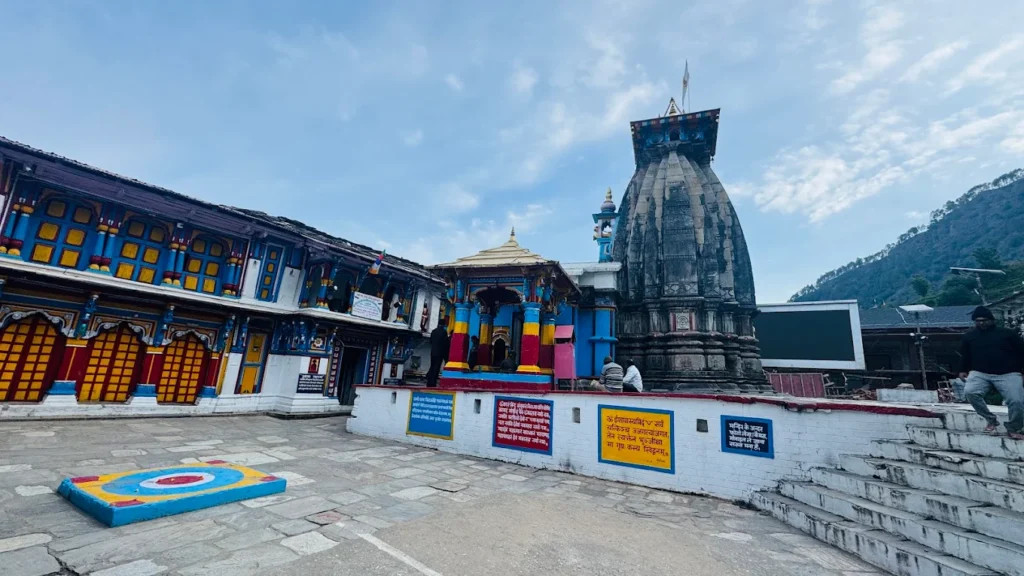
Location and Setting
- District: Rudraprayag, Uttarakhand
- Altitude: About 1,300 meters above sea level
- Nearby towns: Rudraprayag (41 km), Guptkashi (12 km), and Chopta (30 km)
- Scenic charm: Surrounded by snow peaks, thick forests, and valleys, Ukhimath feels like a quiet Himalayan town with divine vibrations in every corner.
The temple sits in the heart of Ukhimath town, making it easily accessible for pilgrims throughout the year.
Historical and Mythological Importance
Connection with Lord Shiva
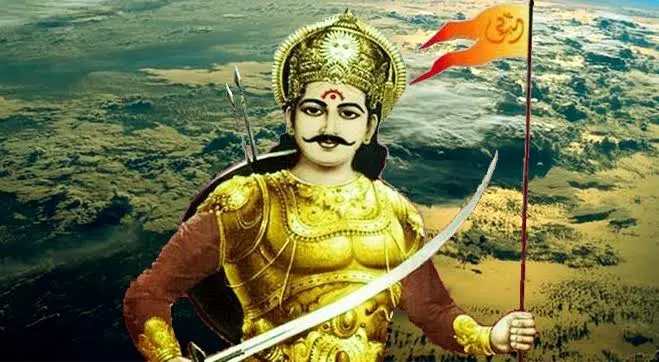
According to legend, King Mandhata performed harsh penance for about 12 years on one leg to please Lord Shiva. Lord Shiva appeared in the form of “Omkar” (the sacred sound of Om) and blessed the emperor, giving the temple its name.
Winter Seat of Deities
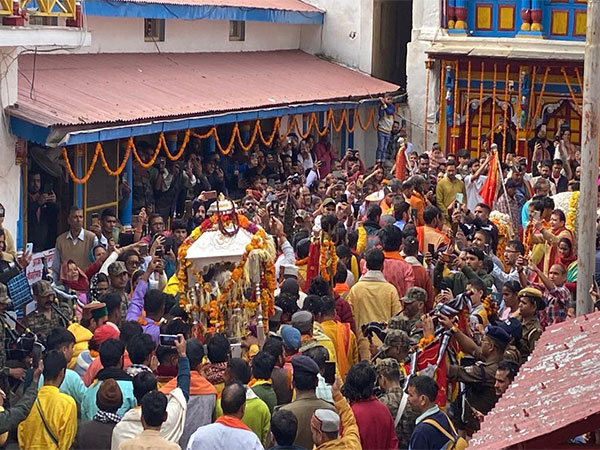
Every year, as winter sets in and heavy snowfall makes Kedarnath and Madmaheshwar inaccessible, the idols of Lord Kedarnath, Lord Madmaheshwar, and Goddess Parvati are ceremoniously brought to Omkareshwar Temple. The temple then becomes their home for nearly six months, from November to May, until the summer reopening of Kedarnath.
Architecture of Omkareshwar Temple
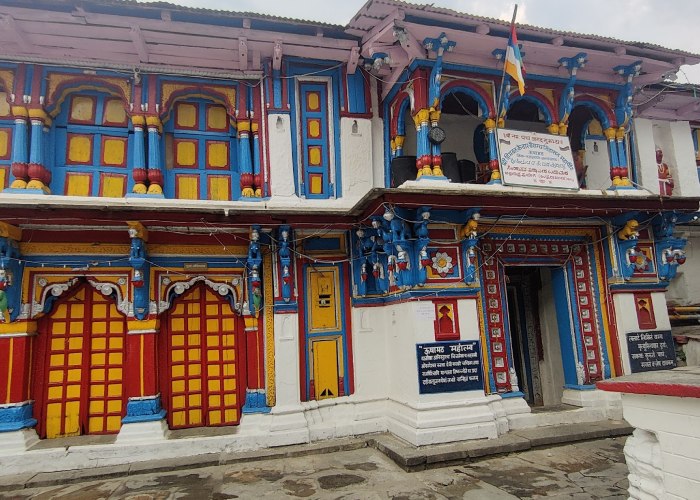
The temple’s design reflects traditional Katyuri and Garhwali architectural styles. While it may not be as massive as Kedarnath, the stone walls, carved wooden doors, and peaceful sanctum carry the same intensity of devotion.
- The sanctum houses the idols of Lord Shiva (Omkareshwar), Goddess Parvati, and the winter idols of Kedarnath and Madmaheshwar.
- The walls are adorned with age-old carvings and stone sculptures that reflect Himalayan artistry.
- The temple courtyard offers panoramic views of the snow-capped Chaukhamba peaks, making the setting feel heavenly.
Rituals and Festivals
The temple remains busy throughout the year, but winters are when Omkareshwar Temple truly becomes the center of religious activity.
- Idol Transfer Ceremony
- After Diwali, the idol of Lord Kedarnath is brought to Omkareshwar in a grand procession known as Doli Yatra. Priests, pilgrims, and villagers join the procession with hymns and chants of “Har Har Mahadev.”
- The idol stays here until Akshay Tritiya in May, when it is taken back to Kedarnath for the summer.
- Daily Rituals
- Morning and evening aartis are performed with the same devotion as in Kedarnath.
- Devotees can witness traditional Garhwali hymns being sung by the temple priests.
- Festivals
- Makar Sankranti and Mahashivratri are celebrated with grandeur here.
- The temple also hosts smaller local festivals that bring together the entire Ukhimath community.
Spiritual Significance
For devotees, Omkareshwar Temple is not just a substitute shrine but an equally powerful seat of Lord Shiva. Pilgrims believe that visiting Omkareshwar during the winter months grants the same blessings as Kedarnath and Madmaheshwar.
Many travelers find the experience here more intimate than Kedarnath, as the crowds are smaller, and one can sit peacefully inside the sanctum, soaking in the chants and divine atmosphere.
Omkareshwar Temple and the Panch Kedar
Omkareshwar plays a vital role in the Panch Kedar pilgrimage circuit. Since it houses the idols of Kedarnath and Madmaheshwar in winter, many pilgrims who cannot make the high-altitude journey feel content with darshan here.
Things to Do Around Ukhimath
A visit to Omkareshwar Temple can be combined with exploring nearby gems:
- Guptkashi: Another sacred town with temples dedicated to Lord Shiva.
- Chopta: Known as the “Mini Switzerland of Uttarakhand,” Chopta is a trekking paradise and the starting point for Tungnath (the highest Shiva temple in the world).
- Deoria Tal: A crystal-clear lake offering stunning reflections of Chaukhamba peaks.
- Madhmaheshwar Trek: In summer, pilgrims trek to the actual shrine of Madmaheshwar, but in winter, its deity rests at Omkareshwar.
Tips for Visitors
- Best Time to Visit: November to May (when idols are here). Summers are pleasant; winters can be cold but divine.
- How to Reach:
- By road: Ukhimath is well connected to Rudraprayag and Guptkashi.
- By train: The nearest railway station is Rishikesh (approx. 180 km).
- By air: Jolly Grant Airport, Dehradun (195 km).
- Stay Options: Small guesthouses and dharamshalas are available in Ukhimath. For more comfort, travelers often stay in Guptkashi.
- Temple Etiquette: Dress modestly, avoid photography inside the sanctum, and respect local customs.
Frequently Asked Question (FAQ)
Where is Omkareshwar Temple located?
It is situated in Ukhimath, Rudraprayag district, Uttarakhand, amidst the Garhwal Himalayas.
Which deity is worshipped at Omkareshwar Temple?
The temple is dedicated to Lord Shiva in the form of Omkareshwar.
What is the significance of Omkareshwar Temple?
It serves as the winter seat of Kedarnath’s deity and holds great religious importance for devotees.
When is the best time to visit Omkareshwar Temple?
The ideal period is from April to November when weather conditions are favorable for pilgrims.
How can one reach Omkareshwar Temple, Ukhimath?
Ukhimath is well-connected by road from Rudraprayag and other nearby towns; private vehicles and buses are available.

One thought on “Omkareshwar Temple Ukhimath – Winter Seat Of Kedarnath”