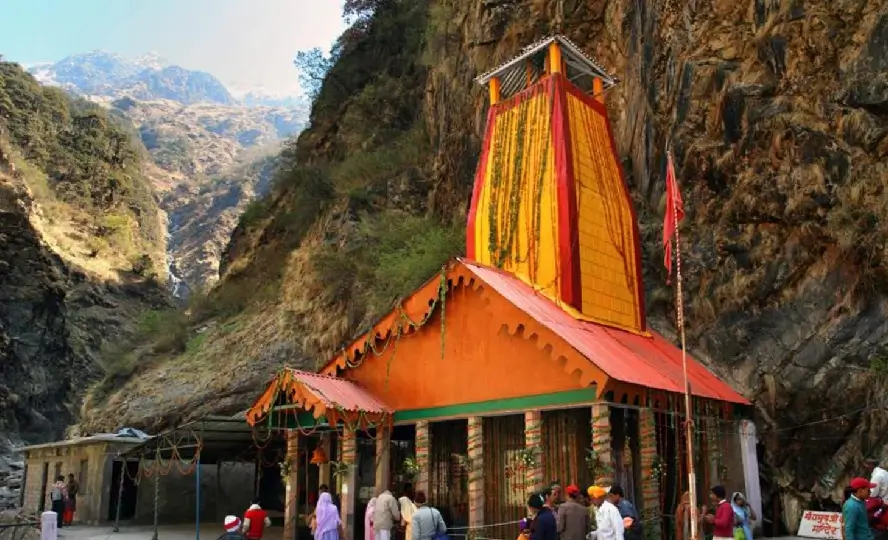
The Yamunotri Temple, perched in the rugged, awe-inspiring heights of the Uttarkashi district in Uttarakhand, is far more than just a structure of devotion; it is the spiritual source of the sacred Yamuna River and the first of the Char Dham pilgrimage circuit. Every year, millions of devotees trek to this high-altitude shrine to seek the blessings of Goddess Yamuna. This vibrant pilgrimage, however, is a seasonal affair, dictated by the brutal, unyielding weather of the Himalayas. The annual closing date of the Yamunotri Temple is an event steeped in profound religious ritual, local tradition, and the inevitable cycle of nature.
The Fixed Yet Fluid Date: The Role of Bhai Dooj
The specific closing date for the Yamunotri Temple is not a static calendar entry but is intrinsically linked to one of the most significant Hindu festivals: Bhai Dooj (or Yama Dwitiya). This festival is celebrated on the second lunar day of the bright fortnight in the Hindu month of Kartik, which falls two days after Diwali. This sacred day marks the end of the short but intense pilgrimage season.
For the year 2025, the officially declared closing date for the Yamunotri Temple is October 23, 2025. This date, like all Char Dham closing dates, is meticulously calculated by the temple priests (rawals and purohits) in consultation with the Char Dham Temple Committee, using the ancient tenets of the Hindu Panchang (almanac) to ensure the timing is astrologically auspicious.
The choice of Bhai Dooj is deeply symbolic for the Yamunotri Dham. Mythology holds that the Goddess Yamuna is the sister of Yama, the God of Death. On this day, she is believed to have welcomed her brother Yama into her home, an act that grants longevity and prosperity. By closing the temple on this fraternal day, the ritual pays homage to the unique relationship between the deities and blesses the pilgrims with a spiritual farewell until the next summer.
The Sacred Migration: Journey to the Winter Abode
The closure of the main temple at Yamunotri is not an end to the worship, but a sacred transition. It signals the elaborate ceremonial journey of the Utsav Murti (the processional idol) of Goddess Yamuna to her winter abode, or Gaddi, in the nearby lower-altitude village of Kharsali (also known as Khushimath). This ritualistic migration, known as the Doli Yatra, is a spectacle of local Garhwali culture and unwavering faith.

The Farewell Ceremony at Yamunotri
The final hours before the temple gates close are marked by intense religious fervor. The priests perform a series of elaborate, secret rituals and special Pujas (worship ceremonies) inside the main sanctum. Vedic hymns are chanted, and the temple is ritually cleansed and prepared for its six-month isolation under the heavy Himalayan snow. Devotees gather in large numbers for the final Darshan (sight of the deity), knowing they will not be able to visit the site again until the following May, on the auspicious day of Akshaya Tritiya, when the portals traditionally reopen.
The Doli Yatra and its Significance
Once the final rituals are complete, the silver or gold-laden palanquin (Doli) carrying the idol of Maa Yamuna begins its descent. This procession is a powerful cultural event. It is led by the temple priests, accompanied by local villagers, musicians playing traditional Garhwali instruments, and hundreds of pilgrims. The sounds of drums and pipes echo through the mountains, transforming the rugged landscape into a path of divine procession.
The journey from the high-altitude Yamunotri to the village of Kharsali, which is located at a more manageable altitude of approximately 8,790 feet (2,675 meters), is arduous but joyful.
Kharsali: The Winter Capital of Devotion
The village of Kharsali holds an esteemed position in the Char Dham pilgrimage, serving as the celestial home of the Goddess for the entire winter season.
The idol is reverently installed in the ancient Shani Dev Temple in Kharsali. This is an extremely significant detail, as Shani Dev (Saturn) is considered to be the brother of the Goddess Yamuna. Thus, for six months, the sister resides in her brother’s home, where worship continues unabated.
This winter residency ensures two crucial things:
- Unbroken Worship: The continuous performance of daily Puja and Aarti (lamp ritual) ensures that the divine cycle of worship to the Goddess Yamuna remains unbroken, despite the main temple being inaccessible due to heavy snowfall.
- Community Hub: Kharsali becomes a vibrant center of spiritual activity for the winter, sustaining the faith of the local populace and allowing devotees who cannot undertake the high-altitude trek to still receive the Goddess’s blessings. The Shani Dev Temple itself is noteworthy for its unique, ancient architectural style, incorporating stone, wood, and a special mortar made from black gram (Urad dal).
Why the Himalayas Demand Closure
The necessity of the closing date is purely practical and meteorological. The Yamunotri Temple is situated at an elevation of 3,293 meters (10,804 feet), where the weather conditions rapidly deteriorate by late October.
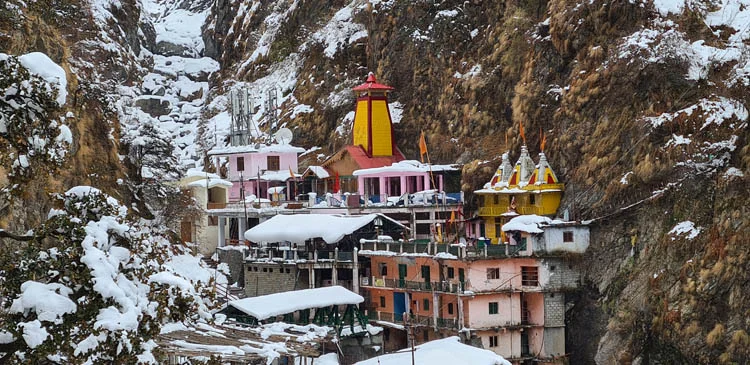
- Extreme Cold and Snowfall: As winter approaches, the entire region is subjected to blizzards, massive snowfall, and sub-zero temperatures. The trekking path from Janki Chatti to the main temple becomes treacherous, virtually impassable, and often buried under several feet of snow.
- Safety and Inaccessibility: The intense weather makes it impossible for both pilgrims and the temple staff (pandas and purohits) to stay and operate the shrine safely. The basic infrastructure, including water supply and electricity, would fail, and road access to the base camps gets cut off.
The six-month closure, therefore, is an act of prudence, ensuring the safety of all concerned while preserving the integrity of the sacred site against the ravages of nature.
A Concluding Note for Pilgrims
For any pilgrim planning the Char Dham Yatra, the closing date of Yamunotri (October 23, 2025) serves as the absolute deadline for the season. The post-monsoon months of September and October are often lauded as the best time to visit, offering clear skies, crisp mountain air, and a tranquil atmosphere before the annual curtain call. Witnessing the closing ceremony, with its powerful blend of divine procession and raw Himalayan grandeur, offers a unique and unforgettable spiritual experience that brings the pilgrimage to its deeply resonant, traditional conclusion.
Frequently Asked Questions (FAQ)
When does Yamunotri Temple close in 2025?
Yamunotri Temple generally closes in the last week of October, coinciding with Bhai Dooj, based on the Hindu Panchang calendar.
Why does Yamunotri Temple close every year?
The temple closes before winter due to heavy snowfall and sub-zero temperatures that make the route from Janki Chatti inaccessible.
Where is Goddess Yamuna worshipped after temple closure?
After the temple closes, Goddess Yamuna’s idol is moved to Kharsali Village, her winter abode, where regular prayers continue.
Can pilgrims visit Yamunotri after the closing date?
No, the route to Yamunotri remains closed in winter, but devotees can visit Kharsali Temple for darshan during the off-season.
Who decides the Yamunotri Temple closing date each year?
The Yamunotri Temple Committee announces the official date every year based on religious traditions and the Hindu calendar.