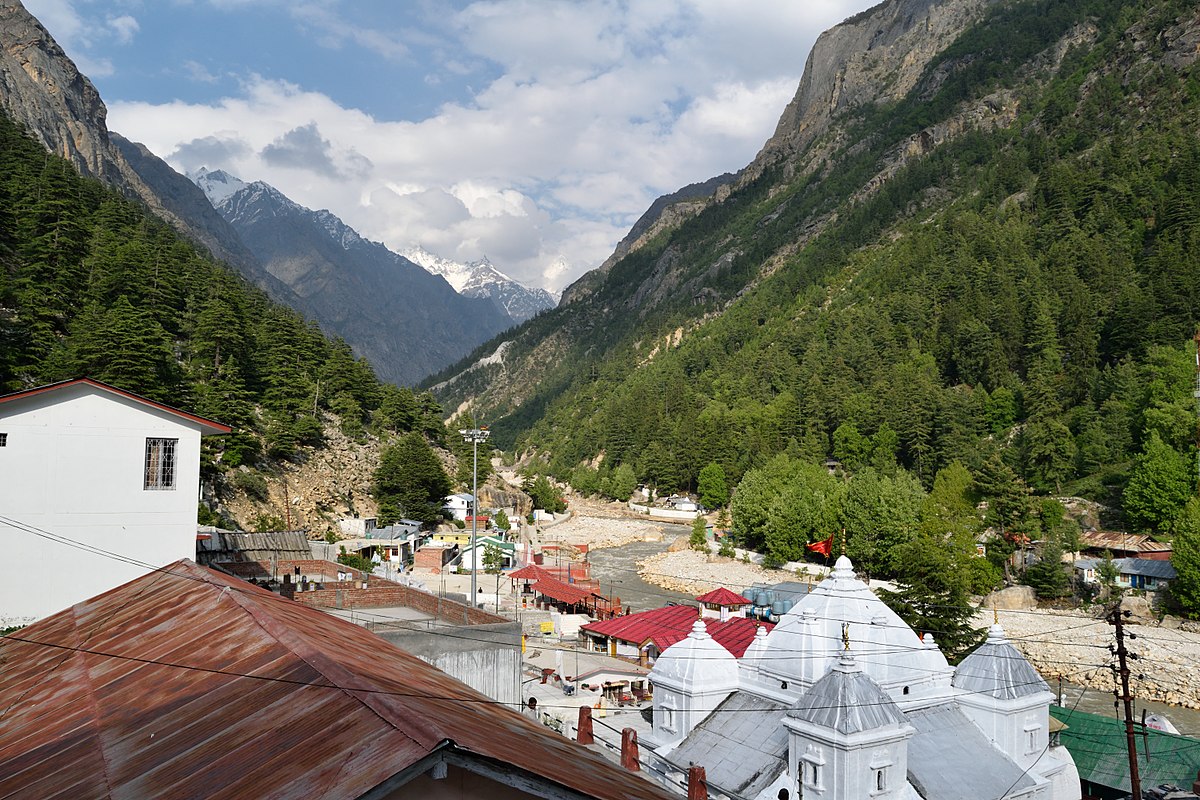
The announcement of the Gangotri Temple closing date each year marks a significant moment for millions of devotees, signaling the culmination of the Char Dham Yatra season and the revered Goddess Ganga’s retreat to her winter abode. Far from being a mere logistical closure, this event is a profound spiritual and cultural transition, steeped in ancient tradition and solemn ritual.
The Official Closing Date for 2025
For the year 2025, the sacred portal (or kapat) of Gangotri Dham, situated high in the Uttarkashi district of Uttarakhand, is officially scheduled to close on October 22, 2025. This date is highly auspicious, typically falling on or around the festival of Bhai Dooj (Yama Dwitīya), which occurs shortly after Diwali. The exact time for the ceremonial closing is meticulously calculated by the temple priests based on the Hindu Panchang (almanac) and astrological considerations to ensure the highest sanctity of the event.

The temple, which generally opens its doors on the equally auspicious day of Akshaya Tritiya (April 30, 2025, in this cycle), remains accessible to pilgrims for approximately six months. This half-year window is the peak of the Himalayan pilgrimage season, a period when the mountain weather is most conducive to travel and worship at an altitude of 3,100 meters (10,200 ft).
Why the Seasonal Closure? The Himalayan Winter’s Embrace
The necessity of the annual closure is rooted in the harsh, almost inaccessible conditions brought by the deep Himalayan winter. From late October or early November until late April or early May, the Gangotri region experiences intense cold, sub-zero temperatures, and crippling heavy snowfall. The entire region becomes blanketed in snow, rendering the roads and pilgrimage routes treacherous or completely blocked, and the town virtually uninhabitable.
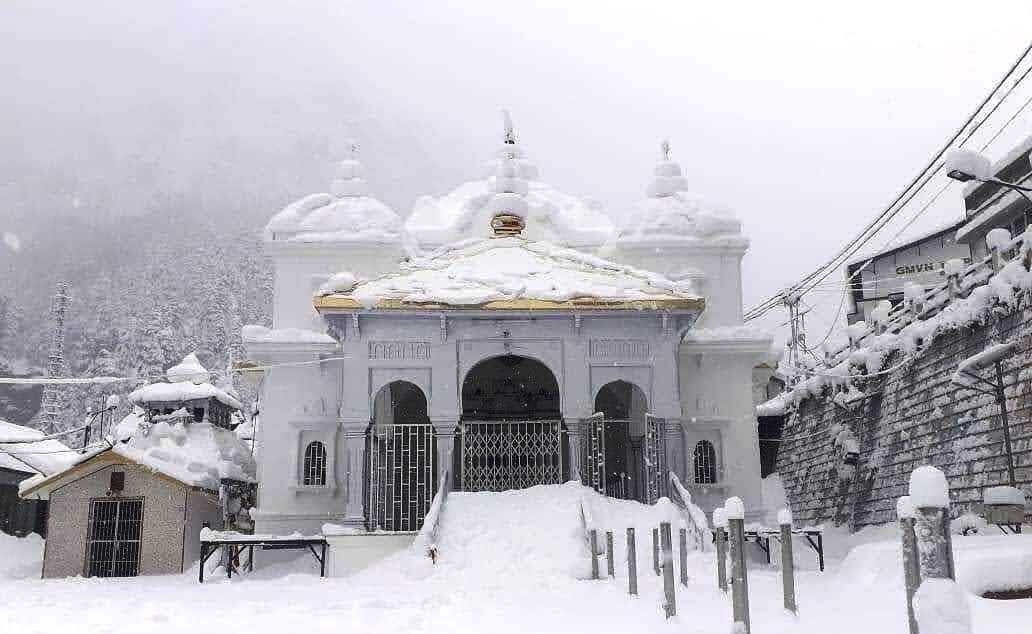
This seasonal rhythm of opening and closing is a testament to the resilience of Himalayan spirituality, acknowledging the supremacy of nature while ensuring the continuity of worship. The closure is not an abandonment of the deity but a relocation to a more sheltered environment where daily rituals can proceed without interruption.
The Sacred Procession: Maa Ganga’s Winter Journey
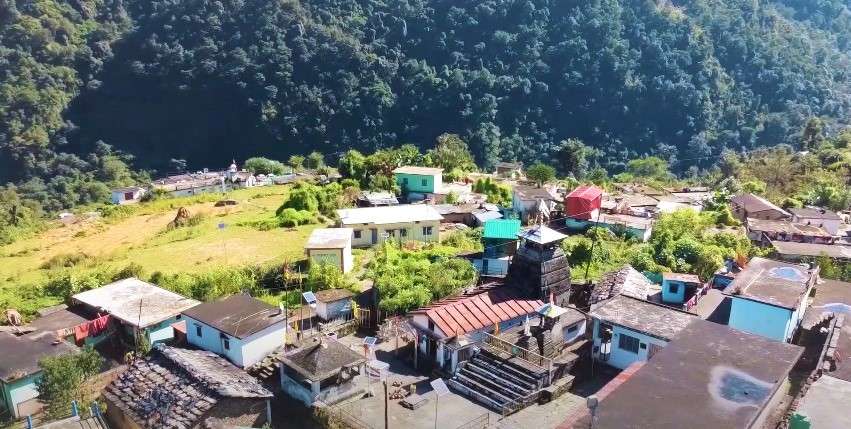
The most captivating and vital part of the closing ceremony is the majestic and moving procession of Maa Ganga’s doli (palanquin). This is not just the locking of doors; it is the ceremonial transport of the deity to her winter residence, a small, beautiful village called Mukhba (or Mukkhumath), located about 20 kilometers downstream near Harsil.
The Rituals of Departure:
- Vedic Chants and Puja: On the closing day, the priests perform elaborate and solemn pujas (worship rituals) and aarti (lamp ceremony) inside the temple for the last time before the long winter. This includes a final grand aarti and the locking of the sanctum sanctorum.
- The Deity’s Transfer: The Utsav Vigraha (processional idol) of Goddess Ganga is reverently lifted and placed inside a beautifully decorated palanquin. This moment is marked by emotional farewells from the priests and pilgrims present.
- The Grand Procession: Accompanied by the temple chief priest, a host of other priests (the Semwal family from Mukhba), the Army’s pipe band (a long-standing tradition), and hundreds of chanting devotees, the doli begins its pilgrimage downward. The atmosphere is a blend of sorrow for the parting and joy for the sacred journey.
- Halt at Bhairon Ghati: The procession typically halts for the night at the Bhairav Nath Temple in Bhairon Ghati, as Goddess Ganga must first seek the permission and blessings of Lord Bhairav (the region’s guardian deity) before descending to her winter seat.
- Arrival at Mukhba: The next day, the procession continues its journey to Mukhba village. The arrival is celebrated with great fanfare by the residents, who consider the goddess’s presence a tremendous blessing.
Mukhba: The Winter Home of Maa Ganga
Mukhba, nestled in the picturesque Harsil Valley, becomes the vibrant hub of Gangotri worship for the next six months. The village’s ancient Mukkhumath Temple serves as the winter seat (Shitkaalin Nivaas) for Maa Ganga. During this time, devotees can continue to offer their prayers and seek her blessings here. Mukhba holds immense spiritual significance, being known as Maa Ganga’s Maayka (mother’s home) in local tradition, and the continuation of the deity’s daily rituals ensures that the flow of grace remains unbroken despite the winter shutdown of the main temple.
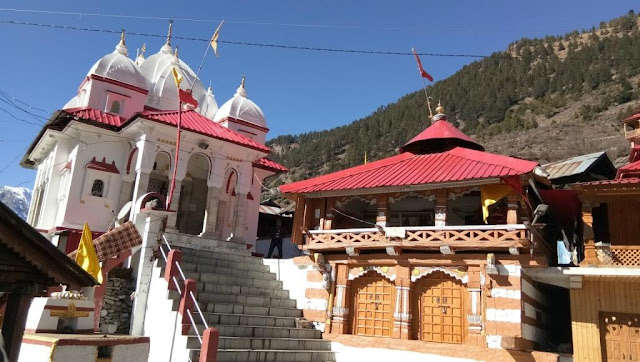
The Mukhba community, particularly the Semwal priests, plays a pivotal role. Their ancestors were entrusted with the responsibility of maintaining the temple’s sanctity and continuity of worship, a duty they fulfill with unwavering devotion year after year, transporting the deity up and down the mountain in a cyclical journey that embodies the very essence of the Char Dham tradition.
The Deeper Significance of the Closing
The annual closing ceremony is more than just a date; it is a profound cultural and spiritual event:
- A Symbol of Cyclic Existence: It represents the natural cycle of life, rest, and renewal, reflecting the belief that the divine also participates in the seasonal rhythm of the Himalayas. The closure prepares the deity and the temple for a period of repose before the energy of the mountains awakens anew in spring.
- Historical Continuity: The tradition of shifting the deity to a lower altitude has been practiced for centuries, ensuring that the local inhabitants and priests can sustain the daily worship when the main temple is snowbound and inaccessible.
- Spiritual Climax: For the pilgrims, the closure marks the completion of their sacred Char Dham Yatra. Witnessing the doli procession is often considered a great blessing, symbolizing a final, deeply personal connection with the Goddess before she retreats into the Himalayan silence.
In essence, the closing date of Gangotri Temple is not an endpoint but a sacred interlude—a moment of transition that honors the fierce grandeur of the mountains, upholds ancient ritual, and confirms the unending devotion to Maa Ganga until the time of the great spring awakening.
Fequenlty Asked Question (FAQ’S)
When does Gangotri Temple close in 2025?
Gangotri Temple usually closes in late October on the day of Diwali, following the traditional Hindu calendar and temple rituals.
Why does Gangotri Temple close every year?
The temple closes due to heavy snowfall and extreme cold in the Himalayas, making the region unsafe for pilgrims during winter.
Where is Goddess Ganga worshipped after the temple closes?
After closure, the idol of Goddess Ganga is moved to Mukhba Village, the winter abode near Harsil, where daily prayers continue.
Can tourists visit Gangotri after the closing date?
No, the temple remains closed in winter, but visitors can visit Mukhba to offer prayers to Goddess Ganga during this time.
Who announces the Gangotri Temple closing date each year?
The official closing date is announced by the Gangotri Temple Committee based on the Hindu Panchang and local traditions.