
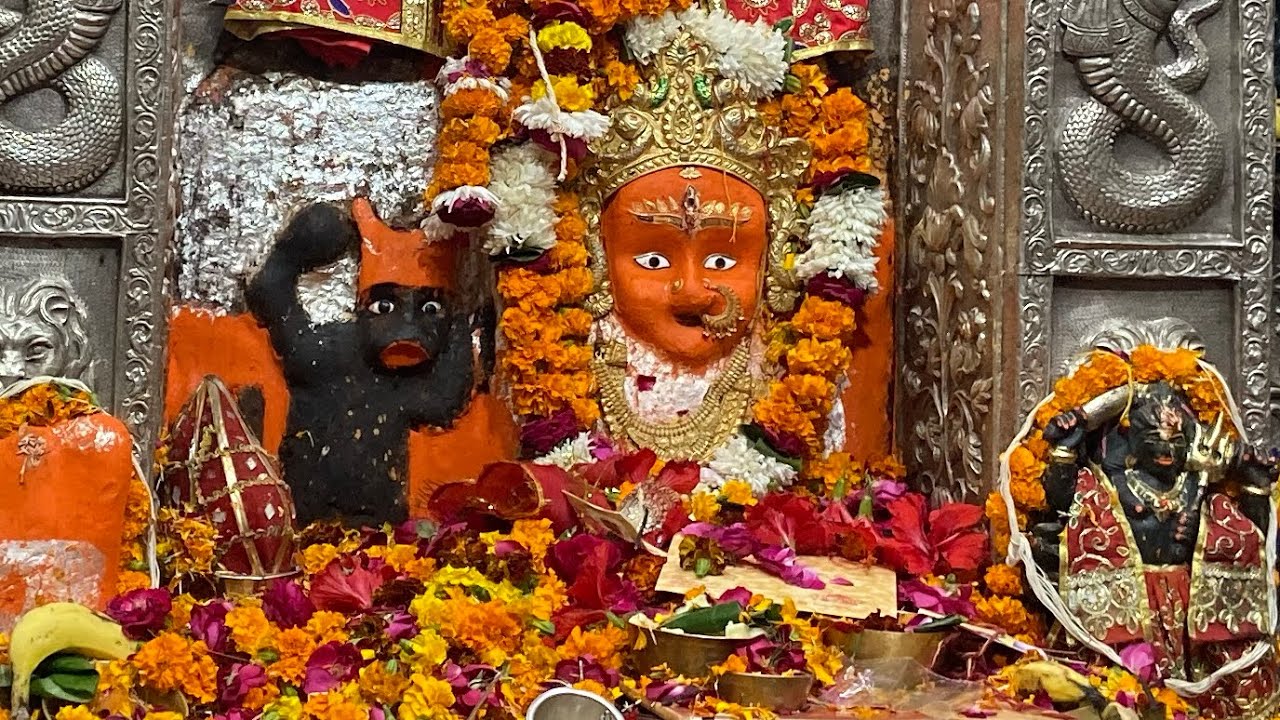
Haridwar, one of the holiest cities in India, is a gateway to the Char Dham Yatra and a center for spiritual devotion along the Ganga River. Among its sacred landmarks, Mansa Devi Temple stands out as a revered Shakti Peeth, attracting thousands of devotees seeking the blessings of Ma Shakti.
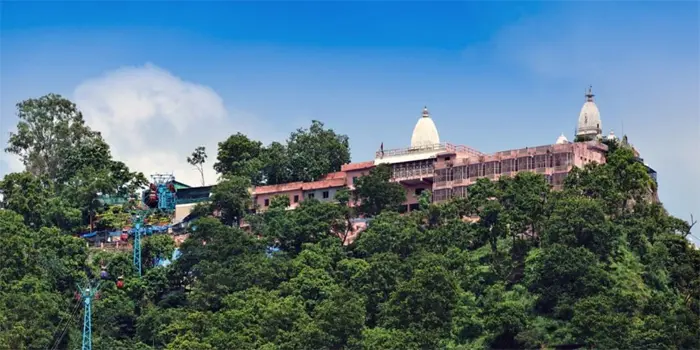
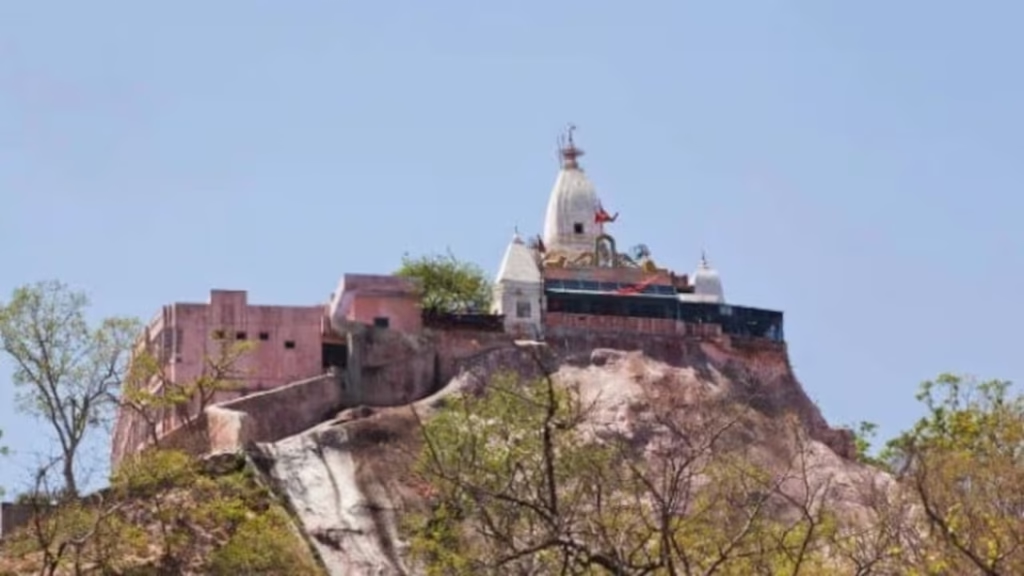
Perched atop the Bilwa Parvat (Bilwa Hill), Mansa Devi Temple offers panoramic views of Haridwar and the holy river. The temple is a symbol of faith, devotion, and divine energy, drawing visitors not only from India but across the world.
Historical and Mythological Significance
Mansa Devi is worshiped as a form of Goddess Shakti, believed to fulfill wishes and protect devotees from evil forces. According to legends:
- Mansa Devi emerged from the mind of Lord Shiva, symbolizing the goddess of wish fulfillment.
- The temple is part of the 51 Shakti Peethas, sacred spots where parts of Goddess Sati’s body are believed to have fallen.
- Devotees believe that prayers offered here are answered, especially those related to health, prosperity, and protection from negative influences.
Mansa Devi is often worshiped alongside Chandi Devi Temple, located on Neel Parvat, forming a spiritual duo overlooking Haridwar. Together, these temples create a sacred landscape of devotion and divine energy.
Temple Architecture and Layout
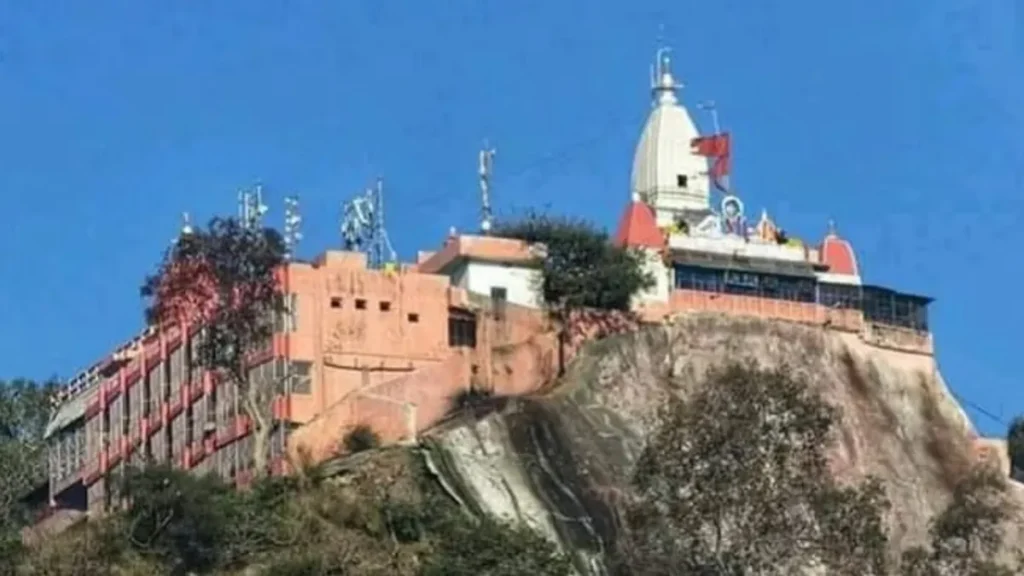
The temple architecture reflects traditional North Indian styles combined with the natural beauty of the hills:
- Sanctum Sanctorum (Garbhagriha): Houses the idol of Goddess Mansa Devi, adorned with flowers, garlands, and sacred symbols.
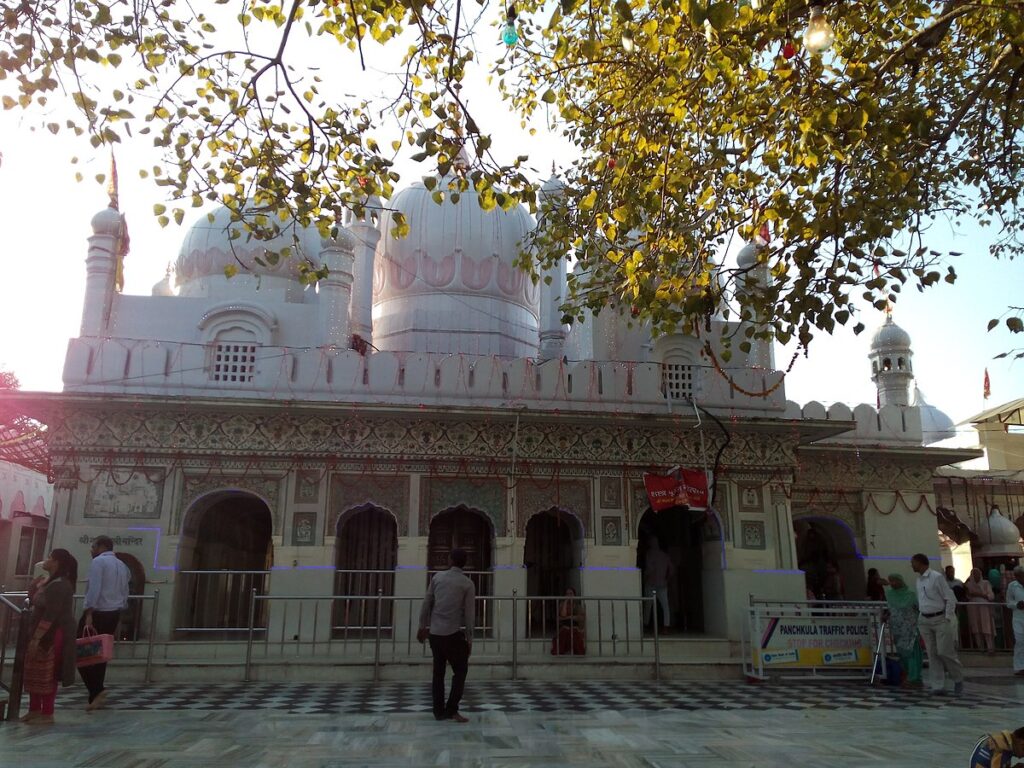
- Mandap and Courtyard: Devotees gather here for rituals, aartis, and offerings.
- Scenic Surroundings: The temple is set atop Bilwa Hill, providing panoramic views of Haridwar, the Ganga ghats, and surrounding Himalayan foothills.
- Access: A ropeway (cable car) allows easy access, while pilgrims can also choose to trek uphill for a spiritual experience.
The hilltop location enhances the serene and meditative atmosphere, making it ideal for spiritual practices and quiet reflection.
Devotional Practices and Rituals
Mansa Devi Temple is active throughout the year, with rituals and devotional practices that attract pilgrims of all ages:
- Daily Aarti: Morning and evening aartis are performed to honor the goddess.
- Special Offerings: Devotees offer coconuts, flowers, sweets, and coins as prasad.
- Festivals: Navratri is the most significant festival, when thousands of devotees gather for nine days of continuous worship.
- Wish Fulfillment: Many devotees tie threads or hang bells as a symbol of their wishes, believing that the goddess will bless their intentions.
The temple’s spiritual energy is palpable, with devotees often meditating and chanting mantras while overlooking the city below.

Significance of Visiting Mansa Devi Temple
Pilgrims and visitors consider Mansa Devi Temple a place for:
- Divine Blessings: Seeking protection, prosperity, and spiritual guidance.
- Fulfillment of Wishes: Devotees believe that heartfelt prayers are granted here.
- Spiritual Cleansing: The temple’s elevated location and peaceful surroundings create a sense of inner peace and purification.
- Cultural Insights: Visitors experience Haridwar’s religious traditions, rituals, and local customs.
Mansa Devi Temple is a must-visit destination for pilgrims undertaking the Char Dham Yatra, as well as tourists exploring the spiritual heart of Uttarakhand.
How to Reach Mansa Devi Temple
By Road:
Haridwar is well-connected by road to major cities like Delhi, Dehradun, and Rishikesh. Local taxis and buses provide direct access to the base of Bilwa Parvat.
By Train:
Haridwar Railway Station is well-linked to Delhi, Mumbai, and other cities, making it convenient for pilgrims arriving by train.
By Air:
The nearest airport is Jolly Grant Airport, Dehradun, about 35 km away. From there, taxis and buses can take you to Haridwar.
Access to the Temple:
- Ropeway (Cable Car): Offers a scenic and comfortable way to reach the hilltop temple.
- Trekking Path: Devotees who prefer a spiritual journey often trek uphill, which takes around 30–40 minutes from the base.
Nearby Attractions in Haridwar
While visiting Mansa Devi Temple, you can explore:
- Chandi Devi Temple: Located on Neel Parvat, accessible via ropeway or trekking.
- Har Ki Pauri: Iconic ghat on the Ganga, famous for evening Ganga Aarti.
- Shantikunj: Spiritual center promoting yoga, meditation, and Vedic teachings.
- Bharat Mata Mandir: Multi-story temple showcasing Indian culture and history.
- Local Markets: Streets near Har Ki Pauri offer religious items, handicrafts, and souvenirs.
Best Time to Visit
Visiting Mansa Devi Temple is ideal during moderate weather months for a comfortable pilgrimage:
- Spring (March to May): Pleasant weather, ideal for trekking and sightseeing.
- Autumn (September to November): Clear skies and comfortable temperatures; perfect for photography and evening Ganga Aarti.
- Monsoon (July to August): Scenic hills and rivers, though heavy rainfall may affect trekking.
- Winter (December to February): Cold weather, quieter crowds, and peaceful surroundings for meditation and spiritual reflection.
For pilgrims seeking festive energy, Navratri is the best time, while solo travelers or couples may prefer spring or autumn for a more serene experience.
FAQs for Mansa Devi Temple
1. Why is Mansa Devi Temple famous?
Mansa Devi Temple is a revered Shakti Peetha dedicated to Goddess Mansa, known for fulfilling devotees’ wishes and spiritual blessings.
2. Where is Mansa Devi Temple located?
It is located atop Bilwa Parvat in Haridwar, Uttarakhand, overlooking the holy Ganga River.
3. What is worshipped at Mansa Devi Temple?
The temple worships Goddess Mansa (Shakti), symbolizing protection, prosperity, and fulfillment of wishes.
4. What are the temple timings?
The temple generally opens from 6:00 AM to 9:00 PM, with special aarti in the morning and evening.
5. Is photography allowed inside Mansa Devi Temple?
Photography is restricted inside the sanctum, but allowed in the surrounding temple area.
6. What is the significance of Mansa Devi as a Shakti Peetha?
It is believed to be a site where Goddess Mansa manifests divine energy, granting blessings to devotees.
7. How can I reach Mansa Devi Temple?
The temple can be reached via ropeway from Haridwar city or by trekking up the hill. Local taxis and buses are also available.
8. Are there any special rituals at Mansa Devi Temple?
Yes, aarti, pujas, and special offerings are performed, especially during Navratri and other festivals.
9. Is there accommodation near Mansa Devi Temple?
Yes, Haridwar offers hotels, guesthouses, and dharamshalas suitable for pilgrims.
10. What is the best time to visit Mansa Devi Temple?
October to March is ideal for pleasant weather and comfortable pilgrimage, avoiding monsoon rains.

One thought on “Mansa Devi Temple Haridwar – History & Darshan Guide”