
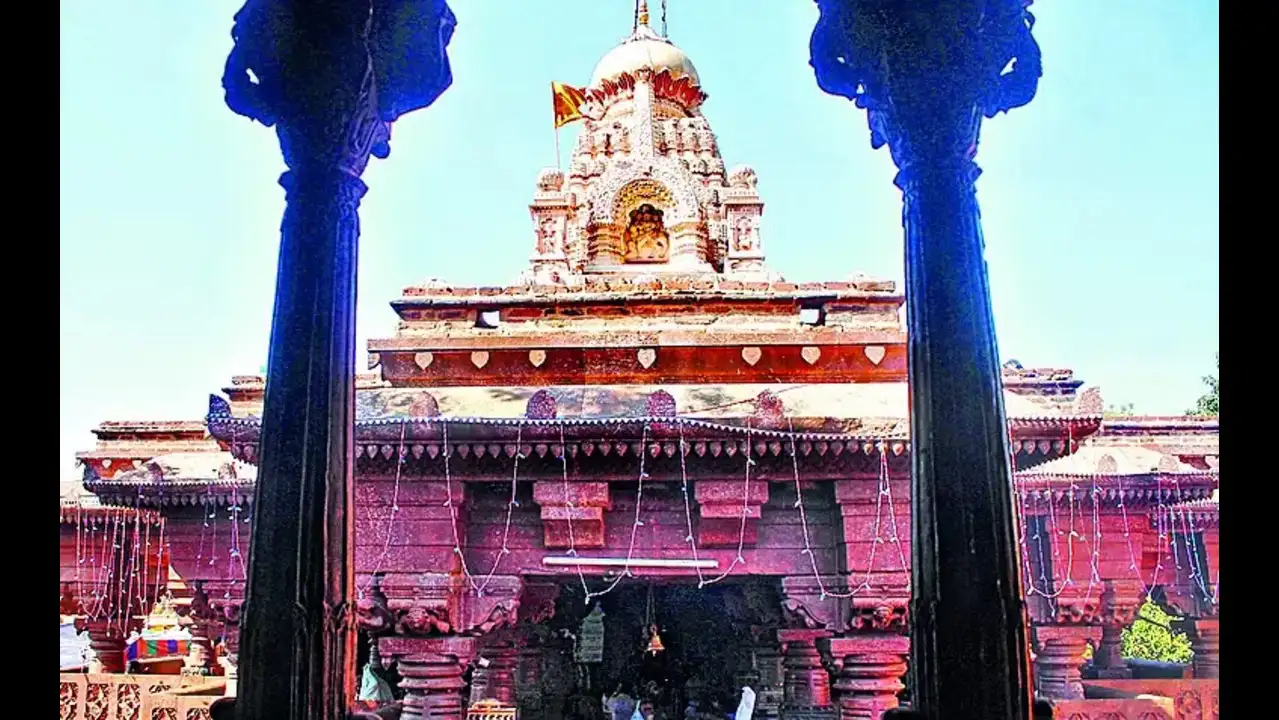
I’ll be honest when I first heard about Grishneshwar Temple, I didn’t think much of it. The name sounded ancient, sure, but so do a lot of temples in India. And honestly, I was already planning a trip to Ellora Caves, which everyone raves about (rightfully so), and Grishneshwar was just kind of… there. Nearby. Like an afterthought. “Oh, by the way, there’s this temple close to the caves. You might want to swing by.”
I almost didn’t. But something made me pause. Maybe it was the way the guy at the guesthouse said it — not with excitement, but with a quiet reverence. Like he wasn’t trying to sell me on it. Just stating a fact. So I went. And let me tell you, sometimes the places you don’t expect end up staying with you the longest.
Why Grishneshwar Temple Feels Different
It’s not the biggest temple I’ve seen. Not the most ornate. Not even the oldest, technically. But there’s something about the air there. A stillness. Not silence — there’s plenty of noise, actually. Priests chanting, kids laughing, the clink of bells, the rustle of saris against stone. But beneath it all, there’s this low hum, like the earth itself is breathing.
I walked in just after sunrise. The morning light was soft, golden, hitting the stone walls at just the right angle to make the carvings glow. I wasn’t in a spiritual headspace. I was tired. I’d woken up early, skipped breakfast, and was running on chai and curiosity. But the moment I stepped through that entrance, something shifted.
It wasn’t dramatic. No sudden visions or deep realizations. Just a quiet sense of, Oh. I’m somewhere important.
And I wasn’t alone in feeling it. I watched a woman in a bright yellow sari touch her forehead to the cool stone floor near the sanctum. A man sat cross-legged, eyes closed, whispering prayers. A group of tourists snapped photos, but even they lowered their voices after a few minutes. There was no one telling them to be quiet. They just… did.
That’s the thing about Grishneshwar. It doesn’t demand reverence. It earns it.
The Jyotirlinga Connection — What It Really Means
So here’s the part where I admit I didn’t know what a Jyotirlinga was until I started researching this temple. I’d heard the word, sure. Seen it on temple signs. But I never really looked into it.
Turns out, Grishneshwar is one of the twelve Jyotirlingas — sacred shrines dedicated to Lord Shiva, believed to be self-manifested pillars of light. That’s a big deal in Hindu tradition. These aren’t just temples. They’re considered especially powerful, places where the divine is said to have appeared in pure form.
Honestly, I didn’t expect that. I mean, I knew Shiva was important, but I didn’t realize how central these twelve sites are to millions of devotees. Pilgrims travel for weeks, sometimes months, just to visit all twelve. And Grishneshwar is one of them. The last one, actually, in some traditions. Which kind of makes it feel like a destination — not just geographically, but spiritually.
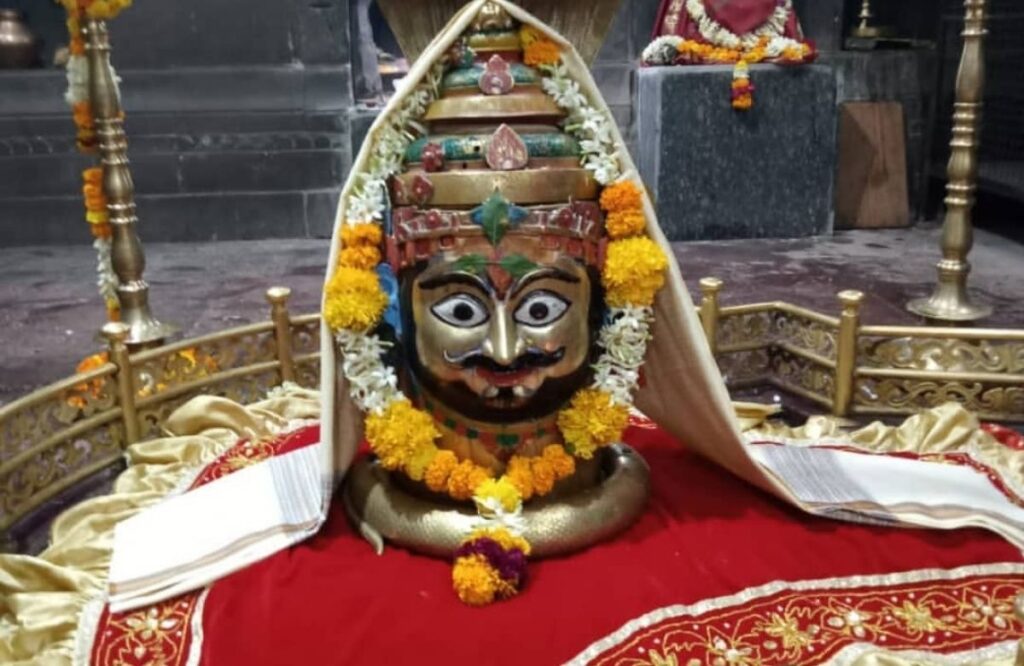
I stood near the lingam for a long time. It’s bathed in oil and flowers, glowing under flickering lamps. The scent of sandalwood and marigolds hung thick in the air. I’m not religious, not in the traditional sense. But I could feel it — whatever “it” is. Energy. Presence. Call it what you want. It was there.
And the rituals — they’re beautiful. Simple, repetitive, almost meditative. The priest performs the abhishekam, pouring milk, honey, and water over the lingam. Bells ring. Mantras echo off the stone. It’s not a show. It’s a practice. A rhythm that’s been going on for centuries.
I asked a priest later — quietly, not wanting to interrupt — if the rituals ever feel routine to him. He smiled and said, “Routine is how we stay connected. Like breathing. You don’t think about it, but you do it every day because it keeps you alive.”
That stuck with me.
The Architecture — More Than Just Stone
Now, I’m not an architect. I can’t tell you the exact style or the technical terms for all the carvings. But I know beauty when I see it. And Grishneshwar is full of it.
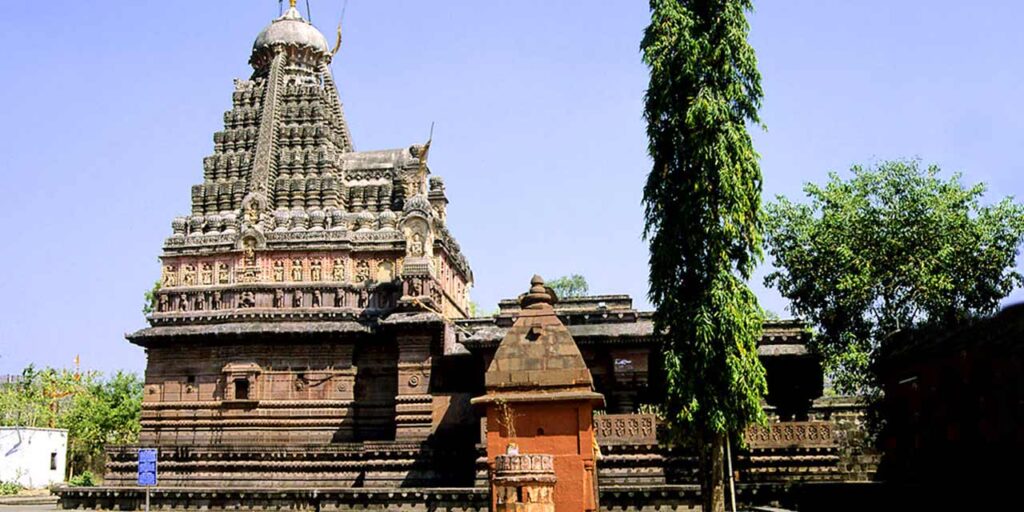
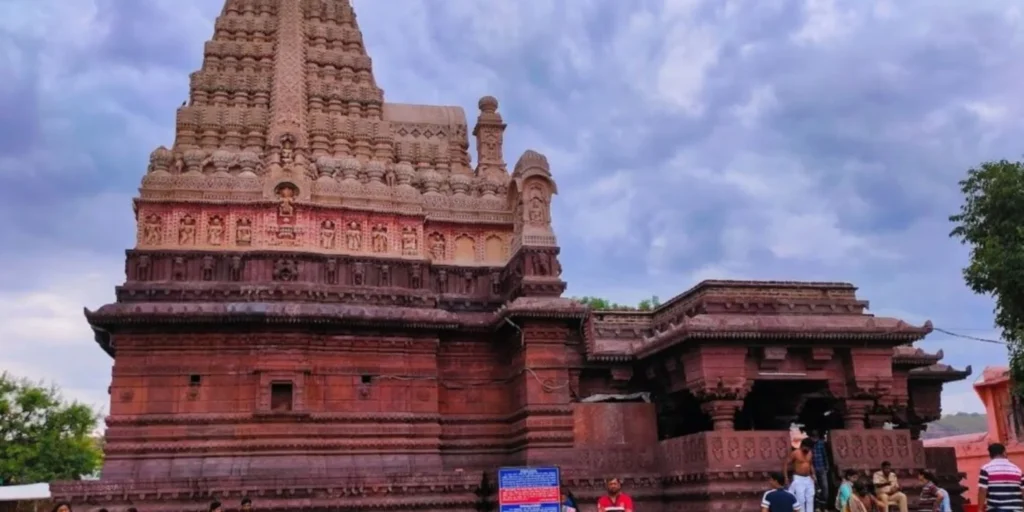
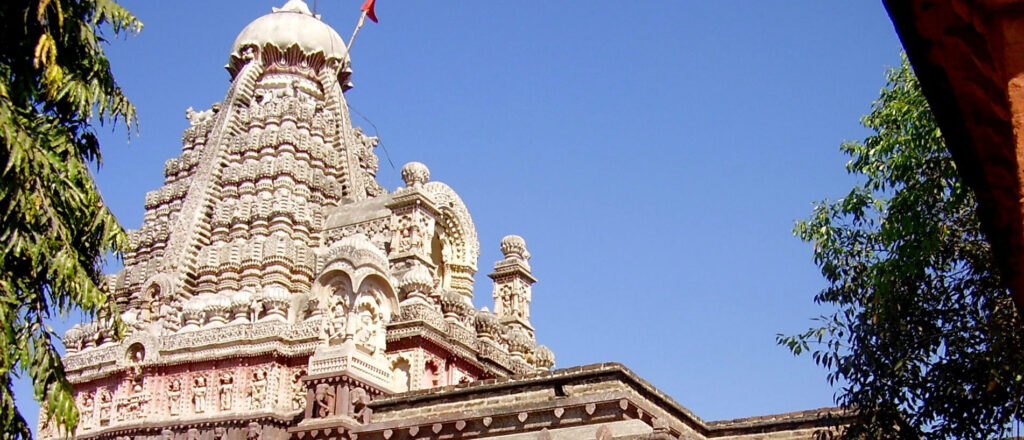
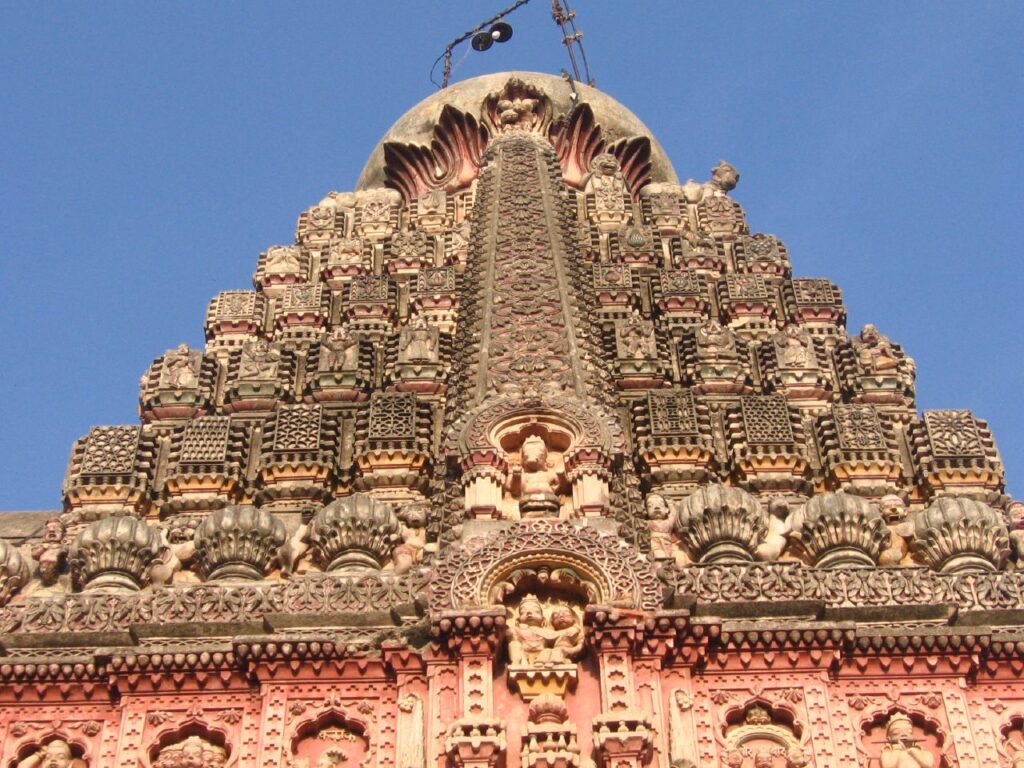
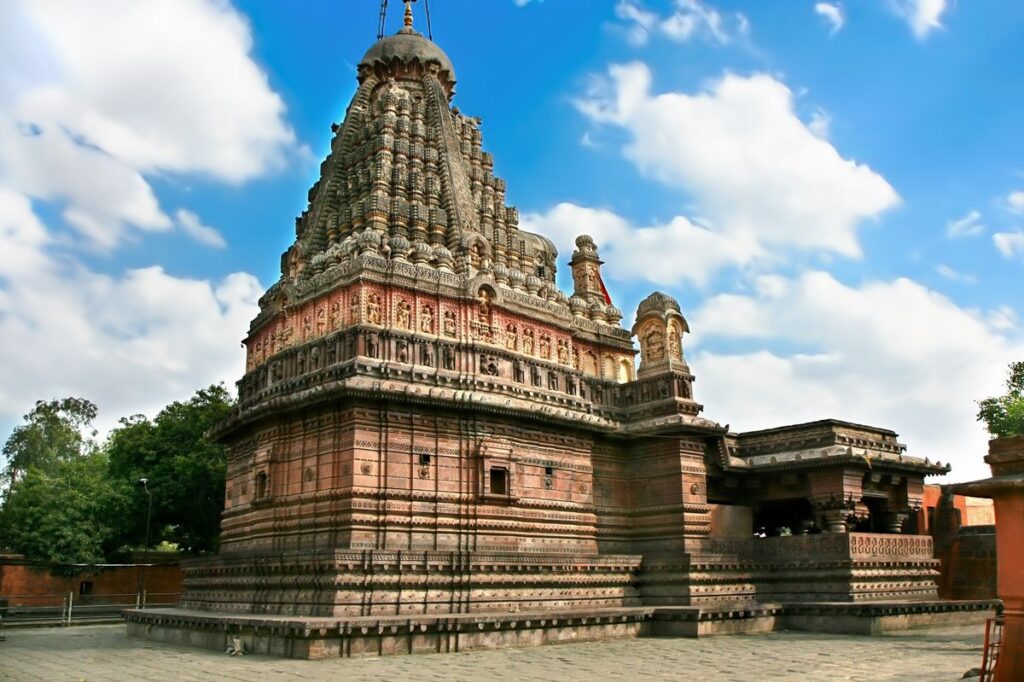
The temple is relatively small compared to some of the massive complexes you see in South India. But every inch is packed with meaning. The outer walls are covered in intricate carvings — gods, goddesses, dancers, animals, celestial beings. I spent a good ten minutes just tracing the patterns with my eyes.
There’s a scene of Nataraja — Shiva as the cosmic dancer — frozen mid-movement. His limbs flow like water, surrounded by flames. I swear, the longer I looked, the more I felt like he was about to start dancing again.
Then there’s Ganesha, carved into a corner like he’s guarding the place. And Parvati, serene, seated beside a lotus pond that’s not really there — just imagined in stone.
What’s wild is how much detail there is. Tiny faces. Delicate flowers. Even the jewelry on the deities is carved with precision. I kept thinking — who spent their life doing this? How many hands, how many years, went into making something so perfect that most people walk past without even noticing?
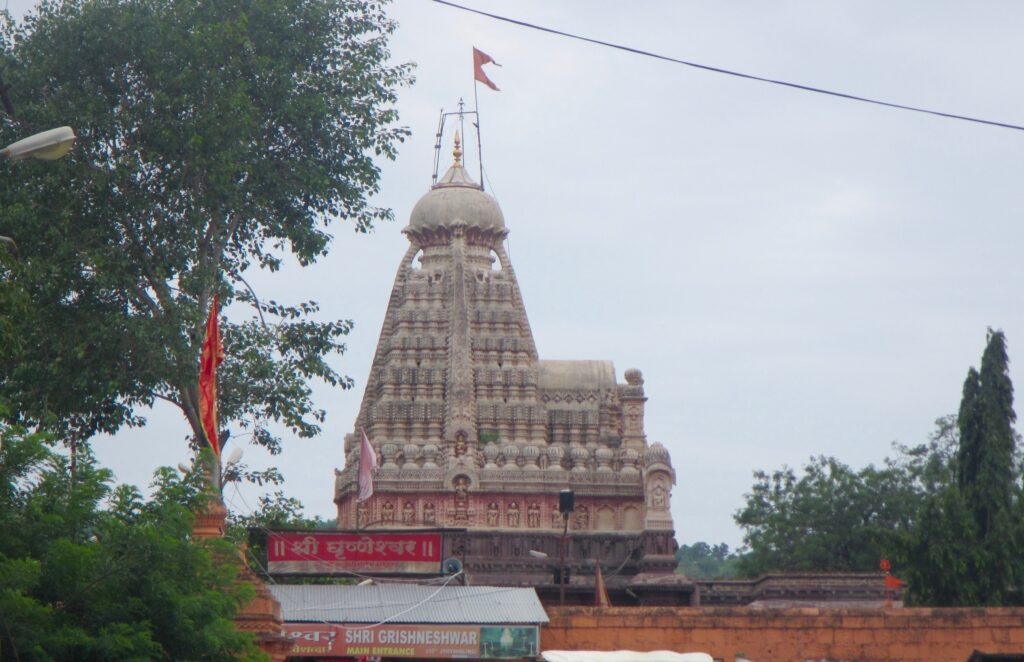
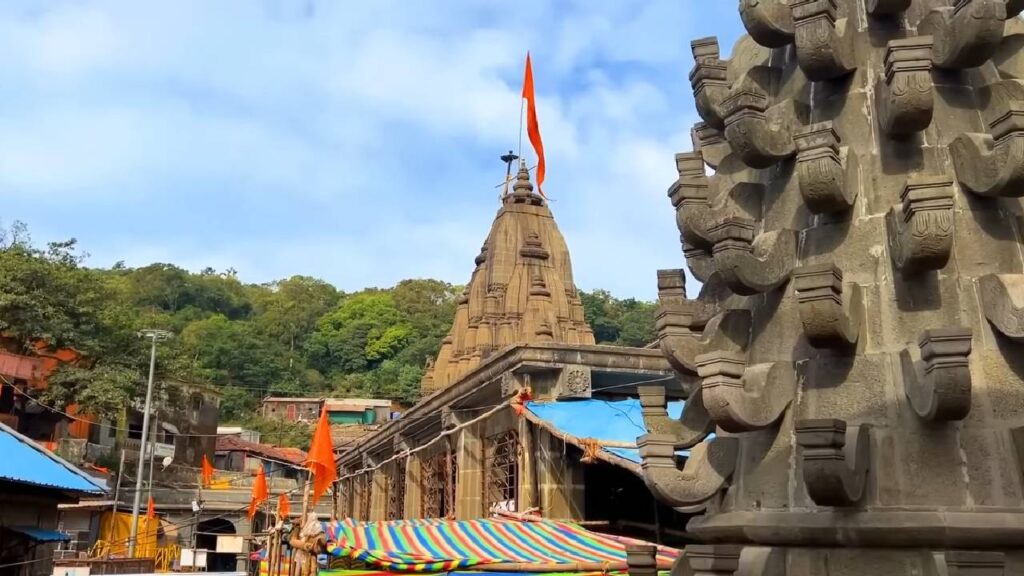
The temple follows a classic Maratha-style design, with a five-tiered shikhara (spire) rising above the sanctum. It’s not towering like some North Indian temples, but it’s elegant. Balanced. Like it belongs exactly where it is.
Inside, the layout is simple. A main hall, a few smaller shrines, and the sanctum at the center. But the flow feels natural. You move from one space to the next without feeling rushed. There’s room to pause. To breathe. To just be.
And the stone — oh, the stone. It’s red basalt, same as the Ellora caves. Warm. Earthy. When the sun hits it in the late afternoon, it glows like embers. I saw it happen. Just for a few minutes. And it was magical.
The Stories Behind the Stones
Every temple has legends. Grishneshwar is no different. But this one? Its story hit me harder than I thought it would.
It’s about a woman named Kusuma. She was a devout Shiva worshipper, lived near the temple site centuries ago. Every day, she’d make eleven small lingams out of mud from the nearby lake, worship them, and then dissolve them back into the water. Eleven, not twelve. Because she wanted to leave one space for Shiva himself.
One day, her neighbor — jealous or just cruel, depending on who you ask — destroyed the lingams before she could complete her ritual. Kusuma was heartbroken. She prayed, wept, begged Shiva to forgive her for failing her devotion.
And then — according to the legend — Shiva appeared. Right there. And said, “Your devotion is real. This place will be sacred forever.”
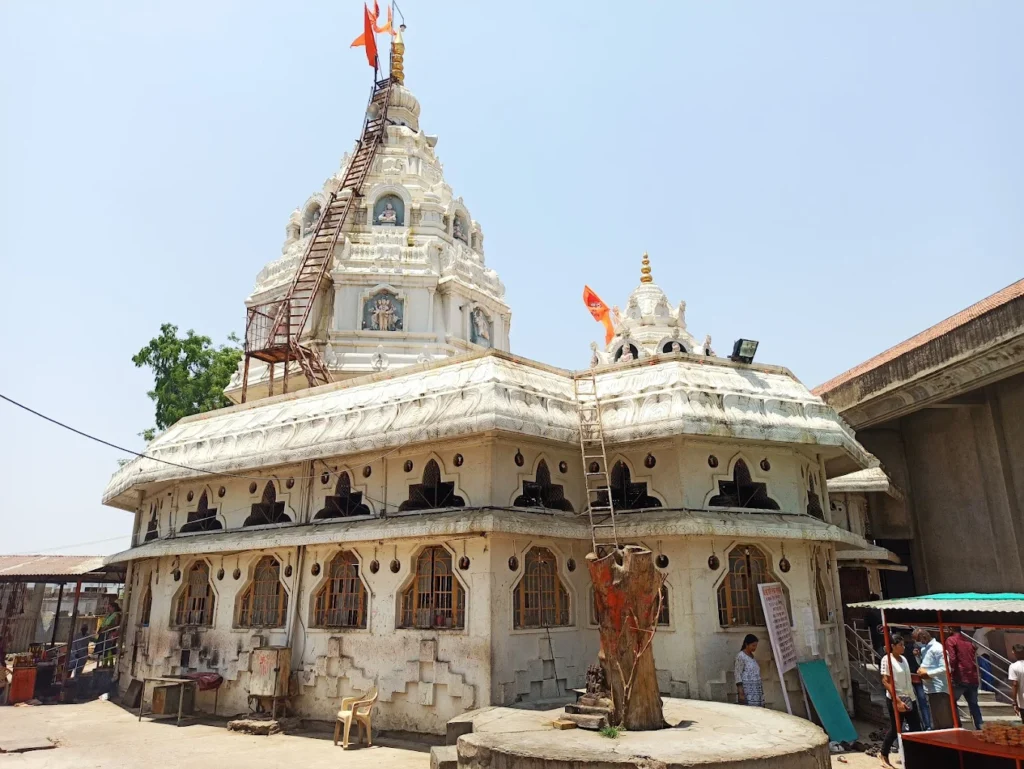
That’s how Grishneshwar came to be. The name means “Lord of Compassion.” And honestly, that story — simple, human, full of longing — made the whole place feel more real to me.
I stood near the lake where Kusuma supposedly collected her mud. It’s small now, mostly dry. Kids were playing nearby. A few ducks waddled through the reeds. It didn’t look like a holy site. But knowing the story changed how I saw it.
That’s the thing about places like this. The physical space is one thing. But the stories? They’re what give it soul.
What to Expect When You Visit
If you’re thinking of going — and you really should — here’s what it’s actually like. No sugarcoating.
First, it’s not a quiet, secluded retreat. It’s a living, breathing temple. People come to pray, to celebrate, to grieve, to hope. It’s busy, especially in the mornings and evenings. But it’s not chaotic. There’s a rhythm to the chaos.
You’ll need to remove your shoes before entering. There’s a rack outside, and someone usually keeps an eye on them. I left mine with a guy who nodded and said, “Five minutes,” like he’d done it a thousand times. (He probably has.)
The darshan line moves pretty fast. Unlike some temples where you wait for hours, here it’s maybe ten to fifteen minutes, even on busy days. The priests are efficient but not rushed. They make space for everyone.
And yes, there are vendors. Flower sellers, milk sellers, people offering prasad. You don’t have to buy anything. But if you want to participate — offer a flower, pour a little milk on the lingam — it’s easy to do.
Here’s a quick list of things to know before you go:
- Best time to visit: Early morning (6–8 AM) or late afternoon (4–6 PM). The light is beautiful, and it’s less crowded.
- Dress modestly: Shoulders and knees covered. Most people wear traditional clothes, but decent casual wear is fine.
- Photography: Allowed in most areas, but not inside the sanctum. Be respectful.
- No shoes inside: Obvious, but worth repeating.
- Free entry: Yes, really. No tickets, no fees. Donations are welcome but not required.
- Nearby food: There are small stalls outside selling chai, snacks, and fresh coconut water. Nothing fancy, but refreshing after a walk.
- Accessibility: The temple has some steps, so it might be tricky for those with mobility issues. But staff are usually helpful.
The Ellora Connection — Why You Should Visit Both
Let’s be real — most people come to this area for Ellora Caves. And they should. Those caves are mind-blowing. Carved out of solid rock, with temples, monasteries, and artwork that’ll make your jaw drop.
But here’s the thing — Ellora feels like a museum. In the best way. It’s preserved, studied, admired. You walk through it with a sense of awe, like you’re witnessing history.
Grishneshwar feels alive. It’s not frozen in time. It’s happening now. People are praying. Rituals are unfolding. Life is moving through it.
Visit both. Not because you have to, but because together, they tell a fuller story. Ellora shows you the past — the skill, the devotion, the artistry of another era. Grishneshwar shows you how that devotion continues.
I did both in one day. Started with Ellora in the morning. Spent hours climbing through caves, staring at carvings that made me feel tiny. Then walked over to Grishneshwar in the late afternoon.
And the contrast? Powerful.
At Ellora, I felt like a visitor. At Grishneshwar, I felt like a guest.
The People — What Makes It Real
You know what surprised me most? Not the architecture. Not the history. Not even the spiritual vibe.
It was the people.
An old man sat near the entrance, feeding pigeons. He had a small bag of grain and a gentle smile. When I sat nearby, he offered me some. We didn’t speak much — he didn’t know English, I didn’t know Marathi — but we shared that moment. Tossing grain, watching birds flutter down.
A mother helped her little daughter tie a thread around a sacred tree. The girl kept giggling, but the mom was serious, whispering a prayer. Later, the same girl ran up to me and handed me a marigold. Just like that. No reason. Just joy.
A priest noticed I was alone and motioned for me to come closer during the evening aarti. He didn’t say anything. Just made space. And for a few minutes, I stood there, watching the flames, listening to the chants, feeling like I belonged — even though I didn’t know the words.
That’s the thing about Grishneshwar. It doesn’t care if you’re a believer or a tourist or somewhere in between. It just… welcomes you.
And that’s rare.
A Few Little Details That Matter
There’s a stepwell near the temple. Not huge, not Instagram-famous. But it’s peaceful. Water still flows there, and people use it for ritual baths. I saw a woman washing her sari, another filling a pot. It felt timeless.
There’s also a small garden with peepal and banyan trees. Shade is welcome — Maharashtra gets hot, especially in summer. I sat there for a bit, sipping coconut water from a roadside vendor. The coconut was fresh, the straw a little flimsy, the taste perfect.
And the sound. I keep coming back to the sound. Not just the chants, but the background hum — the rustle of leaves, the distant call of a temple horn, the murmur of conversations in Marathi and Hindi. It’s not silence. But it’s peaceful.
Why It Stuck With Me
I’ve been to grander temples. More famous ones. Places with longer lines, bigger crowds, more glitter.
But Grishneshwar? It got under my skin.
Maybe it’s because it doesn’t try to impress. It just is. Ancient, yes. Sacred, absolutely. But also simple. Human.
You don’t have to believe in Shiva to feel something there. You don’t have to know the stories or follow the rituals. You just have to be open.
And maybe that’s the real magic. Not the miracles or the legends, but the quiet way it reminds you to slow down. To notice. To be present.
I left with a marigold in my pocket. Dried now, pressed between the pages of a book. Silly, maybe. But it’s a reminder.
Of a morning light on red stone.
Of a priest’s quiet smile.
Of a little girl’s laughter.
Of a story about devotion and compassion.
Grishneshwar isn’t just a temple.
It’s a feeling.
And honestly, I didn’t expect that.
STips for Readers
If you’re planning a trip to Maharashtra or exploring India’s spiritual sites, Grishneshwar Temple is a must-visit. Here’s how to make the most of it — and why it matters for your travel plans.
Why Grishneshwar Temple is Worth the Visit
- One of the 12 Jyotirlingas, making it a key pilgrimage site
- Located just 1 km from Ellora Caves, perfect for a combined trip
- Open year-round with no entry fee
- Rich in history, mythology, and architectural beauty
- Ideal for both spiritual seekers and cultural travelers
Best Time to Visit Grishneshwar Temple
- Winter (October to February): Pleasant weather, ideal for sightseeing
- Monsoon (June to September): Lush greenery, fewer crowds
- Summer (March to June): Hot, but early mornings are manageable
Nearby Attractions
- Ellora Caves (UNESCO World Heritage Site)
- Ajanta Caves (2-hour drive)
- Bibi Ka Maqbara (Aurangabad)
- Daulatabad Fort
Travel Tips
- Stay in Aurangabad and take a taxi or auto-rickshaw to the temple
- Combine your visit with a morning tour of Ellora Caves
- Carry water, sunscreen, and a hat if visiting in summer
- Respect local customs — dress modestly and follow temple rules
FAQs on Grishneshwar Temple:
- Where is Grishneshwar Temple located?
It is located in Ellora, near Aurangabad, Maharashtra, close to the famous Ellora Caves. - Why is Grishneshwar Temple famous?
It is revered as the 12th and final Jyotirlinga of Lord Shiva, making it a significant pilgrimage site. - Who built the Grishneshwar Temple?
The temple was rebuilt in the 18th century by Ahilyabai Holkar, the queen of Indore. - What is the legend of Grishneshwar Temple?
The temple is linked to the story of Kusumeswar and Ghushmeswar, devotees of Lord Shiva, symbolizing faith and devotion. - What is the best time to visit Grishneshwar Temple?
The winter season (October to February) is best for comfortable travel and darshan. - Is there any dress code for visiting the temple?
Yes, men are required to go bare-chested while entering the Garbhagriha for darshan. - Can women enter the sanctum of Grishneshwar Temple?
Unlike some temples, women are allowed to enter the sanctum and offer prayers. - How far is Grishneshwar Temple from Ellora Caves?
It is just 0.5 km away, making it convenient to visit both places together. - Is photography allowed inside Grishneshwar Temple?
No, photography is strictly prohibited inside the temple premises. - How to reach Grishneshwar Temple?
The temple is around 30 km from Aurangabad city, which is well connected by road, rail, and airport.

2 thoughts on “Grishneshwar Temple – Last Jyotirlinga of Lord Shiva in India”