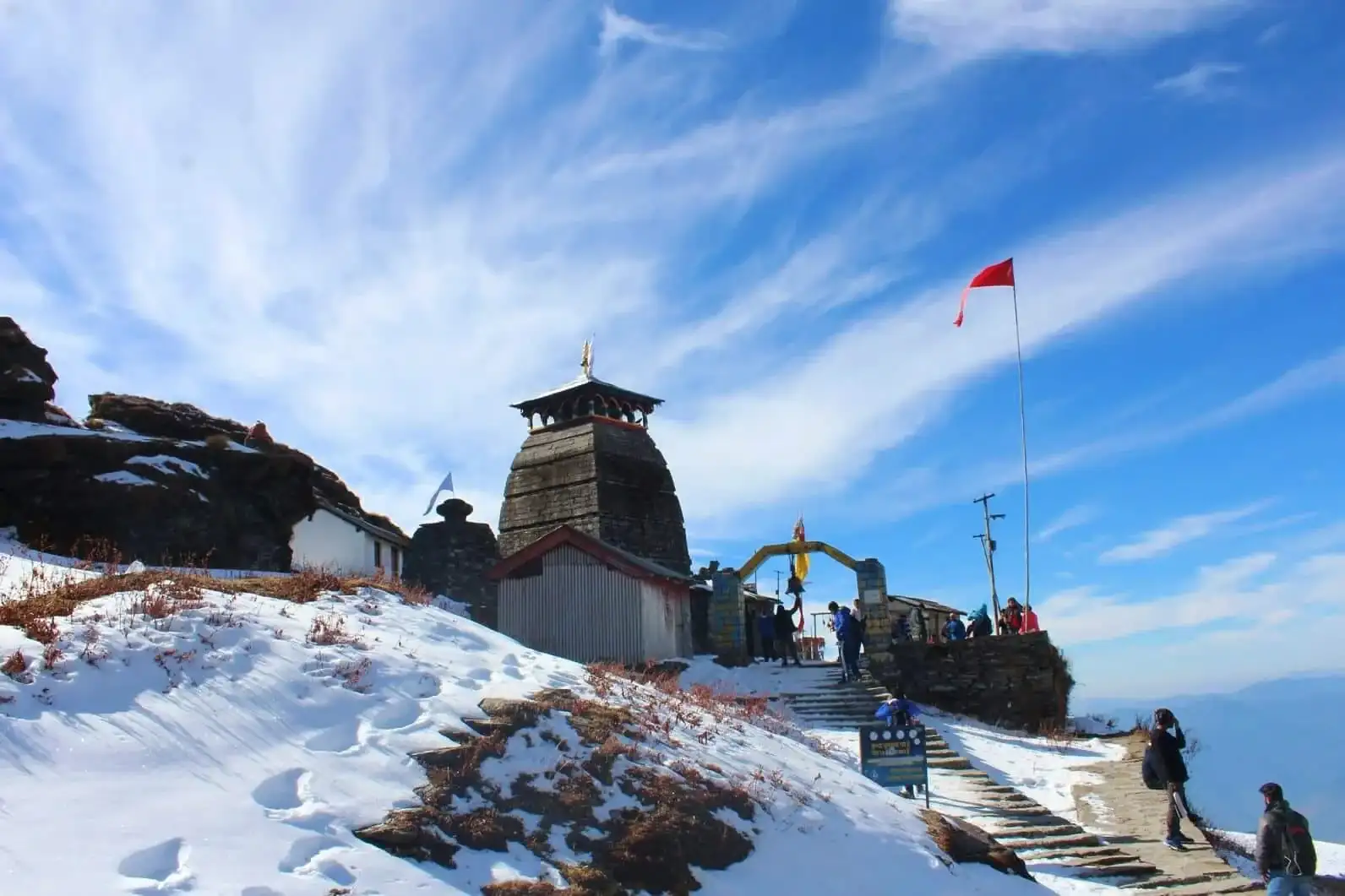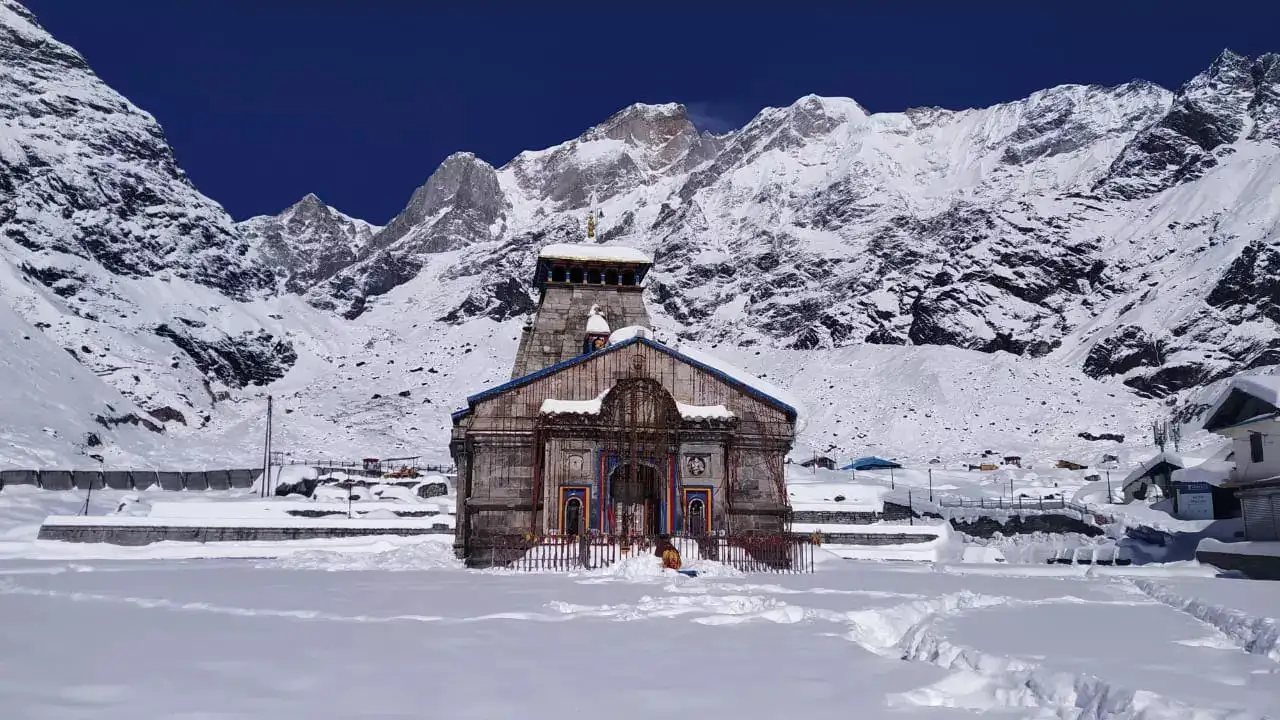
Planning a journey to the Garhwal Himalayas for the Char Dham Yatra is a significant undertaking, especially for families and elderly pilgrims. In 2026, the Yatra is expected to see a high volume of devotees, making early preparation essential. Selecting a Char Dham Tour Package 2026 is not just about booking a vehicle and hotels; it is about ensuring a managed environment where logistics, medical safety, and registration are handled by people who understand the terrain.
The high-altitude environment of Uttarakhand is unpredictable. Roads can be narrow, weather can shift in minutes, and physical exhaustion is a real factor for even the fittest travelers. Starting your planning now for the 2026 season allows you to secure better hotel locations closer to the temples and gives you the best chance at securing helicopter slots, which remain the most difficult part of the planning process.
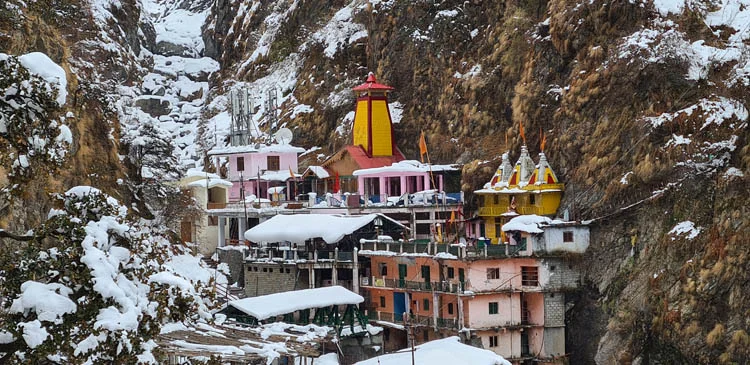
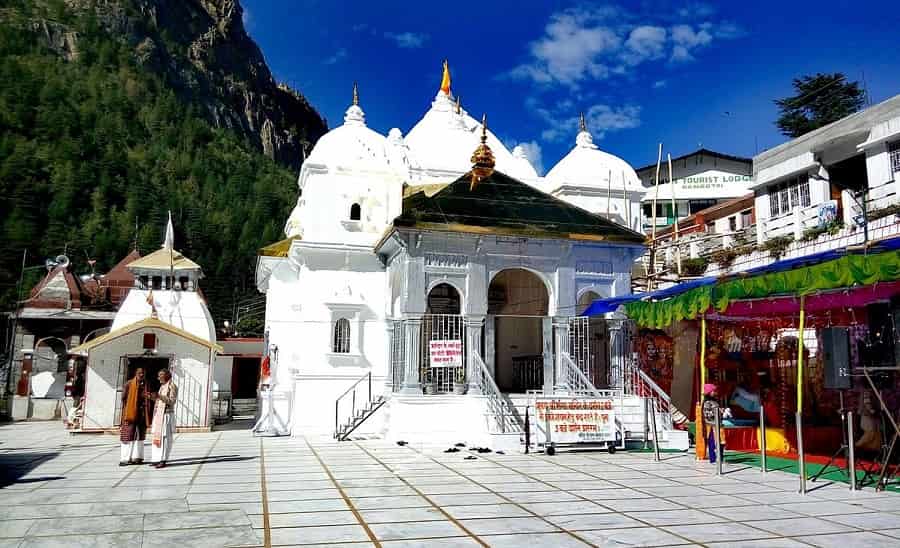
The 2026 Opening Schedule
In 2026, the Yatra begins in late April. Traditionally, the gates (Kapaats) open on the auspicious day of Akshaya Tritiya.
| Shrine | Opening Date (2026) | Time (Approx.) | Winter Seat (Where Deity Stays) |
| Yamunotri | April 19, 2026 | 7:00 AM | Kharsali Village |
| Gangotri | April 19, 2026 | 12:15 PM | Mukhba Village |
| Kedarnath | April 22, 2026 | 6:30 AM | Omkareshwar Temple, Ukhimath |
| Badrinath | April 24, 2026 | 4:30 AM | Yoga Badri Temple, Pandukeshwar |
Important Note on Dates:
- The dates for Yamunotri and Gangotri are fixed by the festival of Akshaya Tritiya.
- Kedarnath Temple’s opening date for 2026 is widely anticipated to be April 22, 2026
- The Badrinath date is officially declared on Basant Panchami.
- While the dates above are the calculated astrological timings, always confirm with your operator in late February once the official temple committee announcements are made.
Yamunotri Dham:
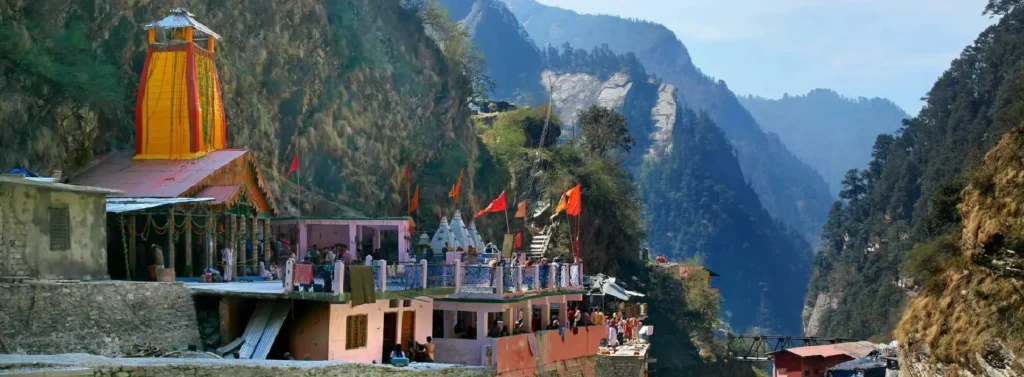
The Yatra traditionally starts here. On April 19, the idol of Goddess Yamuna will travel in a colorful procession from her winter home in Kharsali to the main temple.
- The Ritual: The gates open amidst Vedic chants and the local “Harsil” dhol beats.
- 2026 Planning: Since this is the first day of the entire Yatra, expect heavy crowds at Janki Chatti. If you are traveling with seniors, try to reach Barkot 2 days early to secure a pony or palanquin booking.
Gangotri Dham:
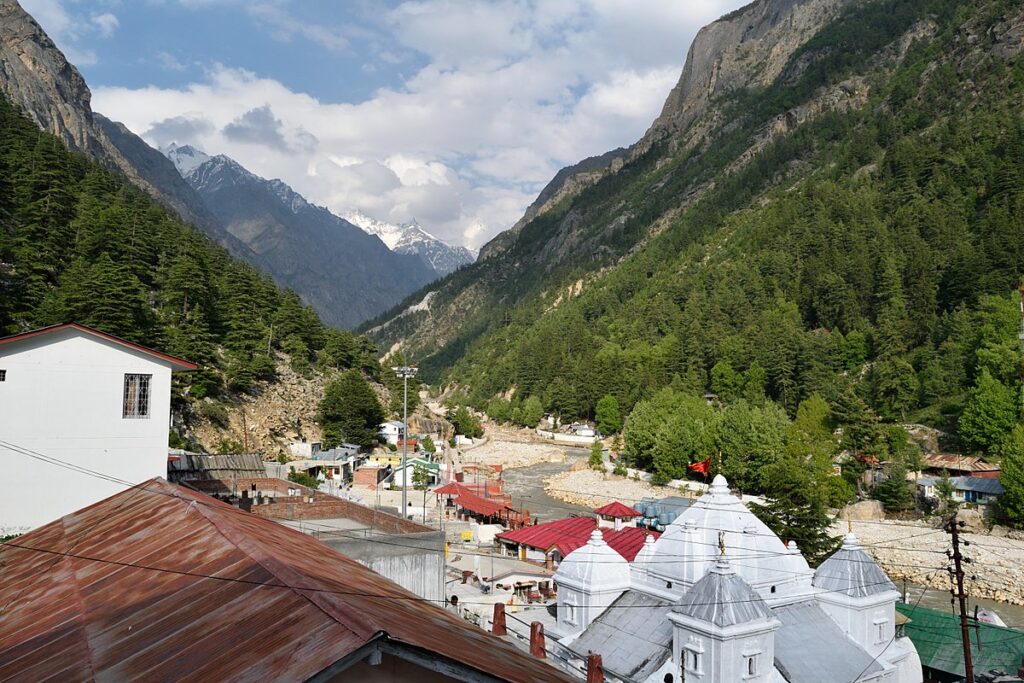
Also opening on April 19, Gangotri follows a slightly more formal ceremony. The temple is located at a motorable height, making it easier for those who cannot trek.
- The Ritual: A special Ganga Aarti is performed at the temple Ghat. The water is freezing, but the energy of thousands of devotees makes it feel warm.
- 2026 Planning: The road from Uttarkashi to Gangotri is prone to morning frost in April. Plan your drive for after 8:00 AM to ensure the roads are safe and clear of black ice.
Kedarnath Dham:
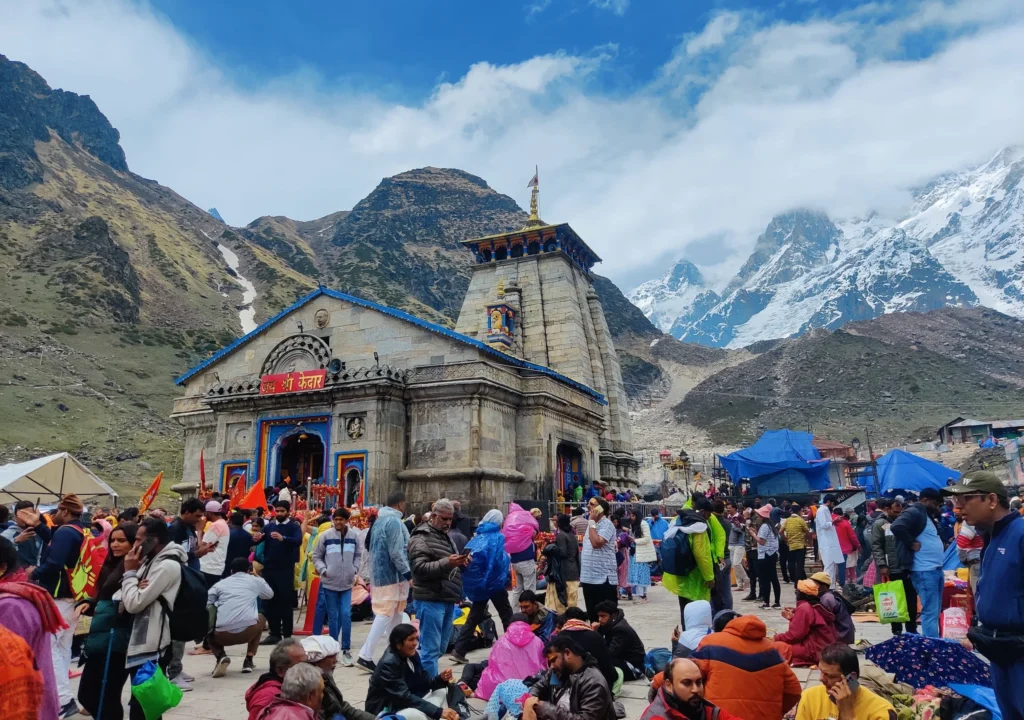
Opening on April 22, Kedarnath is the most anticipated part of the Yatra. The atmosphere in 2026 is expected to be electric as the “Baba Kedar” doli reaches the temple.
- The Ritual: The Chief Priest (Rawal) opens the doors after massive prayers. The first sight of the Shiva Lingam after 6 months of winter is a powerful experience.
- 2026 Planning: April in Kedarnath is still winter. Temperatures will be between -2°C and 8°C. Do not forget heavy thermals and waterproof shoes, as there may still be snow on the trekking path.
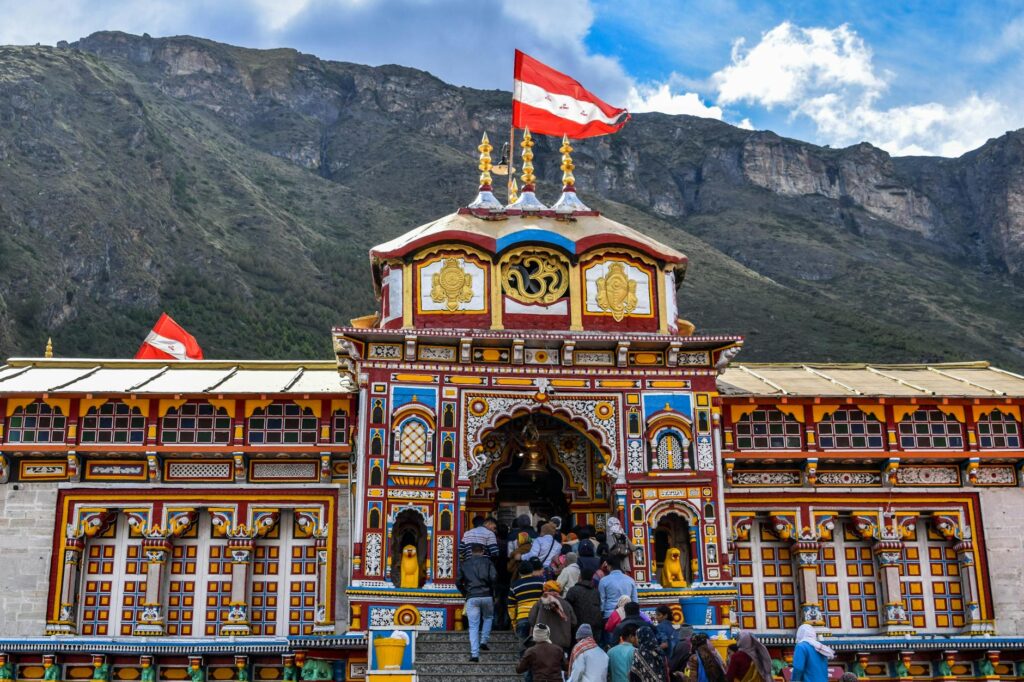
Badrinath Dham:
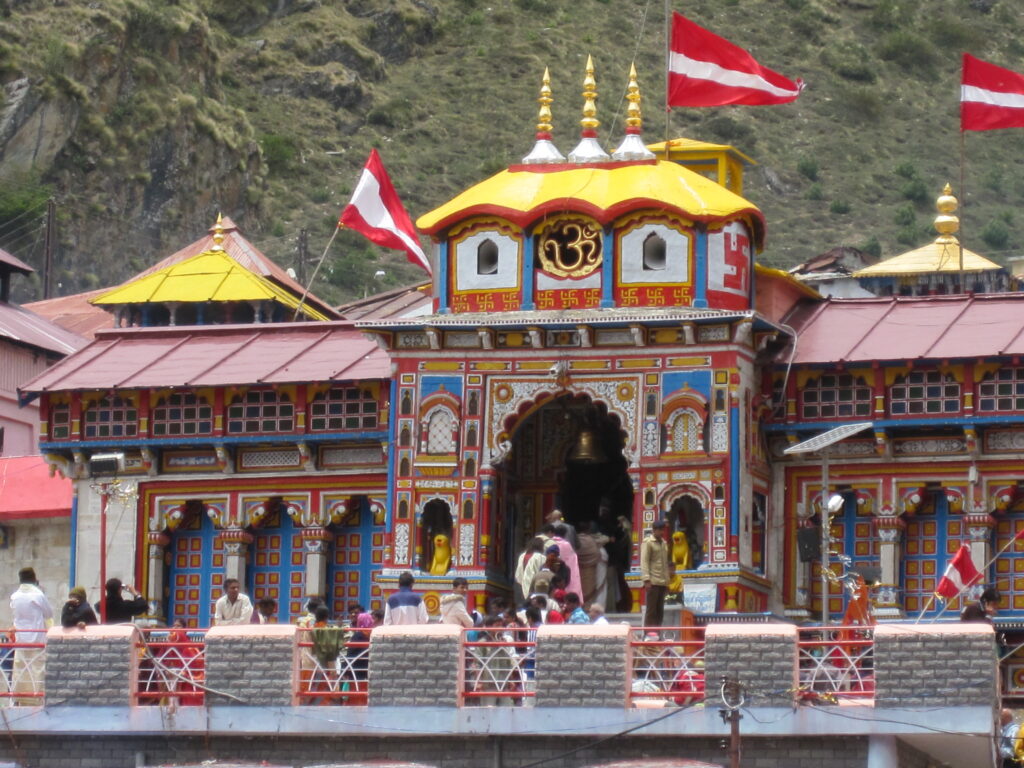
Opening on April 24, Badrinath completes the circuit. The “Akhand Jyoti” (the eternal lamp) which has been burning for six months inside the closed temple is the first thing devotees see.
- The Ritual: The temple is decorated with quintals of flowers. The Badrinath-Kedarnath Samiti ensures a grand musical welcome by the Indian Army band.
- 2026 Planning: Badrinath is at a high altitude. Even though you can drive there, altitude sickness can hit you here. Spend your first evening resting in the hotel rather than rushing to the temple.
What Is Included in a Char Dham Tour Package 2026
When evaluating packages, it is important to look past the price and understand the service level. A standard package for 2026 should ideally include:
- Transport: Dedicated vehicles like Tempo Travellers (for groups) or SUVs like Innova/Bolero (for families). Drivers are experienced in hill driving and understand the specific “gate system” and timing of Uttarakhand roads.
- Accommodation: Stays in towns like Barkot, Uttarkashi, Guptkashi, and Badrinath. In 2026, packages usually categorize these into Standard (basic clean rooms), Deluxe (better amenities/hot water), and Luxury.
- Meals: Simple, vegetarian breakfast and dinner are typically included. Note that at high altitudes like Kedarnath, menus are limited to basic dal, rice, and vegetables.
- Registration Support: Mandatory biometric registration is required by the state government. Reliable operators handle this paperwork for you to avoid long queues at physical centers.
- Medical Coordination: Access to oxygen cylinders in the vehicle and information on the nearest Medical Relief Posts (MRPs) along the route.
- Local Assistance: A dedicated coordinator or driver-cum-guide who knows the shortcut routes, local weather updates, and the best times to join temple queues.
Char Dham Yatra Route Overview
The journey traditionally follows a clockwise direction: Yamunotri, then Gangotri, followed by Kedarnath, and finally Badrinath. This order is followed to ensure gradual acclimatization to the altitude.
| Day | Route | Distance | Approx Travel Time | Notes |
| Day 1 | Haridwar → Barkot | 220 km | 7–9 hrs | Hilly roads start; gradual ascent. |
| Day 2 | Barkot → Yamunotri → Barkot | 45 km | 6–8 hrs | Includes a 6 km trek each way. |
| Day 3 | Barkot → Uttarkashi | 100 km | 4–5 hrs | Moderate altitude; scenic river views. |
| Day 4 | Uttarkashi → Gangotri → Uttarkashi | 200 km | 7–8 hrs | High altitude; weather sensitive. |
| Day 5 | Uttarkashi → Guptkashi | 210 km | 8–9 hrs | A long, tiring travel day. |
| Day 6 | Guptkashi → Kedarnath | 35 km | 6–10 hrs | 16-19 km trek or 10 min helicopter ride. |
| Day 7 | Kedarnath → Guptkashi | —— | 5–7 hrs | Descent and return to base. |
| Day 8 | Guptkashi → Badrinath | 210 km | 7–9 hrs | Reaches the highest motorable point. |
| Day 9 | Badrinath → Rudraprayag | 160 km | 6–7 hrs | Return journey begins via Joshimath. |
| Day 10 | Rudraprayag → Haridwar | 165 km | 6–7 hrs | Yatra ends with Ganga Aarti. |
Detailed 10-Day Char Dham Itinerary (2026)
This itinerary is designed with the realities of 2026 travel in mind, focusing on pacing and rest.
Day 1: Arrival In Rishikesh & Haridwar
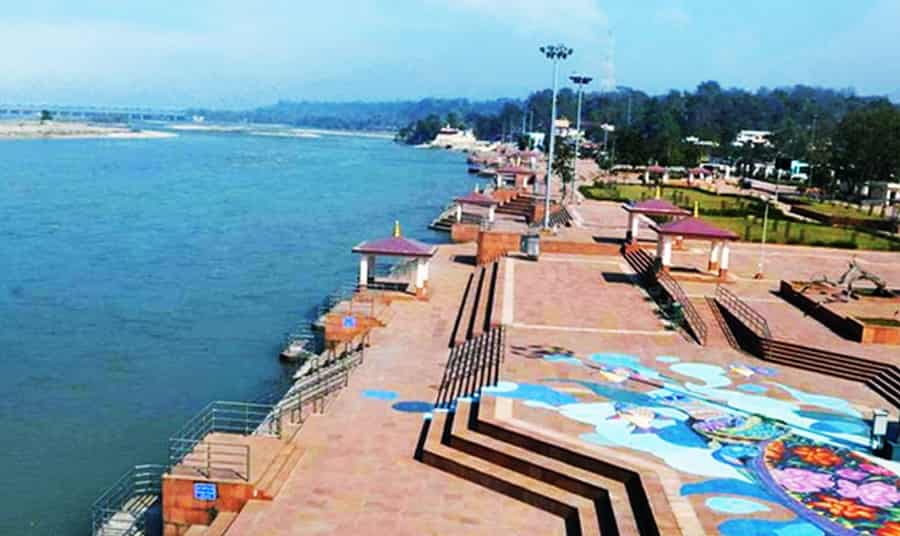
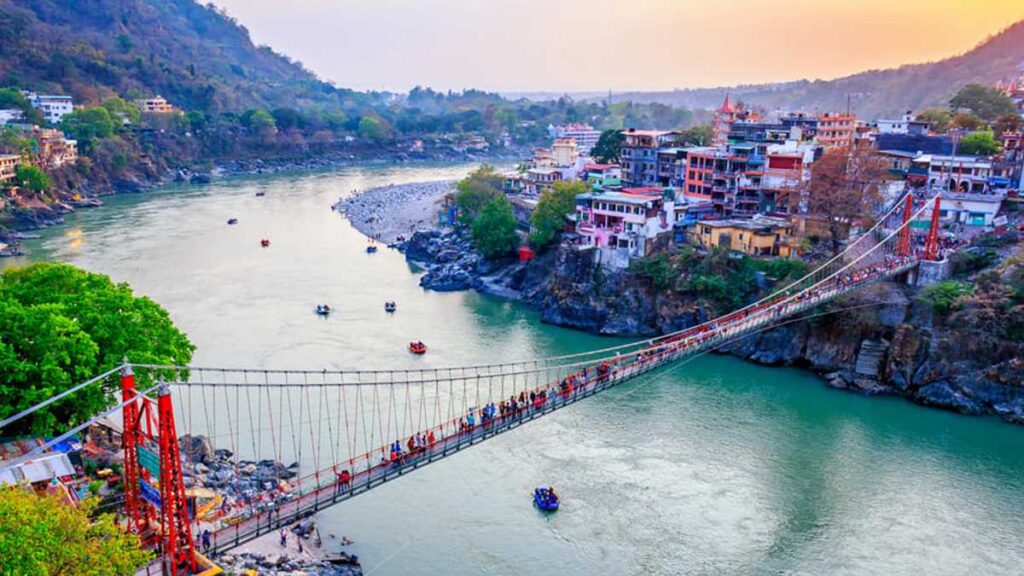
The journey begins from Haridwar or Rishikesh. The first day is a long drive to Barkot. We recommend an early 6:00 AM start to avoid traffic at the Chamba/Mussoorie bypass. The roads are winding, so travelers prone to motion sickness should prepare accordingly.
Day 2: (Yamunotri Arrival)
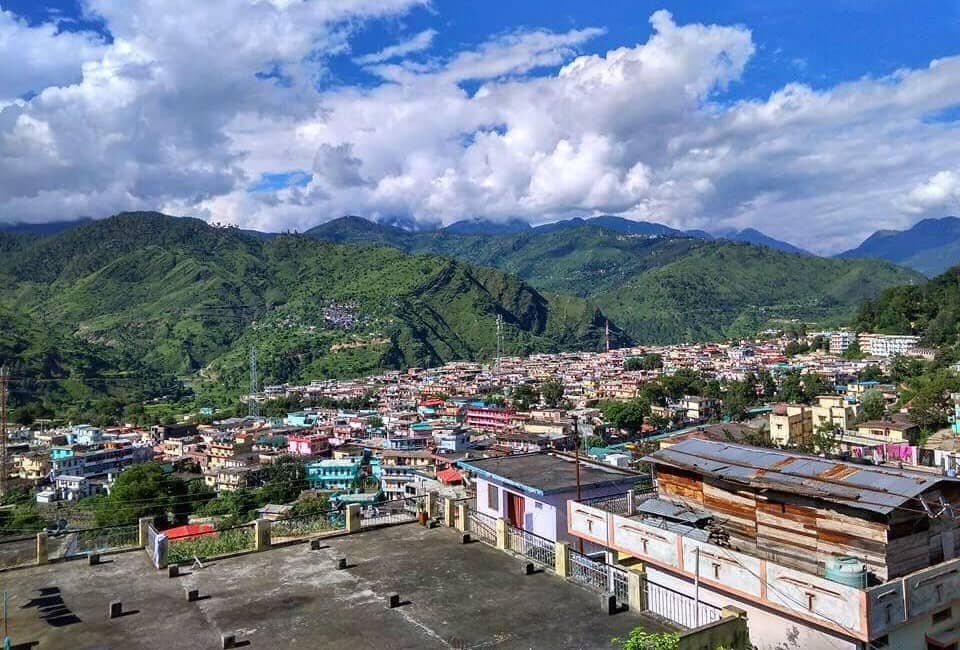
You drive to Janki Chatti and then trek 6 km to Yamunotri. For seniors, we strongly advise booking a pony or palki (palanquin) in advance. The path is narrow and can be crowded. After darshan, you return to Barkot for rest.
Day 3: Uttarkashi (Kashi Of North)
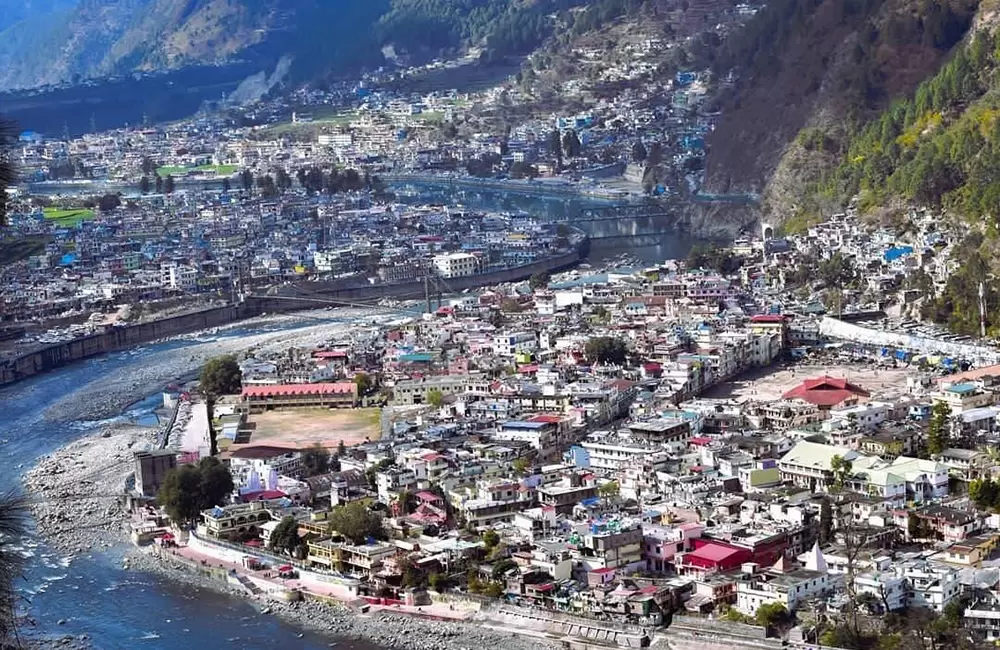
A shorter drive to Uttarkashi (the Kashi of the North). This day is intentionally lighter to allow the body to recover from the Yamunotri trek. Use the evening to visit the Vishwanath Temple.
Day 4: Gangotri Darshan & Back To Hotel
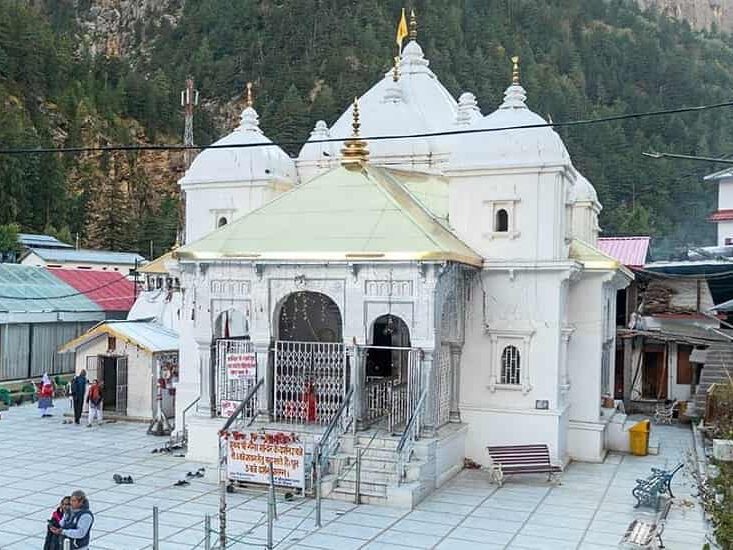
The drive to Gangotri is one of the most beautiful, passing through Harsil. At nearly 10,000 feet, you might feel a slight shortness of breath. Walk slowly. After visiting the temple, return to Uttarkashi.
Day 5: GuptKashi To Phata
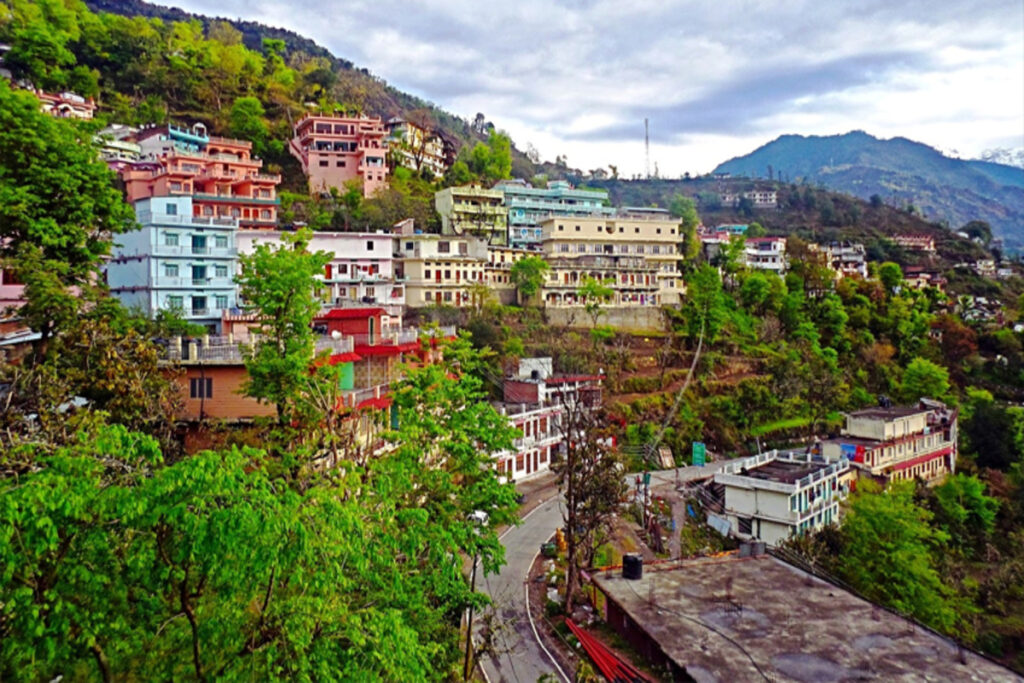
This is a challenging day of driving (8-10 hours) towards Guptkashi or Phata. There are frequent road works in this sector, so delays are common. It is vital to stay hydrated and take short breaks every 2 hours.
Day 6: Trek To Kedarnath
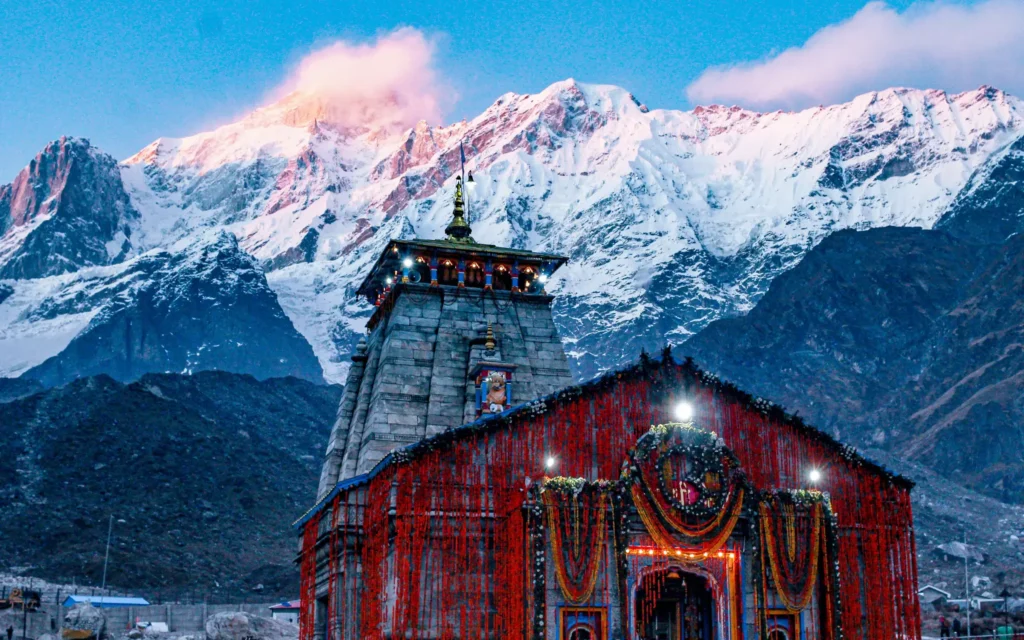
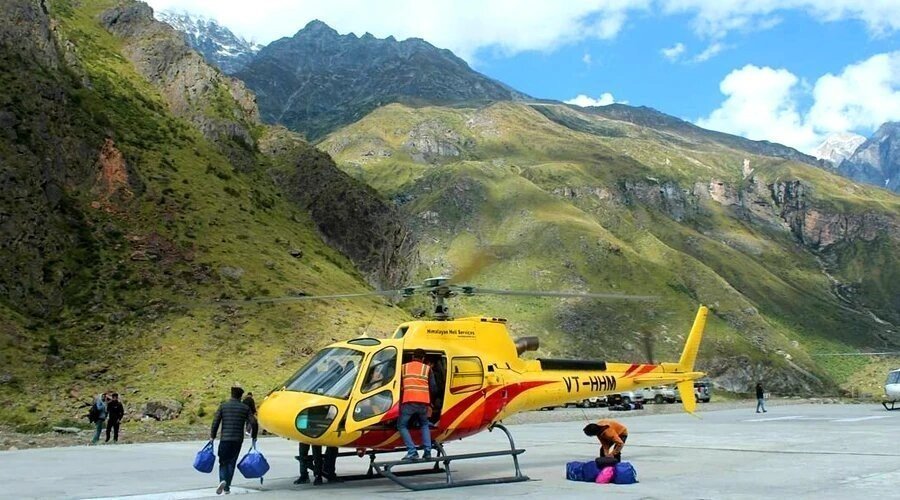
Whether you trek from Gaurikund (16-19 km) or take a helicopter, this is the emotional peak of the trip. If trekking, start by 4:00 AM. In 2026, weather-related flight delays for helicopters are a reality; always carry a small bag with essentials in case you are stranded overnight at the top.
Day 7: Kedarnath To Badrinath
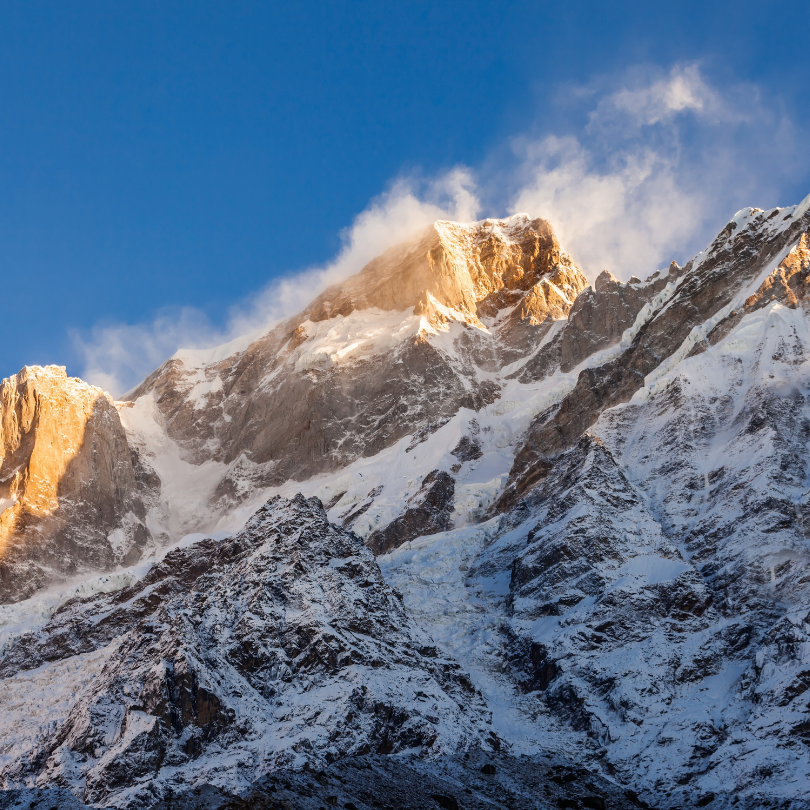
After the morning aarti at Kedarnath, you descend back to the base. This day is for resting your legs and recovering from the high altitude of the Kedarnath valley.
Day 8: Journey to Badrinath

The road to Badrinath is better but prone to small landslides during rain. You will pass through Joshimath and Govindghat. Upon arrival, take a dip in the Tapt Kund (natural hot springs) before entering the temple.
Day 9: Return via the Prayagas

The return journey stops at Rudraprayag or Srinagar. You will see the Sangam (confluence) of the Alaknanda and Mandakini rivers. The air becomes warmer and thicker here, which is a relief after the high altitudes.
Day 10: End Of Your Yatra
The final leg takes you back to Haridwar. Most pilgrims participate in the evening Ganga Aarti at Har Ki Pauri as a concluding ritual for their successful journey.
2026 Pricing Overview by City (Estimated)
The following table provides a realistic cost range for a 12–14 day full circuit including travel from your home city to Uttarakhand.
| Departure City | Budget (Standard Hotels + Bus/Tempo) | Deluxe (3-Star Hotels + Private SUV) | Luxury / Helicopter (Premium Stays) |
| Delhi / NCR | ₹28,000 – ₹35,000 | ₹55,000 – ₹70,000 | ₹1,90,000 – ₹2,40,000 |
| Ahmedabad / Gujarat | ₹35,000 – ₹45,000 | ₹65,000 – ₹85,000 | ₹2,10,000 – ₹2,50,000 |
| Kolkata | ₹38,000 – ₹50,000 | ₹70,000 – ₹90,000 | ₹2,15,000 – ₹2,55,000 |
| Chennai / Bangalore | ₹42,000 – ₹55,000 | ₹75,000 – ₹95,000 | ₹2,20,000 – ₹2,60,000 |
| Mumbai / Pune | ₹36,000 – ₹48,000 | ₹68,000 – ₹88,000 | ₹2,10,000 – ₹2,50,000 |
Note: Budget prices usually exclude long-distance train/flight fares but include all ground costs once you reach the starting point.
City-Specific Travel Realities
From Gujarat (Ahmedabad/Surat/Vadodara)
Pilgrims from Gujarat often prefer “Jain Food” options. Many operators in 2026 are offering specialized packages that include Gujarati-speaking guides and Maharaj (cooks) who travel with the group to ensure meals are prepared without onion and garlic.
- Travel Tip: Most Gujarat pilgrims take the Ashram Express or Swaraj Express to Delhi. If flying, Ahmedabad to Dehradun (Jolly Grant) direct flights are the most time-efficient but should be booked 4 months in advance.
From Delhi
Delhi is the most practical starting point. Packages here are “Ex-Delhi,” meaning the vehicle picks you up from your home, the airport, or the railway station.
- Travel Tip: Since you are starting closest to the hills, use the “saved” travel time to add a buffer day in Barkot or Guptkashi to help elderly family members adjust to the altitude.
From Kolkata & West Bengal
Travelers from the East usually face the longest transit. Packages often include a stay in Haridwar on both ends to recover from the 24-30 hour train journey.
- Travel Tip: If you are taking the Himgiri Express or Doon Express, ensure your package includes a “wash and change” room in Haridwar before the mountain drive begins.
From South India (Chennai/Bangalore/Hyderabad)
For South Indian pilgrims, language and food are often the biggest concerns. 2026 packages from these cities are increasingly “All-Inclusive,” covering flights to Delhi/Dehradun and providing South Indian breakfast options where possible.
- Travel Tip: Fly directly into Dehradun (DED). It saves 6-7 hours of road travel compared to landing in Delhi, which is vital for maintaining energy levels for the trek later in the week.
Hidden Costs to Budget For
A “package price” rarely covers every single rupee you will spend. For 2026, keep an extra ₹15,000–₹20,000 per person for:
- Pony/Palki: Expected to be ₹2,500–₹5,500 at Yamunotri and ₹6,000–₹10,000 at Kedarnath.
- VIP Darshan: Often ₹1,100–₹2,100 per temple if you wish to skip 6-hour queues.
- Kedarnath Helicopter: Approx ₹8,000–₹9,500 for a round trip (separate from the main tour package).
- Laundry & Hot Water: Many budget hotels in remote areas charge ₹50–₹100 per bucket of hot water.
Char Dham Tour Package Types (Comparison)
Budgets for 2026 are influenced by rising fuel costs and hotel demand. Here is a breakdown of what to expect:
| Package Type | Ideal For | Hotel Type | Transport | Approx Budget (Per Person) |
| Budget | Large groups/Youth | Basic Guest Houses | Non-AC Bus / Tempo | ₹25,000 – ₹32,000 |
| Standard | Average Families | 2–3 Star / GMVN | AC Tempo Traveller | ₹35,000 – ₹45,000 |
| Deluxe | Comfort Seekers | 3–4 Star Hotels | Private SUV (Innova) | ₹55,000 – ₹75,000 |
| Helicopter | Seniors / Time-poor | Premium Stays | Heli + Private Car | ₹1,90,000 – ₹2,20,000 |
Best Time to Book Char Dham Tour Package 2026
The Yatra typically opens in late April or early May (on Akshaya Tritiya).
- May to June (Peak Season): The weather is most favorable (10°C to 25°C), but crowds are at their highest. If you plan to travel in these months, your char dham tour package 2026 should be booked by January or February to ensure hotel availability.
- July to August (Monsoon): This is the riskiest time. Heavy rains lead to landslides and road closures. We generally advise against travel for families with children or elderly members during this window.
- September to October (Post-Monsoon): The landscape is lush green, and the crowds are thinner. The weather is crisp and cold (0°C to 15°C). This is often the best time for a peaceful experience, though you must pack heavy woolens.
Char Dham Registration & Documentation
Registration is a mandatory safety measure implemented by the Uttarakhand government. In 2026, the system will likely be strictly digital.
- Why it matters: It allows the government to track the number of people in each valley. During weather emergencies or landslides, this data is used for rescue and supply management.
- Common Mistake: Many pilgrims forget that a helicopter ticket is not a substitute for Yatra registration. You must have your registration number before you can even apply for a helicopter slot on the IRCTC portal.
- Verification: Ensure your tour operator provides you with the official PDF of your registration. “Handwritten” or “local” slips are often not accepted at the checkpoints.
Physical Char Dham Registration Points (locations in Uttarakhand)
Below are the Physical Registration Points where pilgrims can do registration with the help of Yatrimitra or by themselves & At Verification Points, yatrimitra will do verification of pilgrims through generated Yatra Registration Letter or Received SMS on their registered mobile number:
Physical Registration Points (last year)
- Rahi Hotel, Haridwar
- Haridwar Railway Station
- Pahkhi, Chamoli
- Badrinath
- Hemkund Sahib
- Govindghat
- Joshimath
- Rto, Dehradun
- ISBT, Dehradun
- Sonprayag
- ISBT, Rishikesh
- Sonprayag
- Kedarnath
- Phatta
- Gaurikund
- Hina, Uttarkashi
- JankiChatti
- Gangotri
- Yamunotri
- Dobatta, Barkot
Tourist Helpline Number (7 am to 9 pm)
0135 – 2559898, 2552627, 0135 – 3520100
Toll Free Number: 1364 | For Other States: 0135 1364
Emergency Helpline Numbers for Char Dham Yatra
Helpline Numbers 24×7
- Police Department 112
- Fire Brigade 101
- Ambulance 108
- Women Helpline 1090
- Tourism Helpline/Yatra Control Room 0135-2559898
- Tourist Information Service 1364
Important Tips for 2026 Yatra (Practical Advice)
Clothing and Gear
Don’t pack one heavy jacket. Instead, wear layers. A thermal inner, a t-shirt, a fleece, and a waterproof outer shell are more effective. Mountain weather changes hourly; layers allow you to adjust as you move from a sunny valley to a cold temple peak.
The Cash Reality
While UPI works in many places, network connectivity is notoriously poor in the upper reaches of Kedarnath and Yamunotri. Always carry enough physical cash for ponies, porters, and emergency local transport.
Mobile Networks
Only BSNL, Jio, and Airtel have reliable footprints in the mountains. If you use other networks, expect to be offline for large portions of the trip.
Senior Citizen Advice
- Pre-Travel Check: Get a basic heart and lung check-up. The thin air at 11,000 feet puts significant strain on the cardiovascular system.
- Slow Pacing: Do not try to keep up with the group. Walk at a pace where you can still hold a conversation. If you are gasping for breath, stop and rest immediately.
- Hydration: Drink water even if you aren’t thirsty. Dehydration is a leading cause of altitude sickness.
Frequently Asked Questions (FAQs)
Is the Char Dham Yatra safe for the elderly?
Yes, provided you plan for comfort. Use a private SUV instead of a bus to allow for frequent breaks, and opt for a helicopter or palki for the Kedarnath segment.
How do I book a helicopter for 2026?
Helicopter bookings are managed through the official IRCTC HeliYatra website. They usually open 15–30 days before the travel dates. You must have your Yatra Registration Number ready to book.
How crowded will 2026 be?
Based on recent trends, May and June will be extremely crowded. You may face 4–6 hour wait times in temple lines. September is much calmer.
Can children travel?
Yes, but children under 5 may struggle with the altitude and long driving hours. Ensure they are kept warm and have familiar snacks, as local food can be spicy.
Is oxygen available during the trip?
Most professional tour operators carry small oxygen canisters in their vehicles. Additionally, the government has established Medical Relief Posts with oxygen facilities every few kilometers on the trekking paths.
How much walking is actually required?
If you use ponies or helicopters, the walking is minimal (less than 1 km). However, if you trek, you are looking at approximately 40-45 km of mountain walking across the entire trip.
What kind of food is served?
Strictly vegetarian food. It is usually “North Indian” style dal, sabzi, roti, and rice. Avoid eating heavy fried foods or outside snacks like Maggi at every stop; stick to simple cooked meals to maintain digestion.
Do I need a physical fitness certificate?
While not always mandatory for the general route, the government often requires a health screening at the start of the Kedarnath trek for those over a certain age or with visible health issues.
Conclusion
The Char Dham Yatra is a journey of endurance as much as it is one of faith. In 2026, the key to a successful pilgrimage will be “buffer time” building in extra hours for road delays and extra rest for your body. By choosing a comprehensive char dham tour package 2026 early, you remove the stress of daily logistics and can focus on the purpose of your visit.