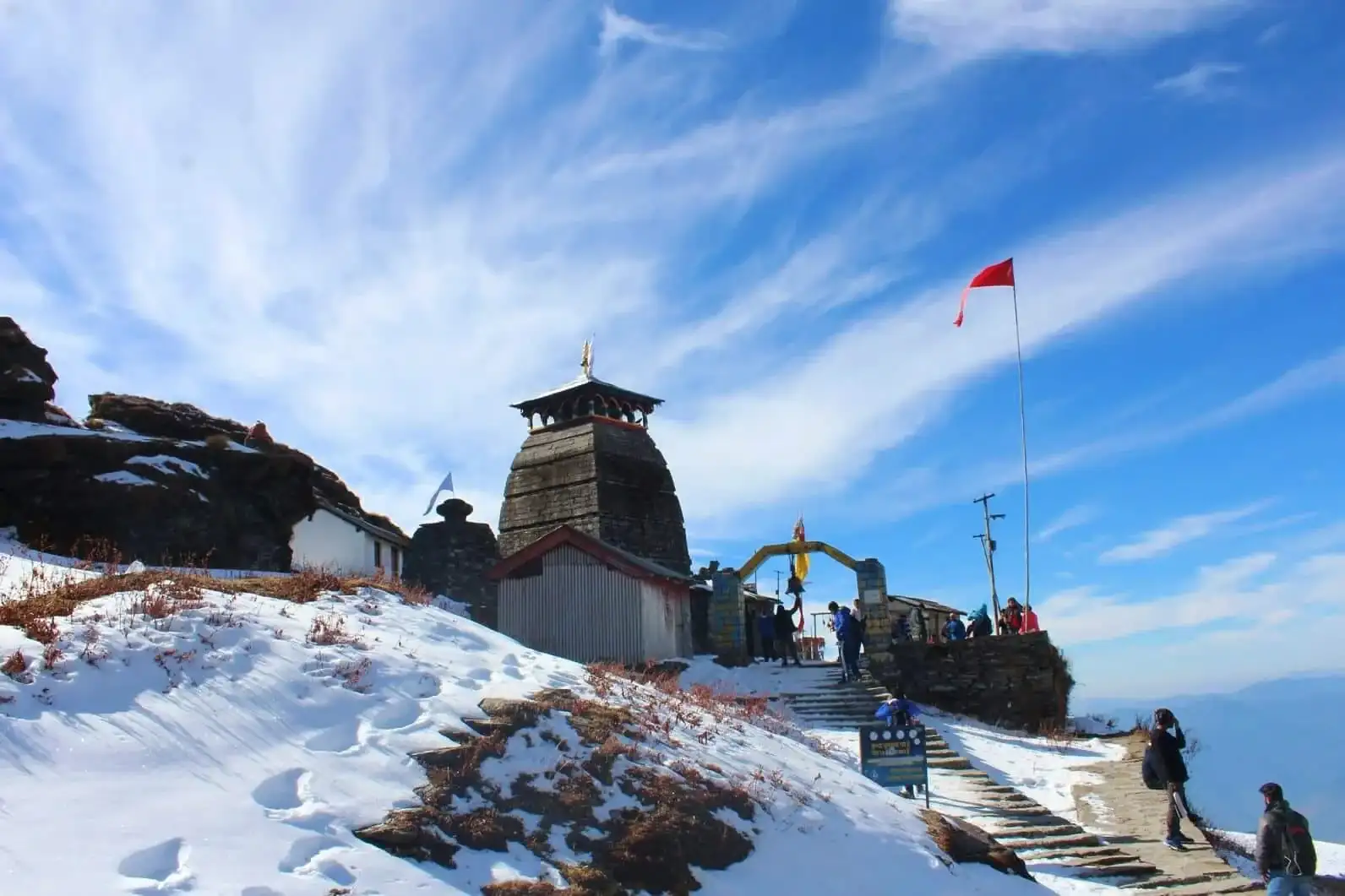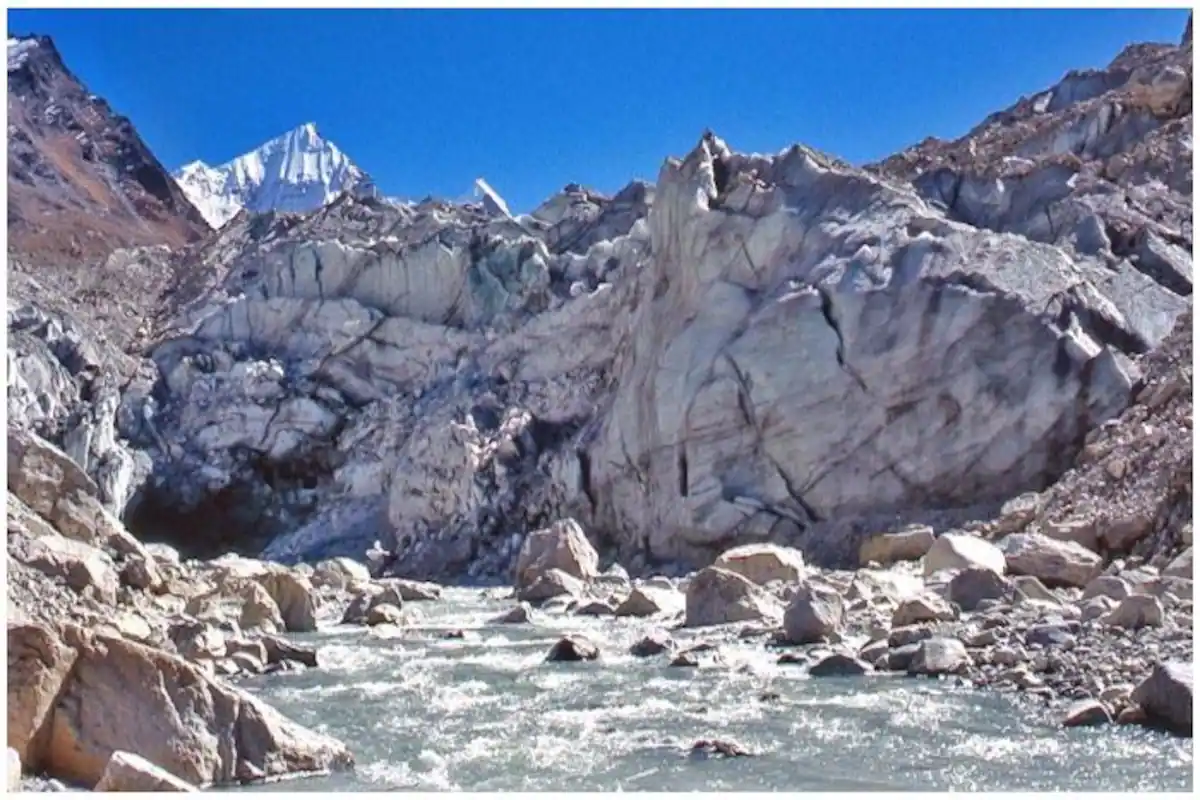
The Gaumukh Trek Uttarakhand is one of the most iconic and spiritually significant treks in India. Nestled in the Garhwal Himalayas of Uttarakhand, this trail is not just a test of endurance but also a path of faith, wonder, and discovery. Known as the source of the sacred river Ganga, Gaumukh (meaning “cow’s mouth”) is a glacial snout of the Gangotri Glacier. For centuries, sages, saints, and adventurers have walked this path to connect with the divine, to witness the mighty glacier, and to immerse themselves in the serenity of the Himalayas.
In this detailed travel guide, we will explore everything about the Gaumukh Trek — its mythological significance, scenic landscapes, trekking details, nearby attractions, and tips to make your journey meaningful and memorable.
Mythological and Spiritual Significance Gaumukh Trek Uttarakhand
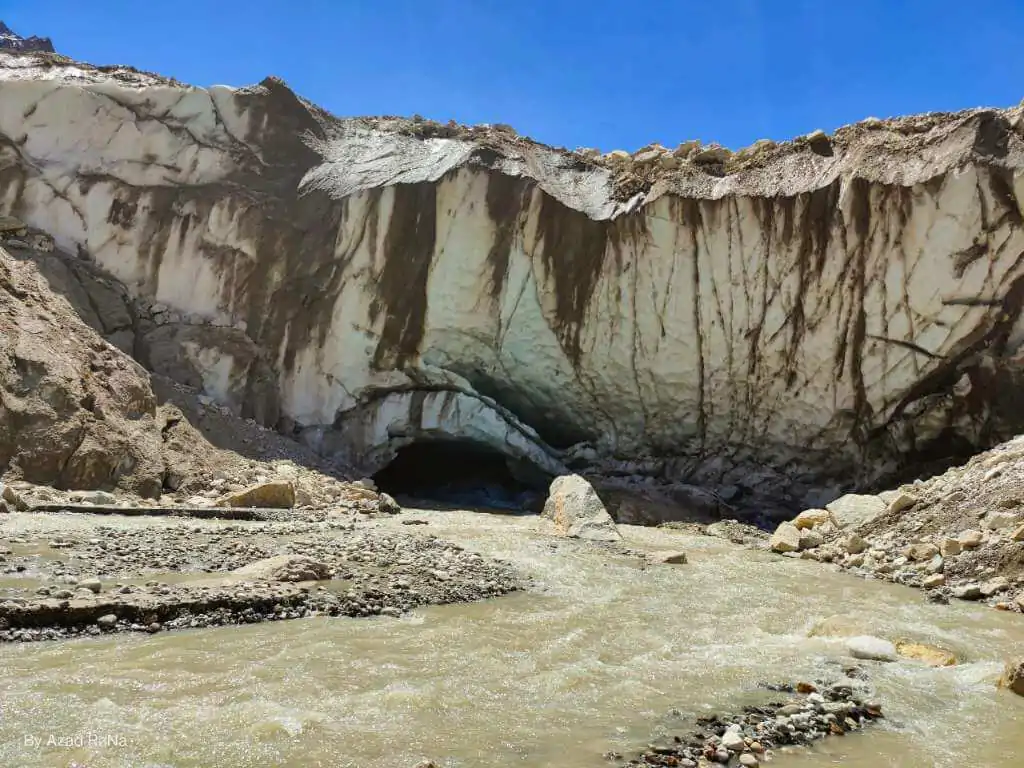
The Gaumukh Glacier holds immense importance in Hindu mythology. According to ancient scriptures, the Ganga descended from the heavens to Earth through the prayers of King Bhagirath, who sought salvation for his ancestors. Lord Shiva is believed to have caught the ferocious river in his matted locks to reduce its intensity before releasing it onto Earth. From the glacier at Gaumukh, the river Ganga begins its sacred journey, nourishing millions of lives along its banks.
Pilgrims consider this trek a spiritual yatra, where every step brings them closer to divinity. Chanting hymns, meditating amidst snow-clad peaks, and touching the icy waters of the Ganga at its very origin is considered an act of deep purification.
The Trekking Experience
Starting Point: Gangotri
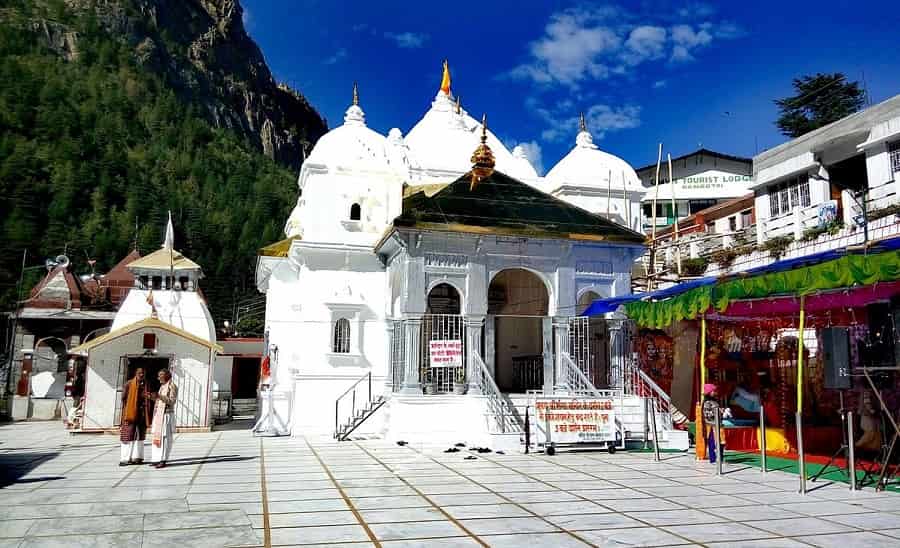
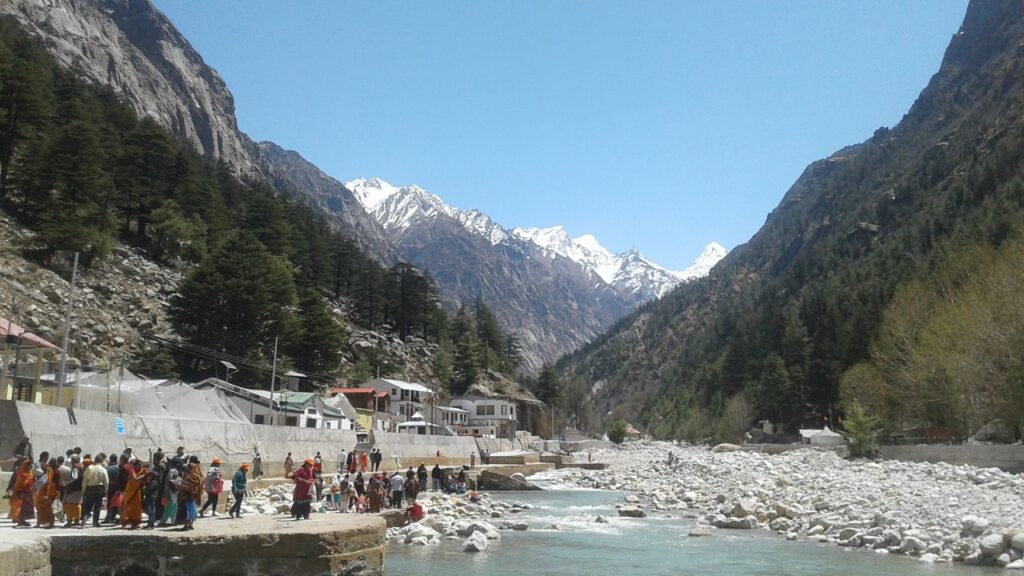
The trek to Gaumukh begins at Gangotri, a revered town in Uttarkashi district. It is famous for the Gangotri Temple dedicated to Goddess Ganga. Pilgrims first seek blessings here before starting their trek.
The Trail
The trek covers around 18–20 kilometers one way from Gangotri to Gaumukh. The path winds through dense forests, alpine meadows, rocky terrains, and finally leads to the snout of the glacier.
Key Highlights of the Trek:
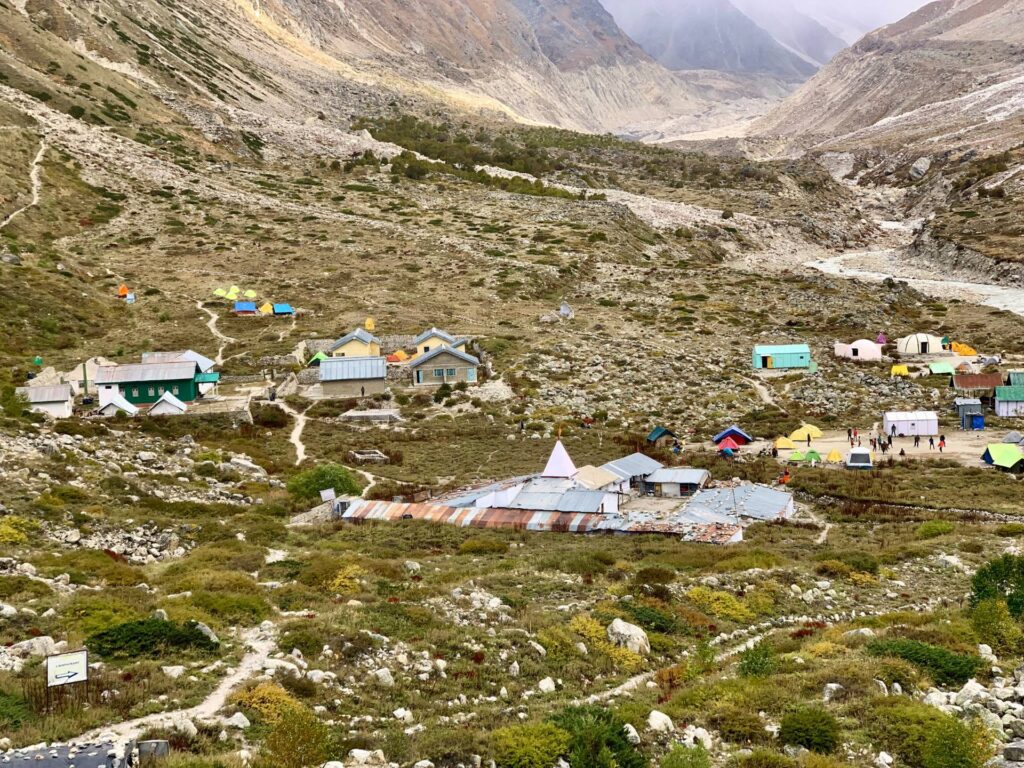
- Bhojbasa – This is the main campsite, about 14 kilometers from Gangotri. It is named after the Bhojpatra trees that once grew abundantly in the region. The campsite offers panoramic views of Bhagirathi peaks.
- Chirbasa – At around 9 kilometers from Gangotri, this section is filled with chir (pine) trees, making it a scenic stop with opportunities to rest and enjoy nature.
- Gaumukh Glacier – The final destination, where trekkers are greeted with the breathtaking sight of the glacier snout and the first streams of the holy Ganga.
Trek Difficulty
The trek is considered moderate to challenging, suitable for people with good physical fitness. High altitude, rocky paths, and chilly weather demand endurance, but the mesmerizing views and spiritual rewards make it worthwhile.
Scenic Landscapes
The Gaumukh Trek is a visual delight for nature enthusiasts. From the green valleys at the beginning of the trail to the stark icy beauty of the glacier, every step reveals a new dimension of the Himalayas.
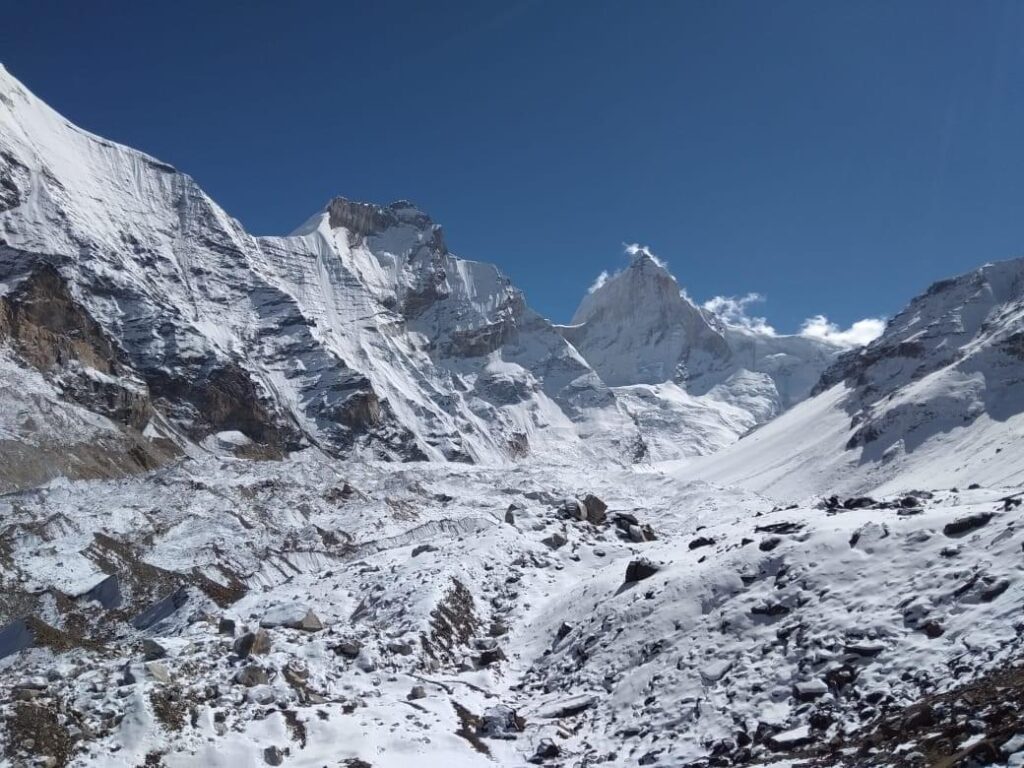
- Snow-capped Peaks – The towering Bhagirathi I, II, and III peaks form a majestic backdrop.
- Alpine Flora and Fauna – Trekkers can spot rare plants, vibrant wildflowers, and animals like blue sheep, Himalayan goats, and sometimes even the elusive snow leopard.
- The Glacier – The highlight, Gaumukh Glacier, looks like the mouth of a cow, symbolizing abundance and purity.
Best Time to Visit
The ideal seasons for the Gaumukh Trek are May to June and September to October.
- In summer (May–June), the weather is pleasant, with blooming flowers and clear trails.
- In autumn (September–October), the skies are crystal clear, and the mountains appear majestic after the monsoon.
The trek is closed during the winter due to heavy snowfall.
Nearby Attractions
If you plan a trek to Gaumukh, there are other places you can explore along the way:
- Gangotri Temple – The spiritual starting point of the journey.
- Tapovan – Beyond Gaumukh, trekkers can extend their trek to Tapovan, a high-altitude meadow that offers views of Mount Shivling.
- Bhojbasa – Known for peaceful meditation spots and stunning sunset views.
- Harsil Valley – A picturesque hamlet located near Gangotri, famous for apple orchards and natural beauty.
Tips for Trekkers
- Fitness First – Begin preparing with regular cardio and strength exercises at least a month before your trek.
- Essential Permits – Obtain necessary permits from the Uttarkashi Forest Department, as this is a protected area.
- Carry Warm Clothing – Temperatures can drop significantly, especially at night.
- Hydration – Carry reusable bottles and purifying tablets to avoid dehydration.
- Responsible Travel – Avoid littering and respect the fragile Himalayan ecosystem.
Why Gaumukh Trek is Unique
Unlike many treks that are purely adventure-based, Gaumukh combines spirituality, mythology, and adventure. It is a place where the divine and the earthly meet, where the river that sustains a civilization begins its journey, and where nature’s grandeur overwhelms the soul.
Many trekkers describe this journey as life-changing. The silence of the mountains, the rhythmic flow of the river, and the humbling sight of the glacier remind one of the immense power of nature and the deep faith that binds humanity with it.
How to Reach Gaumukh
Reaching Gaumukh requires both spiritual readiness and practical planning. Since it is located deep within the Garhwal Himalayas of Uttarakhand, the journey involves multiple stages, combining road travel and trekking. The trek officially begins at Gangotri, which acts as the base camp for those heading toward Gaumukh Glacier.
Step 1: Reaching Uttarkashi or Gangotri by Road
Most travelers start their journey from Dehradun, Haridwar, or Rishikesh, as these cities are well-connected by road and rail to other parts of India.
From Haridwar or Rishikesh
- Distance to Gangotri: Around 240–250 kilometers.
- Travel Time: Approximately 10–12 hours by road.
- Route: Haridwar/Rishikesh → Narendra Nagar → Chamba → Uttarkashi → Harsil → Gangotri.
- The road passes through stunning valleys, pine forests, and alongside the Bhagirathi River, offering breathtaking views even before you start trekking.
From Dehradun
- Distance to Gangotri: Around 300 kilometers.
- Travel Time: About 12–13 hours.
- You can either hire a private taxi or take a shared jeep to reach Gangotri.
Bus Services
Government and private buses operate from Rishikesh, Haridwar, and Dehradun to Uttarkashi. From Uttarkashi, shared jeeps and smaller buses can take you further to Gangotri.
Step 2: Nearest Railway Stations
If you prefer train travel, you will need to first arrive at one of the nearest railway stations and continue the journey by road.
- Haridwar Railway Station (approx. 290 km from Gangotri) – Connected to major cities like Delhi, Kolkata, and Mumbai.
- Dehradun Railway Station (approx. 250 km from Gangotri) – Convenient for travelers from Delhi and North India.
- Rishikesh Railway Station (approx. 270 km from Gangotri) – A small station with limited train connectivity but closer to the starting point of the road journey.
Step 3: Nearest Airport
The closest airport is Jolly Grant Airport, Dehradun, located about 250 kilometers from Gangotri.
- From the airport, you can hire a taxi or take a bus to Rishikesh, and then continue by road toward Uttarkashi and Gangotri.
- Flights connect Dehradun with Delhi, Mumbai, and other major Indian cities.
Step 4: Reaching the Trek Base – Gangotri
Gangotri is the last motorable town before the trek to Gaumukh begins. The town itself is famous for the Gangotri Temple, dedicated to Goddess Ganga. Pilgrims generally spend a night here to acclimatize before starting the trek. Basic accommodation, guest houses, and dharamshalas are available for visitors.
Step 5: Trekking to Gaumukh
From Gangotri, the trek to Gaumukh spans about 18–20 kilometers one way.
Key Stops Along the Trek
- Gangotri to Chirbasa – 9 kilometers through pine forests along the Bhagirathi River. Chirbasa is a popular stop for lunch or short rest.
- Chirbasa to Bhojbasa – 5 kilometers of relatively open terrain with views of the Bhagirathi peaks. Bhojbasa is the main camping site, offering simple food and basic shelter.
- Bhojbasa to Gaumukh – 4–5 kilometers of rugged trail leading to the snout of the Gangotri Glacier.
Important Notes for Trekkers
- Entry permits are required from the Forest Department in Uttarkashi, as this is an eco-sensitive area.
- A limited number of trekkers are allowed each day to preserve the fragile environment.
- Hiring a guide or joining a trekking group is recommended for safety and better navigation.
Conclusion
The Gaumukh Trek is more than a trail in the Himalayas; it is an experience that transcends physical boundaries. It allows trekkers and pilgrims to walk in the footsteps of sages, to witness the birth of the holy Ganga, and to feel a sense of peace that only the Himalayas can offer.
For those seeking a perfect blend of adventure, spirituality, and nature, the Gaumukh Trek is a pilgrimage and a trek rolled into one unforgettable journey.
FAQs for Gaumukh Trek
- What is the Gaumukh Trek?
The Gaumukh Trek is a high-altitude trail leading to the Gaumukh Glacier, the source of the holy River Ganga. - Where does the Gaumukh Trek start?
It starts from Gangotri in Uttarkashi district, Uttarakhand. - What is the total distance of the Gaumukh Trek?
The trek is around 18 km from Gangotri to Gaumukh. - What is the altitude of Gaumukh Glacier?
Gaumukh is situated at an altitude of about 4,023 meters (13,200 feet). - Is a permit required for Gaumukh Trek?
Yes, trekkers need permission from the Forest Department as it lies in Gangotri National Park. - What is the best time for Gaumukh Trek?
May–June and September–October are ideal for trekking, avoiding heavy snow or monsoon rains. - What can trekkers see on the Gaumukh Trek?
Trekkers witness alpine meadows, pine forests, Bhagirathi peaks, and the Gaumukh Glacier. - Is Gaumukh Trek difficult?
It is considered a moderate to challenging trek due to high altitude and uneven terrain. - Are there accommodations during Gaumukh Trek?
Yes, trekkers can stay at guesthouses in Gangotri and campsites at Bhojbasa. - Why is Gaumukh spiritually significant?
Gaumukh is believed to be the mouth of the River Ganga, making it a sacred pilgrimage for Hindus.