
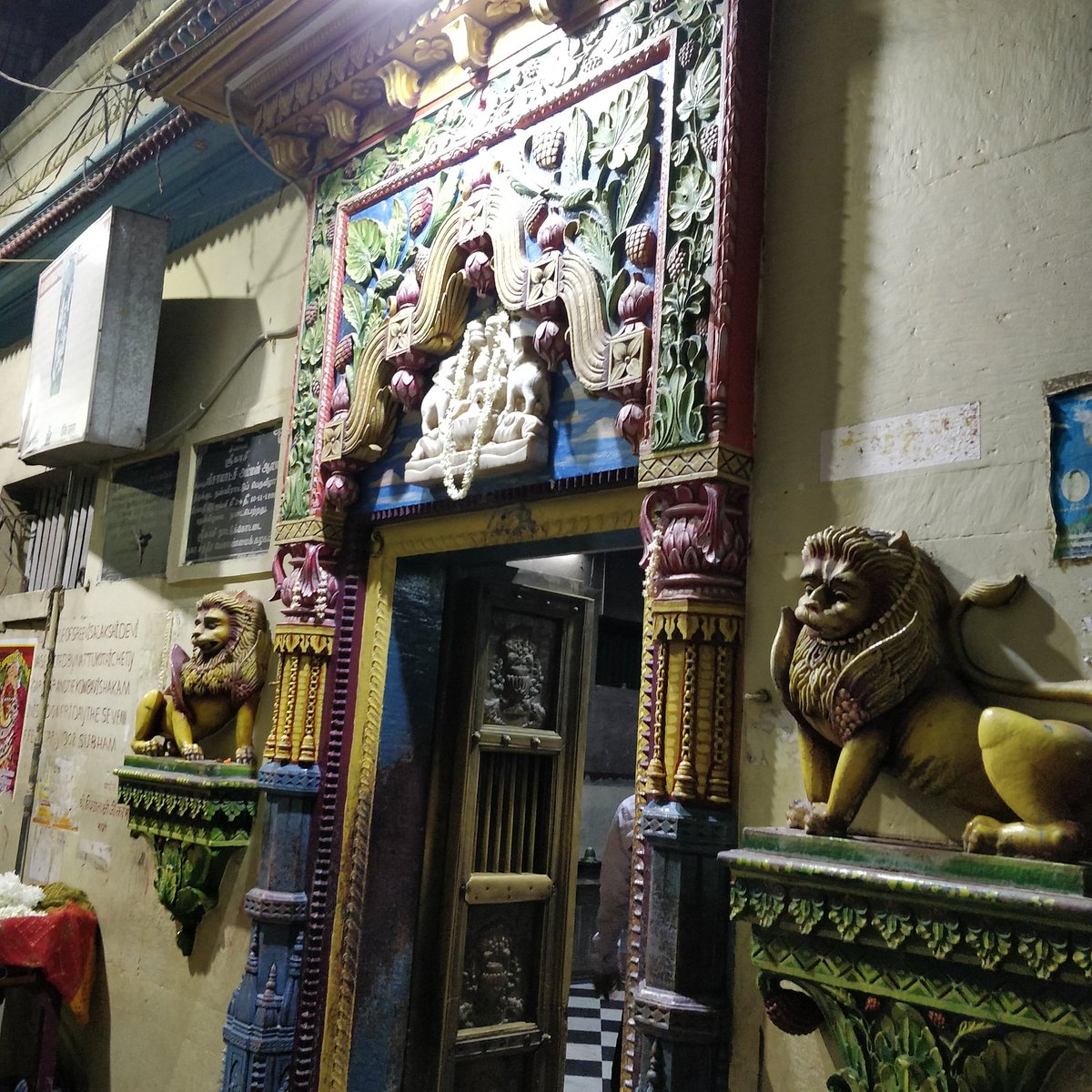
The ancient city of Varanasi, or Kashi, is a living, breathing testament to the profound spiritual heritage of India. It is a place where every stone, every ghat, and every narrow alleyway seems to whisper a mantra of eternity. Amidst the chaos and cadence of this holy city stands a shrine of immense power and serene grace: the Vishalakshi Temple Varanasi, the sacred abode of the “Wide-Eyed Goddess,” located on the banks of the mighty River Ganga.
This is not just another temple in a city filled with temples; it is a vital nexus of divine feminine energy, recognized globally as one of the holiest sites for the worship of the Divine Mother a Shakti Peetha. To step into the presence of Maa Vishalakshi is to find oneself under the all-encompassing, compassionate gaze of the cosmic mother, a gaze believed to hold the power to grant prosperity, beauty, and, ultimately, liberation.
The Divine Legend: The Shakti Peetha and the Fallen Earring
The spiritual significance of the Vishalakshi Temple is inextricably linked to one of the most poignant and powerful narratives in Hindu mythology: the genesis of the Shakti Peethas.
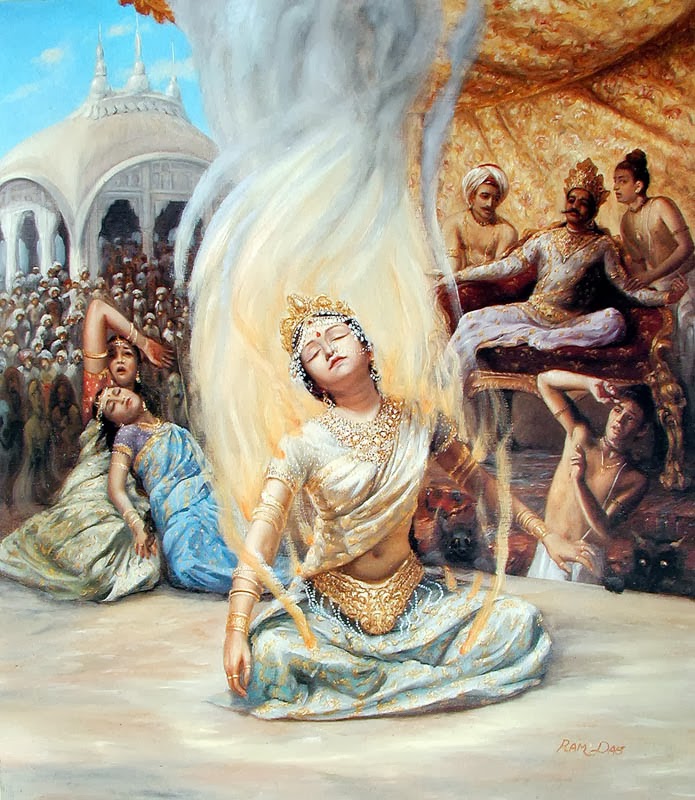
The story centers on Sati, the daughter of Prajapati Daksha, who married Lord Shiva against her father’s wishes. In an act of profound disrespect towards his son-in-law, Daksha organized a grand Yajna (fire sacrifice) and deliberately excluded Shiva and Sati from the invitation. Unable to bear the insult to her beloved husband, Sati journeyed to the Yajna uninvited. When Daksha publicly humiliated Shiva, Sati, consumed by grief and divine fury, immolated herself in the sacrificial fire.
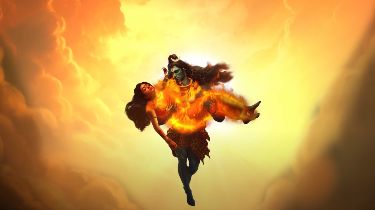
Lord Shiva, devastated and enraged, appeared in his fearsome form, Virabhadra, destroyed Daksha’s ceremony, and beheaded him (later forgiving him and replacing his head with that of a goat). Overwhelmed by sorrow, Shiva took Sati’s lifeless body upon his shoulder and began a cosmic dance of destruction, the Taandav, roaming the universe.
To save the cosmos from Shiva’s uncontrollable grief, Lord Vishnu intervened, using his Sudarshan Chakra to dismember Sati’s corpse. The parts of her body fell at various spots across the Indian subcontinent, and wherever a piece of the divine body landed, a Shakti Peetha was born, sanctifying the ground forever.
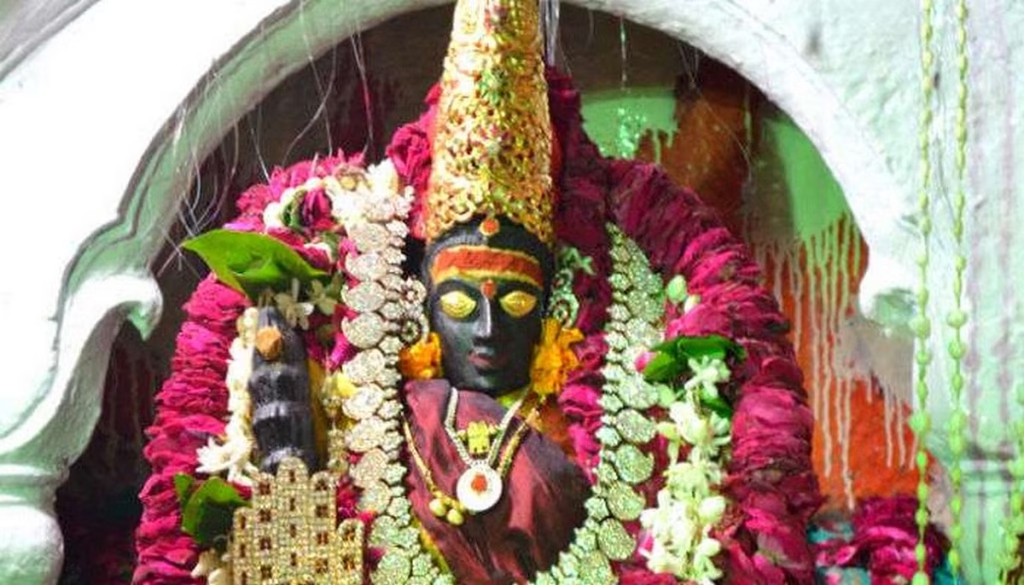
The Vishalakshi Temple in Varanasi is traditionally revered as the sacred spot where Sati’s earrings (Karna Kundala) fell. In some regional variations, it is believed that her eyes or face fell here. This event gave the Goddess her name, Vishalakshi, which is derived from the Sanskrit words Vishala (wide/large) and Akshi (eyes), meaning “The One with Wide, Compassionate Eyes.”
The goddess’s association with the earring, or Manikarna, is also why the famous nearby cremation ground is known as Manikarnika Ghat. This legend affirms that the very essence of the Divine Mother resides within this temple, offering an eternal source of divine energy.
The Architecture: A Southern Sanctuary in a Northern City
The Vishalakshi Temple presents a fascinating architectural paradox. While situated deep in the heart of North India’s most traditional city, its structure strikingly reflects the style of South Indian temple architecture, particularly the Dravidian style.
The current structure of the temple is often attributed to the patronage of the Nattukottai Nagarathar community, a trading group from Tamil Nadu, which explains the distinct South Indian influence.
Key Architectural Features:
- The Gopuram: The entrance is marked by a modest but distinctly South Indian-style gopuram (ornate monumental tower), adorned with intricate carvings and vibrant paintings that depict various deities and mythological scenes. This is a rare sight in Varanasi, where most temples follow the North Indian Nagara style.
- The Sanctum Sanctorum (Garbhagriha): The main shrine houses the idol of Maa Vishalakshi. Interestingly, the temple has two deities in the inner sanctum: the ancient, original small black stone idol known as Adi Vishalakshi, and a newer, larger black stone image that is lavishly adorned with flowers, rich silk, and jewels.
- The Presence of Shiva-Shakti: Reflecting the cosmic union that lies at the heart of the temple’s mythology, a small shrine dedicated to Vishalakshieshwar Mahadev (Lord Shiva) is found near the main sanctum, symbolizing the inseparable nature of the divine feminine (Shakti) and the divine masculine (Shiva) that makes Kashi a complete spiritual center.
- Shri Yantra: It is a strong tradition that the 8th-century philosopher and saint, Adi Shankaracharya, visited this temple and consecrated a Shri Yantra a powerful geometric diagram representing the cosmos and the goddess’s form to revitalize the temple’s divine energies after it faced destruction from various invasions.
The temple’s Dravidian style stands as a beautiful symbol of India’s unified spiritual culture, demonstrating how the devotion to the Divine Mother transcends geographical boundaries.
The Daily Rhythm and Sacred Rituals
The spiritual atmosphere of the Vishalakshi Temple is maintained through a disciplined schedule of daily rituals and Aartis (worship with light), performed with deep devotion.
Temple Timings (Approximate): The temple generally opens early in the morning, around 4:30 AM to 5:00 AM, and remains open until approximately 10:00 PM (with a brief closure in the afternoon). Note: Timings can vary based on festivals and seasons.
Key Rituals and Offerings:
- Morning and Evening Aarti: The day begins and ends with the majestic Aartis, where the goddess is revered with lamps, incense, Vedic hymns, and devotional music.
- Devotional Offerings: Devotees traditionally offer red clothes, red bangles, kumkum (vermilion), flowers, and sweets to the Goddess, as the color red is strongly associated with the fierce and compassionate Mother.
- The Ganga Dip: A visit to the Vishalakshi Temple is often preceded by a ritualistic holy dip in the nearby River Ganga at Mir Ghat, cleansing the soul before approaching the goddess for her blessings.
- Special Vows: The goddess is believed to bless devotees with beauty, wealth, success, and the fulfillment of specific desires. Unmarried girls pray for a good groom, childless couples pray for progeny, and those in distress seek her protection and liberation from sorrow.
The Annual Festivals: Celebrations of the Divine Mother
The temple is at its most vibrant and spiritually charged during its major annual festivals, drawing pilgrims from all over India and the world.
1. Navaratri (Nine Nights)
The most significant festival celebrated here is Navaratri, which occurs twice a year (in March/April as Chaitra Navaratri and September/October as Sharad Navaratri). Over these nine nights, the nine forms of Goddess Durga are worshipped. The temple sees an enormous rush of devotees, who engage in continuous chanting, prayer, and fasting, seeking the protection and blessings of the Mother Goddess.
2. Kajali Tij
A unique and very important festival for the Vishalakshi Temple is Kajali Tij (or Kajli Tritiya), celebrated on the third day of the waning fortnight in the Hindu month of Bhadrapada (usually August). This festival is a significant occasion for married women who fast and pray for the welfare and longevity of their husbands. The spiritual fervor during Kajali Tij is palpable, making it a unique cultural experience tied to the temple.
3. Vishalakshi Mahotsav
This is a special festival honoring the goddess Vishalakshi herself, celebrated with great enthusiasm, special decorations, and a variety of rituals that showcase the temple’s rich traditions.
A Pilgrim’s Guide to Vishalakshi Temple, Varanasi
Visiting the Vishalakshi Temple is a deeply rewarding experience, but navigating the ancient lanes of Kashi requires some preparation.
How to Reach the Temple:
- Location: The temple is situated at Mir Ghat on the banks of the River Ganga, which is very close to the iconic Kashi Vishwanath Temple and the famous Manikarnika Ghat.
- By Air: The nearest airport is Lal Bahadur Shastri International Airport (VNS), approximately 25 km away. Taxis and prepaid cabs are easily available to reach Varanasi city.
- By Rail: Varanasi Junction (BSB) is the main railway station, about 4-5 km from the temple area.
- In Varanasi City: Due to the congested and narrow nature of the old city, motorized vehicles can only go so far.
- The temple is best reached by an auto-rickshaw or taxi to the nearest accessible point (like Godowlia or Maidagin).
- From there, the journey is an immersive walk through the bustling, narrow galis (lanes) of Kashi. It is approximately a 250-meter walk from the Kashi Vishwanath Temple corridor. Walking allows you to truly feel the spiritual pulse of the city.
Essential Visitor Tips:
- Dress Code: Visitors are encouraged to dress modestly as a mark of respect. This generally means covering shoulders and legs. Traditional Indian attire is preferred.
- Best Time to Visit: The cooler months between October and March are ideal for visiting Varanasi. The peak summer months (May-July) are extremely hot.
- Darshan (Viewing): Be prepared for crowds, especially during the Aarti timings and major festivals like Navaratri. The atmosphere is intense but filled with devotion.
- Local Assistance: Consider hiring a reliable local guide for a deeper understanding of the temple’s history and the surrounding area. Be wary of unauthorized priests or touts.
- Footwear: As with all Indian temples, you must remove your shoes before entering the temple complex.
The Eternal Vision of the Wide-Eyed Mother
The Vishalakshi Temple is more than just an architectural marvel or a historical site; it is an energetic vortex that completes the spiritual circuit of Kashi. While Lord Shiva, as Vishwanath, is the King of this ancient city, Maa Vishalakshi, as his divine consort, is its nurturing Queen, embodying the life-force and prosperity of the eternal city.
The Goddess with her “wide eyes” looks upon all creation the devotees, the seekers, the poor, and the wealthy with a gaze of boundless, unconditional motherly love. A pilgrimage to the Vishalakshi Temple is a journey into the heart of the Divine Feminine, a prayer whispered at the feet of the cosmic mother who transforms the sorrow of loss (Sati’s self-immolation) into the ultimate blessing of liberation.
To stand before her is to stand under the watchful, compassionate eyes of the universe, a moment of profound peace that every traveler and pilgrim in Kashi must seek. The sight of this Wide-Eyed Mother in the city of Moksha is a blessing that promises not just wealth and well-being, but the ultimate spiritual fulfillment.
Frequently Asked Questions (FAQ’S)
Where is Vishalakshi Temple located?
It is situated near the famous Manikarnika Ghat in Varanasi, Uttar Pradesh.
Why is Vishalakshi Temple famous?
It is one of the 51 Shakti Peethas where Goddess Sati’s earrings are believed to have fallen.
Which deity is worshipped at Vishalakshi Temple?
The main deity is Goddess Vishalakshi, a form of Goddess Parvati (Shakti).
What is the best time to visit the temple?
The best time is during Navratri or the winter months (October to February) for a comfortable and spiritual experience.
What other temples are nearby?
The Kashi Vishwanath Temple, Annapurna Temple, and Sankat Mochan Hanuman Temple are nearby major attractions.

One thought on “Vishalakshi Temple Varanasi – Sacred Shakti Peetha of Goddess Parvati”