
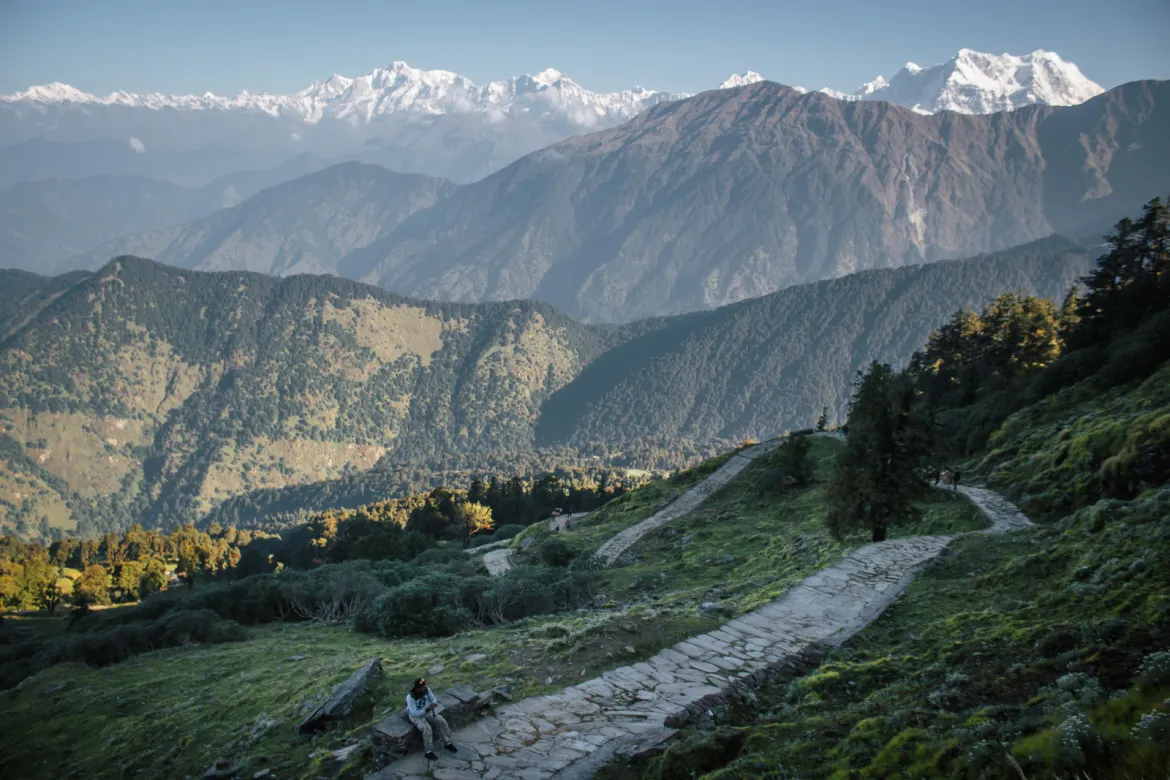
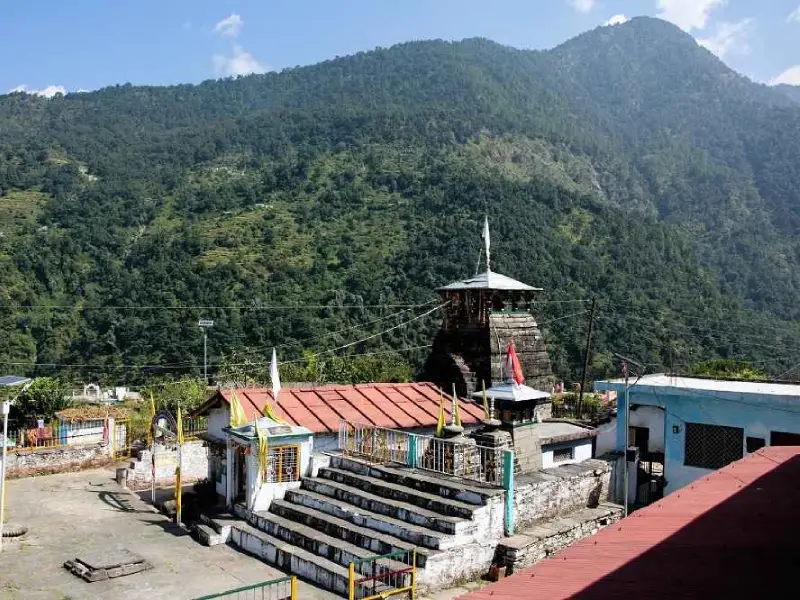
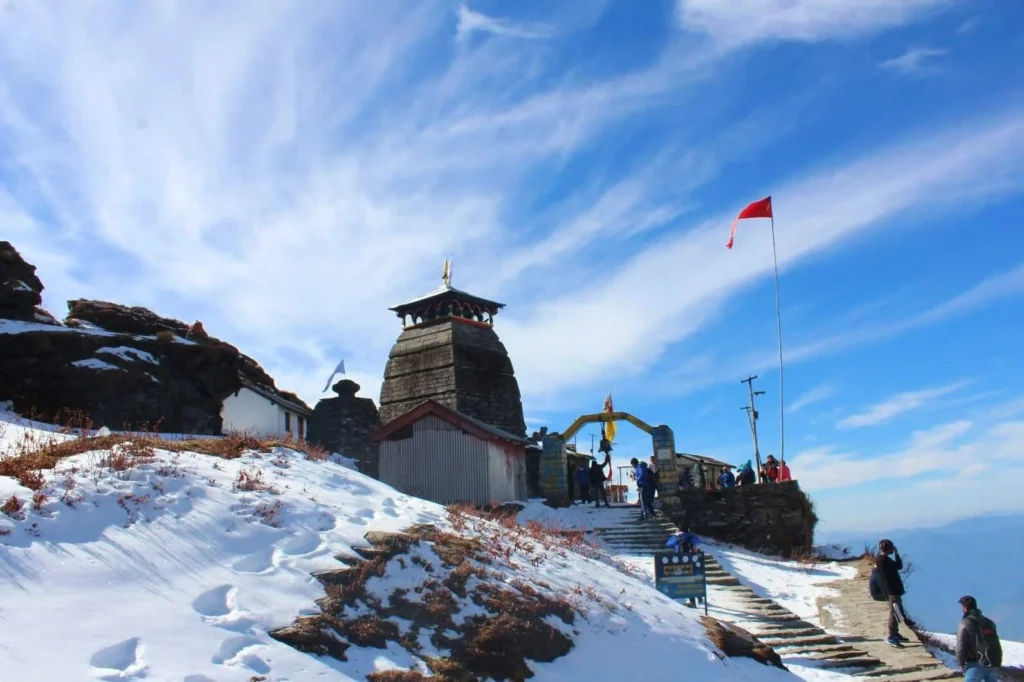
Tungnath temple, literally meaning ‘Lord of the Peaks’ (‘Tung’ meaning peak and ‘Nath’ meaning Lord), is the third (Tritiya Kedar) in the sacred circuit of the Panch Kedar five temples built by the Pandavas to atone for the sin of ‘Gotra Hatya’ (killing kin) during the Kurukshetra war.
The Mythological Foundation (Panch Kedar Legend)
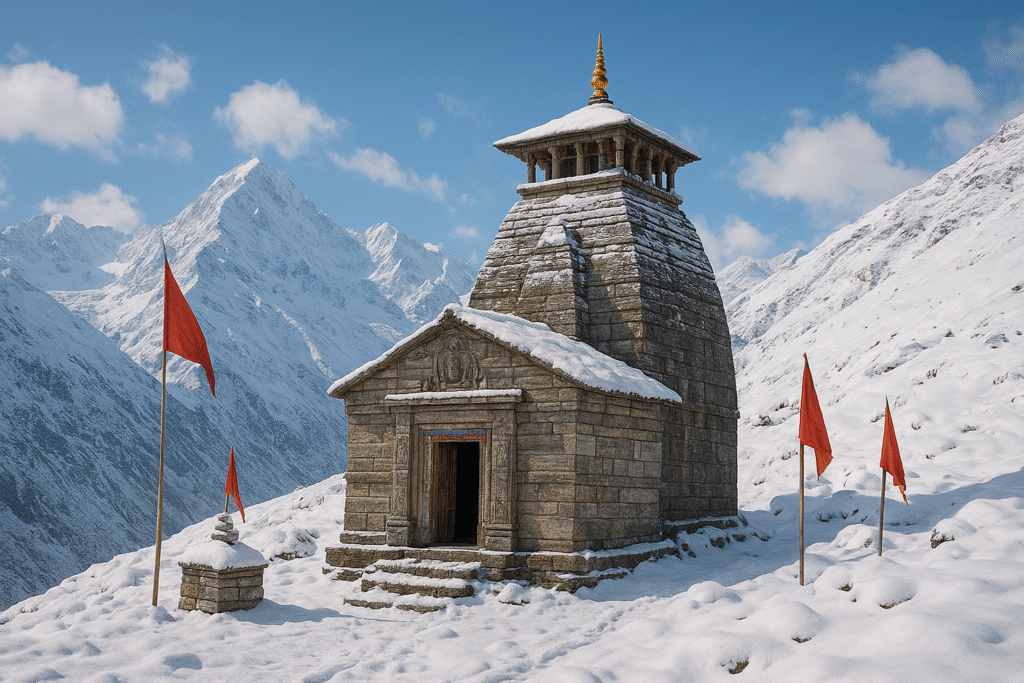
The temple’s history is steeped in the Mahabharata epic. Legend says that after the war, the Pandavas sought out Lord Shiva to be absolved of their sins. However, Shiva, displeased with the loss of life, disguised himself as a bull and retreated to the Garhwal Himalayas.
Bhima, the second Pandava, finally spotted the buffallo near Guptakashi. When he tried to catch it, the bull went underground, later reappearing in five parts at five different locations. These locations became the Panch Kedar:
| Temple | Part of Lord Shiva (Bull) | Altitude (approx.) |
| Kedarnath | Hump (Kubo) | 3,583 m (11,755 ft) |
| Tungnath | Arms (Bahu) | 3,680 m (12,073 ft) |
| Rudranath | Face (Mukh) | 2,286 m (7,500 ft) |
| Madhyamaheshwar | Navel and Abdomen (Nabhi and Madhyam) | 3,497 m (11,473 ft) |
| Kalpeshwar | Hair (Jata) | 2,200 m (7,218 ft) |
Tungnath is the site where the Buffallo ‘Bahu’ (arms) are believed to have emerged. The temple was built by Arjuna, the third Pandava brother, to appease and worship Lord Shiva. This act of devotion eventually freed the Pandavas from their sins.
Architectural Splendor and Age
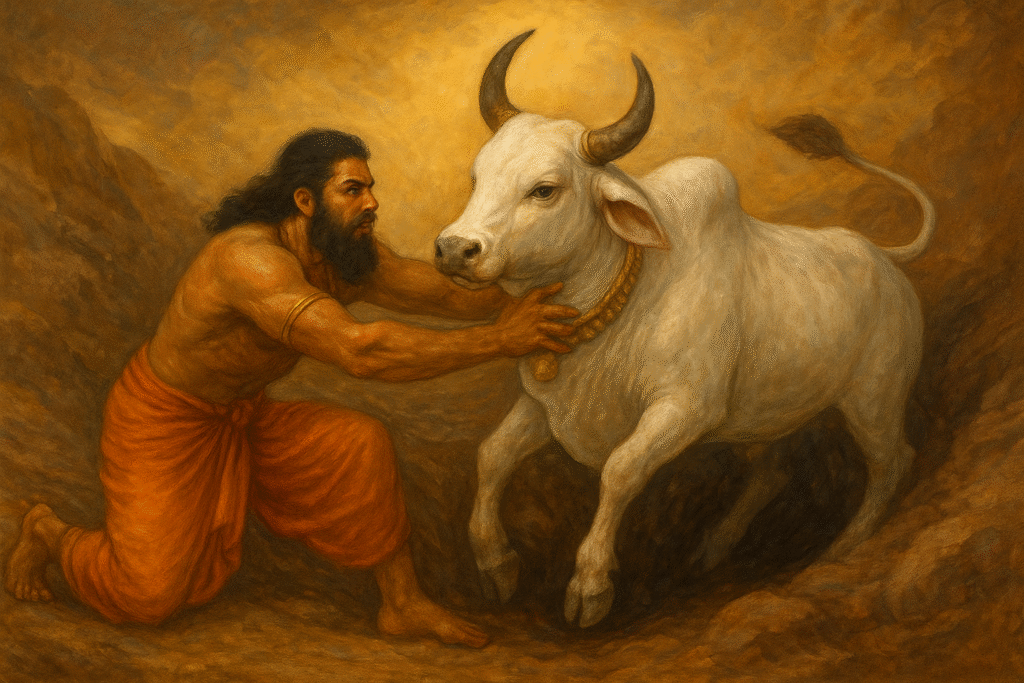
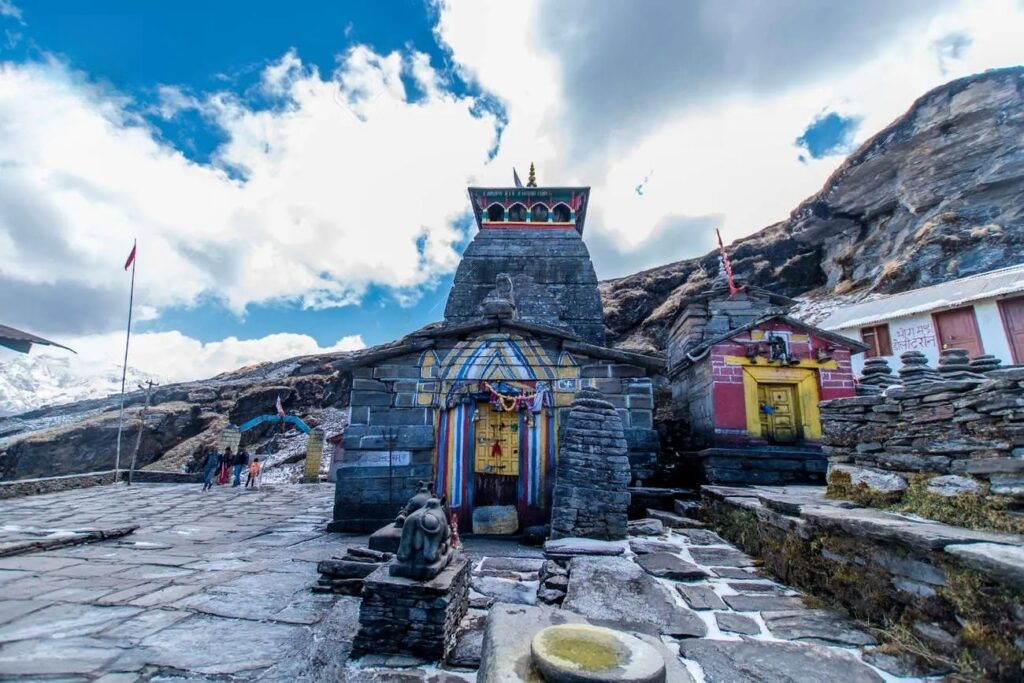
Believed to be over 1000 years old, the temple showcases a unique North Indian architectural style. It is constructed primarily of grey stone slabs, with a distinct structure and a small, main sanctum (garbhagriha) housing the symbolic image of Lord Shiva. Dozens of smaller shrines dedicated to other Gods and Goddesses, including Goddess Parvati, surround the main structure. A stone image of Nandi, the bull vehicle of Shiva, faces the deity at the entrance.
The Winter Seat
Due to its extreme altitude, Tungnath receives heavy snowfall, rendering it inaccessible for half the year. The temple closes its doors around November and reopens in late April or early May, coinciding with the festival of Akshaya Tritiya. During the winter closure, the symbolic idol of Lord Shiva is moved to its winter seat at the Markandeshwar Temple in Makkumath Village for worship.
The Journey : The Tungnath Trek
The trek to Tungnath is famously known as the easiest-to-reach Panch Kedar and is accessible to beginners, yet it delivers some of the most spectacular Himalayan vistas.
Starting Point: Chopta (The ‘Mini Switzerland’ of Uttarakhand)
- Base Camp: Chopta, situated at an altitude of approximately 2,680 meters (8,790 ft).
- Chopta to Tungnath Distance: The trek is a manageable 3.5 km one-way.
- Grade: Easy to Moderate. While the trail is short, it involves a consistent uphill climb, which can be taxing due to the altitude.
- Trekking Time: It typically takes 2 to 4 hours to reach the temple from Chopta, depending on an individual’s fitness level.
The Trail Experience
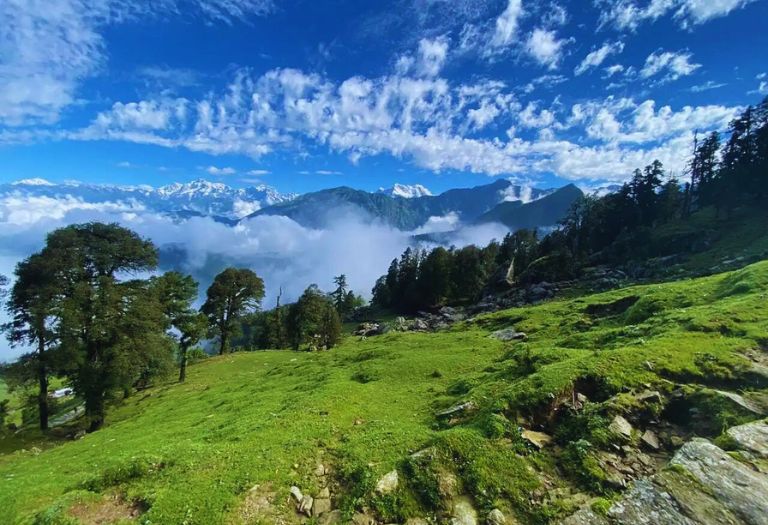
The entire 3.5 km path is well-laid and stone-paved, making navigation straightforward. The trek winds through:
- Dense Rhododendron and Oak Forests: In spring (April-May), the path is lined with blooming red and pink rhododendrons, creating a stunning burst of colour.
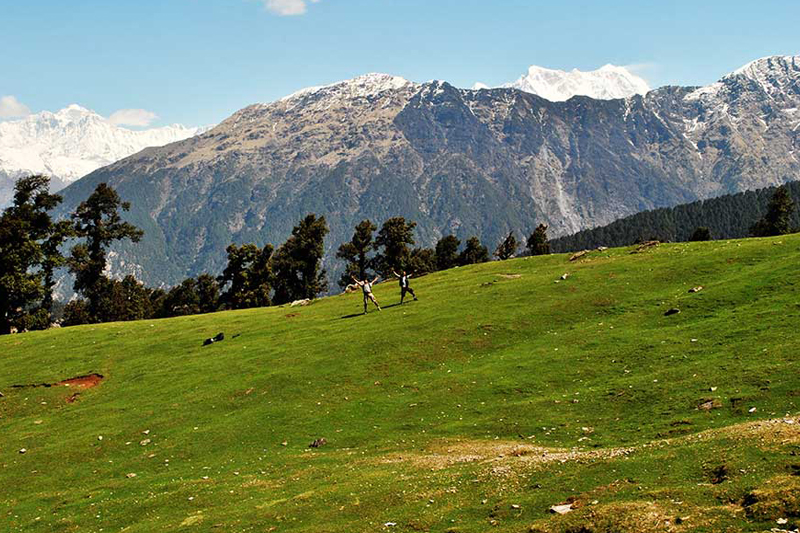
- Lush Green Alpine Meadows (Bugyals): As you ascend, the tree line recedes, opening up to vast, emerald meadows that offer expansive, unobstructed views.
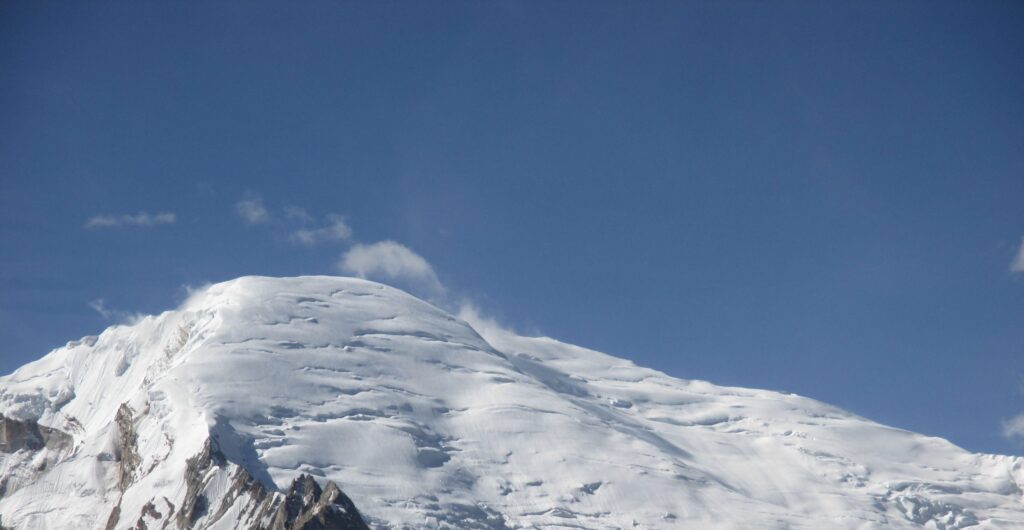
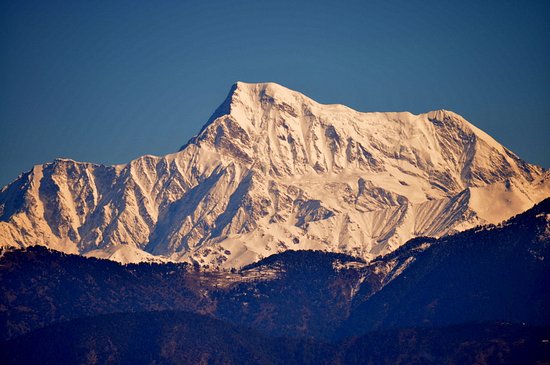
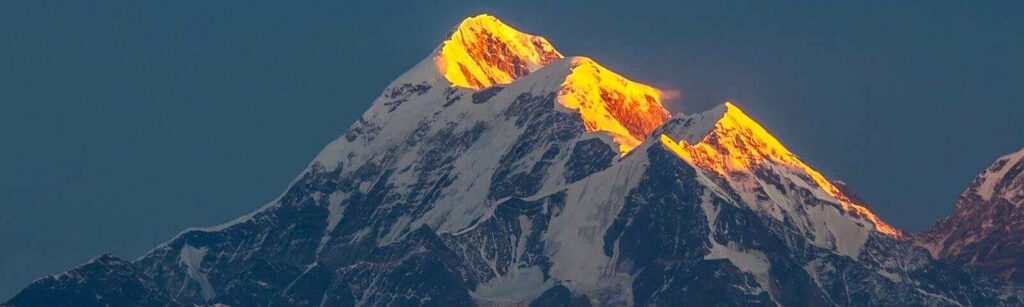
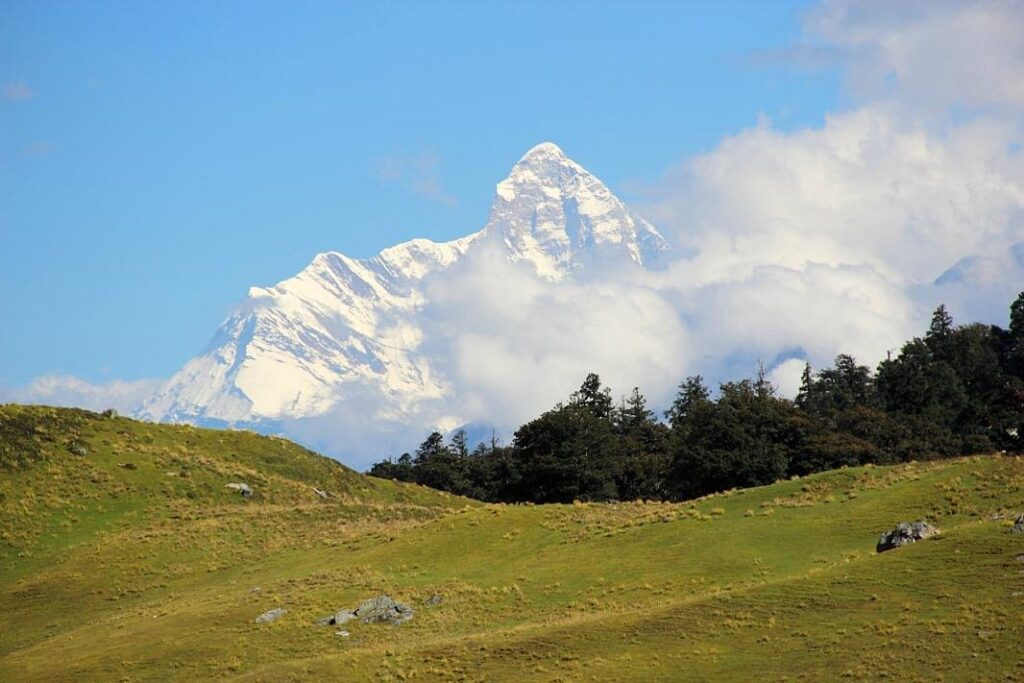
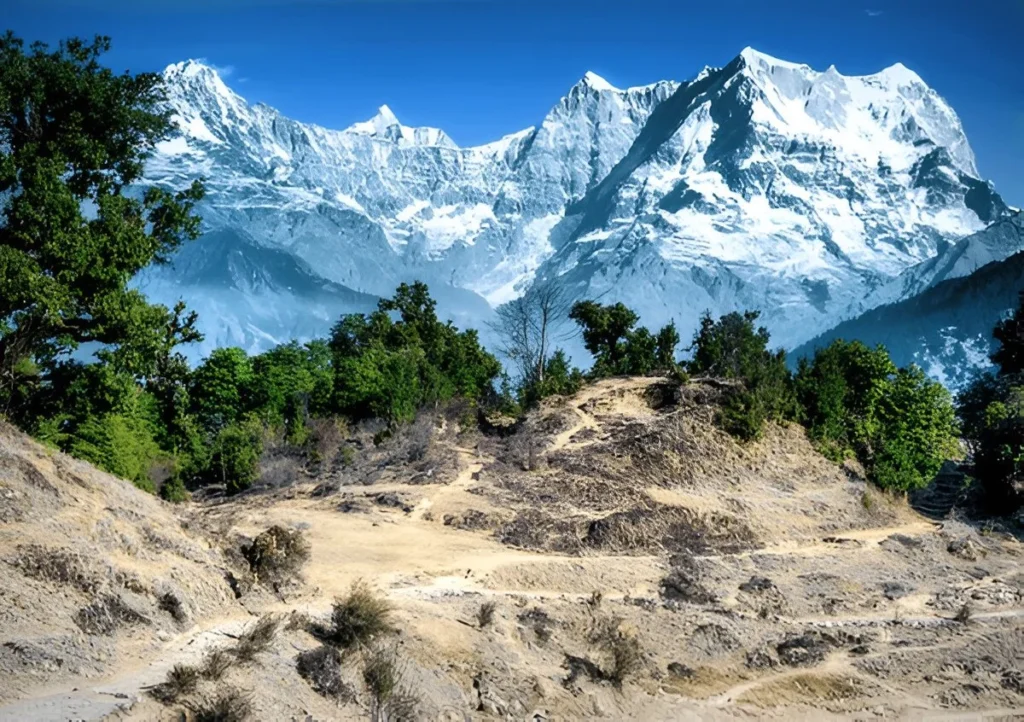
- Panoramic Himalayan Views: Throughout the trek, you are constantly rewarded with breathtaking views of formidable snow-capped peaks, including the colossal Chaukhamba, Nanda Devi, Trishul, Nanda Ghungati, and Kedardome.
The Chandrashila Summit Extension
Most trekkers extend their journey by an additional 1.5 km (one-way) from the Tungnath Temple to the Chandrashila Summit (approx. 4,000 meters / 13,123 ft).
- Chandrashila Trek: This final section is steeper and more challenging than the Tungnath trail.
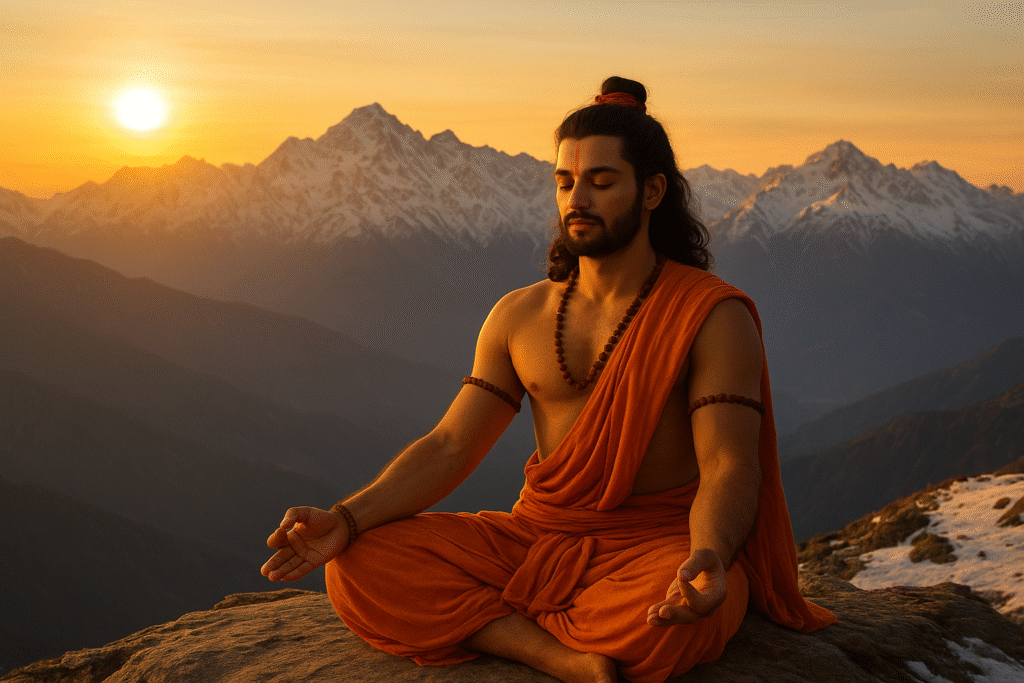
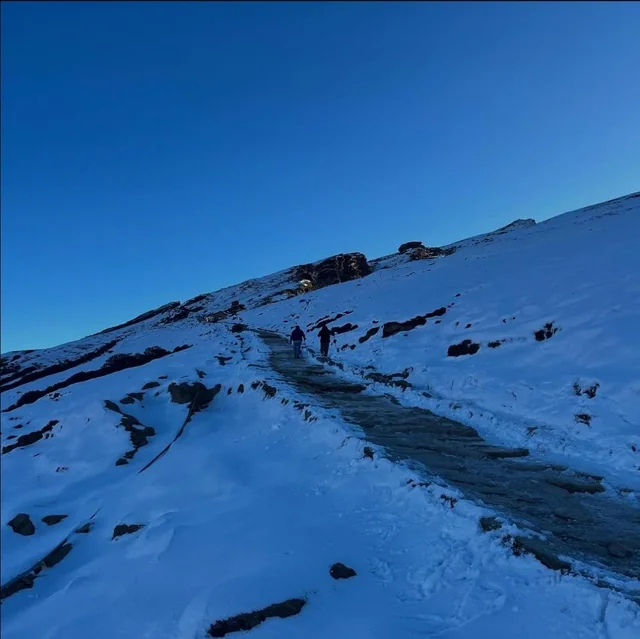
- The Reward: The summit offers a mesmerizing 360-degree panoramic view of the Himalayas, including an unmatched spectacle of the sunrise over the snow peaks a view that makes the pre-dawn climb utterly worthwhile. The summit is also where Lord Rama is believed to have meditated after defeating Ravana.
The Logistics: How to Reach Tungnath from Delhi
The journey from the national capital, Delhi, to the base camp of Chopta is an adventure in itself, typically broken down into a multi-day itinerary.
The Delhi to Chopta Route
- Total Distance: Approximately 400 – 450 km.
- Travel Time (Road): 10 – 12 hours (excluding breaks).
- Primary Route: Delhi → Haridwar/Rishikesh → Devprayag → Rudraprayag → Ukhimath → Chopta.
Transportation Options from Delhi
| Mode of Transport | Details | Estimated Time | Notes |
| By Road (Self-Drive / Taxi) | The most direct option. Follow the route to Rishikesh and then proceed towards Rudraprayag and Chopta. Mountain driving experience is essential. | 10 – 12 hours | Ideal for flexibility and scenic stops. |
| By Train (Most Common) | Take a train from Delhi to Haridwar (approx. 6 hrs) or Rishikesh / Yog Nagri Rishikesh (approx. 7 hrs). From there, hire a taxi or take a shared cab/bus to Chopta. | 6-7 hours (Train) + 7-8 hours (Road) | Cost-effective and comfortable for the first leg. |
| By Bus | Regular buses (AC/Non-AC/Volvo) run from Delhi’s Kashmiri Gate to Haridwar or Rishikesh. From there, change to local buses or shared taxis to Ukhimath, and finally a short taxi ride to Chopta. | 6-7 hours (Bus) + 7-8 hours (Road) | The most budget-friendly option. |
| By Air | Fly from Delhi (DEL) to Jolly Grant Airport, Dehradun (DED). Hire a private or shared taxi directly from the airport to Chopta. | 1 hour (Flight) + 8 hours (Road) | Fastest but most expensive option. |
Suggested 3-Day Itinerary from Delhi
| Day | Activity | Notes |
| Day 1 | Delhi to Chopta: Travel from Delhi to Chopta by your chosen mode. The road journey from Rishikesh onwards is highly scenic, passing through the confluence (Prayags) of the Alaknanda and Bhagirathi rivers. | Overnight stay in Chopta/Baniyakund in a guesthouse or camp. Essential for acclimatization. |
| Day 2 | Chopta – Tungnath – Chandrashila Trek: Start the trek early (ideally pre-dawn for Chandrashila sunrise). Reach Tungnath, visit the temple, and then ascend to Chandrashila Peak. Descend back to Chopta. | The total round-trip trek is approx. 8-10 km. Allow 7-8 hours in total. |
| Day 3 | Chopta to Delhi: After breakfast, commence the return journey to Delhi. | Leave early to reach Delhi by late evening. |
The Right Season: Best Time to Visit Tungnath
Tungnath offers dramatically different and equally stunning experiences depending on the season. The temple is only accessible for approximately six months a year due to heavy snowfall.
| Season | Months | Temperature | Experience |
| Summer (Peak Season) | May to June | Day: 15°C – 25 °C Night: 5 °C – 10 °C | Best for Pilgrims and Families. Pleasant weather, clear skies, lush meadows, and the full bloom of rhododendrons in May. The temple is officially open. |
| Monsoon/Post-Monsoon | July to September | Day: 12 ° C – 18 °C Night: 8 °C – 12 °C | The hills are at their greenest. July/August should be avoided due to slippery trails and a higher risk of landslides/cloudy skies. September is excellent post-monsoon, with a fresh, green landscape and clear views. |
| Autumn (Shoulder Season) | Late September to November | Day: 10 ° C- 15 °C Night: 0° C – 5 °C | Best for Trekkers. Crisp weather, exceptionally clear skies, and stunning mountain views. Pre-winter chill sets in, making the experience invigorating. The temple closes mid-November. |
| Winter (Snow Trek) | December to April | Day: 5 °C / Night: Sub-zero, down to 10°C | For Experienced Trekkers Only. The region is blanketed in 4-7 feet of snow. The trek is challenging, requiring proper gear (snow boots, gaiters) and experience. The temple is closed, and the deity is at Makkumath. |
Beyond the Temple: Sightseeing and Rich Experiences
The Chopta-Tungnath-Chandrashila region is a haven of natural and spiritual attractions that complete the Himalayan experience.
1. Chandrashila Peak (The ‘Moon Rock’ Summit)
The crown jewel of the trek. Reaching the summit at 4,000 meters (13,123 ft) is a spiritual and physical achievement. The 360-degree view of the colossal Garhwal peaks from here at sunrise or sunset is legendary.
2. Deoria Tal (The Lake of the Gods)
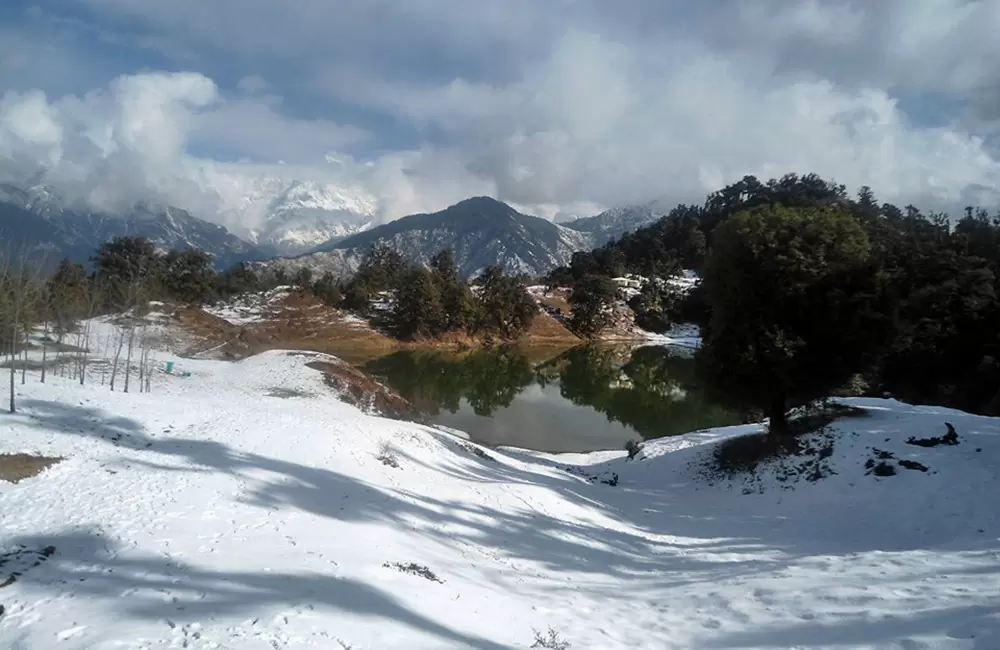
Located near the Sari village, Deoria Tal is a pristine, emerald lake situated at an altitude of approximately 2,438 meters (8,000 ft).
- Trek: A relatively easy 2.5 – 3 km trek from Sari Village.
- The View: On a clear day, the lake offers a spectacular reflection of the mighty Chaukhamba Massif on its crystal-clear waters, a sight that defines Himalayan beauty. Camping is often done near the lake.
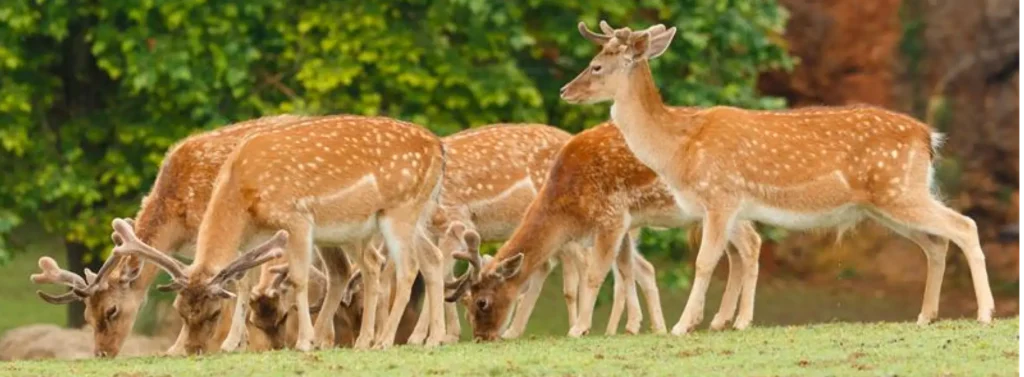
3. Kanchula Korak Musk Deer Sanctuary
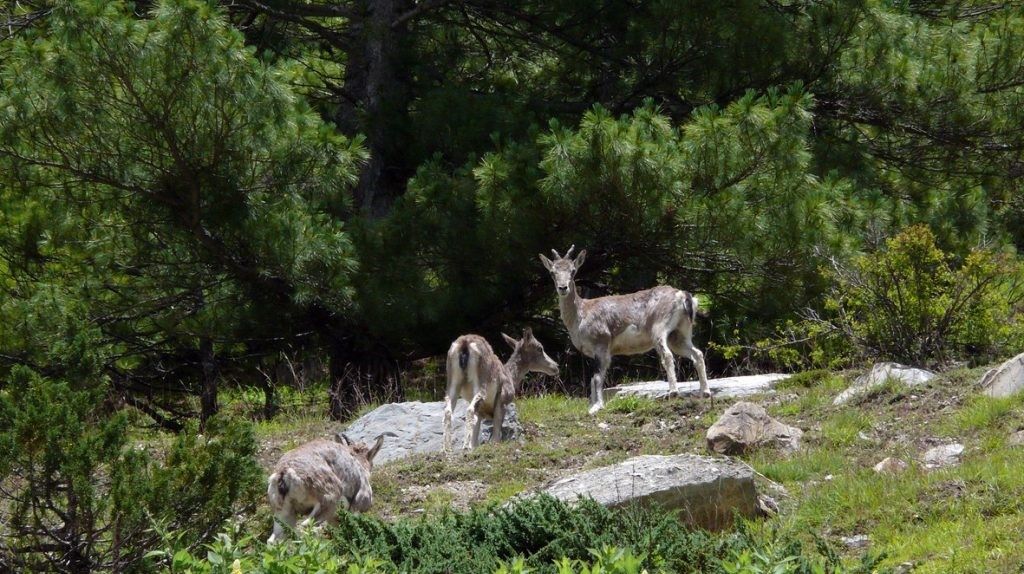
Located near Chopta, this sanctuary was established for the protection and breeding of the endangered Himalayan Musk Deer. While spotting a Musk Deer is rare, the sanctuary is an excellent place for:
- Bird Watching: It’s a birder’s paradise, home to Monal (the state bird of Uttarakhand), Koklass Pheasant, and various rare finches.
- Exploring the Himalayan Flora: The reserve boasts diverse vegetation, including dense alpine forests and medicinal herbs.
4. Ukhimath (The Winter Abode)
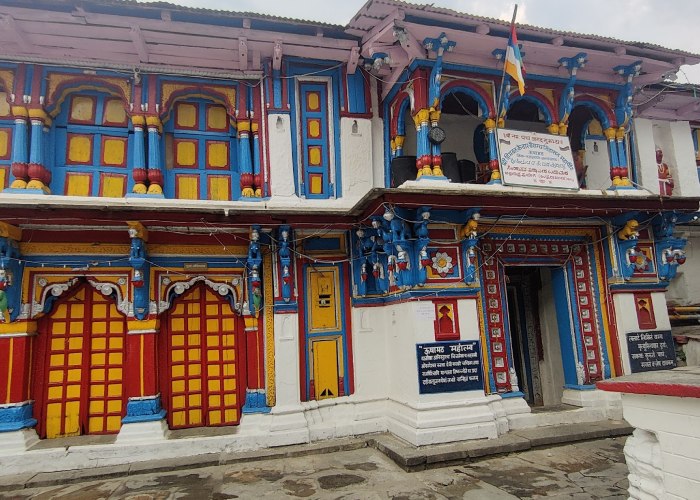
A significant pilgrimage town situated at a lower altitude (approx. 1,300m). Ukhimath houses the Omkareshwar Temple, which becomes the winter seat for the deities of both Kedarnath and Tungnath. Visiting this ancient temple offers a deep dive into local Garhwali spiritual traditions.

5. Rohini Bugyal
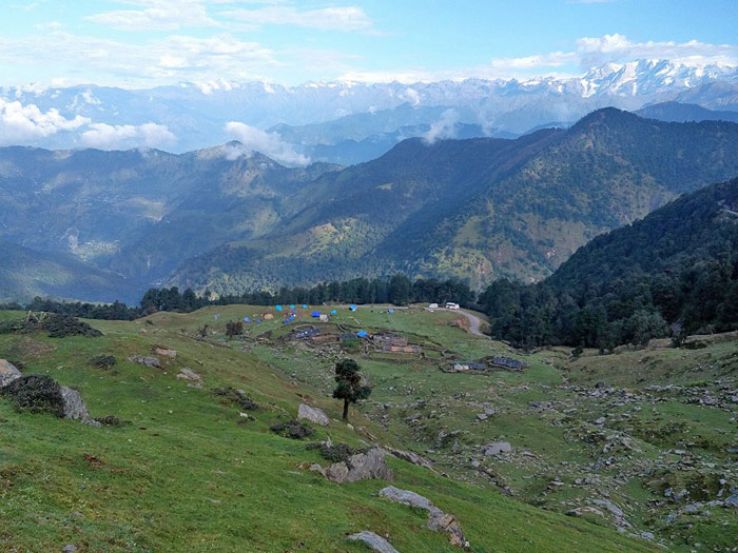
An uncharted meadow located a short trek away, offering a tranquil environment surrounded by thick forests and panoramic views of peaks like Kedarnath and Chaukhamba. It’s a perfect spot for peaceful contemplation and camping.
FAQs on Tungnath Temple:
Where is Tungnath Temple located?
Tungnath is in Rudraprayag district, Uttarakhand, near Chopta in the Garhwal Himalayas.
Why is Tungnath Temple famous?
It is the highest Shiva temple in the world (around 3,680 meters) and part of the sacred Panch Kedar.
What is the legend behind Tungnath?
It is believed to be where Lord Shiva’s hands appeared after he hid from the Pandavas post-Kurukshetra war.
How to reach Tungnath Temple?
The temple is accessible via a 3.5 km trek from Chopta, known for its scenic beauty.
What is the best time to visit Tungnath?
May to October is ideal, as the temple remains closed during heavy snowfall in winter.
Is trekking to Tungnath difficult?
The trek is considered easy to moderate, making it suitable even for beginners.
What is the height of Tungnath Temple?
It stands at about 3,680 meters (12,073 feet) above sea level.
Can we visit Chandrashila along with Tungnath?
Yes, Chandrashila peak is just 1.5 km ahead of Tungnath and offers panoramic Himalayan views.
Is accommodation available near Tungnath?
Yes, basic guesthouses and camps are available in Chopta, the nearest base village.
Is accommodation available near Tungnath?
Yes, basic guesthouses and camps are available in Chopta, the nearest base village.

5 thoughts on “Tungnath Temple – World’s Highest Shiva Temple in Uttarakhand”