
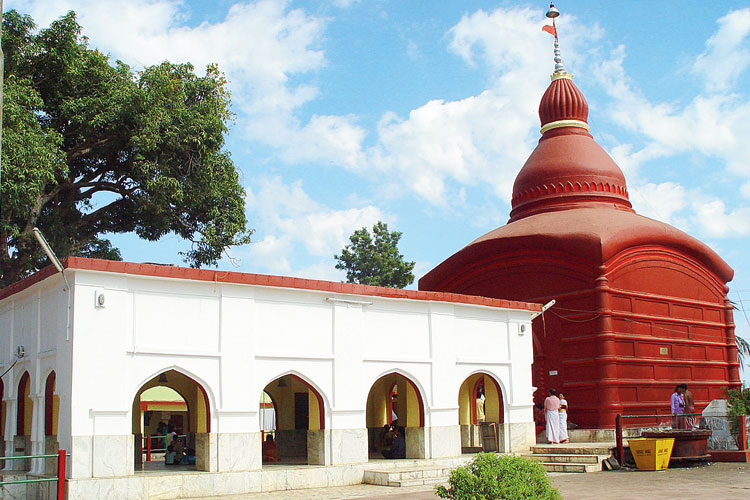
The Tripura Sundari Temple, locally known as the Tripureshwari Temple, stands as the zenith of Hindu pilgrimage in the northeastern state of Tripura. Nestled on a small hilltop in the town of Udaipur (the erstwhile capital of the Manikya kings), this shrine is not merely a place of worship but a convergence point of cosmic mythology, royal history, and profound spiritual power. As one of the 51 principal Shakti Peethas, it is sanctified by the legend of Goddess Sati and is the eternal abode of Tripura Sundari, the “Beauty of the Three Worlds.”
The Cosmic Origin: Sati’s Right Foot
The primary significance of the Tripureshwari Temple stems from its designation as a Shakti Peetha. These sites mark the spots where body parts of Goddess Sati, the first consort of Lord Shiva, fell during Shiva’s cosmic dance of destruction (Tandava) following her self-immolation.

The Sacred Relic
According to Hindu Puranas, it is believed that the Dakshina Pada (Right Foot) of Goddess Sati fell here. This single event transformed the isolated hill, which already resembled the shape of a tortoise (Kurma), into a ground zero of divine energy, earning it the name Kurma Peeth.
The Manifestation of the Divine
At this sacred spot, the Goddess is worshipped in two major forms:
- Shakti (The Goddess): Tripura Sundari (also known as Tripureshwari or Sodashi). She is a key figure among the Dash Mahavidyas (Ten Wisdom Goddesses), representing the ultimate beauty and power of the sixteen-year-old girl (Sodashi), symbolizing the universe in its complete and perfect state.
- Bhairava (The Consort): The corresponding male energy, Lord Shiva, is worshipped here as Tripuresh or Tripuresha. His presence is essential, as the Shakti Peethas are defined by the inseparable union of Shiva and Shakti.
The energy that pervades the temple is of the highest order, inviting devotees to seek not just material well-being, but spiritual liberation and a deeper understanding of the cosmic play.

A Royal Legacy: History and Architecture
The physical structure and enduring fame of the Tripura Sundari Temple are inextricably linked to the powerful Manikya Dynasty that ruled Tripura for centuries.
The Builder: Maharaja Dhanya Manikya
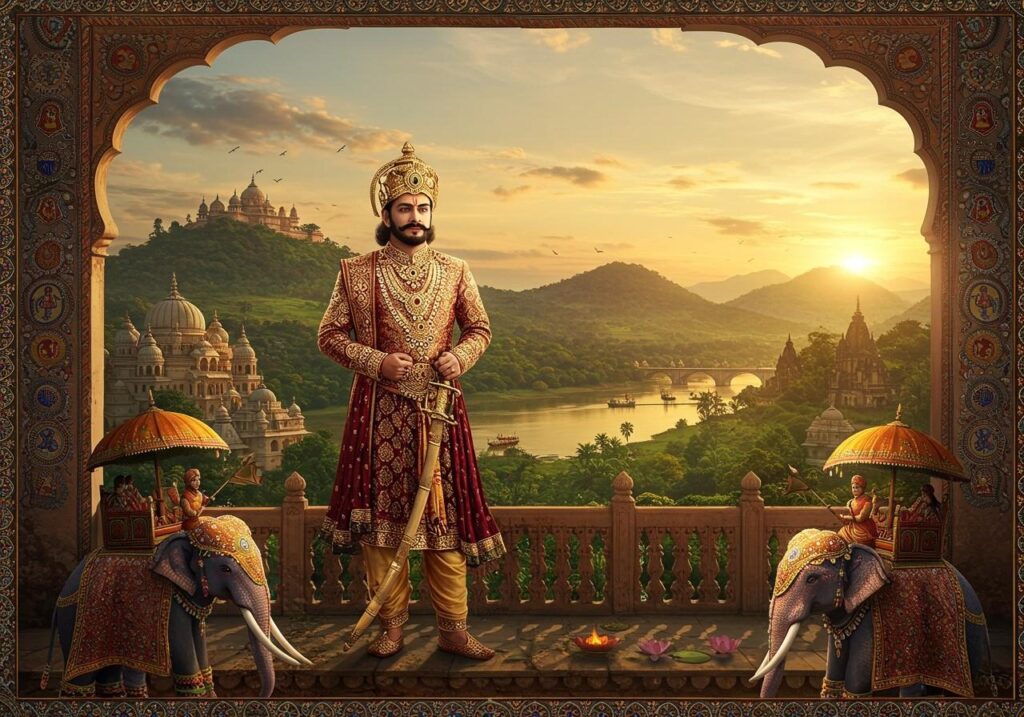
The temple was constructed in 1501 AD by Maharaja Dhanya Manikya, a revered ruler known for his military prowess and patronage of the arts and religion. Legend has it that the King had a divine dream instructing him to establish the shrine on the Kurma Peeth.
The construction of the temple was a monumental undertaking, securing the place of the royal family and the people under the protection of the Goddess. The temple quickly became the Kuladevata (family deity) of the Manikya Kings and the spiritual capital of the kingdom.
Architectural Style: The Bengali Influence
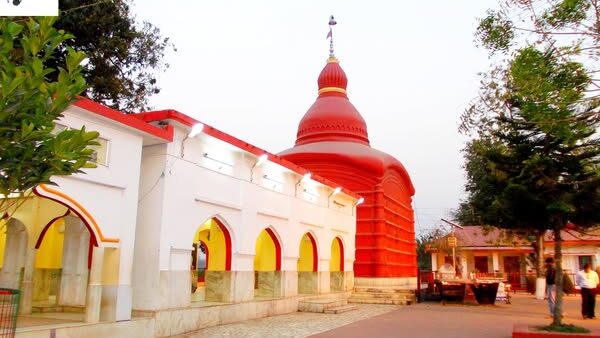
The Tripureshwari Temple is an exemplary model of the Bengali Ek-Ratna (single spire) style of architecture. This style features:
- Square Base: The main structure rests on a square platform.
- Conical Dome: A single, prominent conical dome caps the structure, a distinctive feature of the regional temple architecture.
- A-T-Chala Roof: The style often mimics the thatched roofs of rural Bengali huts, adapting them into permanent brick and stone structures, which signifies the Goddess’s connection to the land and the common people.
The temple’s structure is a historical testament to the cultural and architectural intermingling between Tripura and Bengal.
The Dual Idols: Bara Maa and Choti Maa
A truly distinctive feature of the sanctum is the presence of two nearly identical, but size-differentiated, idols:
- Bara Maa (The Elder Mother): This is the main five-foot idol of Goddess Tripura Sundari, the primary object of daily worship and major rituals.
- Choti Maa (The Smaller Mother): This two-foot replica holds immense symbolic and historical value. It is believed to be the idol that Maharaja Dhanya Manikya would carry with him to battle, seeking the Goddess’s protection and guidance. Today, this idol is used for ceremonial processions and travels, ensuring the Goddess is always accessible to her devotees.
The Sacred Precincts: Beyond the Sanctum
The temple complex is vast and rich with other elements that enhance its sacred aura and complete the pilgrimage experience.
The Kalyan Sagar
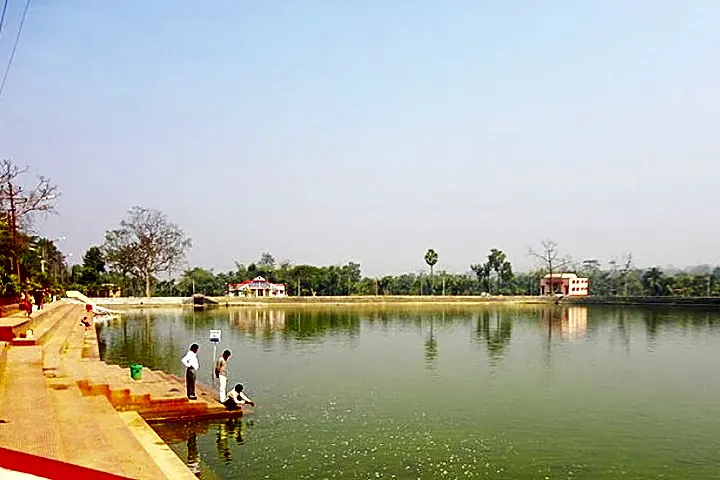
Adjacent to the temple lies the expansive Kalyan Sagar, a large natural lake named after the royal efforts to consecrate it. This lake is integral to the spiritual ecosystem of the temple.
- Sacred Fauna: The lake is famous for its large population of rare and sacred freshwater turtles (Kurma). These turtles are considered manifestations of the Kurma Avatar (Tortoise Incarnation) of Lord Vishnu, adding another layer of Vaishnavite significance to the predominantly Shakta (Goddess-centric) shrine. Devotees often feed the turtles with puffed rice or biscuits, a devotional act believed to bring merit.
- Ritual Bathing: Pilgrims traditionally perform a cleansing ritual dip in the Kalyan Sagar before entering the temple for darshan.
Surrounding Shrines
While Tripura Sundari is the primary deity, the complex and its vicinity are home to other significant shrines, including those dedicated to Lord Shiva and other deities, reflecting the inclusive nature of Hindu worship in the region.
A Pilgrim’s Comprehensive Guide to Tripureshwari
A journey to the Tripura Sundari Temple is an immersion in history, faith, and the vibrant culture of Tripura.
Best Time to Visit (The Climatic Window)
The ideal time for a comfortable visit is during the dry winter months, from October to March.
- Winter (October – March): The weather is pleasant, dry, and cool, making travel and long hours of darshan comfortable.
- Monsoon (June – September): The state experiences heavy rainfall, which can sometimes disrupt travel plans and make walking around the complex less convenient.

Major Festivals and Fairs
The temple is the site of the state’s largest religious gathering, transforming Udaipur into a colossal pilgrimage site during:
- Diwali Mela (Tripura Sundari Fair): This is the most crucial festival. The grandest celebration occurs during Kali Puja/Diwali (usually October/November). A massive, three-day fair is held near the temple, drawing lakhs of devotees from across India and Bangladesh. The atmosphere is electrified with spiritual fervor, light, and cultural activities.
- Navaratri: Both the Sharadiya Navaratri (Autumn) and the Chaitra Navaratri (Spring) are celebrated with elaborate rituals, special pujas, and the recitation of the Devi Mahatmyam (the glory of the Goddess).
Temple Timings and Rituals
| Event | Approximate Timings | Notes |
| Temple Opening | 5:00 AM – 6:00 AM | The start of daily rituals and darshan. |
| Mangala Aarti | Dawn | The ritual to awaken and adore the Goddess. |
| Daily Puja & Bhog | Throughout the Day | Continuous offering and rituals performed by the temple priests. |
| Sandhya Aarti | Dusk | The evening Aarti (worship with lamps) is a beautiful, deeply spiritual experience. |
| Temple Closing | 9:00 PM – 10:00 PM (Varies) | Closing time often extends significantly during the Diwali Mela. |
Note: The temple follows traditional rules regarding rituals and offerings. Devotees are advised to dress modestly. Photography inside the main sanctum is generally restricted.
Access and Travel Logistics
The temple is centrally located in Udaipur, Gomati District, making it reasonably accessible from the state capital.
| Mode of Travel | Nearest Major Point | Distance & Connectivity |
| By Air | Agartala Airport (IXA) | Approximately 55 km from Udaipur. IXA is well-connected to major Indian cities like Kolkata, Delhi, and Guwahati. Taxis and buses are readily available for the 1.5-hour drive to Udaipur. |
| By Rail | Udaipur Tripura Railway Station | The town has a functional station, but for inter-state travel, the nearest major railhead might be Agartala or Kumarghat, connected to Guwahati. |
| By Road | Agartala | Udaipur is connected to Agartala by NH 8 (erstwhile NH 44). State buses (Tripura Road Transport Corporation – TRTC) and shared/private taxis offer regular service. |
| Local Travel | Udaipur Town | The temple is easily reachable from the town centre via rickshaws and auto-rickshaws. |
Accommodation and Facilities
Udaipur is a smaller town compared to Agartala, but it offers sufficient accommodation options:
- Hotels and Guesthouses: Budget-friendly and mid-range options are available in Udaipur.
- Tripura Tourism Development Corporation (TTDC) Lodge: These lodges often provide reliable, comfortable accommodation and can be a good choice for pilgrims.
- Dharamshalas: Traditional pilgrim rest houses are sometimes available for devotees.
Spiritual Significance and Devotional Practices
The Tripura Sundari Temple is a powerful center for the practice of Shaktism, the devotion to the Divine Mother.
The Power of Sodashi
As Tripura Sundari (or Sodashi), the Goddess is the embodiment of the universe itself youthful, luminous, and eternally beautiful. Her worship is believed to grant not only material prosperity and relief from suffering but also the highest spiritual knowledge and salvation (moksha). She controls the three worlds (Tri-pura) and is the ultimate source of creation, maintenance, and destruction.
Offerings and Vows
Devotees come with deep reverence, offering the traditional Panchopachara Puja (five offerings): sandalwood paste, flowers, incense, light (lamp), and food (Naivedyam). The act of feeding the sacred turtles in the Kalyan Sagar is also considered a meritorious offering.
In essence, a pilgrimage to the Tripura Sundari Temple in Udaipur is a profound journey to the source of the cosmic feminine energy. It is where ancient legend meets royal history, and where the faithful can feel the presence of the Goddess, Tripura Sundari, in her most luminous and powerful form.
What is Tripura Sundari Temple?
Tripura Sundari Temple is a revered Hindu temple in Udaipur, Tripura, dedicated to Goddess Tripura Sundari, one of the 51 Shakti Peeths.
Where is Tripura Sundari Temple located?
It is located in Udaipur, Tripura, approximately 55 km from Agartala, surrounded by dense forests and hills.
Which part of Goddess Sati is associated with this temple?
The temple is believed to be where the heart of Goddess Sati fell, giving it immense religious significance.
What are the temple timings?
The temple is generally open from 6:00 AM to 9:00 PM, with special pujas during festivals.
Which festivals are celebrated at Tripura Sundari Temple?
Major festivals include Durga Puja, Navratri, and Kali Puja, attracting thousands of devotees every year.
How can one reach Tripura Sundari Temple?
The temple is accessible by road from Agartala. The nearest airport is Maharaja Bir Bikram Airport, Agartala.
Are there accommodation options nearby?
Basic hotels and guest houses are available in Udaipur town. For more options, travelers can stay in Agartala.
Any tips for visiting the temple?
Visit early morning for peaceful darshan, follow temple rules, and wear modest attire. Carry water and plan for a day trip if coming from Agartala.

One thought on “Tripura Sundari Temple Udaipur Tirpura – Shakti Peeth”