
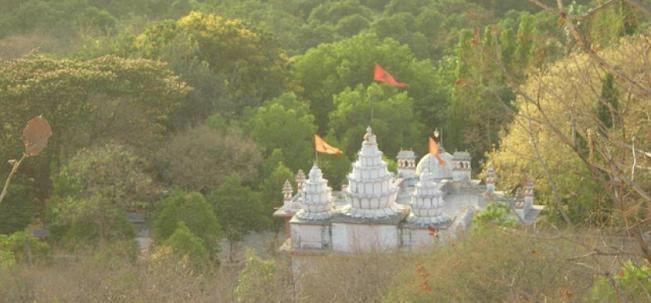
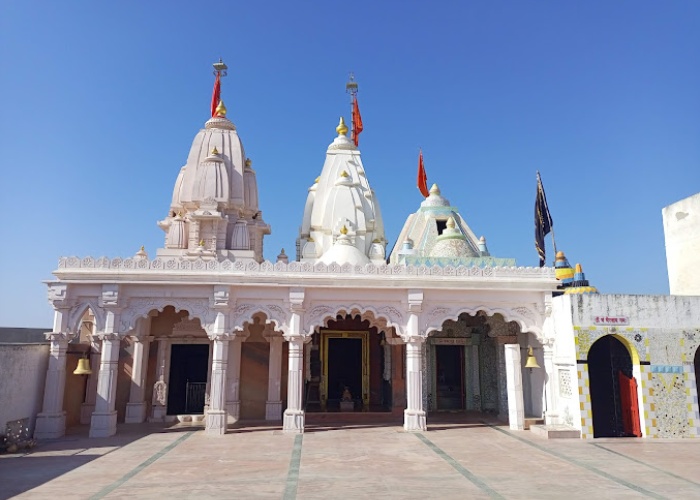
The Prabhas Shakti Peeth, located in the ancient pilgrimage town of Prabhas Patan near Veraval in Gujarat, stands as one of the 51 Shakti Peethas across the Indian subcontinent. It is a site steeped in profound mythology, intertwining the narrative of Goddess Sati’s sacrifice with the ultimate destiny of Lord Krishna and the eternal cycle of creation and dissolution. Visiting this Peeth is a powerful journey to a place of deep spiritual significance, often associated with both the fierce power of the Divine Mother and the quiet sanctity of a timeless pilgrimage center.
Mythology and Deities of the Peeth
The establishment of Prabhas as a Shakti Peeth is inextricably linked to the central legend of Goddess Sati, the destructive grief of Lord Shiva, and the divine intervention of Lord Vishnu.
The Sacred Body Part
Following Sati’s self-immolation in her father Daksha’s yagna, Lord Shiva carried her lifeless body across the cosmos in his devastating Tandava. To pacify Shiva and restore cosmic balance, Lord Vishnu used his Sudarshan Chakra to cut Sati’s body into 51 pieces.
- Body Part: At Prabhas Patan, it is believed that the Stomach portion (Udar-bhāga) of Goddess Sati fell to earth. Some Puranic accounts also refer to this as the location where her Ornament (Tattoo) fell.
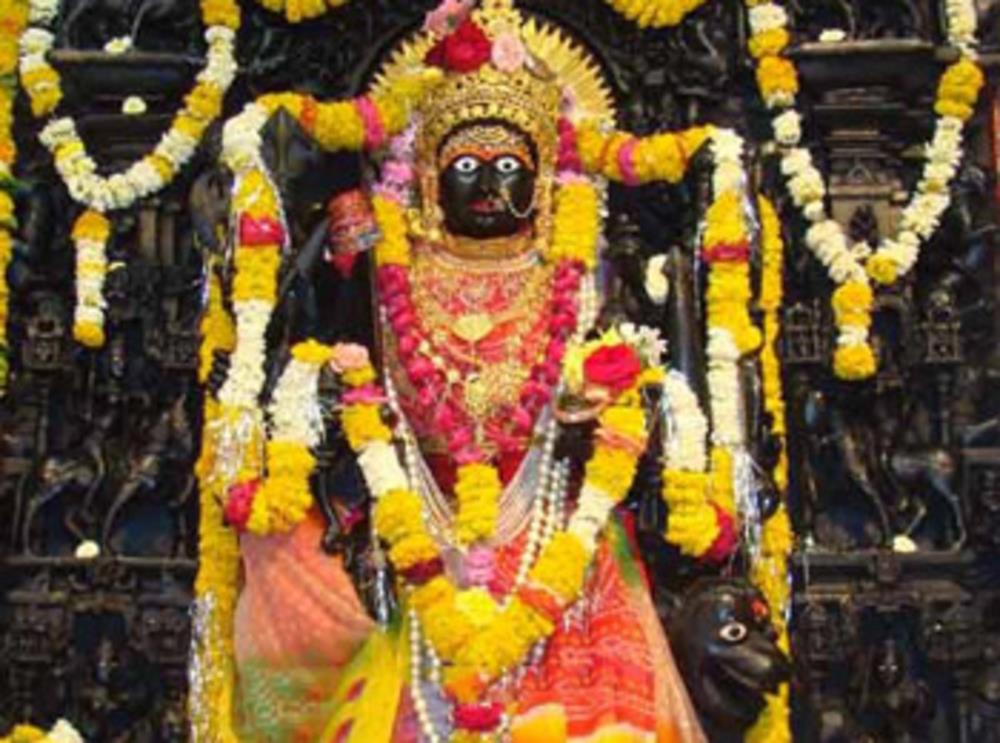
- Deity of the Peeth (Shakti): The Divine Mother is worshipped here as Maa Chandrabhaga. This name itself is significant, derived from the local River Hiran believed to be a confluence of the three ancient rivers, Hiran, Kapila, and Saraswati which flows into the Arabian Sea near the temple. ‘Chandra’ refers to the moon, linking the Goddess to the moon’s cyclical power of growth and decay, and her role as a source of life.
- Guardian (Bhairava): Lord Shiva, the eternal consort and protector of the Peeth, is revered as Vakratunda (The one with the curved trunk/face) or Bhadrasen. The Bhairava form signifies the presence of Shiva as the custodian of this powerful energy field.
The Ancient Site: Prabhas Patan and Somnath
The location of the Prabhas Shakti Peeth is marked by an extraordinary concentration of holiness, which dramatically enhances its spiritual significance.
The Land of the Moon Lord
The town of Prabhas Patan itself derives its name from ‘Prabhas’, which means “lustre” or “splendor,” a name bestowed because it is believed to be the place where the Moon God, Chandra, regained his luster after being cursed by Daksha Prajapati. To be cured, Chandra worshipped Lord Shiva, and Shiva manifested as the first Jyotirlinga at this very spot.
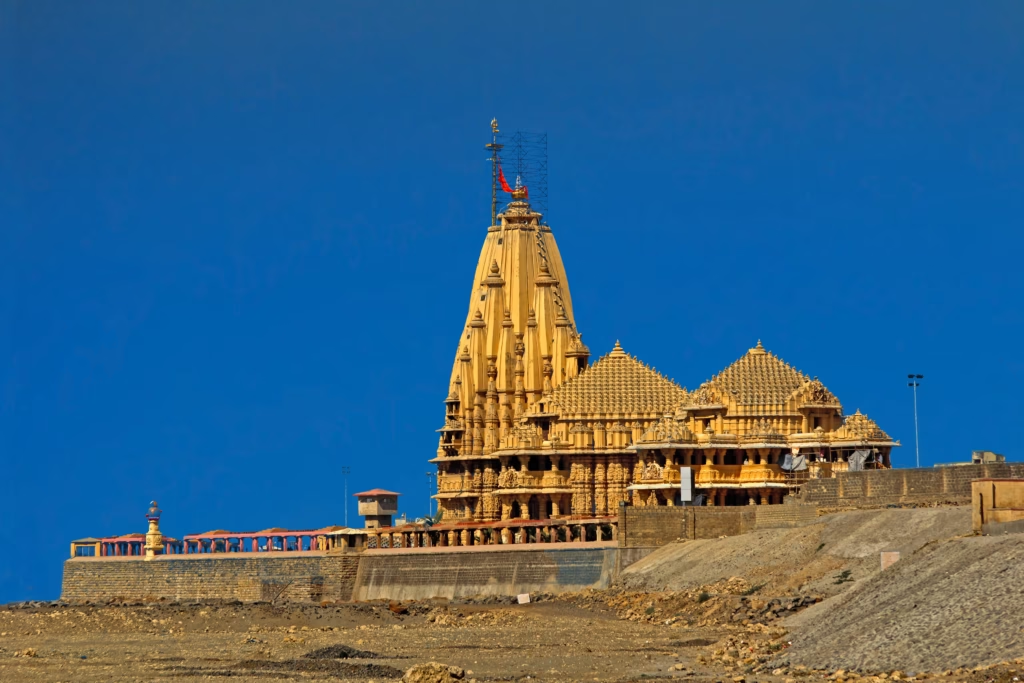
The Prabhas Shakti Peeth is thus located right beside the renowned Somnath Temple, the most sacred among the twelve Jyotirlingas, making it a rare site where the ultimate powers of Shiva (the Jyotirlinga) and Shakti (the Peetha) exist side-by-side. This dual sanctity makes a pilgrimage here particularly potent, offering devotees the opportunity to seek the blessings of the Divine Feminine and Masculine energies simultaneously.
The End of the Yadu Dynasty
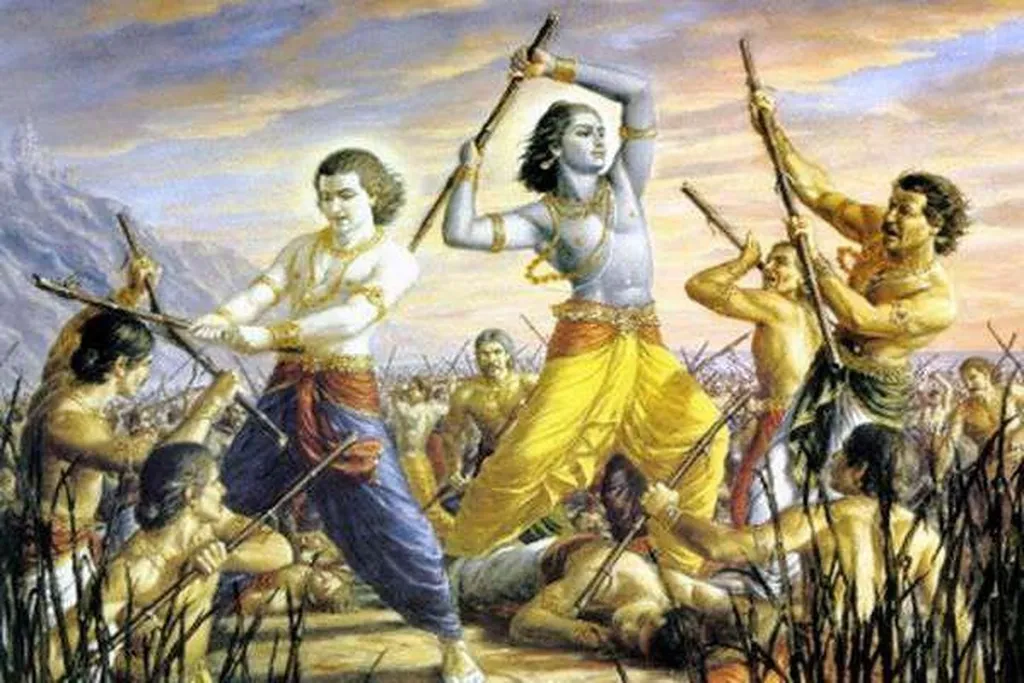
The spiritual gravity of Prabhas Patan is further solidified by its association with the final chapter of Lord Vishnu’s avatara, Lord Krishna. Puranas and the epic Mahabharata narrate that Prabhas is the precise location where the Yadu dynasty (Krishna’s clan) met its end through a destructive internecine war, spurred by a curse.
Furthermore, Lord Krishna himself chose to leave his mortal body at the nearby spot of Bhalka Teerth, having been struck by the arrow of a hunter named Jara. The place where Krishna performed his final rest and ascended to his divine abode is known as Dehotsarg Teerth. The proximity of the Shakti Peeth to these sites reinforces the theme of moksha (liberation) and the ultimate end of all worldly cycles (time, destruction, and recreation) under the gaze of Maa Chandrabhaga.
Spiritual Experience and Pilgrimage
The pilgrimage to Prabhas Shakti Peeth is an immersive experience in faith, history, and spiritual energy.
The Rituals and Architecture
While the Somnath temple has witnessed repeated destruction and reconstruction over the centuries, the Prabhas Shakti Peeth retains the ancient energy of its foundation. The architecture reflects the regional style, often incorporating the resilience of the local stone.
Devotees arriving at the Peeth perform rituals that begin with bathing in the sacred confluence of the three rivers (Hiran, Kapila, and Saraswati) at the Triveni Sangam nearby. This bath is seen as an act of purification before seeking darshan (sacred sight) of the Goddess Chandrabhaga and Lord Vakratunda Bhairava.
- Seeking Blessings: Pilgrims primarily pray to Maa Chandrabhaga for protection, the fulfillment of desires, and to find stability amidst the flux of life a reflection of the Peeth’s association with the cyclical nature of time and the profound historical events it has witnessed.
- Festival Time: The Peeth comes alive during festivals, most notably Navaratri, the nine-night celebration dedicated to the Goddess. During this time, special pujas (worship rituals) are performed, hymns are chanted, and the atmosphere becomes charged with devotion, drawing devotees from across the nation and the world.
A Journey of Contemplation
A visit to Prabhas is not merely about visiting a temple; it is a journey into the deepest layers of Hindu belief:
- The Power of Time: The site, located at the very place where the Moon God was cured and Lord Krishna departed, serves as a powerful reminder of the relentless and transformative nature of time (Kala).
- The Unity of Deities: The shared space with the Somnath Jyotirlinga illustrates the foundational Hindu philosophy of the non-duality between Shiva (Purusha) and Shakti (Prakriti) the cosmic consciousness and the primal energy.
- The Promise of Liberation: Standing at a location so intimately linked with the end of a yuga (epoch) and the passing of a major deity, the Peeth offers a sense of profound finality and the promise of ultimate liberation (moksha) for those who approach it with sincere faith.
In essence, the Prabhas Shakti Peeth is a cornerstone of Hindu sacred geography, a sentinel of time where the sacrifice of Sati, the resilience of Shiva, and the departure of Krishna converge, offering a spiritual experience that is both ancient and eternally relevant
Frequently Asked Questions(FAQ’s)
Where is Prabhas Shakti Peeth located?
Prabhas Shakti Peeth is located in Somnath, Gujarat, near the famous Somnath Temple, one of the twelve Jyotirlingas of Lord Shiva.
Why is Prabhas Shakti Peeth famous?
It is believed that Goddess Sati’s stomach fell at this spot, making it one of the 51 sacred Shakti Peethas. The goddess here is worshipped as Chandreshwari or Sati, and Lord Shiva as Vakratunda.
What are the temple timings?
The temple remains open from 5:00 AM to 8:00 PM, with special aartis performed during Navratri and Mahashivratri.
How can I reach Prabhas Shakti Peeth?
The temple is easily accessible from Somnath city. The nearest railway station is Veraval (7 km away), and the nearest airport is Diu Airport (65 km away).
When is the best time to visit Prabhas Shakti Peeth?
The best time to visit is from October to March, when the weather is pleasant and festival celebrations are in full swing.
Are there accommodations near Prabhas Shakti Peeth?
Yes, Somnath offers a range of hotels, dharamshalas, and guest houses suitable for pilgrims and tourists.

One thought on “Prabhas Shakti Peeth – History, Location & Temple Timings”