
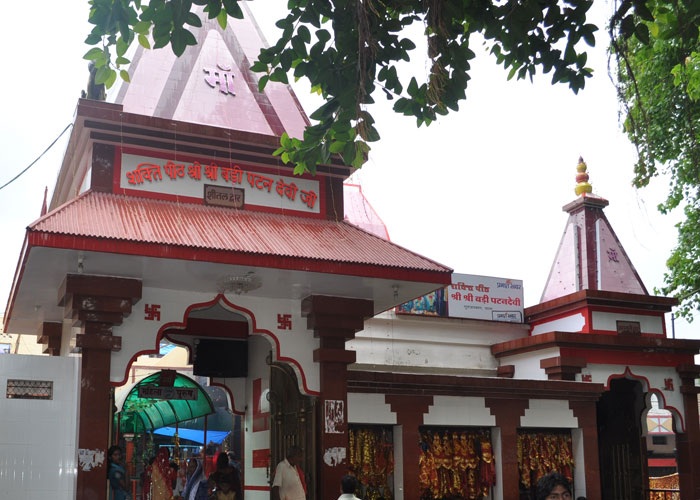
The Patan Devi Temple, located in the historic city of Patna, Bihar, is far more than just a place of worship; it is a profound journey into the heart of Hindu mythology, an epicenter of Shakti worship, and the spiritual anchor of the city whose very name is believed to be derived from the Goddess herself. Revered as one of the 51 Siddha Shakti Peethas, this ancient shrine holds an unparalleled place in the religious landscape of India.
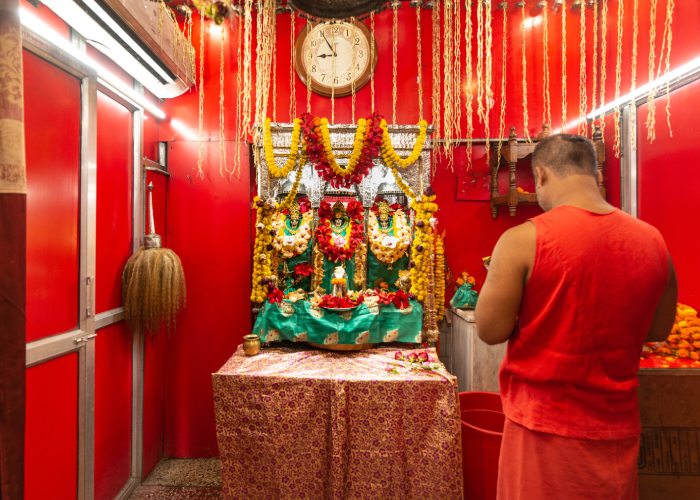
The Divine Nexus: Patan Devi as a Shakti Peetha
The ultimate significance of Patan Devi Temple rests on the foundational myth of the Shakti Peethas. The legend traces back to the primordial grief and cosmic dance of destruction, the Tandava.
The Myth of Sati and the Shakti Peethas
According to the Puranic Legends, Sati, the daughter of Prajapati Daksha and the first consort of Lord Shiva, immolated herself in the sacrificial fire (Yajna) of her father. This tragic act was in protest of her father’s deliberate humiliation of her husband, Lord Shiva. Distraught and enraged, Shiva carried Sati’s lifeless body on his shoulder and began the catastrophic Tandava, threatening to destroy the universe.
To save the cosmos, Lord Vishnu intervened, using his celestial discus, the Sudarshan Chakra, to dismember Sati’s body. The spots on the earth where her body parts or ornaments fell became consecrated as Shakti Peethas seats of divine energy where the Goddess, in her various forms, is eternally present.

The Sacred Site of the Right Thigh
The Patan Devi Temple is the sacred spot where, as per tradition, the ‘right thigh’ of Devi Sati’s corpse fell. This vital and powerful part of the body imbues the site with immense spiritual power, making it a Siddha Peetha—a place where spiritual desires are fulfilled and the grace of the Mother Goddess, Patneshwari, is easily attained.
The City and the Goddess: Maa Patneshwari
The ancient temple, originally known as Maa Sarvanand Kari Patneshwari (meaning the Goddess who brings bliss to all and is the ruler of Patan), is intrinsically linked to the history of Patna.
Origin of the City’s Name
A widely held belief is that the modern city of Patna derives its name from the name of the goddess, Patan Devi. She is thus regarded as the Nagar Devi or the presiding deity and protector of the city. While some historical theories suggest the name comes from patan (meaning a town or port of trade), the spiritual connection to Maa Patneshwari is deeply ingrained in the local faith and folklore.
The Trinity of Goddesses
The Patan Devi complex is unique in that the divine power is worshipped in two distinct temples, known locally as Bari Patan Devi (the bigger) and Chhoti Patan Devi (the smaller), located in two different areas of Old Patna City (Maharajganj and Chowk, respectively).
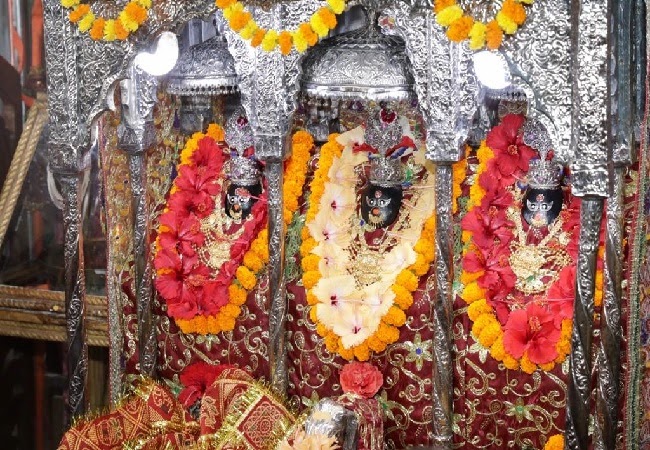
The primary focus is the Bari Patan Devi Temple. Within its sanctum (Garbha Griha), the Goddess is enshrined in her triple form, representing the three cosmic powers:
- Maha Kali: The destructive, transformative power.
- Maha Lakshmi: The sustaining power of wealth and prosperity.
- Maha Saraswati: The creative power of knowledge and wisdom.
These three black stone idols, adorned in vibrant sarees and crowns, are said to have protected Putraka, the founder of Pataliputra (the ancient name of Patna). Alongside the Goddesses stands an idol of Vyom Bhairav (also sometimes referred to simply as Bhairav), the fiercely protective male consort of the Goddess, an embodiment of Lord Shiva.
A Guide to the Temple Complex and Worship
A pilgrimage to Patan Devi is a journey into the spiritual and architectural heritage of Bihar.
Architecture and Ambience
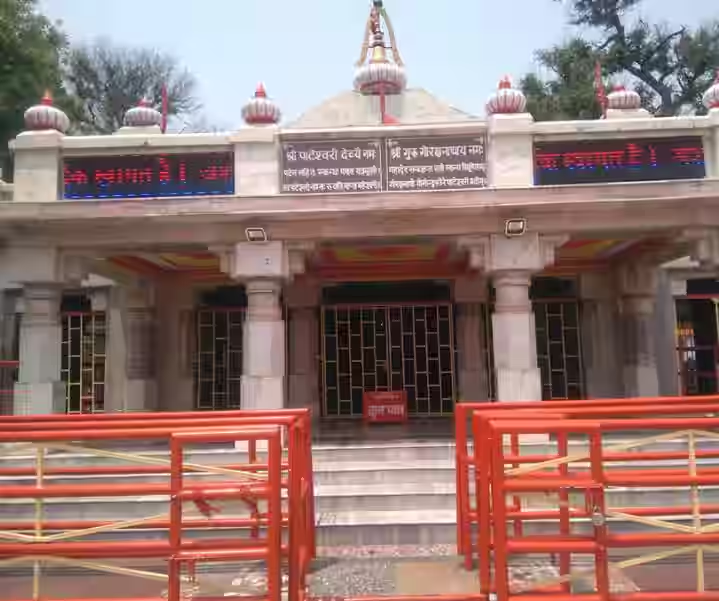
The architecture of the temple complex, especially the Bari Patan Devi, reflects several centuries of evolution. While some fragmentary relics suggest an original temple dating back to the 9th-11th Century CE, the current structure is believed to have undergone significant rebuilding, possibly by Man Singh, the famous general of Mughal emperor Akbar, in the 16th-17th century. The temple’s exterior might be simple, but the interior pulsates with a tangible spiritual energy.
- Bari Patan Devi Temple: Generally faces North, towards the Ganges River. The idols are placed on high simhasans (thrones). A large Havan Kund (fire pit) is prominently situated in front of the sanctum, where devotees continuously offer worship materials.
- Chhoti Patan Devi Temple: Located a few kilometers away in the Chowk area. Historically, some accounts suggest this was once the primary presiding deity. Devotees often consider their pilgrimage complete only after visiting both temples.
Timings and Rituals
The temple is generally open for devotees from 5:00 AM to 10:00 PM (though visitors are advised to check current timings).
The routine worship (nitya karma) includes:
- Morning and Evening Bathing: The deities are bathed in the morning and evening.
- Aarti and Hymns: This is followed by Aarti (waving of lamps) with the reciting of sacred hymns, accompanied by the ringing of bells and conches.
- Offerings: Devotees typically offer sweets (prasad), garlands, and fruits. The priest marks the devotee’s forehead with Rori (red powder) as a sign of blessing.
- Tantric Worship: Patan Devi is a major center for Tantrik and Shakti Upasana. A special, brief period of Tantrik Puja is often performed daily, during which devotees might be restricted from entering the inner sanctum to maintain the sanctity of the powerful rituals.
- Shringar Puja: A special decorative Shringar Puja is often performed every Thursday.
Major Festivals
The spiritual fervor reaches its peak during the two Navratris (nine nights dedicated to the Goddess), especially the Sharad Navratri (Aswin/Autumn) which culminates in Dussehra/Vijayadashmi.
- Mela (Fair): A vibrant fair is held near the temples during this period, with thousands of devotees thronging for Darshan, particularly on Saptami, Ashtami, and Navami.
- Chhath Puja: Patan Devi is also strongly associated with the grand Chhath Puja festival of Bihar, drawing devotees for ceremonial observances.
Travel Guide for Pilgrims
Visiting the Patan Devi Temple requires navigating the bustling lanes of Old Patna City, but the spiritual reward is immense.
How to Reach
Patna is well-connected by air, rail, and road.
- By Air: The nearest is Jay Prakash Narayan International Airport (PAT). The temple is about 14 to 18 km from the airport.
- By Train: The nearest major railhead is Patna Junction (PNBE), located approximately 8-10 km from the Bari Patan Devi Temple.
- By Road: Auto-rickshaws, taxis, and local buses are readily available from the Railway Station and Airport. Given the temple’s location in the older, congested part of the city, using smaller auto-rickshaws or cycle-rickshaws for the final distance is often practical.
Essential Tips for Visitors
- Dress Code: Maintain decorum by dressing conservatively, respecting the sanctity of the place of worship.
- Peak Hours: Try to visit during the morning or evening Aarti for a truly immersive experience, but be prepared for a heavy crowd, especially on Tuesdays and during festivals.
- Be Vigilant: The area around religious sites can be crowded; be aware of your belongings.
- Local Transport: Take the help of locals if navigating the narrow lanes of Patna City, as GPS can sometimes be misleading.
- Twin Temple Visit: For a complete pilgrimage experience, devotees traditionally make a point of visiting both the Badi Patan Devi and Chhoti Patan Devi temples.
Beyond the Temple Walls
Patan Devi stands at the nexus of several significant historical and religious sites in Patna, making it an excellent starting point for exploring the city’s rich heritage.
- Takht Sri Harmandir Ji Patna Sahib: One of the five main Takhts (seats of authority) of Sikhism, marking the birthplace of Guru Gobind Singh, is nearby.
- Agam Kuan: An ancient, unfathomable well linked to the Maurya Emperor Ashoka, showcasing the city’s deep archaeological roots.
- Kumhrar Park: The site of the excavated ruins of ancient Pataliputra, including the Assembly Hall of the Mauryan Empire.
Patan Devi Temple is a vibrant tapestry woven with mythology, history, and unwavering faith. It is not just a relic of the past but a dynamic center of divine energy where the eternal Mother Goddess, Patneshwari, continues to bestow her grace, ensuring the prosperity and protection of Patna and all who seek her blessings. A visit here is a powerful spiritual immersion, connecting the pilgrim to the timeless, fierce, and loving essence of the Divine Feminine.
Frequently Asked Questions (FAQ’S)
What is Patan Devi Shakti Peeth?
Patan Devi Shakti Peeth is a revered Hindu temple in Patna, dedicated to Goddess Patan Devi, one of the 51 Shakti Peeths of India.
Where is Patan Devi Shakti Peeth located?
It is located in Patna, Bihar, attracting devotees from across the country for darshan and prayers.
Which part of Goddess Sati is associated with this temple?
Patan Devi Shakti Peeth is believed to be associated with the lower torso of Goddess Sati, making it spiritually significant.
What are the temple timings?
The temple generally opens early morning around 5:30 AM and closes in the evening around 9:00 PM. Timings may vary during festivals.
Which festivals are celebrated at Patan Devi Shakti Peeth?
Major festivals like Navratri and Durga Puja witness large gatherings of devotees offering prayers.
How can one reach Patan Devi Shakti Peeth?
It is easily accessible by road and rail. Patna city is well-connected and the temple is located within the city limits.
Are there accommodation options nearby?
Yes, Patna has multiple hotels, guest houses, and lodges suitable for pilgrims and tourists.
Any tips for visiting the temple?
Devotees should maintain decorum, follow temple rules, and preferably visit early morning or late evening to avoid crowds.

One thought on “Patan Devi Shakti Peeth Patna – Sacred Temple Guide”