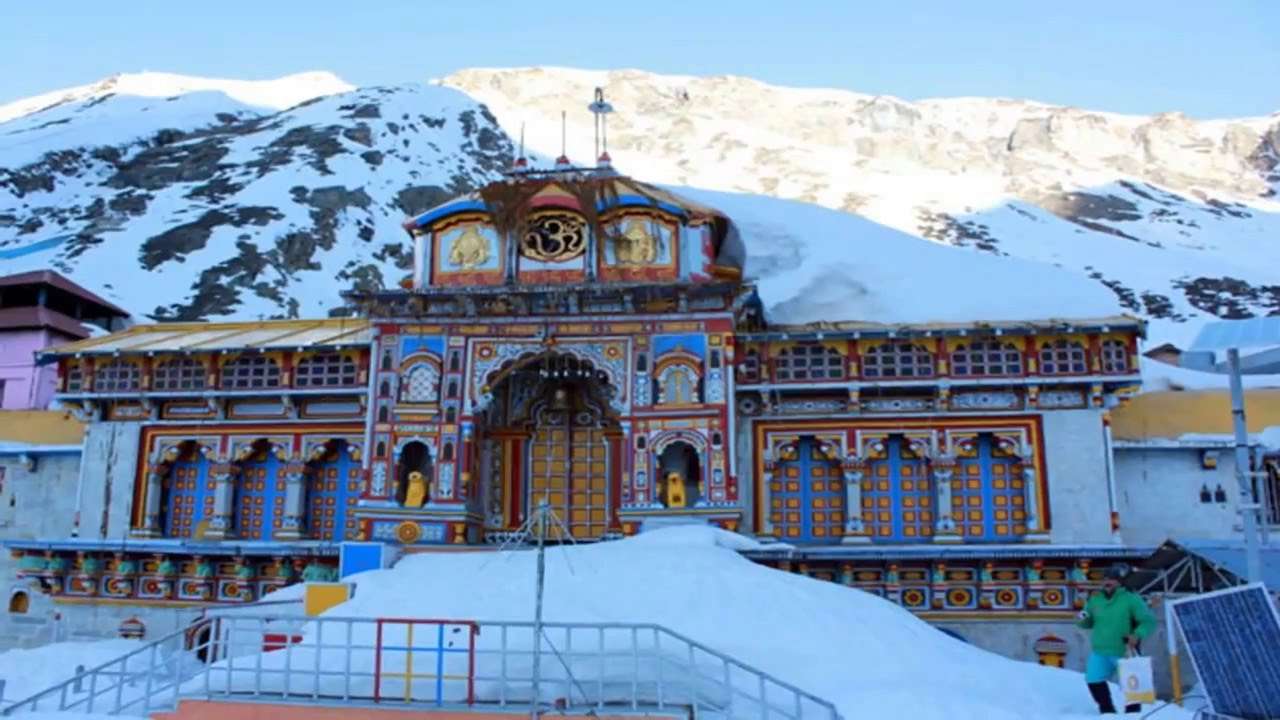
The air in the upper Himalayas is beginning to shift. A crisp, crystalline chill now replaces the softer warmth of the monsoon months, signaling a profound annual transformation. As the pilgrimage season for Uttarakhand’s revered Char Dham Yatra draws to a close, a palpable energy, a mix of spiritual satisfaction and poignant anticipation, settles over the sacred town of Badrinath Temple.
Badrinath, the abode of Lord Badri Vishal (a form of Vishnu), is more than just a temple; it is a spiritual nerve center nestled between the Nar and Narayan mountain ranges, perpetually guarded by the Neelkanth peak. For six glorious months, the gates, or kapat, of this ancient shrine remain open, welcoming millions of pilgrims who brave the high-altitude terrain for a single, soul-cleansing darshan. Now, the time for the temple’s annual ‘Himalayan Slumber’ is at hand a tradition steeped in centuries of ritual, devotion, and the recognition of the sheer power of the mountains.
The Sacred Date: Marking the Divine Transition
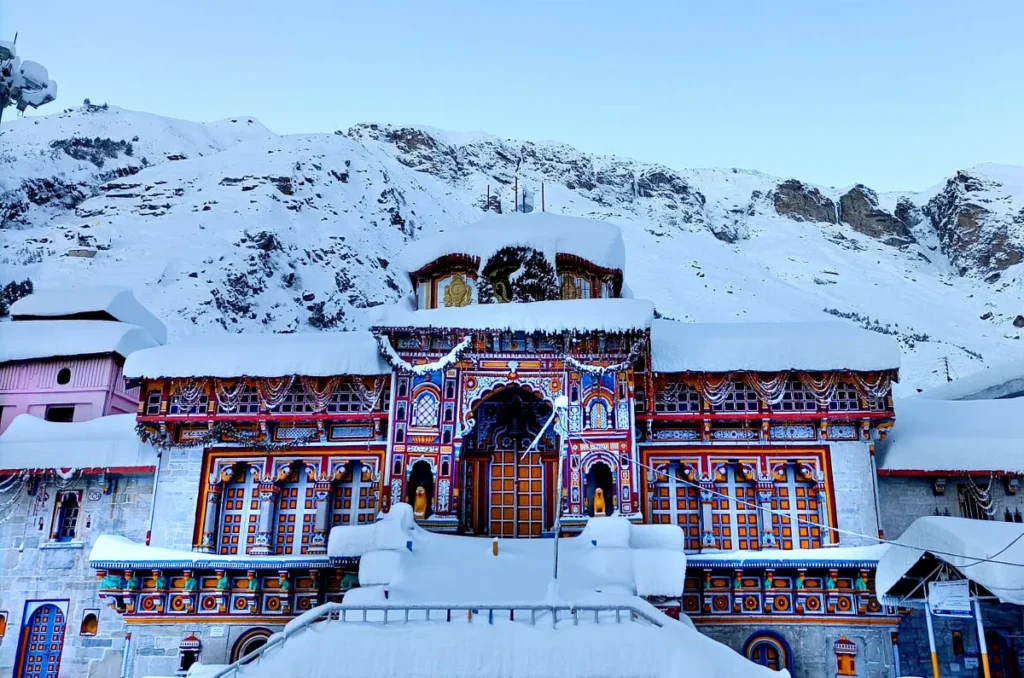
The moment the temple doors close is never a random event. It is a date fixed with immaculate precision by the Badrinath-Kedarnath Temple Committee (BKTC), based on the sacred calculations of the Hindu Panchang and the auspicious occasion of Vijayadashami (Dussehra).
This year, the official announcement has marked the divine transition: the portals of Shri Badrinath Dham will close for the winter season on Tuesday, November 25, 2025, at 2:56 PM.
This date is not merely a logistical necessity driven by the imminent, impassable snowfall; it is a high point of the spiritual calendar, a majestic ceremonial farewell that rivals the fervor of the temple’s opening.
The Five-Day Panch Puja: A Ritualistic Curtain Call
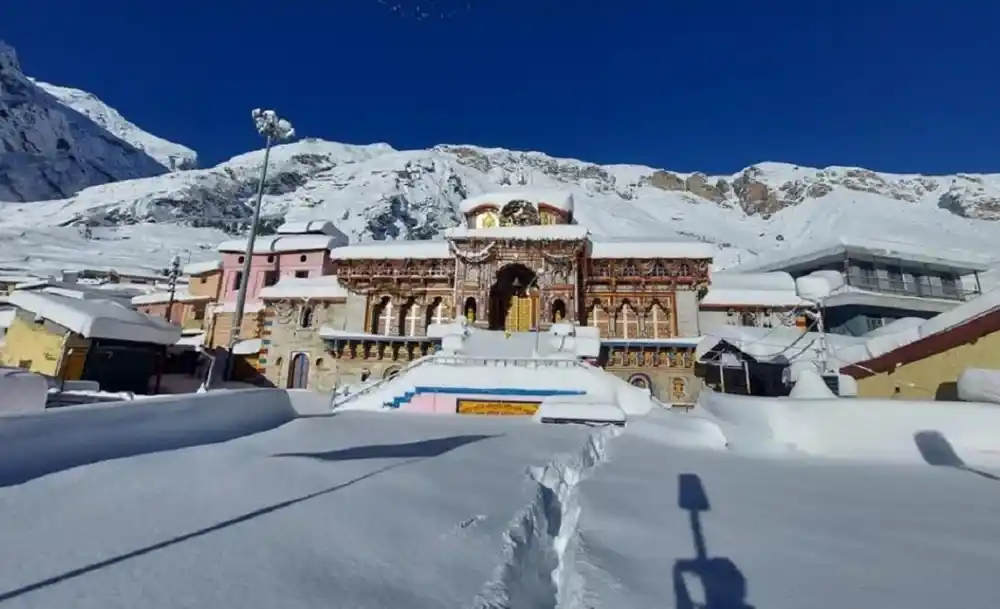
The closure is not sudden. It is a process—a grand, five-day sequence of rituals known as the Panch Puja. Beginning a few days before the final closing date (this year, commencing around November 21st), these ceremonies are among the most revered and beautiful in all of the Char Dham.
Each day brings a distinct focus, conducted by the Rawal (the chief priest, traditionally from the Nambudiri Brahmin community of Kerala) and a retinue of priests. The rituals are a meticulous, spiritual preparation for the Lord’s winter retreat:
- Ganesh Puja: A prayer to Lord Ganesha, the remover of obstacles, ensuring the safe closure of the temple and the continuation of the spiritual flow.
- Adi Kedarshwar Puja: Worshipping the subsidiary Shiva lingam within the temple complex, symbolizing the interconnectedness of Shiva and Vishnu in the Himalayas.
- Veda Path Samapan (End of Recitations): The sacred texts are ceremonially concluded for the season, with the books wrapped and stored, awaiting the spring.
- Rawal’s Departure: The Rawal, having ritually cleaned the Badri Vishal idol and draped the special winter shawl (ghrit kambal or ghee-soaked blanket), leaves the inner sanctum. The shrine of Goddess Lakshmi is also moved to the outer hall (Mandap).
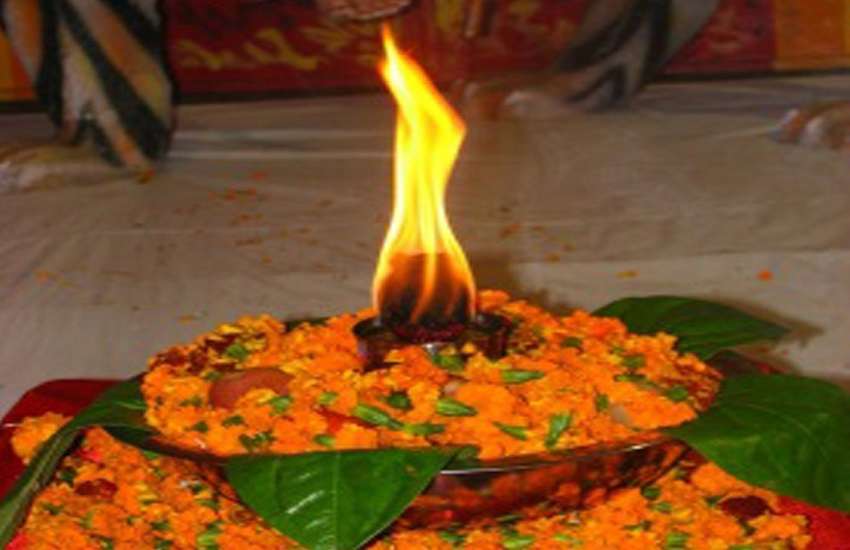
- The Final Closing: On the last day—November 25th this year—the main priest performs the final, secret worship. In an act of profound symbolic significance, a lamp (akhand jyoti) is lit with ghee before the deity. The doors are then sealed for six months. It is believed that after the priests leave, the celestial beings, the Devtas, descend from the heavens to worship Lord Badri Vishal by the light of that eternal lamp, performing their darshan throughout the long, snowy winter.
The Winter Abode: A Divine Journey to Joshimath
Once the majestic wooden doors of Badrinath are sealed, the spiritual journey does not end. The Utsav Murti (the processional idol) of Lord Badrinarayan, along with the sacred Gadu Ghada (the earthen pot of sesame oil used in the Abhishek), is carried in a spectacular procession down the valley.
This divine caravan marks its path to Narsingh Temple in Joshimath, which serves as the winter seat of Lord Badrinath.
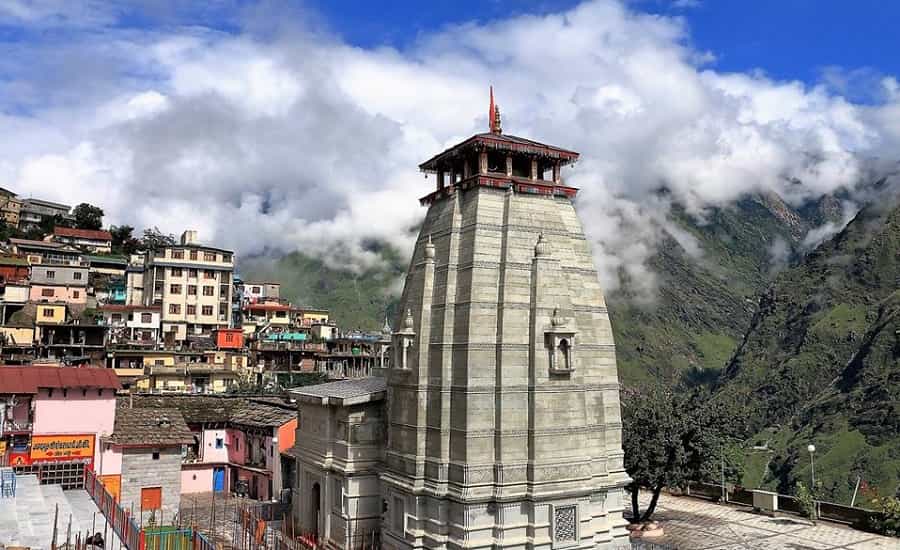
For the next half-year, all the daily rituals, the aarti and the bhog, are faithfully performed at Joshimath. Devotees unable to visit Badrinath during its six-month open season can still seek the Lord’s blessings at the Narsingh Temple. This annual shift ensures that the worship of the Chaturbhuj (four-armed) Vishnu remains unbroken, a testament to the resilient and eternal nature of Hindu devotion, adapting to the colossal challenge of the Himalayan climate.
Why November 25th Matters
The closing date is a marker for pilgrims:
- Final Opportunity: It is the absolute last day for devotees to witness the unique darshan of Lord Badrinarayan in his main temple before the region is blanketed in snow and the main roads become impassable.
- Witnessing Tradition: The days leading up to and including the 25th of November offer a once-in-a-lifetime chance to witness the unparalleled Panch Puja rituals and the elaborate procession, elements that truly capture the heart of this Himalayan spirituality.
- Planning the Farewell: For those planning their pilgrimage, the end of the season offers clear, cool days in late October and early November. However, a trip closer to the closing date requires careful planning, with higher chances of freezing temperatures, unpredictable road conditions, and a limited window for the final darshan.
The Eternal Message of Badrinath
Whether the Kapat are open or closed, the sanctity of Badrinath remains absolute. Legend says that this is the place where Lord Vishnu meditated, and his consort, Goddess Lakshmi, protected him from the severe cold by taking the form of the Badari (Jujube) tree—hence the name Badrinath.
The closing ceremony is a powerful reminder of this symbiotic relationship between the divine and the fierce natural world of the Himalayas. The sealing of the doors is not an ending but a sacred pause, a necessary retreat before the valley is reborn in the spring.
As November 25th approaches, the mountains brace for winter, and the final Jai Badri Vishal! echoes through the valley. It is a farewell charged with deep reverence, promising the return of the Lord and the vibrant life he brings back to the high Himalayan haven when the doors reopen in May 2026. If you are fortunate enough to be present in Badrinath during these final, hallowed days, you will not just witness a temple closing; you will experience the living, breathing heart of a timeless, profound faith.
Frequently Asked question (FAQ’S)
When does Badrinath Temple close in 2025?
Badrinath Temple generally closes in early November each year, after the festival of Vijayadashami, depending on the Hindu calendar.
Why does Badrinath Temple close every year?
It closes due to extreme winter conditions and heavy snowfall, making the region inaccessible during the cold months.
Where is Lord Badrinath worshipped after closure?
After closure, the idol of Lord Badri Vishal is moved to Joshimath (Pandukeshwar), where winter prayers are performed.
Can pilgrims visit Badrinath after the closing date?
No, the temple remains closed to visitors during winter, but pilgrims can visit the winter abode at Joshimath for darshan.
How can I get updates on the exact closing date of Badrinath 2025?
The official date is announced by the Badrinath Temple Committee a few weeks before closure through Uttarakhand Tourism and local authorities.