
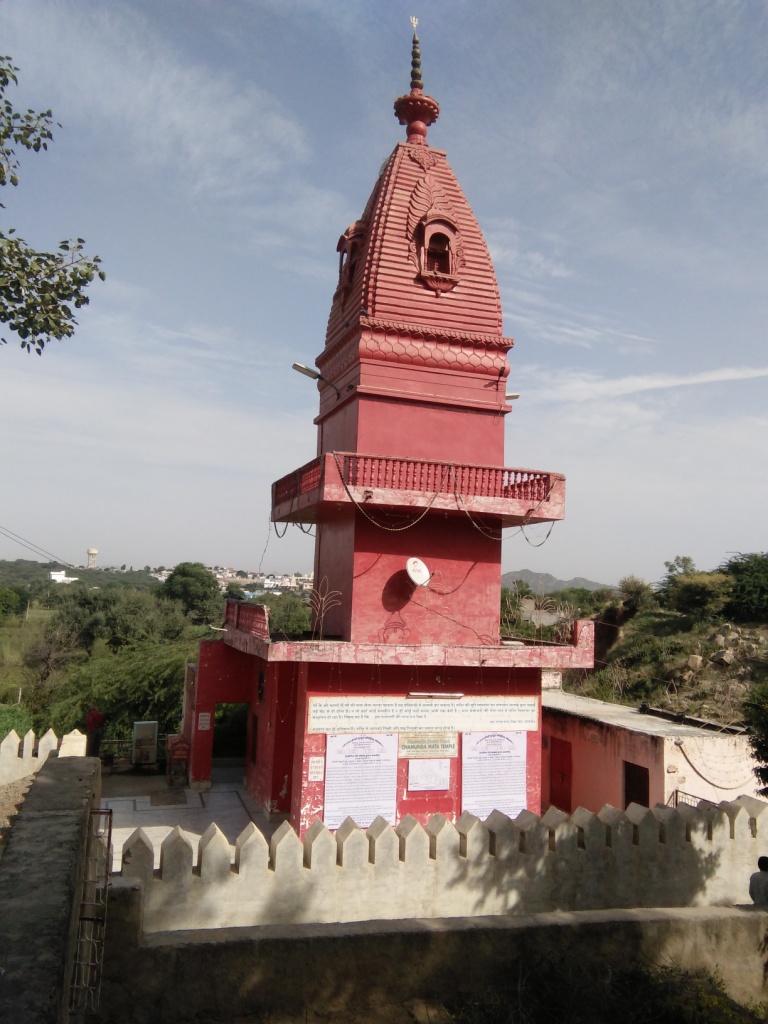
The Manibandh Shakti Peeth, situated near the holy town of Pushkar, Rajasthan, is a site of exceptional spiritual confluence, revered as one of the 51 Shakti Peethas dedicated to the supreme feminine power, Goddess Shakti. This sacred shrine is anchored in the austere beauty of the Aravalli hills and the timeless spirituality of the Pushkar region, where the essence of creation (Brahma) and divine energy (Shakti) meet.
A pilgrimage to Manibandh is a journey not just through Rajasthan’s arid landscape, but into the deep heart of Puranic legend, where an ornament of the Divine Mother fell to earth, consecrating a spot of eternal power.
The Foundational Mythology: The Wrist Adornment
The sanctity of Manibandh, like all Shakti Peethas, is drawn from the most profound story of loss and transformation in Hindu lore: the sacrifice of Goddess Sati.
The Tale of Grief and Consolation
When Sati, the daughter of Daksha Prajapati, self-immolated to protest the insult to her husband, Lord Shiva, the cosmos reeled. Shiva, gripped by maddening grief, lifted Sati’s body and embarked upon the terrifying Tandava, the dance of destruction, his anguish threatening to dissolve the universe.
To rescue creation from Shiva’s uncontrollable fury, Lord Vishnu intervened. He deployed his divine weapon, the Sudarshan Chakra, which meticulously dismembered Sati’s body. As the parts fell across the Indian subcontinent, each landing spot became sanctified as a Shakti Peetha, ensuring the Goddess’s presence would remain eternal and accessible to her devotees.
The Manibandh Legacy
At the site of the Manibandh Peeth, the specific body part that fell signifies its name and unique power:
- Body Part: It is universally believed that Sati’s Wrists (specifically her Manibandha, the wrist adorned with bangles or bracelets) fell here. The name “Manibandh” literally translates to “jewel-adorned wrist.” This falling of her wrists symbolizes the cessation of Sati’s mortal actions and her full transition into the realm of pure, divine energy.
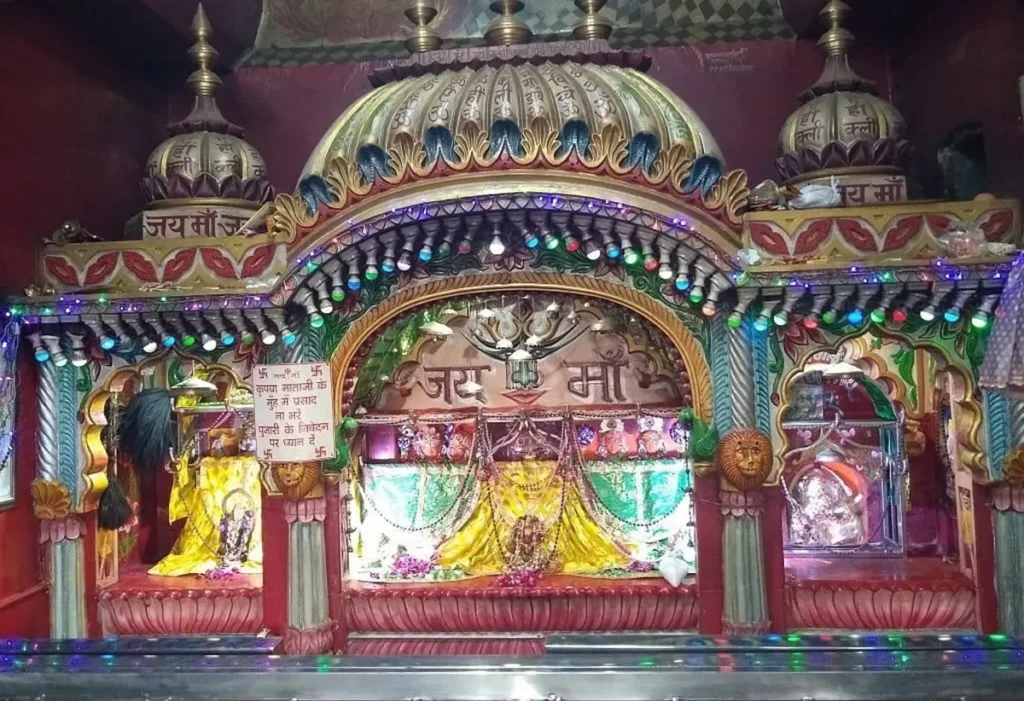
- Deity of the Peeth (Shakti): The Goddess is worshipped as Maa Gayatri at this Peeth. Gayatri is the embodiment of the sacred Vedic mantra, revered as the Mother of all Vedas and the Goddess of Purity and Illumination. Her presence here emphasizes the Peeth’s power to grant wisdom, clarity, and knowledge.
- Guardian (Bhairava): Lord Shiva, in his form as the guardian of this sacred geography, is worshipped as Sarvanand (The one who gives joy to all) or Sarvananda Bhairava. This name suggests that while the Goddess provides the illumination, Shiva ensures the spiritual joy and fulfillment that comes from true knowledge.
The Spiritual Confluence of Pushkar
The significance of the Manibandh Shakti Peeth is dramatically amplified by its location near Pushkar, a town that holds an unparalleled position in the Hindu pantheon.
The Presence of Lord Brahma
Pushkar is home to the world’s most prominent and nearly singular temple dedicated to Lord Brahma, the Creator God. According to Puranic lore, Brahma performed a Yagna at Pushkar, and to complete the ritual, he had to marry a local girl, Gayatri, after his first consort, Savitri, failed to arrive on time.
The worship of Maa Gayatri at the Manibandh Shakti Peeth, therefore, connects directly to this foundational myth of Pushkar. It weaves the cosmic thread between creation (Brahma) and primal energy (Shakti/Gayatri). This unique co-existence means that a pilgrimage to Manibandh is a spiritual triangulation:
- Jyoti (Illumination): From Maa Gayatri, the source of sacred knowledge.
- Srishti (Creation): From Lord Brahma, the author of the universe.
- Laya (Dissolution/Cycle): Represented by Lord Shiva as Sarvanand Bhairava.
This rare spiritual setting attracts devotees seeking not merely material blessings, but profound spiritual and intellectual growth, making it a powerful center for learning and transcendence.
The Tranquility of the Aravallis
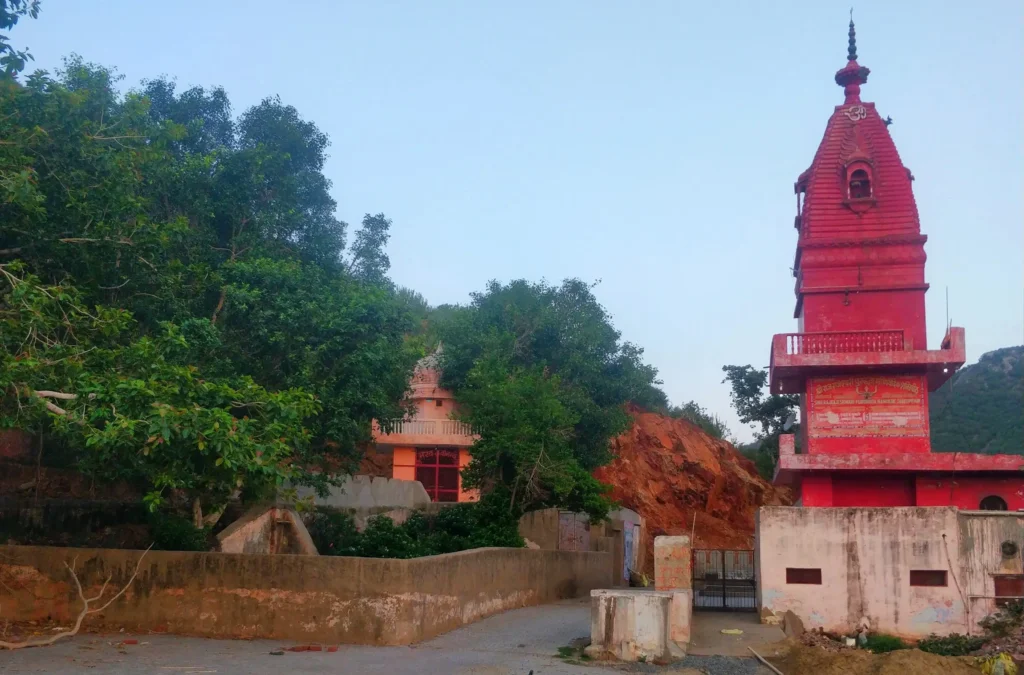
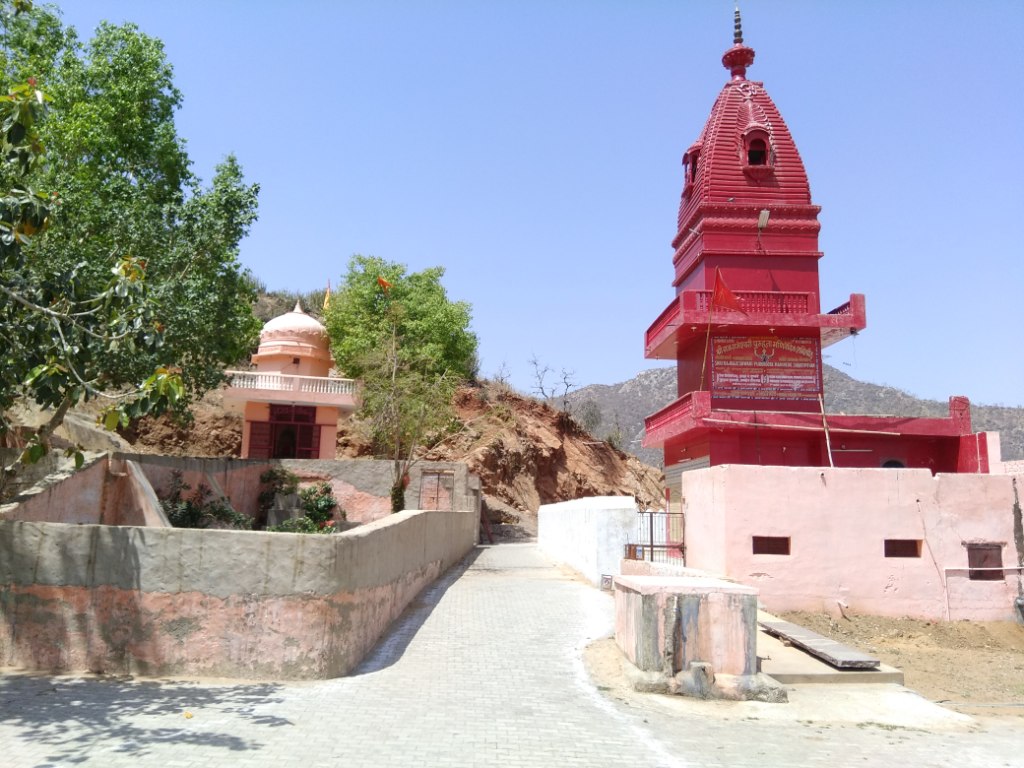
The Peeth is situated amidst the ancient Aravalli Range, one of the oldest fold mountains in the world. This geographical location lends the site an air of profound antiquity and solitude, necessary for intense spiritual practice. The environment fosters tapasya (austerity) and dhyana (meditation), providing the ideal backdrop for communing with the powerful, illuminating energy of Maa Gayatri.
Temple Experience and Pilgrimage Tradition
Architecture and Aura
While many ancient structures have been rebuilt over time, the architecture of the Manibandh Peeth generally reflects the regional style of Rajasthan sturdy stone construction suitable for the climate, yet adorned with intricate carvings that speak of centuries of devotion. The temple is often smaller and less overtly grand than the major commercial Peethas, giving it a more intimate, intense spiritual aura.
The true architecture, however, is the spiritual energy that permeates the space. Devotees often describe a feeling of calm and clarity upon entering the precincts, befitting the presence of Maa Gayatri, the Goddess of illumination.
The Sacred Rituals
A pilgrimage to the Manibandh Peeth often follows a traditional sequence, blending local customs with Pan-Indian Puranic rituals:
- The Pushkar Dip: The journey begins with a sacred bath in the holy Pushkar Lake, an act believed to cleanse all sins and purify the body and mind for the darshan (sacred sight) of the Goddess.
- Gayatri Worship: At the Manibandh temple, devotees offer prayers, flowers, and ritual items to Maa Gayatri. Reciting the Gayatri Mantra at this specific site, where the Goddess is believed to physically reside, is considered profoundly efficacious for dissolving ignorance and attaining spiritual knowledge.
- Bhairava Veneration: The final part of the ritual involves honoring Lord Sarvanand Bhairava, ensuring the Peeth’s protective energy is sought before concluding the visit.
Festivals and Spiritual Importance
The energy of Manibandh reaches its zenith during two principal festivals:
- Navaratri: The nine nights dedicated to the Goddess are celebrated with intense fasting, chanting, and special abhishekam (ritual bathing) for Maa Gayatri.
- Pushkar Mela: While the Mela is primarily known for its livestock fair, the religious significance of the Kartik Purnima (full moon) is paramount. Pilgrims flock to Pushkar during this period, and a visit to Manibandh becomes an essential component of the religious circuit.
In its entirety, the Manibandh Shakti Peeth stands as a timeless beacon of spiritual light. It is a place where the physical presence of the Divine Mother, manifested through the falling of her wrists, forever ties the energy of cosmic sacrifice to the eternal power of knowledge, offering a rare opportunity for pilgrims to achieve illumination amidst the ancient silence of Rajasthan’s holiest ground.
Frequently Asked Questions (FAQ’s)
Where is Manibandh Shakti Peeth located?
Manibandh Shakti Peeth is located near Pushkar in Rajasthan, close to the holy Pushkar Lake and the famous Brahma Temple.
Why is Manibandh Shakti Peeth famous?
According to legend, Goddess Sati’s wrist (Manibandh) fell here, giving the place its name. It is considered one of the 51 Shakti Peethas where the divine feminine energy is worshipped.
Which goddess is worshipped at Manibandh Shakti Peeth?
The presiding deity is Devi Gayatri (a form of Goddess Sati), and Lord Sarvanand is worshipped as the Bhairav at this sacred site.
What are the temple timings?
The temple is generally open from 5:00 AM to 8:00 PM, with morning and evening aarti rituals performed daily.
How can I reach Manibandh Shakti Peeth?
The temple is near Pushkar, about 11 km from Ajmer. The nearest railway station is Ajmer Junction, and the nearest airport is Kishangarh Airport (40 km).
When is the best time to visit Manibandh Shakti Peeth?
The best time to visit is between October and March, especially during Navratri and Pushkar Fair, when the region is vibrant and festive.
Are there accommodations nearby?
Yes, you can find a range of hotels, ashrams, and guesthouses in Pushkar and Ajmer catering to both pilgrims and tourists.

One thought on “Manibandh Shakti Peeth – Location, History & Temple Timings”