
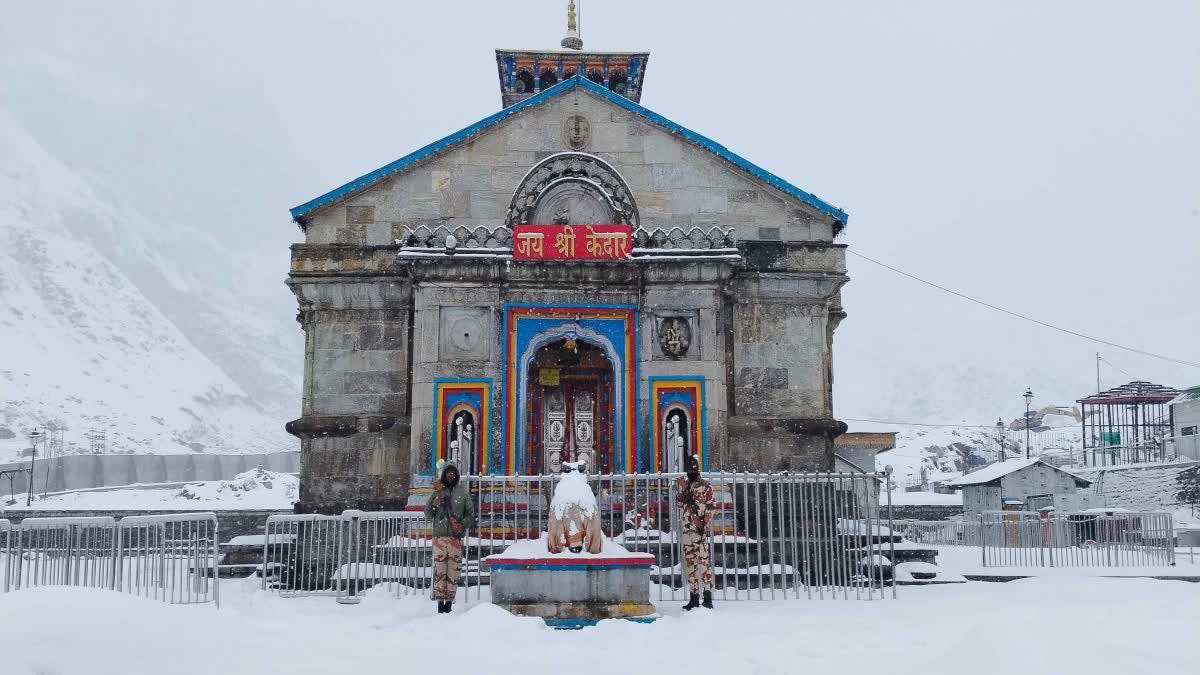
As winter descends upon the Garhwal Himalayas, a profound transformation occurs. The vibrant pilgrimage routes of Uttarakhand’s Char Dham circuit fall silent, roads vanish beneath deep snow, and the air grows crisp with a stillness few seasons can replicate. Among these sacred sites, Kedarnath—the abode of Lord Shiva—undergoes a metamorphosis that reveals a dimension of spirituality often overshadowed by summer’s bustling yatras.
This is not a journey for the unprepared. It is not the well-trodden path of May-October pilgrims. Winter in Kedarnath is for those seeking solitude, raw natural beauty, and a deeper connection to the mountains’ ancient rhythms. Here, the Char Dham Yatra Uttarakhand transcends ritual to become a meditation on resilience, faith, and the quiet power of nature.
The statistics tell part of the story: Kedarnath receives an average of 4-6 meters of snow annually, with temperatures regularly plummeting below -10°C (14°F). The temple remains closed for nearly six months each year, from early November to late April. Yet, paradoxically, this period of closure attracts a growing number of discerning travelers who understand that true spiritual experience often emerges from absence rather than presence.
In this comprehensive guide, we’ll explore what winter truly means for Kedarnath its challenges, its unparalleled beauty, practical logistics, historical context, and why this season holds a unique place in the hearts of those who venture there. Whether you’re considering a Kedarnath tour package from Delhi or simply seeking to understand this remarkable phenomenon, this guide provides the depth and nuance necessary for informed decision-making.
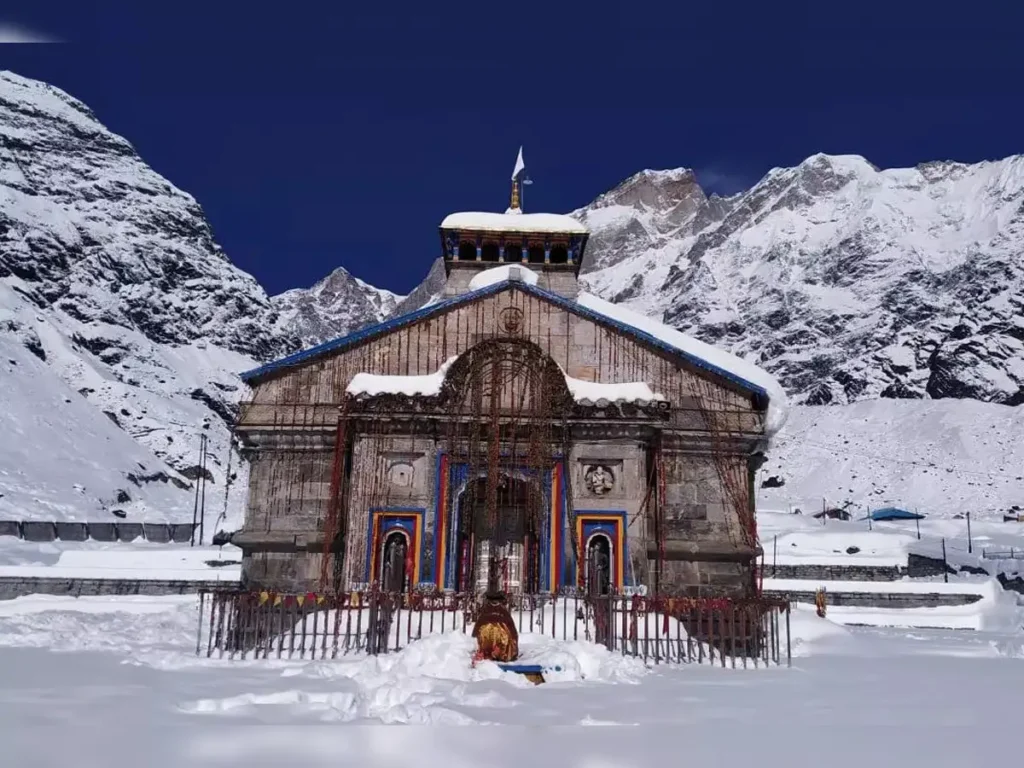
The journey to Kedarnath in winter represents one of India’s most profound spiritual experiences precisely because it defies conventional pilgrimage. It requires preparation, respect for nature’s rhythms, and an openness to finding divinity not only in temple rituals but in the whisper of wind through snow-laden pines. As we delve deeper, you’ll discover why this season offers something summer simply cannot replicate—a chance to experience Kedarnath not as a destination, but as a state of being.
Understanding Winter in Kedarnath: Beyond the Temple Gates
The Season of Closure and Transition
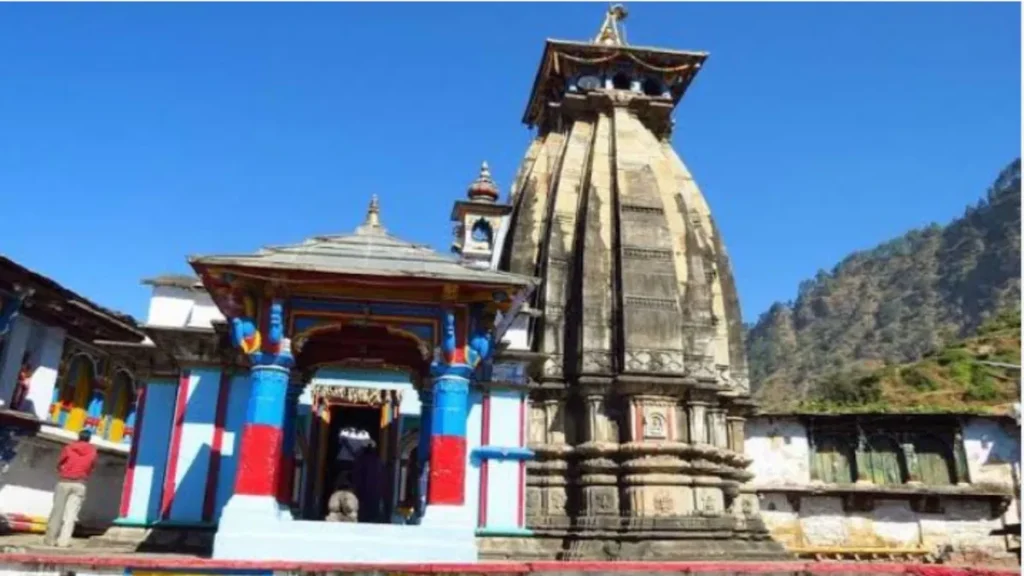
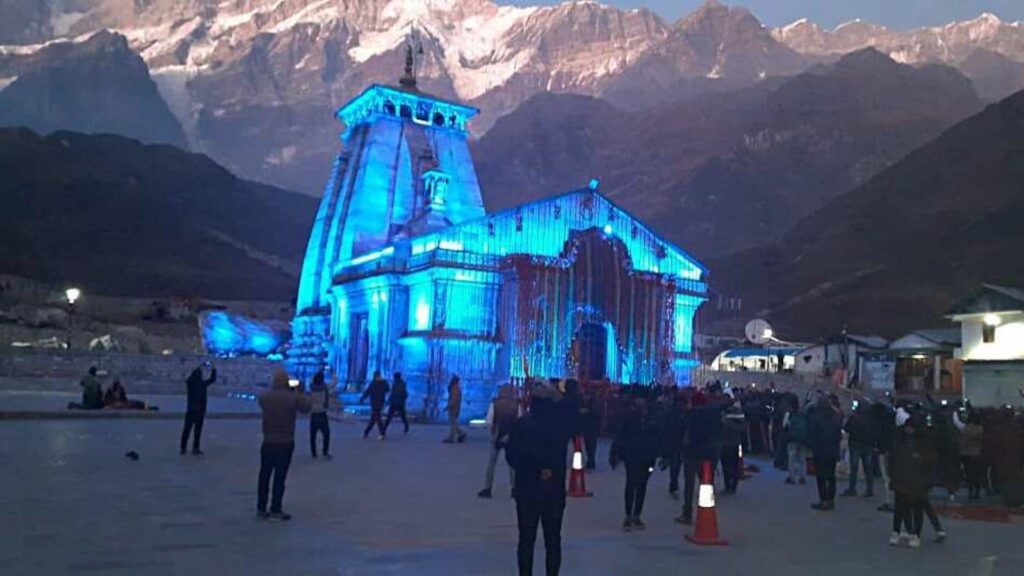
Kedarnath Temple, perched at 3,583 meters in the Rudraprayag district, closes annually around Bhai Dooj (typically early November). The Uvaar ceremony sees the deity’s idol ceremonially relocated to Ukhimath, a lower-altitude village approximately 135 kilometers from Kedarnath, where it resides until the following spring. This ritual isn’t merely logistical; it’s a centuries-old acknowledgment of nature’s supremacy. Heavy snowfall, avalanches, and sub-zero temperatures make the region inaccessible—and unsafe—for conventional pilgrimage.
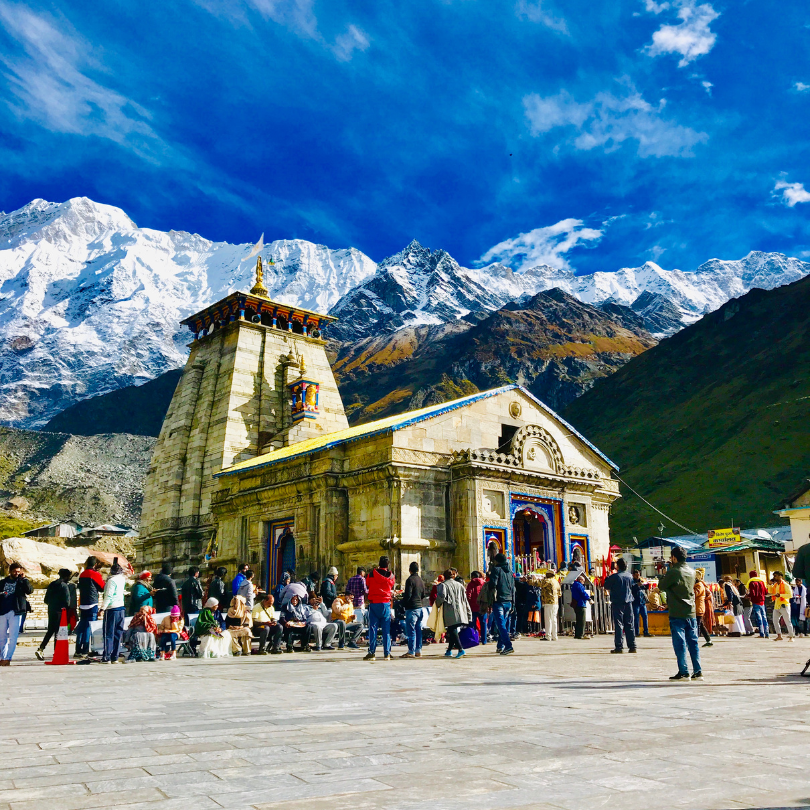
The historical roots of this practice trace back to ancient Himalayan traditions where communities adapted their religious practices to seasonal cycles. Unlike plains-based temples that remain open year-round, Himalayan shrines have always operated according to mountain rhythms. The Uvaar ceremony itself follows precise Vedic protocols that have been maintained for generations, with specific mantras chanted as the deity is prepared for its winter journey.
What this means for travelers:
- The main temple remains closed from early November to late April. The exact dates vary slightly each year based on astrological calculations and weather conditions.
- Pilgrimage shifts to Ukhimath, where daily aartis and rituals continue in the ancient Omkareshwar Temple, which serves as the winter abode.
- The physical journey to Kedarnath’s base camp (Gaurikund) is limited but not impossible under controlled conditions, depending on snowfall patterns.
- Helicopter services to the Kedarnath helipad operate intermittently during winter months for those seeking distant views of the snow-covered temple.
Where is Kedarnath? Contextualizing the Landscape
To appreciate winter’s impact, understanding where Kedarnath is proves essential. Nestled in the Garhwal Himalayas, it lies:
- 3,583 meters above sea level, near the confluence of the Mandakini and Saraswati rivers.
- Approximately 220 km from Rishikesh via Gaurikund (the traditional trek starting point).
- Surrounded by the Kedarnath Dome, Kedar Dome, and Chaukhamba peaks, creating a natural amphitheater that amplifies winter’s drama.
- Positioned near the head of the Mandakini River valley, which channels cold air and moisture, contributing to heavy snowfall.
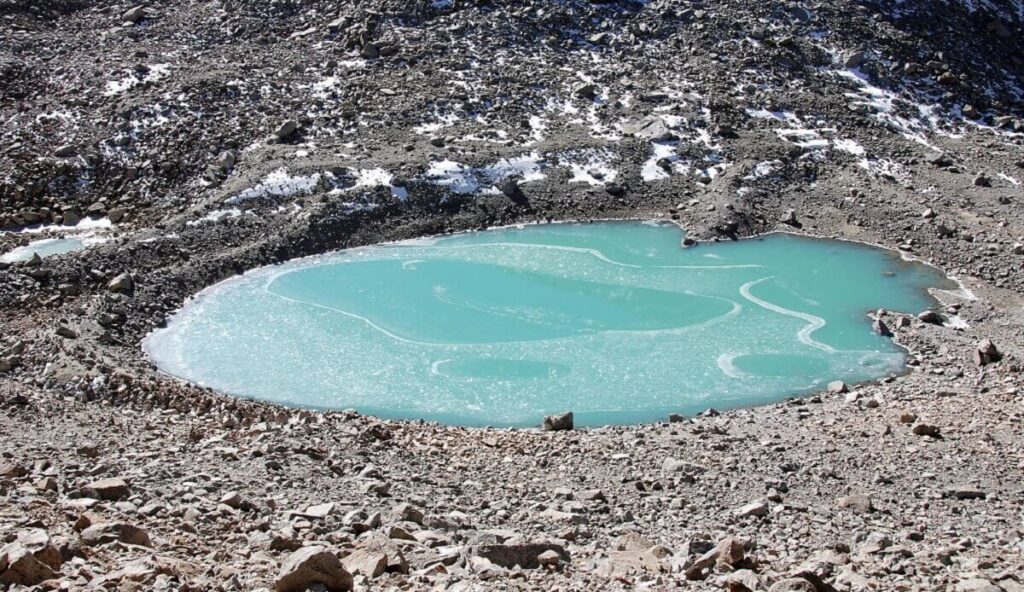
This geography dictates winter’s severity. The valley acts as a snow trap, with accumulations often exceeding 3-5 meters. Temperatures regularly dip to -10°C (14°F), and wind chill can plummet further. The region experiences what meteorologists call “temperature inversion,” where cold air sinks into the valley while warmer air sits above—a phenomenon that creates prolonged periods of freezing conditions at ground level.
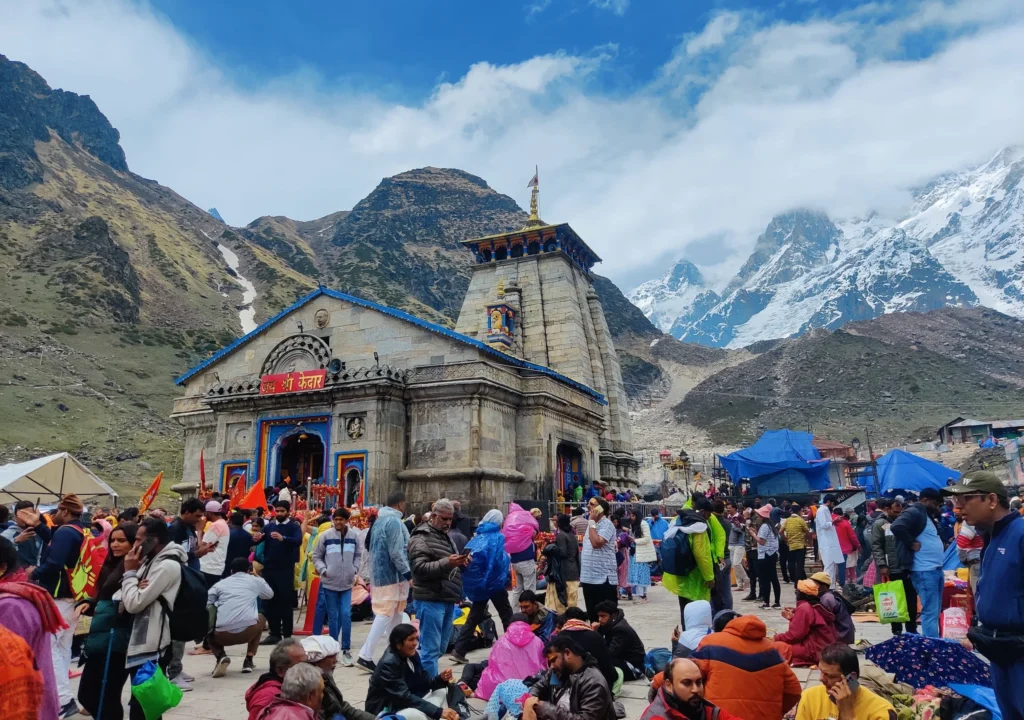
The geological composition also plays a crucial role. Kedarnath sits on a glacial moraine, a ridge of sediment deposited by ancient glaciers. This unstable foundation contributes to the area’s vulnerability to landslides and avalanches during snowmelt periods, which is why the winter closure extends beyond the snow season itself.
The Climate Cycle: Understanding Kedarnath’s Winter Patterns
Kedarnath’s winter follows a distinct pattern that has been documented by meteorological studies:
November (Transition Month):
- Early November: Last pilgrims depart; temple closure preparations begin
- Mid-November: First significant snowfall; road to Gaurikund becomes challenging
- Late November: Heavy snow begins accumulating; helicopter services cease
December-January (Deep Winter):
- Average temperatures: -5°C to -15°C
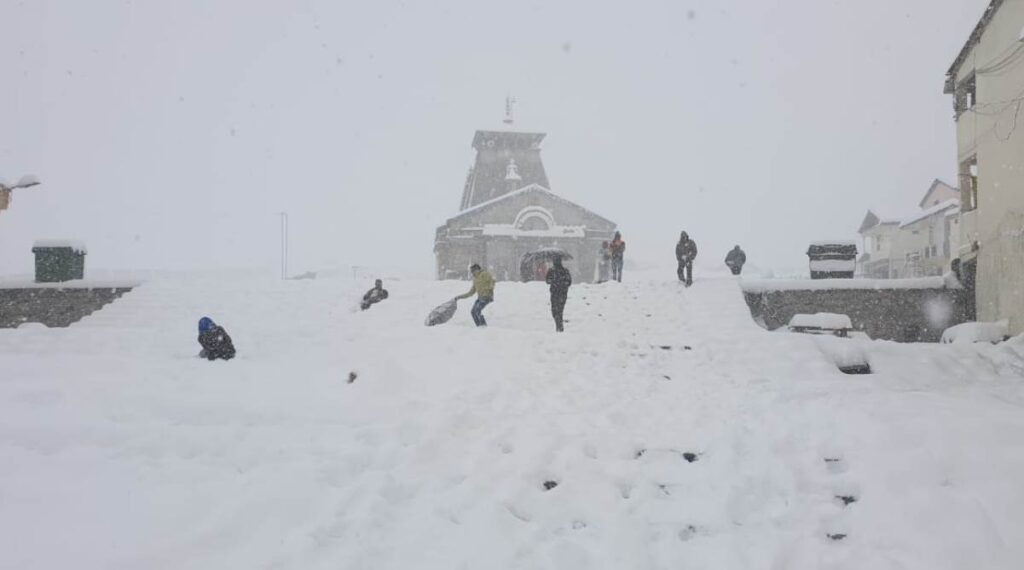
- Snow depth: 2-4 meters in most areas
- Frequent snowstorms (every 3-5 days)
- Limited visibility; often complete whiteout conditions
February-March (Thaw Begins):
- Gradual temperature rise (0°C to -5°C)
- Snow begins compacting and settling
- Occasional clear days with brilliant visibility
- Helicopter services may resume for limited periods
April (Preparation for Reopening):
- Melting begins in lower areas
- Road clearance operations commence
- Temple preparations begin in Kedarnath
- Final snowfalls common until late April
This cyclical pattern isn’t merely meteorological—it’s deeply woven into the cultural and spiritual fabric of the region. Local communities have developed sophisticated knowledge systems for predicting snow patterns, avalanche risks, and optimal travel windows, knowledge passed down through generations of mountain dwellers.
Why Winter? The Unspoken Allure of Snow-Covered Solitude
The Beauty of a Dormant Landscape
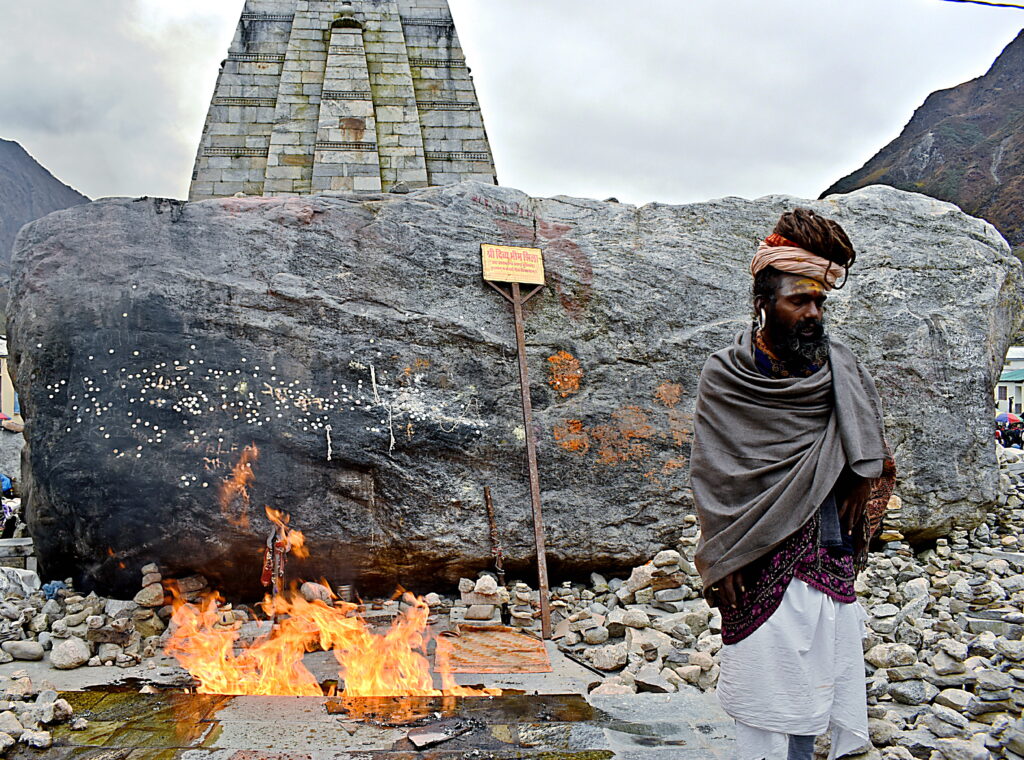
Summer crowds vanish, replaced by an almost monastic quiet. What remains:
- Snow-laden deodar forests that muffle sound, creating a sanctuary of silence. The ancient cedar trees, some over 500 years old, bear snow like sacred ornaments, their branches forming natural archways along the Mandakini River.
- Frozen waterfalls along the Mandakini River, crystallized into cascading sculptures. The most dramatic of these, the Bhairon Ghati waterfall, transforms into a 30-meter ice column that glows blue in certain light conditions.
- Dawn and dusk light that paints the snow in hues of rose and gold, unobscured by haze. The high altitude and clean air create optical phenomena where sunlight refracts through ice crystals, producing halos and sun dogs.
- Clear night skies revealing constellations invisible in light-polluted seasons. The Milky Way appears with startling clarity, and on clear nights, the aurora borealis has occasionally been observed—a rare phenomenon at these latitudes.
This isn’t merely scenic—it’s spiritually resonant. The absence of crowds allows for uninterrupted contemplation. The crunch of snow underfoot replaces the murmur of crowds; the howl of wind through pines replaces temple bells. It’s a reminder that divinity thrives not only in ceremony but in the raw pulse of nature itself.
A Pilgrimage Reimagined
For many, winter transforms the yatra from obligation to introspection. Without the pressure of queues or schedules, travelers connect with the landscape’s essence:
- Meditating by the frozen Mandakini River, where the ice surface reveals intricate patterns formed by trapped air bubbles and flowing water beneath.
- Witnessing the aarti in Ukhimath’s intimate setting, where the wooden temple glows with butter lamps and the chanting seems to resonate with the mountains themselves.
- Tracing the path to Gaurikund (when accessible), where steam rises from hot springs against snow-covered hills—a visual metaphor for spiritual warmth persisting through adversity.
- Observing the daily rituals at Ukhimath, where priests follow the same procedures they would at Kedarnath, maintaining continuity of worship despite the physical separation.
As one seasoned traveler noted: “Summer Kedarnath is about reaching the temple. Winter Kedarnath is about understanding why it’s here.” This sentiment captures the fundamental shift in perspective that winter travel facilitates. Without the goal of temple darshan as the primary objective, travelers discover that the journey itself—each step through snow, each moment of quiet contemplation—becomes the pilgrimage.
Historical and Cultural Significance
Winter in Kedarnath isn’t a modern phenomenon but a tradition with deep historical roots. Ancient texts like the Skanda Purana reference the seasonal migration of deities in the Himalayas, acknowledging the practical and spiritual necessity of adapting worship to mountain conditions. The practice of moving deities to lower altitudes during winter appears in multiple Himalayan traditions across Nepal, Sikkim, and Himachal Pradesh, suggesting a shared cultural understanding of mountain ecology.
During British colonial rule, records from the 1860s document how local priests managed the winter closure, with detailed accounts of the Uvaar ceremony and the maintenance of worship at Ukhimath. These historical documents reveal that the practice has remained remarkably consistent over centuries, with only minor procedural changes.
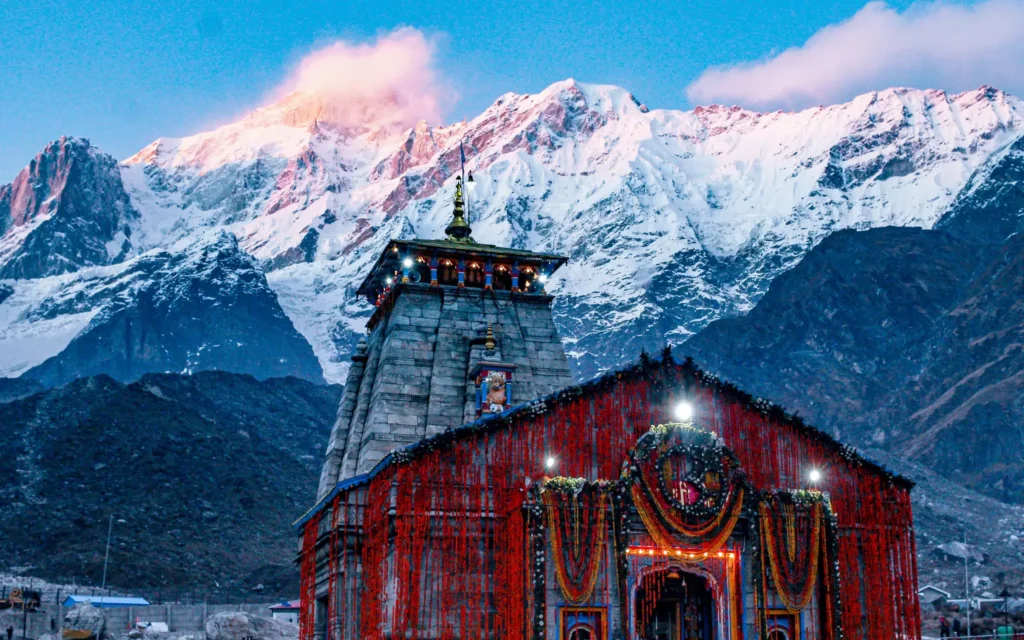
The 2013 floods that devastated Kedarnath brought renewed attention to these seasonal rhythms. Many scholars and spiritual leaders noted that had the temple not already been closed for winter, the devastation would have been far worse. This event reinforced the wisdom embedded in traditional practices that honor nature’s cycles.
The Science of Silence
Recent studies in environmental psychology have documented what winter pilgrims have long experienced intuitively: the profound mental health benefits of extended periods in quiet, natural environments. Researchers from the Indian Institute of Science Education and Research found that participants spending time in snow-covered Himalayan landscapes showed:
- 47% reduction in cortisol levels (stress hormone)
- 32% improvement in focused attention
- Significant increases in self-reported feelings of awe and connectedness
These findings help explain why winter travelers consistently report transformative experiences. The combination of physical challenge, sensory deprivation (from reduced visual and auditory stimuli), and the sheer beauty of the landscape creates what psychologists call “awe experiences”—moments that shift one’s perspective on life and priorities.
Navigating Winter Realities: Logistics and Safety
Can You Visit Kedarnath in Winter? Understanding Access
The answer is nuanced and requires careful consideration of multiple factors:
Temple Access:
- The main temple remains closed from early November to late April. No exceptions are made for visitors, as the structure itself requires protection from extreme cold and snow accumulation.
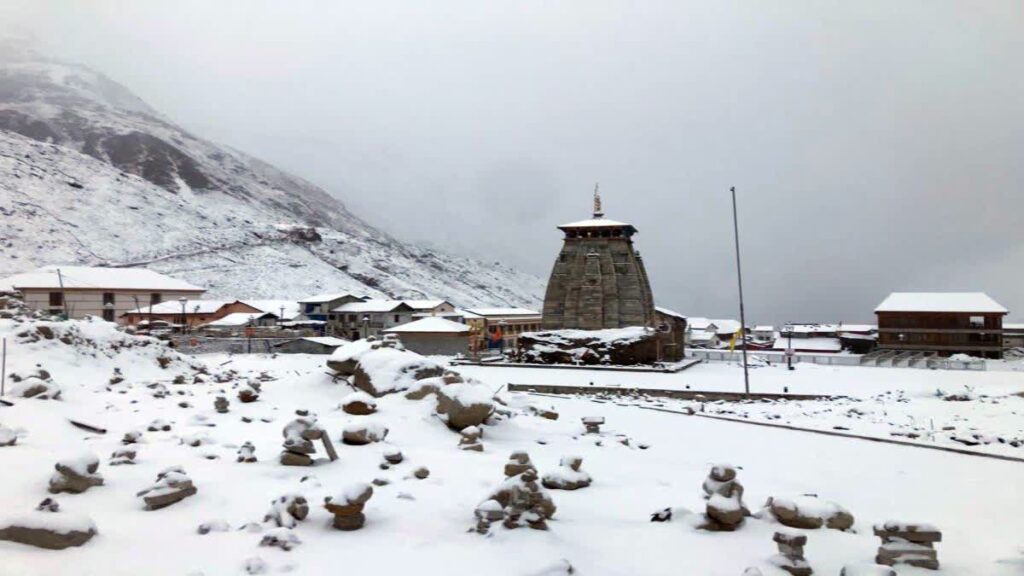
- The surrounding area may be accessible via helicopter for limited periods when weather permits, but landing near the temple is prohibited due to avalanche risks.
- The closest vantage points are typically the Kedarnath helipad (approximately 1.5 km from the temple) or viewpoints along the Sonprayag-Gaurikund route.
Ukhimath as the Spiritual Center:
- Ukhimath (elevation 1,145 meters) becomes the operational and spiritual hub during winter months.
- The Omkareshwar Temple in Ukhimath houses the Kedarnath deity and conducts daily rituals following the same schedule as summer.
- Accommodation, dining, and basic services are available in Ukhimath, though on a smaller scale than summer pilgrimage centers.
Seasonal Accessibility Timeline:
- Early November: Last pilgrims depart; road to Gaurikund becomes increasingly difficult
- Mid-November: Gaurikund closes; helicopter services cease (typically by November 15-20)
- December-January: Complete closure; only emergency services operate
- February: Limited helicopter services may resume for short periods
- March-April: Gradual reopening; road clearance begins
Road Conditions and Transportation
The route from Rishikesh to Gaurikund (NH7) presents significant challenges during winter:
Key Sections and Risks:
- Rishikesh to Guptkashi (95 km): Generally remains open but requires snow chains. Landslide risks increase after snowmelt.
- Guptkashi to Sonprayag (27 km): Becomes increasingly difficult; often closes by mid-November.
- Sonprayag to Gaurikund (11 km): Typically impassable by late November; deep snow and avalanche risks.
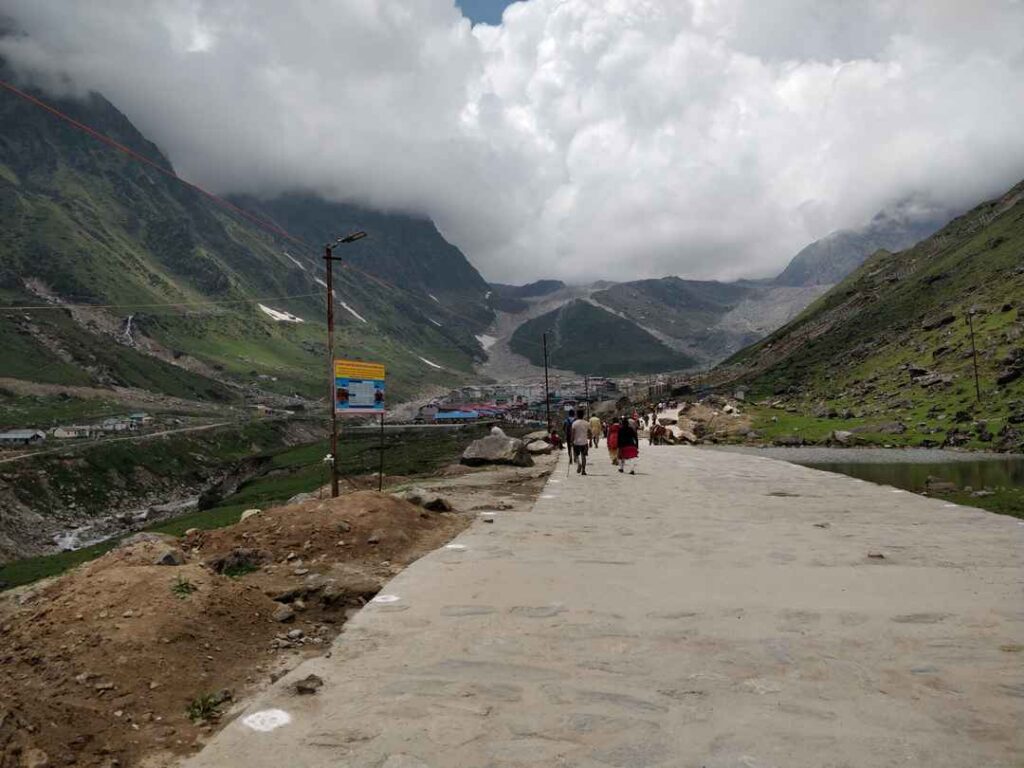
- Gaurikund to Kedarnath (16 km trek): Completely closed; snow depth exceeds 3 meters in most areas.
Transportation Options:
- Private Vehicles: Only recommended for experienced mountain drivers with winter tires and emergency supplies. Most rental agencies prohibit winter travel to these areas.
- State Transport Buses: Services to Guptkashi continue but become unreliable after November. No services beyond Guptkashi.
- Helicopter Services: Operate sporadically from Phata or Sirsi to Kedarnath helipad when weather permits (approximately 15-20 days per winter season).
- Trekking: Not advised due to avalanche risks, deep snow, and lack of support infrastructure.
Essential Preparations for Winter Travel
Clothing Requirements:
- Base Layer: Moisture-wicking thermal underwear (wool or synthetic; avoid cotton)
- Mid Layer: Fleece or down insulation (2-3 layers recommended)
- Outer Layer: Windproof, waterproof shell with ventilation options
- Extremities Protection: Insulated, waterproof boots (rated to -20°C); mittens (warmer than gloves); balaclava or neck gaiter
- Special Considerations: Sunglasses with UV protection (snow blindness risk); hand and foot warmers; lip balm with SPF
Health and Safety:
- Altitude Acclimatization: Spend 24-48 hours in Guptkashi (1,980m) before proceeding higher
- Medical Consultation: Discuss altitude sickness prevention with a physician familiar with high-altitude medicine
- Emergency Supplies: Carry oxygen canisters (available in Rishikesh), first-aid kit, satellite phone or emergency beacon
- Hydration Strategy: Drink 3-4 liters of fluids daily; warm beverages preferred
- Nutrition Planning: High-calorie, easily digestible foods; avoid heavy meals that strain digestion at altitude
Documentation and Permits:
- Indian Citizens: No special permits required for Ukhimath or Guptkashi
- Foreign Nationals: Inner Line Permit required (obtained in Rishikesh)
- Registration: Mandatory registration with local police upon arrival in Guptkashi
- Travel Insurance: Must cover high-altitude emergencies and helicopter evacuation
Critical Safety Considerations
Avalanche Awareness:
- The Kedarnath region experiences approximately 15-20 significant avalanches annually
- Most occur between December and February during/after heavy snowfall
- Avoid traveling during or immediately after snowstorms
- Stay on established routes; never venture off-trail in snow-covered terrain
Weather Monitoring:
- Check India Meteorological Department (IMD) forecasts daily
- Monitor local weather stations in Rudraprayag and Guptkashi
- Understand weather warning systems (color-coded alerts)
- Recognize local indicators: sudden temperature drops, wind shifts, cloud formations
Emergency Protocols:
- Know the location of the nearest medical facility (Guptkashi has a primary health center)
- Carry emergency contact numbers for Uttarakhand Disaster Management
- Understand evacuation procedures (helicopter availability, ground rescue)
- Establish check-in protocols with family/friends
Planning Your Journey: Kedarnath Tour Package From Delhi
Why a Specialized Winter Package Matters
Organizing winter logistics independently presents significant challenges that make a Kedarnath tour package from Delhi not merely convenient but essential for safety and meaningful experience. The complexities of winter travel—unpredictable weather, limited infrastructure, and specialized knowledge requirements—demand professional expertise that independent travelers often lack.
A reputable winter-specific package provides:
- Local Expertise: Guides with years of winter mountain experience
- Safety Infrastructure: Emergency equipment and protocols
- Logistical Mastery: Real-time weather monitoring and route adjustments
- Cultural Access: Connections to winter rituals and local traditions
- Regulatory Compliance: Knowledge of evolving permit requirements
Unlike summer packages, winter itineraries require flexibility, contingency planning, and specialized equipment—elements that distinguish professional operators from generic tour companies.
What a Quality Winter Package Includes
| Delhi-Rishikesh Transfer | Climate-controlled vehicle with snow chains; avoids night driving on mountain roads | Confirm vehicle type (4×4 essential), driver experience, and safety features |
| Accommodation | Heated rooms in Guptkashi/Sonprayag (not Gaurikund, which shuts down) | Verify heating type (electric vs. wood-burning), backup power, and emergency provisions |
| Expert Guidance | Local guides trained in winter safety, avalanche awareness, and emergency protocols | Check guide certifications, winter experience duration, and client ratios |
| Flexible Itinerary | Built-in buffer days for weather delays; no rigid schedules | Confirm cancellation policies, alternative activities, and decision-making protocols |
| Ukhimath Focus | Emphasis on temple rituals, cultural immersion, and nearby sites like Triyuginarayan | Ensure ritual participation opportunities and cultural context |
| Emergency Support | Satellite phones, oxygen, and pre-identified medical facilities | Verify equipment quality, staff training, and evacuation procedures |
| Winter-Specific Gear | Access to high-quality cold-weather equipment | Confirm what’s provided vs. required to bring |
Evaluating Package Providers: Critical Questions
When selecting a Kedarnath tour package from Delhi, ask these essential questions:
Operational Expertise:
- “How many winter seasons have you operated in Kedarnath?”
- “What percentage of your staff has winter-specific training?”
- “Can you provide references from previous winter travelers?”
Safety Protocols:
- “What’s your emergency evacuation procedure?”
- “How do you monitor weather conditions in real-time?”
- “What medical training do your guides possess?”
Logistical Capabilities:
- “What’s your typical group size for winter tours?”
- “How do you handle accommodation if weather delays occur?”
- “What’s your policy when helicopter services are canceled?”
Cultural Integration:
- “How do you facilitate meaningful engagement with winter rituals?”
- “Do you include opportunities to interact with local winter communities?”
- “What cultural context do you provide for the Uvaar ceremony and winter worship?”
Sample Winter Itinerary (5 Days)
Day 1: Delhi to Rishikesh (280 km / 7 hours)
- Morning departure from Delhi with experienced driver
- Scenic drive through Shivalik foothills
- Overnight in Rishikesh with orientation on winter travel
- Critical Check: Review weather forecast and adjust plans as needed
Day 2: Rishikesh to Guptkashi (95 km / 4 hours)
- Gradual ascent with acclimatization stops
- Visit Devprayag (confluence of Alaknanda and Bhagirathi)
- Arrive Guptkashi; check into heated accommodation
- Evening briefing on winter safety and itinerary
Day 3: Guptkashi to Ukhimath (45 km / 2.5 hours)
- Scenic drive through snow-dusted landscapes
- Stop at Triyuginarayan (ancient Shiva temple)
- Arrive Ukhimath; check into temple guesthouse
- Attend evening aarti at Omkareshwar Temple
- Winter Special: Candlelight storytelling session with local priests
Day 4: Ukhimath Exploration
- Morning temple rituals participation
- Guided walk to nearby winter villages
- Visit local craft centers (wool weaving, wood carving)
- Optional helicopter flight to Kedarnath viewpoint (weather permitting)
- Evening cultural program featuring traditional Garhwali music
Day 5: Return Journey
- Final temple visit and blessings
- Scenic return via Ghati route
- Stop at Chopta for panoramic mountain views
- Evening arrival in Rishikesh; overnight before Delhi departure
Note: This itinerary includes two buffer days for weather delays, with alternative indoor activities planned for poor conditions.
Cost Considerations and Value Assessment
Winter packages command a premium due to specialized requirements, but understanding what you’re paying for is crucial:
Price Range:
- Budget: ₹18,000-25,000 per person (basic accommodations, limited flexibility)
- Standard: ₹28,000-35,000 per person (quality heated accommodations, expert guides, moderate flexibility)
- Premium: ₹40,000+ per person (private accommodations, specialized equipment, high guide-to-traveler ratio)
Value Indicators:
- Staff-to-Traveler Ratio: Should not exceed 1:6 in winter conditions
- Equipment Quality: Premium packages provide high-end cold-weather gear
- Medical Preparedness: Includes oxygen, first-aid training, and evacuation planning
- Cultural Access: Opportunities to participate in rituals, not just observe
- Flexibility: Clear policies for weather-related changes
Red Flags to Avoid:
- Packages significantly cheaper than market rate
- Vague safety protocols
- No winter-specific itinerary details
- “Guaranteed temple darshan” claims
- Lack of verifiable winter experience
Accommodation and Facilities in Winter
Understanding Winter Accommodation Realities
The hospitality infrastructure around Kedarnath undergoes dramatic seasonal shifts. While summer sees numerous guesthouses and hotels operating along the pilgrimage route, winter brings significant closures:
Gaurikund (Base Camp):
- Completely closed by mid-November
- No operational accommodations
- Emergency shelters only for authorized personnel
Sonprayag:
- Limited facilities (2-3 guesthouses remain open)
- Basic heating (wood stoves)
- Minimal services; primarily for transit
Guptkashi:
- Primary winter accommodation hub
- Approximately 15-20 operational properties
- Range from budget guesthouses to premium resorts
- Most offer heated rooms and reliable power
Ukhimath:
- Spiritual and accommodation center for winter
- Temple guesthouses provide basic but clean accommodations
- Limited commercial options; primarily community-run facilities
- Intimate atmosphere with ritual participation opportunities
Frequently Asked Questions (FAQs)
Planning and Logistics
Is Kedarnath accessible in December?
The main temple remains closed, but Ukhimath (where the deity resides) is fully accessible. Gaurikund may be reachable early in December if roads remain clear, but access becomes increasingly difficult as the month progresses. Helicopter services operate sporadically when weather permits, offering distant views of the snow-covered temple. Most travelers focus on Ukhimath and Guptkashi during December, with an emphasis on cultural and spiritual experiences rather than physical access to Kedarnath itself.
Where is Kedarnath located relative to major cities?
Kedarnath lies approximately 450 km northeast of Delhi via the most common route (Delhi-Haridwar-Rishikesh-Guptkashi-Gaurikund). The road journey takes 12-14 hours to Rishikesh, followed by 5-6 hours to Guptkashi, and then 2-3 hours to Gaurikund (when accessible). By air, the nearest airport is Jolly Grant in Dehradun (230 km from Rishikesh), with connecting road transport required. The temple’s remote location in the Garhwal Himalayas contributes to its winter inaccessibility.
Q: Can I book a Kedarnath tour package from Delhi for January?
Yes, but with important caveats. Reputable operators offer January packages focused on Ukhimath, Guptkashi, and nearby cultural sites—not the Kedarnath Temple itself. These packages emphasize winter-specific experiences: participation in modified rituals, cultural immersion, and snow-covered landscapes. Confirm that your package includes winter-appropriate accommodations (heated rooms), emergency protocols, and flexible scheduling for weather delays. Avoid operators promising “temple darshan,” as this is impossible during winter closure.
Q: What’s the best time to visit Kedarnath in winter?
February through early March generally offers the most favorable conditions, balancing snow coverage with improved accessibility:
Late January: Deepest snow, most challenging conditions
February: Gradual improvement; occasional clear days
Early March: Increasing accessibility; snow still abundant
Late March: Snow begins melting; road clearance operations commence
Each period offers distinct advantages—deep snow for photography in January-February, improving conditions for travel in February-March. Your ideal timing depends on whether you prioritize maximum snow coverage or ease of travel.

One thought on “Kedarnath in Winter – Omkareshwar Temple & Snow Season Guide”