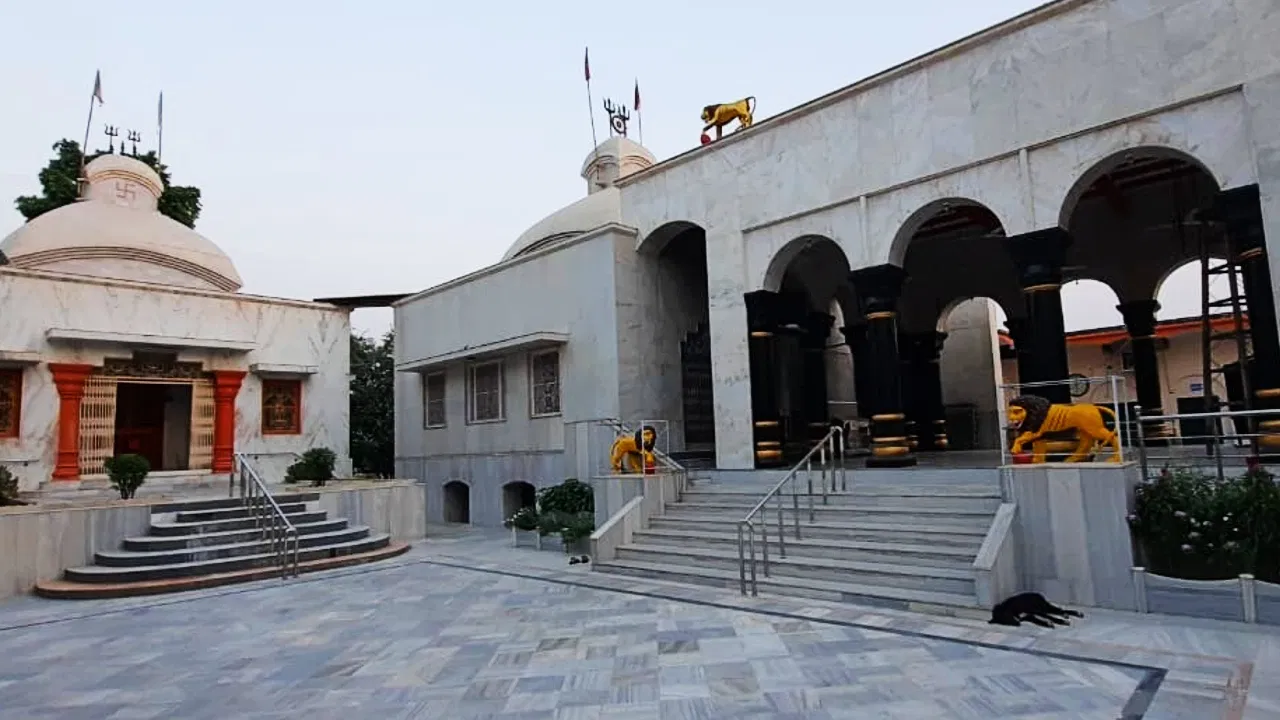
Nestled in the heart of Vrindavan, Uttar Pradesh, a town synonymous with the divine play (leela) of Lord Krishna, lies the ancient and intensely sacred Katyayani Shakti Peeth. This temple is a spiritual confluence where the supreme energy of the Mother Goddess, Shakti, merges with the pure devotion of Bhakti embodied by Krishna’s land.
As one of the 51 principal Shakti Peethas, Katyayani Temple holds a unique and powerful position, drawing pilgrims who seek both the transcendental power of the Goddess and the blessings associated with the sacred soil of Braj. The journey here is not just a visit to a temple; it is an exploration of cosmic mythology, Tantric reverence, and the very essence of Vrindavan’s spiritual romance.
The Cosmic Origin: Sati’s Sacred Hair
The sanctity of the Katyayani Temple is rooted in the tragic yet world-defining mythology of Sati’s self-immolation and the subsequent scattering of her body parts.
The Sacred Relic: Hair Strands
According to various Puranas and the prevailing tradition in Vrindavan, the ‘Keshas’ (locks of hair) or sometimes the ‘Finger’ or ‘Armlet’ of Goddess Sati fell at this spot. This infusion of divine matter instantaneously consecrated the land, transforming it into the Shakti Peeth known as Katyayani.
The hair, representing vitality and spiritual power, signifies that the Goddess’s energy is ever-present and pervasive in this sacred grove.
The Manifestation of the Divine
At this powerful confluence, the divine energies manifest as:
- Shakti (The Goddess): Katyayani, a powerful and fierce form of the Mother Goddess, worshipped here as Uma or Vrindavan Devi. She is the sixth form among the Navadurga (Nine Forms of Durga), often associated with the destruction of evil and the fulfillment of deep desires.
- Bhairava (The Consort): The corresponding male energy, Lord Shiva, is worshipped here as Bhutesh or Bhuteshwar (Lord of the elements/ghosts), residing in the nearby Bhuteshwar Mahadev Temple in Mathura.
The legend of Katyayani is deeply revered, particularly during the nine nights of Navaratri, when her ferocious aspect is celebrated for vanquishing the demon Mahishasura.
Vrindavan’s Unique Connection: The Gopis’ Desire
What distinguishes the Katyayani Shakti Peeth is its profound integration into the Vrindavan-Bhakti tradition, linking the universal Goddess to the intimate, devotional play of Lord Krishna.
The Katyayani Vrata
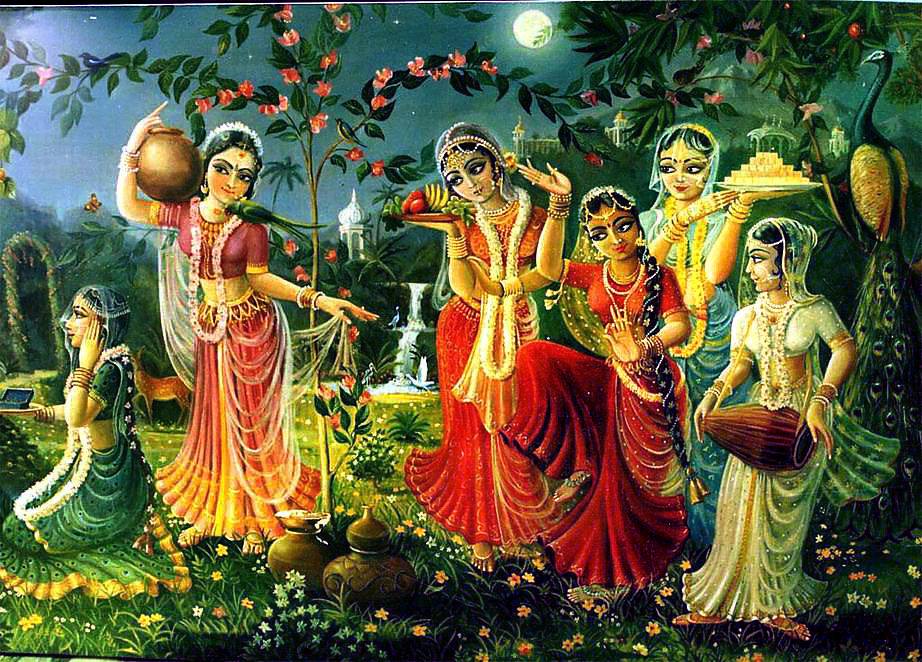
The most cherished local legend connects the temple directly to the Gopis (cowherd maidens) of Vrindavan. The scriptures describe the Katyayani Vrata (vow or ritual), performed by the Gopis during the month of Margashirsha (November–December).
- The Gopis desired to have Lord Krishna as their husband.
- To achieve this ultimate devotion (bhava) and union, they worshipped Goddess Katyayani on the banks of the Yamuna river.
- They prayed to Katyayani, chanting a specific mantra:”Katyayani Mahamaye Mahayoginyadhishwari, Nandagopa Sutam Devi Patim Me Kuru Te Namah”(O Goddess Katyayani, great enchantress, supreme mistress of great yogis, please make the son of Nanda (Krishna) my husband. I bow to you.)
This story establishes the Goddess Katyayani as the dispenser of the highest love and union (Mahabhava) in Vrindavan. Devotees believe that worshipping her here grants the blessing of pure bhakti and the realization of their highest spiritual longings, connecting their devotion directly to the divine love of Radha and Krishna.
The Five Deities in the Sanctum
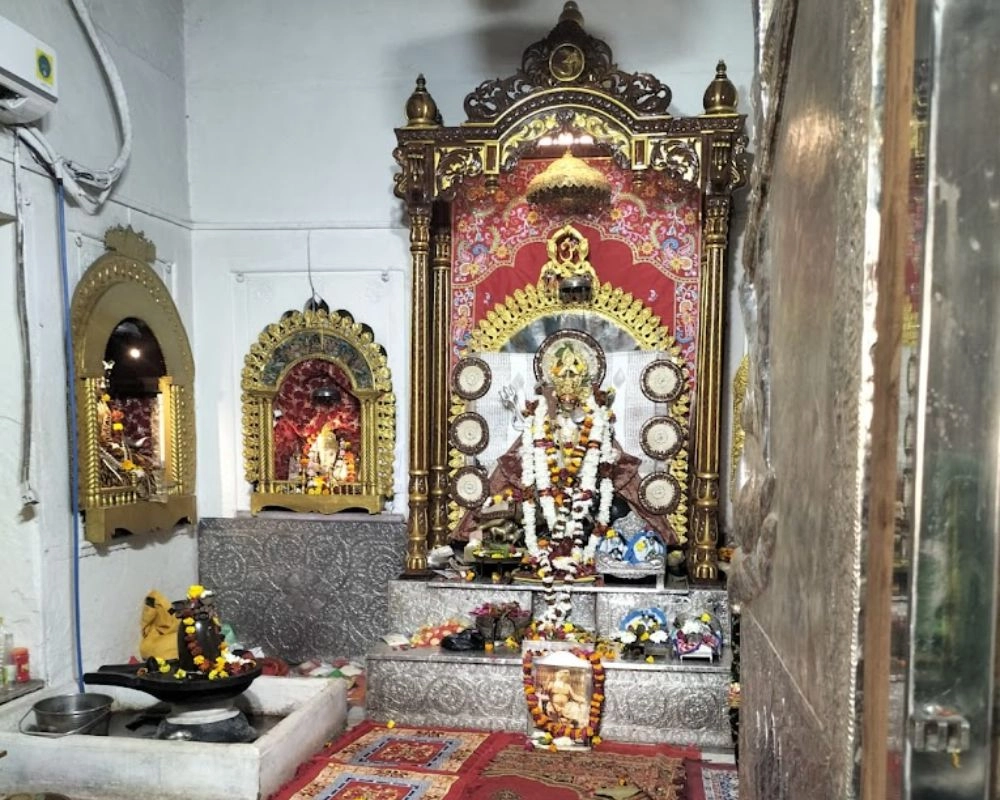
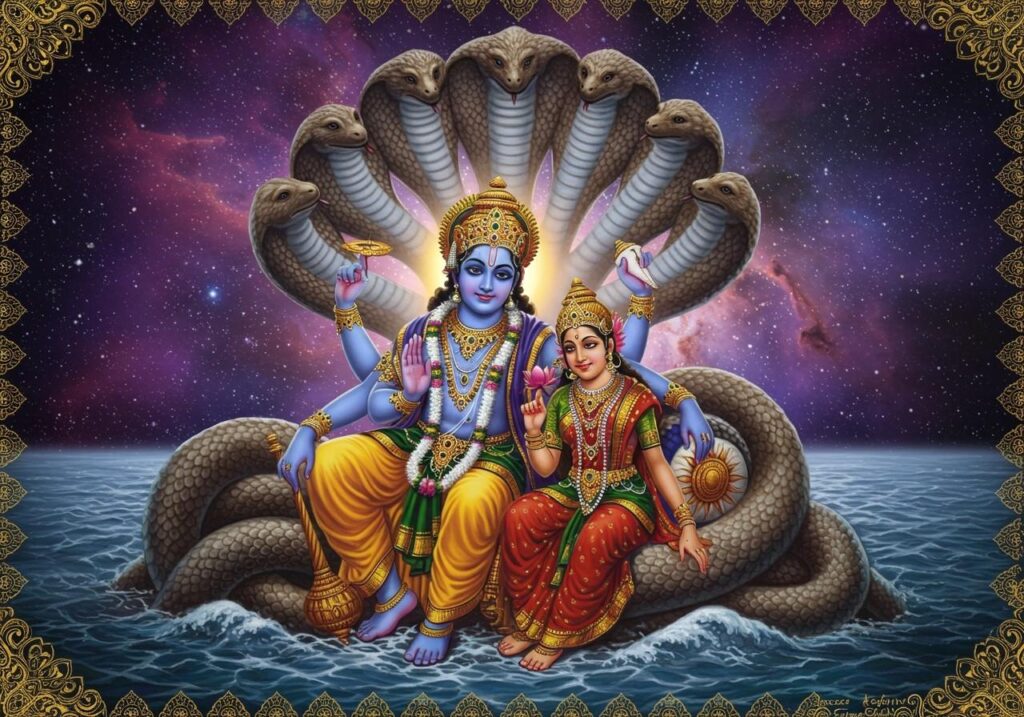
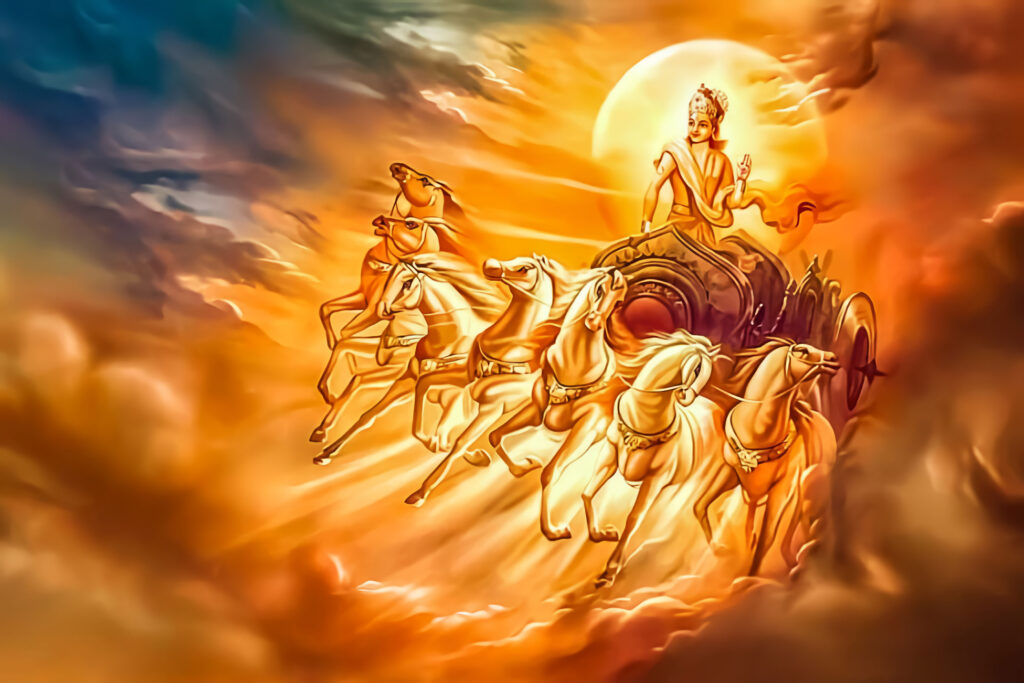
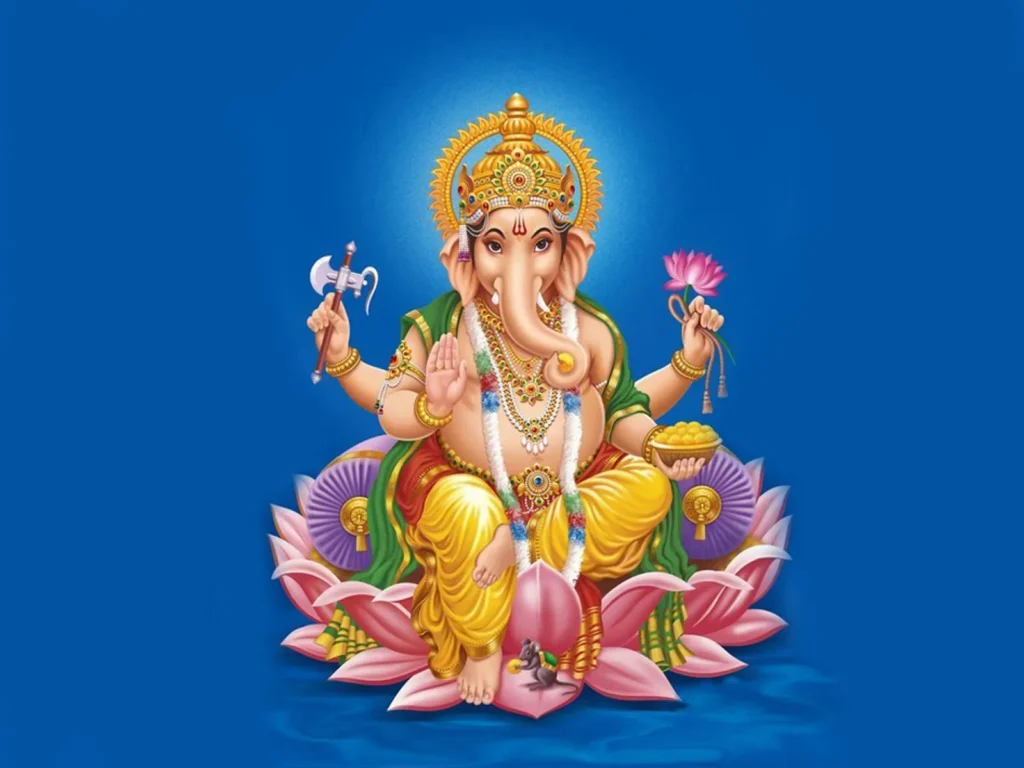
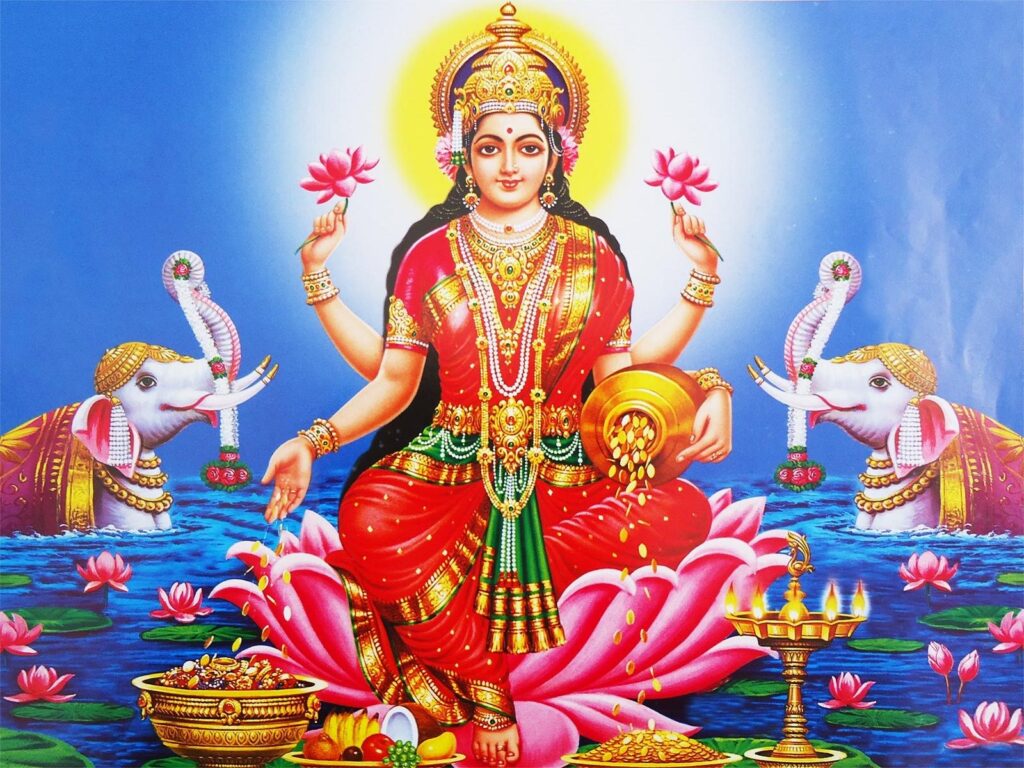
The temple is unique in that it houses five principal deities in its central sanctum (Garbha Griha), symbolizing the unification of the Hindu pantheon:
- Goddess Katyayani: The main deity.
- Goddess Lakshmi: Deity of Wealth and Prosperity.
- Lord Ganesha: Deity of Beginnings and Obstacle Remover.
- Lord Surya: The Sun God.
- Lord Vishnu: The Preserver, in the form of a Shaligram Shila.
This synthesis reflects the temple’s role as a complete source of blessings, from material well-being to ultimate spiritual liberation.
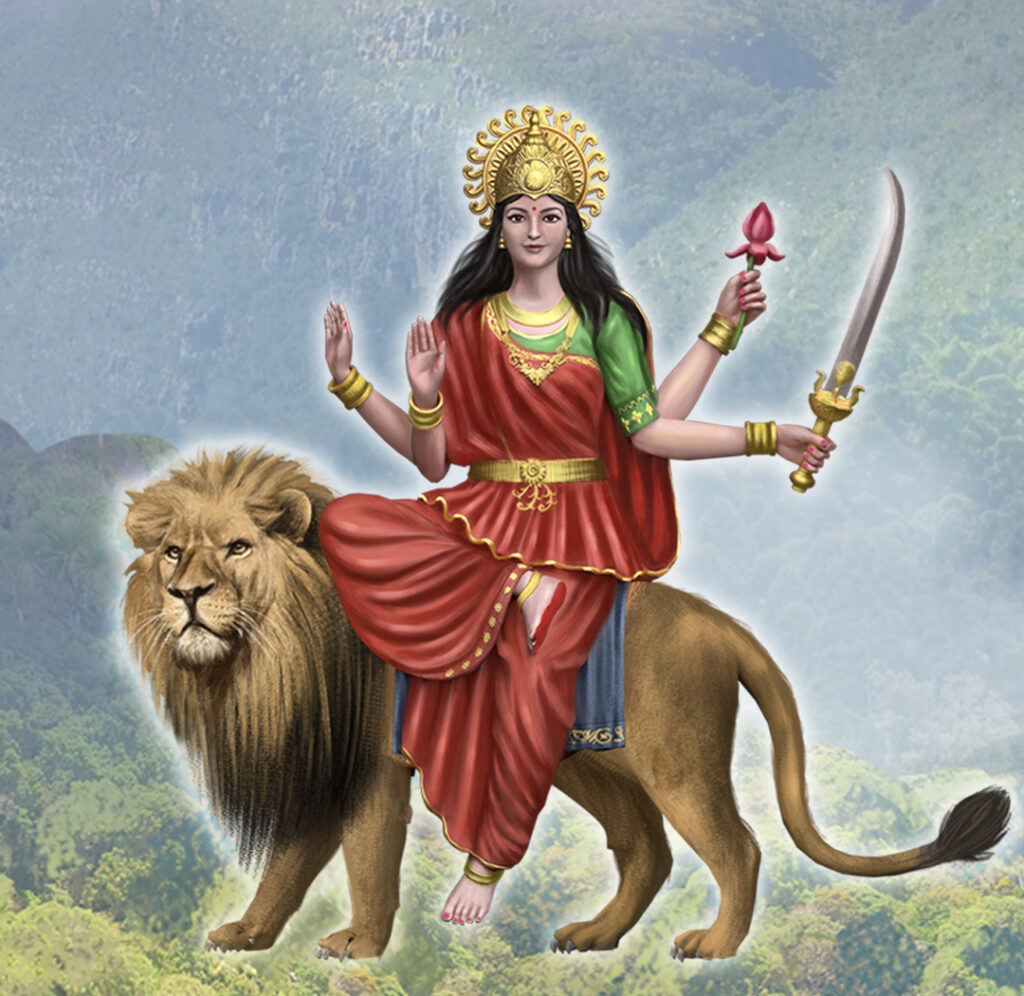
Architecture and Temple Structure
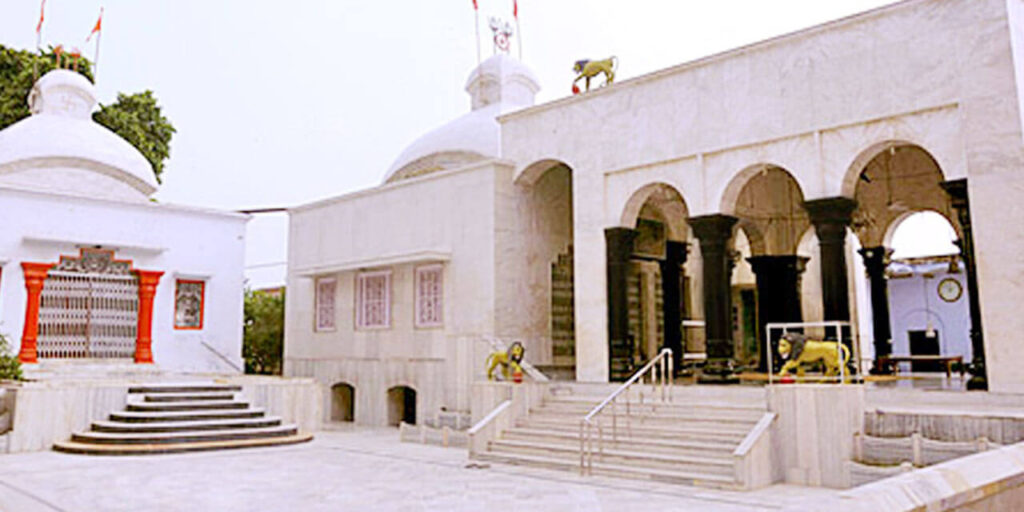
The present-day structure of the Katyayani Temple is relatively modern compared to its ancient origin, having been rebuilt and consecrated in 1923 under the guidance of Yogi Swami Keshvanandji Maharaj. The architecture is an amalgamation of North Indian styles, designed to accommodate the growing number of pilgrims.
The Construction
The temple complex is built with red sandstone, typical of the Braj region. It features a high boundary wall, multiple gates, and spacious courtyards designed for the gathering of large crowds during festivals. The main shrine rises with a traditional Sikhara (spire), reflecting the power and majesty of the Goddess.
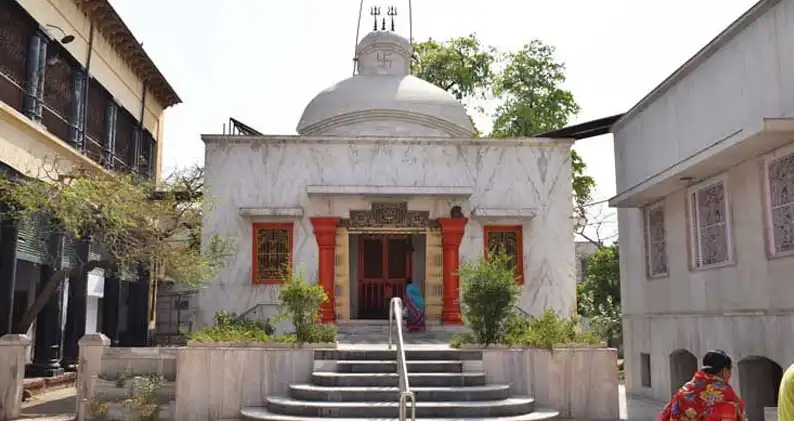
The Unique Idol
The central idol of Goddess Katyayani is carved from Ashtadhatu (an alloy of eight metals) and is known for its serene yet powerful expression. The Goddess is depicted in a standing posture, beautifully adorned with traditional jewellery and a crown. The darshan (sight) of the fully decorated idol is considered immensely auspicious.
Bhuteshwar Mahadev Link
As a complete Shakti Peeth, the male energy (Bhairava) is an essential component. While the Katyayani Temple is the primary site of Shakti, the corresponding Bhairava, Bhuteshwar Mahadev, is worshipped at the nearby Bhuteshwar Temple in Mathura. Pilgrims often include a visit to the Bhuteshwar temple to complete their pilgrimage to the Shakti Peeth.
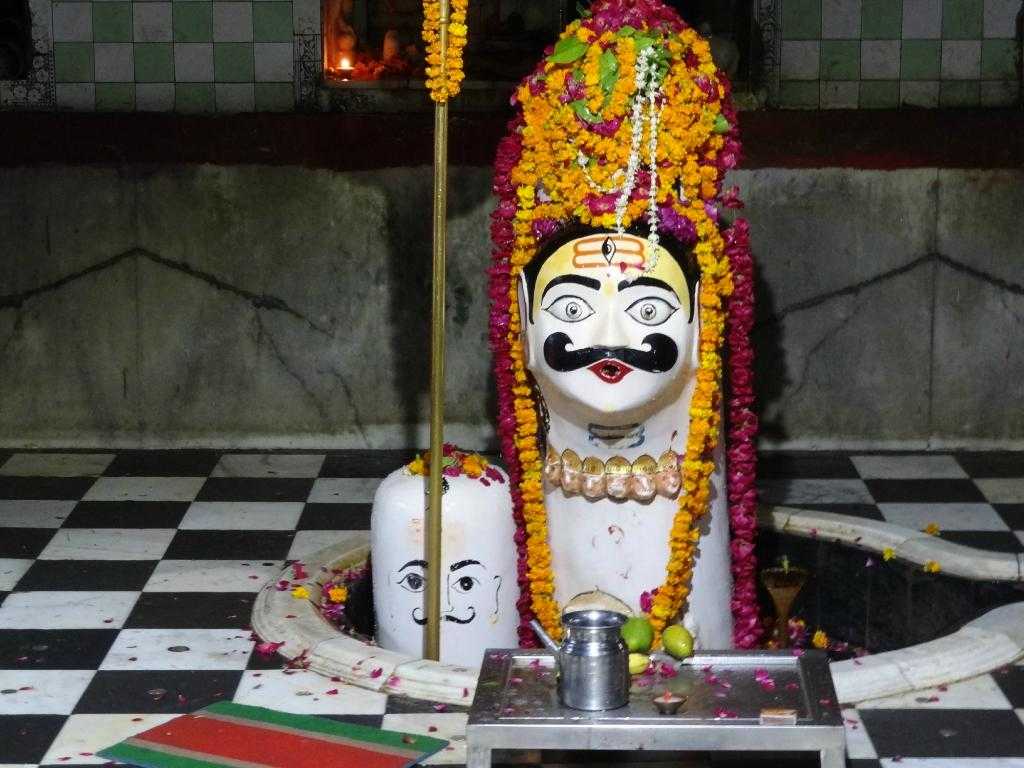
A Pilgrim’s Comprehensive Guide to Katyayani Peeth
Visiting the Katyayani Shakti Peeth offers a powerful spiritual experience, blending the reverence of a historical shrine with the devotional atmosphere of Vrindavan.
How to Reach the Temple
The temple is located in the Radhabagh area of Vrindavan, Mathura district, Uttar Pradesh.
| Mode of Travel | Nearest Major Point | Distance & Connectivity |
| By Air | Agra Airport (AGR) or Delhi IGI Airport (DEL) | Agra (approx. 75 km) is closer; Delhi is a major international hub (approx. 180 km). Taxis are readily available from both. |
| By Rail | Mathura Junction (MTJ) or Vrindavan Road (VRBD) | Mathura is a major junction (approx. 10 km away) with excellent connectivity. Vrindavan Road is closer but has fewer trains. Auto-rickshaws and cycle-rickshaws are the primary local transport. |
| By Road | Mathura | Vrindavan is easily accessible from Mathura via a well-maintained road. Local transport like e-rickshaws and auto-rickshaws are the best way to navigate the narrow lanes of Vrindavan to reach Radhabagh. |
Best Time to Visit
The best time to visit is during the winter season (October to March), when the weather is pleasant and conducive to outdoor travel and long hours of temple hopping in Vrindavan. The summer (April–June) is intensely hot, and the monsoon (July–September) brings heavy rain.
Major Festivals
The temple’s calendar is dictated by the festivals of the Goddess and the cycles of Krishna-Bhakti.
- Navaratri (Twice Yearly): Both the Sharadiya Navaratri (Autumn) and the Chaitra Navaratri (Spring) are celebrated with immense fervor. Special pujas, havans (fire rituals), and the recitation of the Durga Saptashati are performed, attracting thousands of devotees.
- Katyayani Vrata: While the Vrata is traditionally observed during the month of Margashirsha, the entire complex remains imbued with the energy of the Gopis’ prayers.
- Diwali/Kali Puja: A significant celebration dedicated to the fierce aspect of the Goddess.
Temple Timings and Rituals
| Event | Approximate Timings (Subject to Change) | Notes |
| Morning Darshan | 6:00 AM – 12:00 PM | Begins with the waking of the Goddess, Mangala Aarti, and Abhishekam (holy bath). |
| Evening Darshan | 4:00 PM – 9:00 PM | Includes the beautiful Sandhya Aarti (dusk worship). |
| Aarti (Worship with Lamps) | Multiple times a day | The most important being Mangala (morning), Rajbhog (noon), and Sandhya (evening). |
Note: Timings are subject to change based on the season and festivals. It’s always best to confirm local timings upon arrival.
Pilgrimage Tips
- Combine with Bhuteshwar: To complete the traditional Shakti Peeth pilgrimage, a visit to the Bhuteshwar Mahadev Temple in Mathura, the abode of Bhairava, is recommended.
- Embrace Bhakti: The temple is in Vrindavan; take time to absorb the atmosphere of pure devotion (bhakti). Chanting “Radhe Radhe” is the local form of greeting and reverence.
- Accessibility: The inner lanes of Vrindavan can be narrow and crowded. E-rickshaws are the most efficient way to travel locally.
The Enduring Spiritual Message
The Katyayani Shakti Peeth is a vital spiritual bridge. It connects the primordial, universal power of the Mother Goddess with the intimate, heart-centered devotion of the Braj tradition. It reminds the pilgrim that the Goddess Katyayani is not only the slayer of demons but also the ultimate facilitator of the soul’s deepest longing for union with the Divine.
A pilgrimage to this shrine is a profound experience where one seeks the strength of Durga, the prosperity of Lakshmi, and the love of a Gopi a complete spiritual blessing in the most sacred of lands.
Frequently Asked Questions (FAQ’s)
What is Katyayani Shakti Peeth?
Katyayani Shakti Peeth is a revered temple in Vrindavan, dedicated to Goddess Katyayani, one of the 51 sacred Shakti Peeths of India.
Where is Katyayani Shakti Peeth located?
It is situated in Vrindavan, Uttar Pradesh, a holy city associated with Lord Krishna and filled with spiritual energy.
Which part of Goddess Sati is associated with this temple?
The hair (Kesh) of Goddess Sati is believed to have fallen here, giving the temple immense religious significance.
What are the temple timings?
The temple remains open from 5:00 AM to 8:30 PM, with morning and evening aartis attracting many devotees.
Which festivals are celebrated here?
Navratri, Durga Puja, and Katyayani Vrata are celebrated with great devotion, drawing thousands of pilgrims.
How can one reach Katyayani Shakti Peeth?
Vrindavan is well-connected by road and rail. The nearest major railway station is Mathura Junction, around 12 km away.
Are there accommodation options nearby?
Yes, Vrindavan has numerous hotels, dharamshalas, and guest houses for pilgrims and visitors.
Any tips for visiting the temple?
Visit during early hours for peaceful darshan, wear modest attire, and explore nearby temples like Banke Bihari Temple and Prem Mandir.