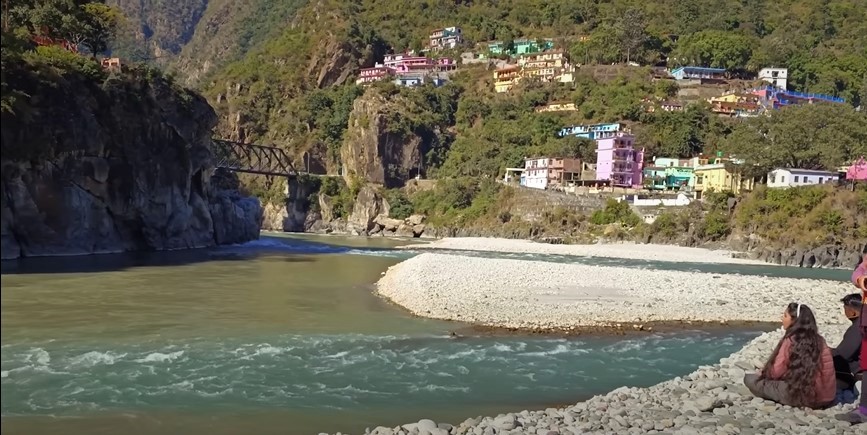
Nestled in the lap of the Garhwal Himalayas, Karnaprayag is one of the five sacred confluences of the Alaknanda River, famously known as the Panch Prayag. This town, located in Uttarakhand’s Chamoli district, is not just a geographical marvel but also a spiritual center that weaves together mythology, culture, and breathtaking Himalayan beauty of Karnaprayag Uttarakhand.
Karnaprayag is revered for the holy confluence where the Alaknanda River meets the Pindar River, creating a spectacular scene of gushing waters framed by lush mountains. For centuries, sages, saints, and travelers have stopped here to worship, meditate, and find peace in the serene atmosphere. It is also considered a key stop for pilgrims traveling on the Char Dham Yatra route, connecting Badrinath with other holy towns.

But Karnaprayag is more than just a spiritual destination. It’s a place where myth and history breathe in harmony, where every stone has a story, and every riverbank sings a hymn of devotion. The town offers natural charm, quiet corners for reflection, and a reminder of India’s deeply spiritual connection with its rivers and mountains.
Mythological Significance of Karnaprayag Uttarakhand.
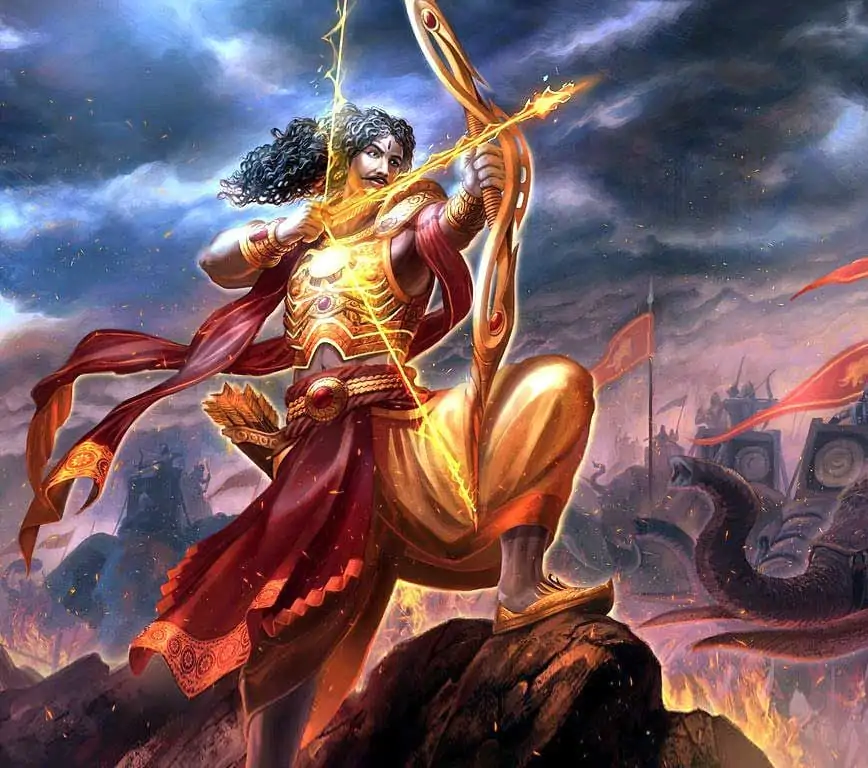
The name Karnaprayag itself comes from one of the greatest heroes of the Mahabharata — Karna, the generous warrior known for his unmatched courage and selfless charity.
Karna’s Connection
According to ancient legends, this is the place where Karna, son of the Sun God and Kunti, performed penance to please Lord Surya. His intense devotion moved the Sun God, who blessed him with divine armor (Kavach) and earrings (Kundal), which made him invincible in battle.
It is also believed that after Karna’s death in the Kurukshetra war, Lord Krishna performed his cremation rituals at this very site, giving Karnaprayag a sacred place in Hindu mythology. Thus, the confluence is not only geographically significant but also deeply symbolic of sacrifice, valor, and divine grace.
Other Legends
- Ancient texts suggest that sages like Narada and Dattatreya meditated here.
- The town is associated with various episodes of the Mahabharata, making it one of the key mythological centers of Uttarakhand.
This powerful blend of mythology and spirituality makes Karnaprayag more than just a stopover — it is a living storybook where epics meet everyday life.
The Spiritual Aura of the Confluence
Standing at the banks where the Alaknanda and Pindar Rivers merge is an experience beyond words. The two rivers, one calmer and the other wilder, create a spectacular contrast before uniting into a single, stronger current. For devotees and travelers, this confluence represents the union of strength and serenity, much like Karna himself.

Pilgrims believe that taking a dip in these sacred waters washes away sins and brings blessings of courage and wisdom. The riverbanks are often lined with people meditating, performing rituals, or simply sitting quietly, letting the sound of flowing water fill their hearts with peace.
Temples in Karnaprayag
Karnaprayag is dotted with small yet significant temples that reflect the town’s devotion and spiritual importance.
1. Karna Temple
Dedicated to Karna, this temple is a tribute to the heroic figure who continues to inspire generations. Devotees visit this temple to honor Karna’s spirit of generosity and courage.

2. Uma Devi Temple
Another important temple is dedicated to Goddess Uma (Parvati). It holds great significance among local devotees and adds to the spiritual identity of the town.

3. Nauti Village Temples
Close to Karnaprayag lies Nauti, a village associated with Goddess Nanda Devi. This site holds cultural importance during the Nanda Devi Raj Jat Yatra, a famous pilgrimage conducted once every twelve years.
Natural Beauty Around Karnaprayag
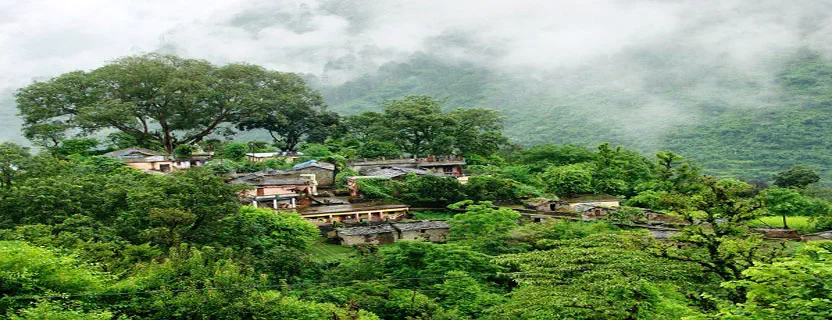
Beyond its spiritual identity, Karnaprayag is a paradise for nature lovers. Located at an elevation of around 860 meters, the town offers a comfortable climate and mesmerizing views of snow-clad Himalayan peaks, pine forests, and charming valleys.
The sight of rivers meeting, surrounded by green slopes and distant mountain ridges, makes it an ideal place for photographers, poets, and anyone who seeks inspiration in nature. Unlike more crowded pilgrimage towns, Karnaprayag retains a sense of simplicity and calm that makes it appealing to travelers looking for peace.
Karnaprayag in the Panch Prayag Circuit
Karnaprayag is one of the five confluences that form the famous Panch Prayag. The other four are:
- Vishnuprayag (confluence of Alaknanda and Dhauliganga)
- Nandaprayag (confluence of Alaknanda and Nandakini)
- Rudraprayag (confluence of Alaknanda and Mandakini)
- Devprayag (confluence of Alaknanda and Bhagirathi, where the Ganga officially begins)
Together, these Prayags represent the journey of Alaknanda before becoming the sacred Ganga, making them spiritually and geographically significant.
Things to Do in Karnaprayag
While most people visit Karnaprayag for pilgrimage, the town also offers several experiences that make the visit memorable.
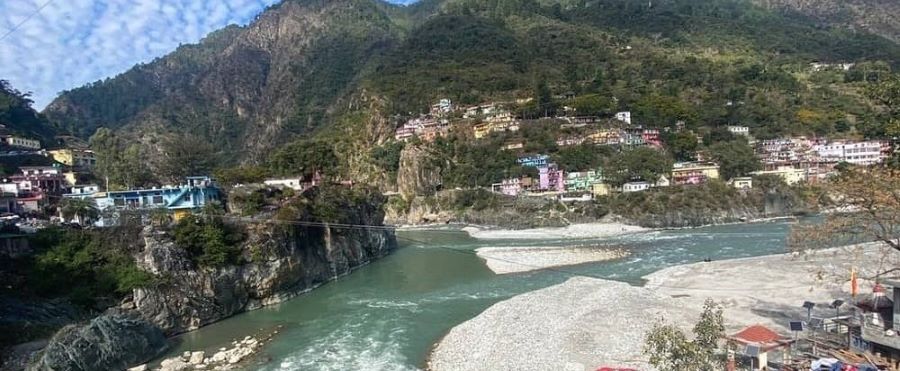
1. Witness the Confluence
Spend time at the riverbanks, watching the Alaknanda and Pindar Rivers merge. Sunrise and sunset here are particularly breathtaking.
2. Temple Visits
Visit the Karna Temple and Uma Devi Temple to soak in the spiritual atmosphere.
3. Local Walks
Take leisurely walks through the town, interact with locals, and explore the simple lifestyle of the Garhwal region.
4. Trekking
Karnaprayag is also a base for treks leading into the higher Himalayas. The nearby valleys and trails attract trekkers who want to explore untouched landscapes.
How to Reach Karnaprayag
Karnaprayag is well connected by road and can be accessed easily from major towns in Uttarakhand.
- By Air: The nearest airport is Jolly Grant Airport, Dehradun (around 190 km away). From there, taxis and buses are available.
- By Rail: The nearest railway station is Rishikesh (around 172 km). Haridwar and Dehradun are also well-connected by train.
- By Road: Karnaprayag lies on National Highway 7, making it accessible from Rishikesh, Haridwar, Dehradun, and Delhi. Buses, taxis, and shared jeeps frequently ply on this route.
Best Time to Visit Karnaprayag
- Summer (April to June) – Pleasant and ideal for temple visits and sightseeing.
- Monsoon (July to September) – The region receives heavy rainfall, so landslides can occur. Caution is advised.
- Autumn (October to November) – A perfect time for spiritual visits, trekking, and enjoying clear views of the Himalayas.
- Winter (December to February) – Cold but peaceful. The area remains accessible, but heavy woolens are necessary.
Nearby Attractions of Karnaprayag
Karnaprayag, while deeply significant as the confluence of the Alaknanda and Pindar Rivers, is also surrounded by a treasure trove of places that enrich the experience of every visitor. Situated in the heart of the Garhwal Himalayas, this small town acts like a gateway, connecting pilgrims, trekkers, and travelers to multiple destinations that are both spiritual and scenic.
From the other Prayags in the sacred Panch Prayag circuit to hill stations, trekking routes, and ancient temples, the surroundings of Karnaprayag offer more than one can expect. Spending a few days here not only gives you time to absorb the aura of Karna’s legend but also lets you explore some of Uttarakhand’s most remarkable jewels.
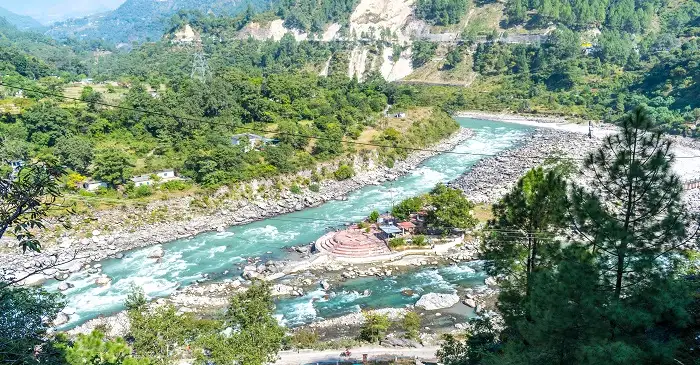
1. Nandaprayag
Just about 20 kilometers from Karnaprayag lies Nandaprayag, another sacred confluence where the Alaknanda meets the Nandakini River. The town holds its own mythological charm. According to legends, King Nanda performed a yajna here to please the gods, and thus the place was named after him.
Travelers find Nandaprayag quieter compared to the other confluences, which makes it perfect for meditation and reflection. The emerald waters of the rivers merging against the backdrop of green valleys create a view that feels like a painting. There are also small temples nearby where locals worship daily, adding to the spiritual essence of the place.
For pilgrims tracing the Panch Prayag journey, Nandaprayag is an essential stop. For others, it is a refreshing detour where the beauty of rivers and stories of devotion coexist harmoniously.
2. Rudraprayag
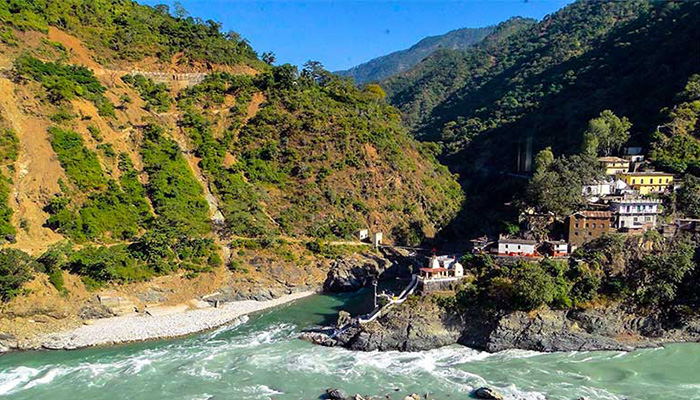
Around 34 kilometers from Karnaprayag is Rudraprayag, the confluence of the Alaknanda and Mandakini Rivers. It is believed that Lord Shiva appeared here to bless Narada with the mastery of music, giving the place its sacred identity. The town is also considered the gateway to Kedarnath, one of the Char Dham shrines.
What makes Rudraprayag interesting is not just its religious importance but also its collection of small temples, serene riverbanks, and surrounding forests. Pilgrims often stop here to take blessings before continuing their onward journey. The town has grown as a spiritual hub while still maintaining its natural charm.
For a traveler, Rudraprayag offers a blend of myth, music, and nature — a place where faith and beauty walk hand in hand.
3. Chamoli
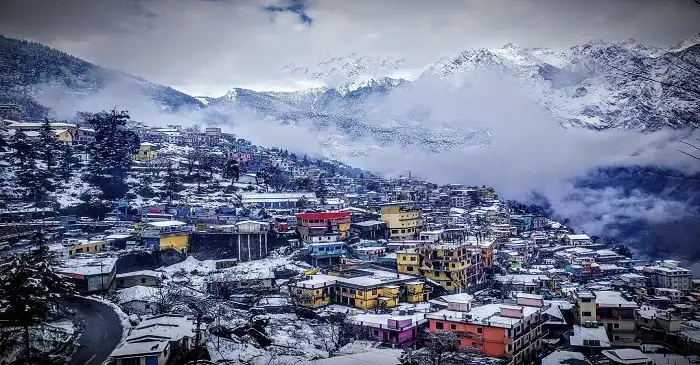
Only 14 kilometers from Karnaprayag lies Chamoli, the district headquarters and a town often referred to as the “Abode of Gods.” Chamoli has earned this name due to the sheer number of temples and sacred spots scattered across its boundaries.
Chamoli also played an important role in India’s modern history as the birthplace of the Chipko Movement, where villagers hugged trees to protect forests from being cut down. This blend of spirituality and environmental consciousness makes Chamoli unique.
Travelers often explore the small markets of Chamoli, visit local temples, and use it as a base for visiting other popular destinations like Badrinath and Valley of Flowers. The town offers an authentic Garhwali experience with its simple lifestyle, traditional food, and warm hospitality.

4. Joshimath
At about 85 kilometers from Karnaprayag lies Joshimath, one of the most revered spiritual towns in Uttarakhand. It is not only a base for the Badrinath pilgrimage but also the seat of one of the four monasteries established by Adi Shankaracharya.
Joshimath attracts both pilgrims and adventure enthusiasts. While pilgrims visit the famous Narasimha Temple and Adi Shankaracharya’s math, trekkers and skiers see it as the gateway to Auli, one of India’s premier skiing destinations.
The charm of Joshimath lies in its versatility. In one part of the town, you hear bells ringing in ancient temples, while in another, you find adventure seekers gearing up for treks and snow sports. This combination of spirituality and thrill makes Joshimath a must-visit for anyone staying in Karnaprayag.
5. Auli
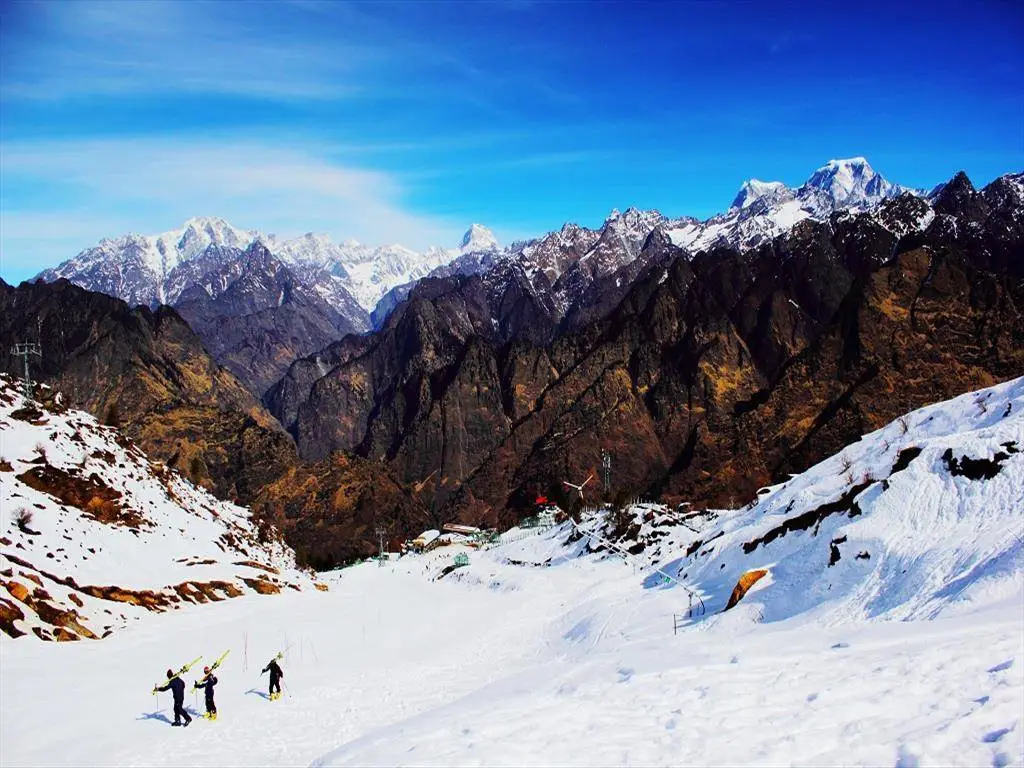
If you want to experience a destination where the Himalayas look their most majestic, then Auli, about 90 kilometers from Karnaprayag, is the place to be. Known as the skiing capital of India, Auli is surrounded by snow-clad peaks like Nanda Devi, Kamet, and Dunagiri.
During winters, Auli transforms into a white wonderland where skiers from across the world gather. In summers, the meadows bloom with alpine flowers, making it equally stunning. The cable car ride from Joshimath to Auli is one of the longest in Asia and offers panoramic views of the mountains.
Visiting Auli from Karnaprayag allows travelers to balance spiritual journeys with nature’s grandeur. It is a reminder that the Himalayas are not just sacred but also breathtakingly beautiful.
6. Devprayag
No exploration of nearby attractions is complete without mentioning Devprayag, about 95 kilometers from Karnaprayag. This sacred town marks the official beginning of the Ganga, where the Alaknanda meets the Bhagirathi.
Devprayag is steeped in mythology and is dotted with temples, ghats, and old houses that reflect the heritage of Garhwal. Pilgrims often take a dip at the confluence, believing it to be a purifying experience. The town also offers mesmerizing views of the rivers merging, with the emerald green Alaknanda blending into the silt-laden Bhagirathi.
For anyone following the Panch Prayag trail, Devprayag is the grand finale, and visiting it after Karnaprayag gives a sense of completing a spiritual circle.
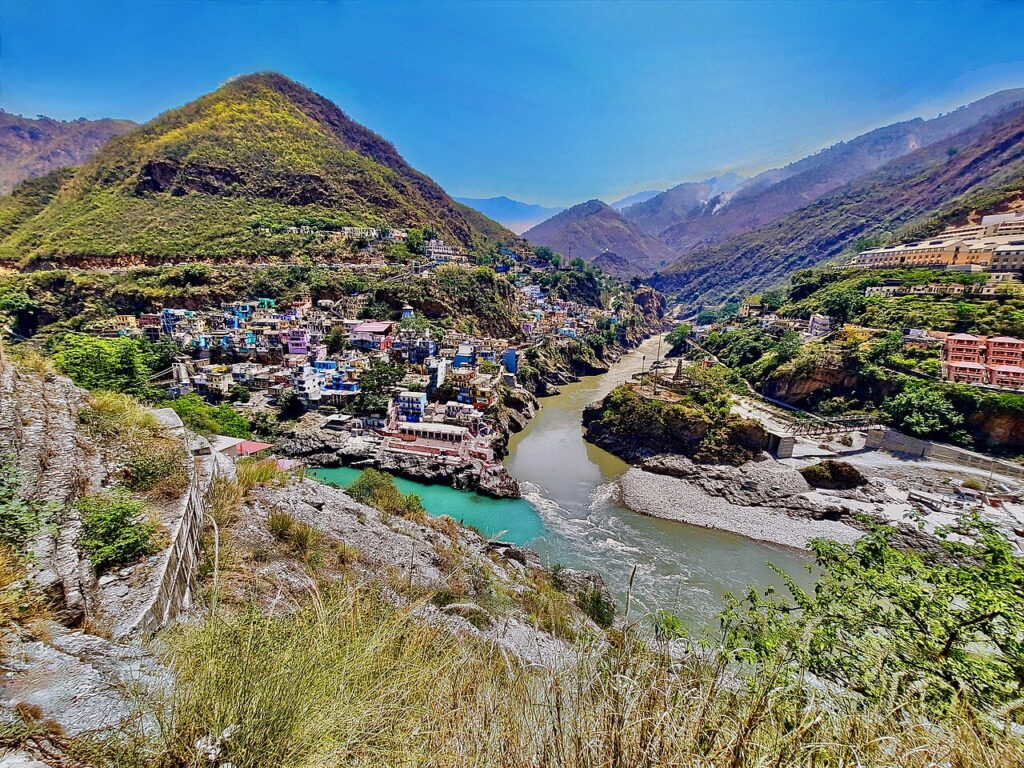
7. Gwaldam
Situated about 90 kilometers from Karnaprayag, Gwaldam is a small but picturesque hill station that feels like a hidden gem. Located on the border of Garhwal and Kumaon, it offers a different flavor of Uttarakhand.
Gwaldam is surrounded by thick pine forests, apple orchards, and charming villages. It is also a base for treks like Roopkund and Kuari Pass, attracting adventure lovers. The quiet environment, combined with stunning views of Trishul and Nanda Ghunti peaks, makes Gwaldam perfect for those seeking peace and solitude.
Unlike more commercialized destinations, Gwaldam retains an untouched charm, making it a wonderful getaway from the busy pilgrimage towns.
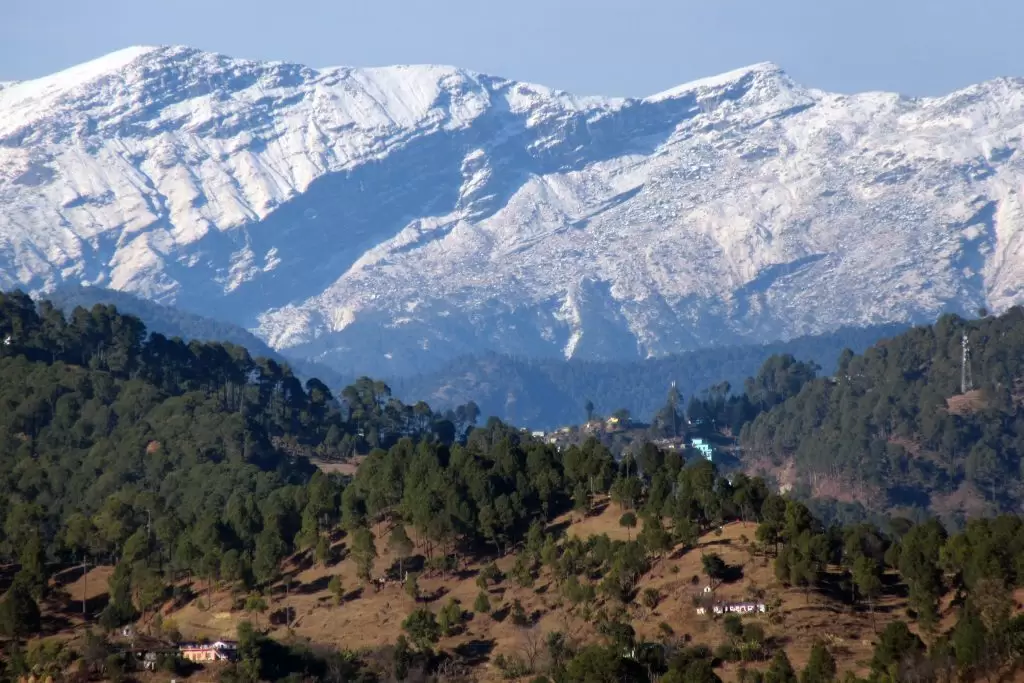
8. Valley of Flowers
Though a little farther at around 120 kilometers, the Valley of Flowers National Park is one of the most remarkable places you can visit from Karnaprayag. Declared a UNESCO World Heritage Site, this valley bursts into a carpet of colorful flowers during the monsoon months, creating a scene that looks almost unreal.
Trekking to the Valley of Flowers is an adventure in itself, and the reward is landscapes filled with rare Himalayan flora, snow peaks, and sparkling streams. For nature lovers, photographers, and trekkers, this is a dream destination that is well worth the effort.
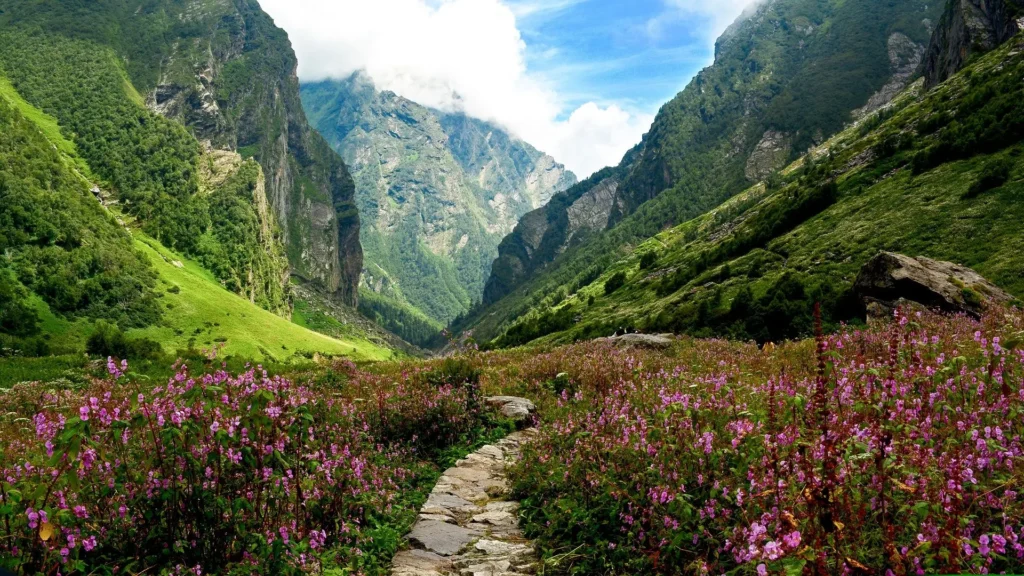
9. Hemkund Sahib
Located near the Valley of Flowers, Hemkund Sahib is one of the highest Gurudwaras in the world, perched at an altitude of over 4,000 meters. It is dedicated to Guru Gobind Singh, the tenth Sikh Guru, and is surrounded by seven snow-covered peaks and a pristine glacial lake.
Pilgrims trek uphill from Govindghat to reach this sacred site, and the journey itself is as inspiring as the destination. For visitors from Karnaprayag, Hemkund Sahib represents devotion, endurance, and the divine beauty of the Himalayas.
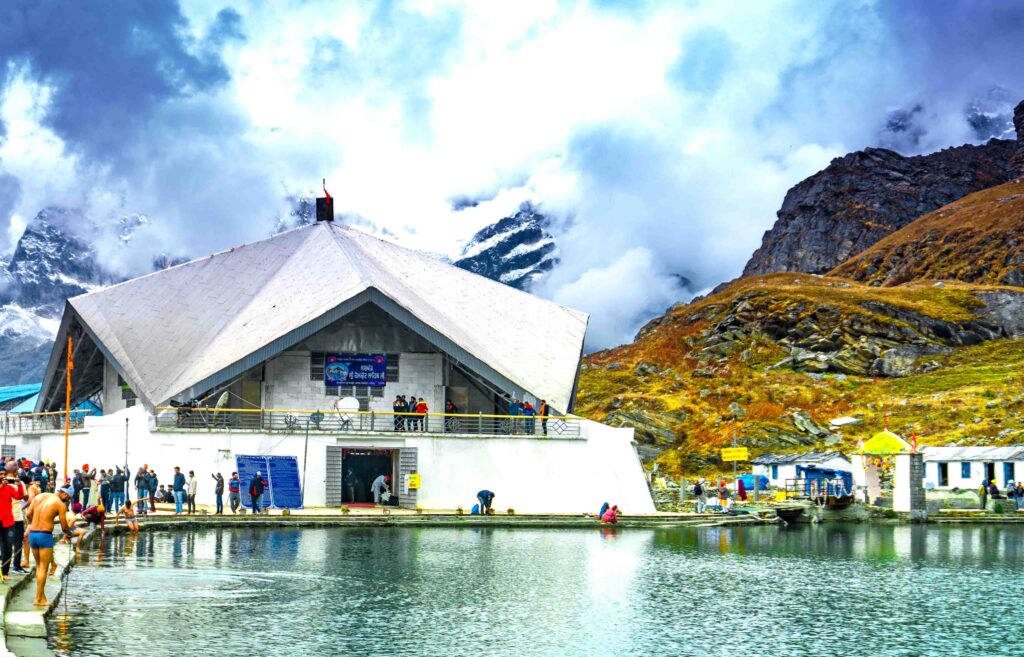
10. Srinagar Garhwal
About 85 kilometers away, Srinagar Garhwal is another nearby town that blends spirituality and education. It is home to Hemwati Nandan Bahuguna Garhwal University and also has temples like Kamleshwar Mahadev that attract devotees.
Srinagar’s charm lies in its combination of being a cultural and educational hub while still retaining its riverside serenity. For those traveling between Rishikesh and Karnaprayag, Srinagar often becomes a natural stopover.

FAQs for Karnaprayag
Where is Karnaprayag located?
Karnaprayag is in Chamoli district, Uttarakhand, on the confluence of Alaknanda and Pindar rivers.
Why is Karnaprayag famous?
It is one of the Panch Prayag, associated with Karna from the Mahabharata who meditated and attained boons from the Sun God here.
What rivers meet at Karnaprayag?
The Alaknanda River merges with the Pindar River at Karnaprayag.
What does the name Karnaprayag mean?
It is named after Karna, the great warrior of the Mahabharata.
What are the main temples in Karnaprayag?
Karna Temple and Uma Devi Temple are the major religious attractions.
What is the best time to visit Karnaprayag?
March to June and September to November are ideal for visiting, avoiding heavy monsoon rains.
How to reach Karnaprayag?
It is connected by road to Rishikesh, Haridwar, and Srinagar. The nearest railhead is Rishikesh.
Is Karnaprayag part of Panch Prayag?
Yes, it is the third confluence in the Panch Prayag circuit.
What myths are associated with Karnaprayag?
Legends say Karna prayed here and received protective armor and divine powers from the Sun God.
What activities can tourists do in Karnaprayag?
Tourists can explore temples, enjoy riverside walks, and use it as a halt on the Char Dham route.
Which district is Karnaprayag in?
Karnaprayag is located in Chamoli district of Uttarakhand.
Is Karnaprayag linked to the Char Dham Yatra?
Yes, it lies on the Char Dham route and serves as an important halt for pilgrims traveling to Badrinath.
What is the altitude of Karnaprayag?
Karnaprayag is situated at around 1,451 meters (4,760 ft) above sea level.
Are there trekking routes near Karnaprayag?
Yes, Karnaprayag is a gateway to treks leading into the Kumaon and Garhwal Himalayas, including routes towards the Pindari Glacier.
What facilities are available in Karnaprayag?
The town has guesthouses, small hotels, shops, and medical facilities, making it a convenient stopover for pilgrims and travelers.