
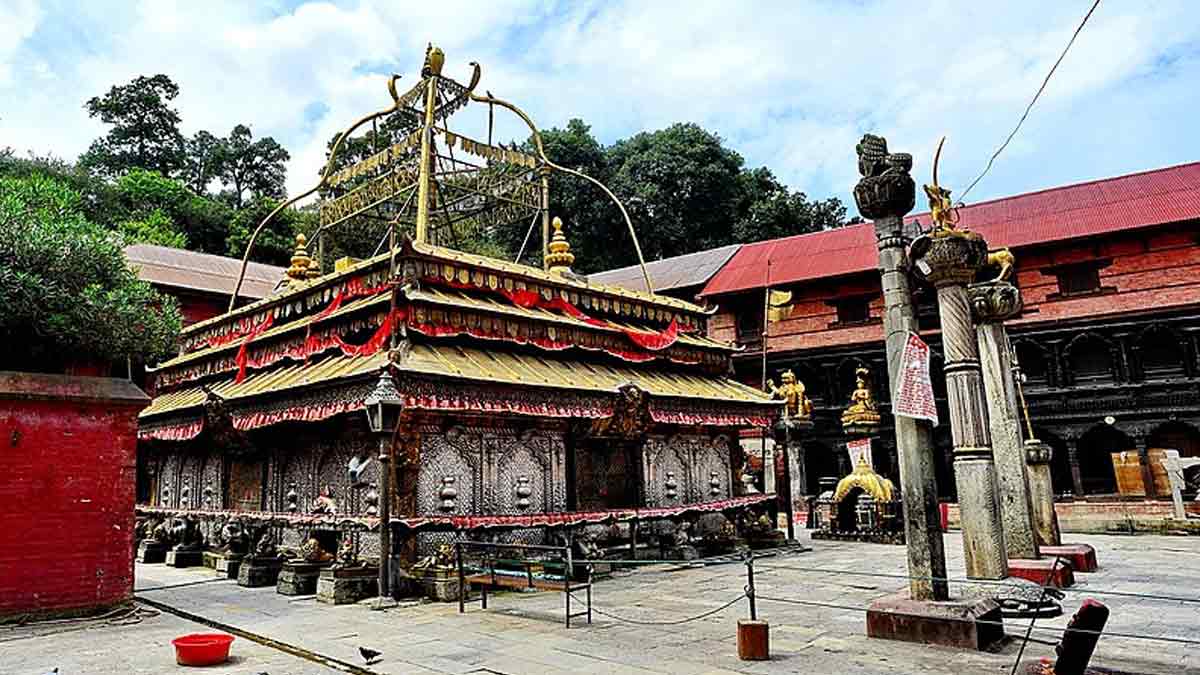
The Karatal Shaktipeeth, or the Gandaki Chandi Temple, is one of the most remote, powerful, and geographically stunning seats of the Divine Mother (Shakti) in the entire Indian subcontinent. It is located near the spiritual hub of Muktinath in Nepal, a region of the Himalayas that connects Hindu, Buddhist, and indigenous traditions explore karatal shaktipeeth with Nepal Tour Package.
This shrine is far more than a simple temple; it is a pilgrimage defined by the arduous journey through the dramatic Kali Gandaki gorge, the blending of the fierce Goddess with the gentle river, and the profound sanctity of the surrounding mountains. The sanctity of this site, often debated in its exact location, is globally significant, marking the place where a piece of Goddess Sati’s body fell, forever sanctifying the Kali Gandaki valley.
The Cosmic Origin: Sati’s Right Hand/Cheek
The spiritual foundation of the Karatal Shaktipeeth rests on the ancient mythology of Daksha Yajna and Sati’s sacrifice.
The Sacred Relic: The Hand or the Cheek
The name Karatal itself is derived from the Sanskrit words Kara (Hand) and Tal (Palm), suggesting that the ‘Right Hand’ or ‘Palm’ of Goddess Sati fell here. However, other traditions, particularly those associated with the Skanda Purana and the popular list of 51 Shakti Peethas, assert that her ‘Ganda’ (Cheek) fell in this region. Regardless of the precise body part, the consensus places the site in the vicinity of the Kali Gandaki River and Muktinath.

This infusion of divine energy makes the Karatal Peeth one of the most powerful places for Sadhana (spiritual practice), particularly for Tantric practitioners and those seeking liberation.
The Manifestation of the Divine
At this high-altitude spiritual crossroad, the deities manifest as:
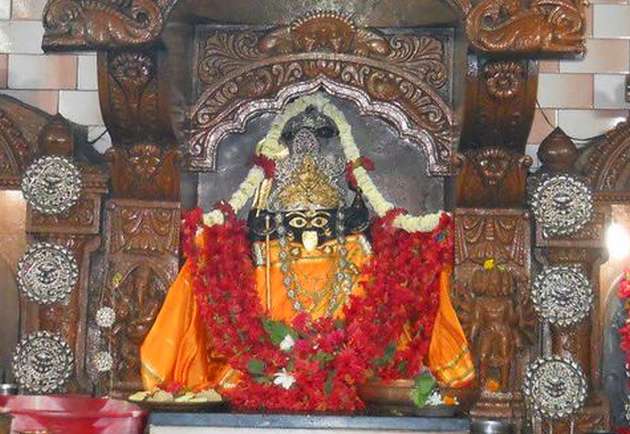
- Shakti (The Goddess): Gandaki Chandi, signifying the fierce yet purifying energy of the Goddess. The name is intrinsically linked to the Kali Gandaki River flowing through the valley. Chandi is a powerful, protective, and destructive manifestation of the Mother, ensuring the removal of all obstacles.
- Bhairava (The Consort): Lord Shiva is worshipped as Chakrapani (Holder of the Chakra), a form associated with Lord Vishnu. This unique naming reflects the syncretism of the site, as the region is also home to the Shaligram Shila, a stone form of Vishnu.
The Shaligram Significance
A critical and unique aspect of the Karatal Peeth is its intimate association with the Shaligram Shila. The Kali Gandaki River is the sole source of these sacred black fossil stones, which are worshipped as natural manifestations of Lord Vishnu. The presence of both the Goddess (Shakti Peeth) and the natural manifestation of Vishnu (Shaligram) defines the entire region as a cosmic power center, often referred to as a Triveni (triple confluence) of forces.
The Geography and Spiritual Syncretism
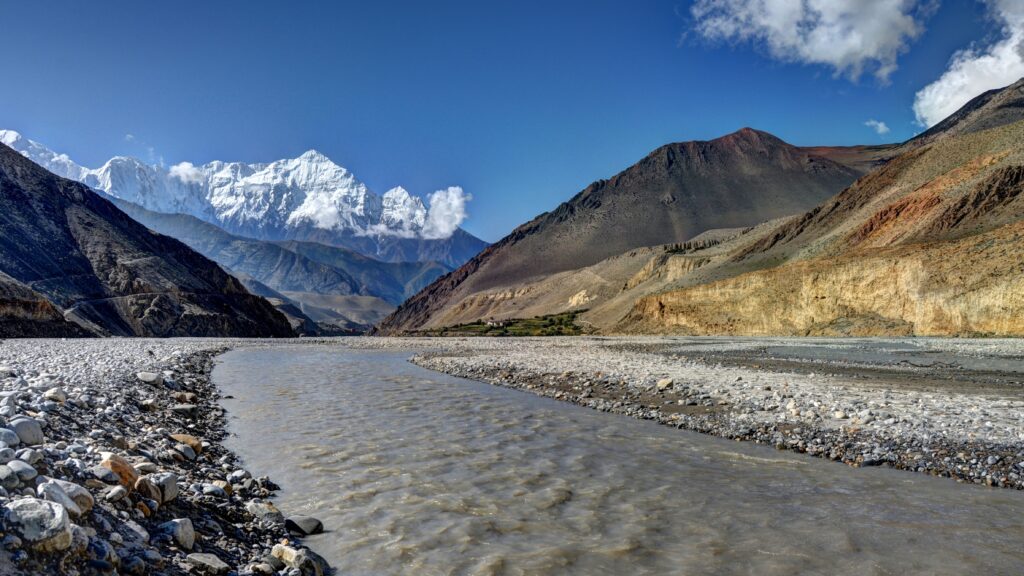
The location of the Karatal Peeth is inseparable from its spiritual identity, sitting within the Annapurna Conservation Area between the towering Dhaulagiri and Annapurna mountain ranges.
The Kali Gandaki Gorge
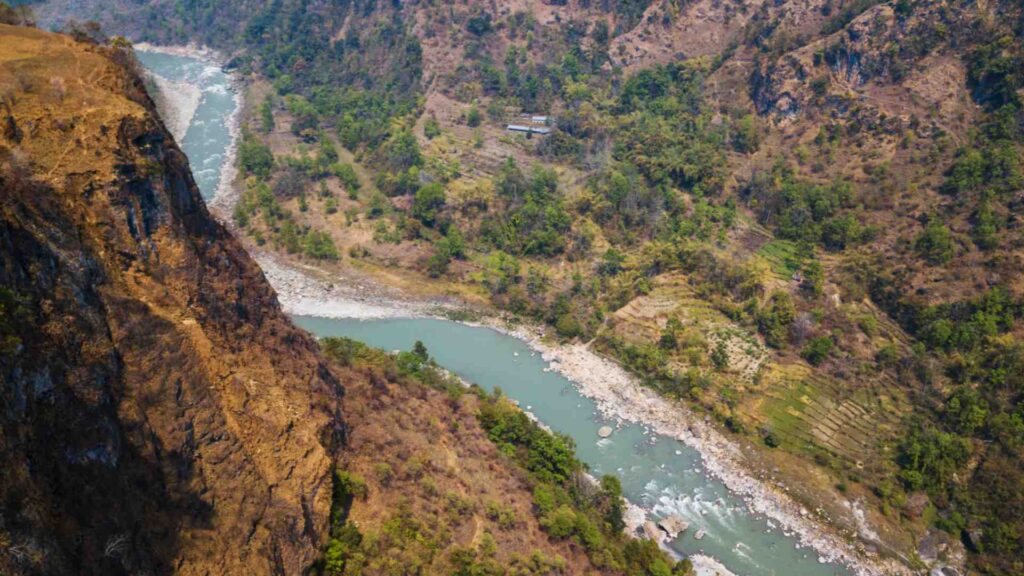
The temple’s energy is believed to flow from the Kali Gandaki River, which carved the world’s deepest gorge. The river is named Kali (black) because its banks are lined with the dark Shaligram stones. Pilgrims believe that the river itself embodies the fierce, protective energy of Goddess Chandi, constantly purifying the region.
The Muktinath Confluence
The precise location of the Shakti Peeth is generally identified as a place on the banks of the Kali Gandaki near the village of Kagbeni, which serves as a gateway to Muktinath.
Muktinath itself is a profoundly important sacred site, revered by:
- Hindus: As one of the 108 Divya Desams (holy temples of Vishnu), where the deity is worshipped as Muktinath (Lord of Liberation).
- Buddhists: As one of the 24 great Tantric places, known as Chumig Gyatsa (Hundred Waters), and the seat of the Dakini (sky dancer) Vajra Varahi.
The Karatal Shaktipeeth is the Goddess’s anchor that binds these Hindu and Buddhist spiritual energies into one pilgrimage circuit.
The Temple Structure
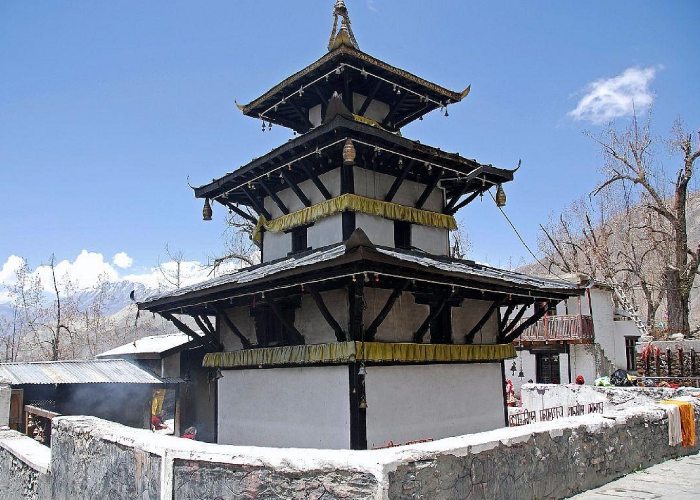
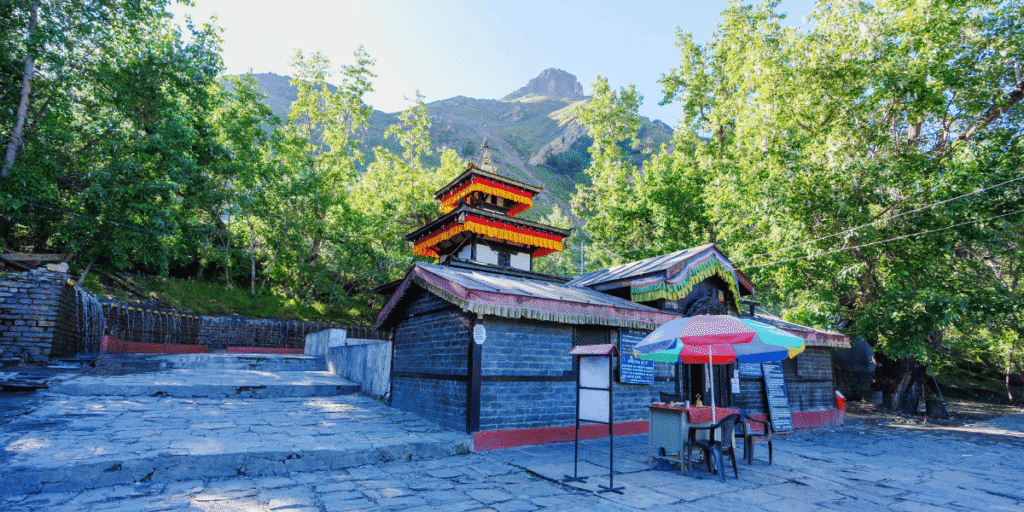
Due to the devastating natural erosion and historical inaccessibility of the region, the Karatal Peeth does not have a grand, towering temple structure typical of other major Peethas in the plains. The current shrine is often a modest, highly localized altar or a small pagoda, sometimes merged into the existing temples in the region like the small shrine dedicated to the Goddess at Muktinath or the nearby villages, continuously rebuilt and maintained by local priests and sadhas. The true sanctity is held to reside in the natural spot where the body part fell, marked by the powerful confluence of natural elements and the river itself.
A Pilgrim’s Comprehensive Guide to Karatal Peeth
A journey to Karatal is a high-altitude spiritual trek, demanding careful planning and reverence for the natural environment.
Best Time for Pilgrimage (The Weather Window)
The pilgrimage window is limited by the Himalayan weather:
- Best Time: March to June (Spring) and September to November (Autumn). These months offer clear skies and moderate temperatures for trekking and travel.
- Avoid: The monsoon season (July-August) due to landslides and cloudy weather, and the peak winter months (December-February) due to heavy snow and extreme cold, which can close roads and trails.
Access and Travel Logistics
The Karatal Shaktipeeth is situated in the Mustang District of Nepal. The primary route is via the popular Annapurna Circuit/Muktinath route.
| Mode of Travel | Nearest Major Point | Details and Route |
| By Air | Pokhara (PKR) and Jomsom (JMO) | Kathmandu $\rightarrow$ Pokhara (Flight/Bus). Pokhara $\rightarrow$ Jomsom (30-minute mountain flight). Jomsom is the main hub in the valley. |
| By Road/Jeep | Jomsom to Muktinath | From Jomsom, one can hire a shared or private 4×4 Jeep, which takes about 2-3 hours to reach Muktinath. The road is rough, dusty, and challenging. |
| By Foot (Trek) | Jomsom to Kagbeni/Muktinath | Trekking takes 1 to 2 days and is immensely rewarding. This allows pilgrims to absorb the power of the Kali Gandaki gorge. The Karatal Peeth is believed to be in the general region of Kagbeni or Ranipauwa near Muktinath. |
| Local Search | Muktinath Complex | Once at Muktinath, the specific shrine is located on the periphery or a short walk from the main temple complex, often identified by local priests or guides. The focus is always on the Shaligram-rich riverbed as the source of the power. |
Ritual and Offerings
Rituals at the Karatal Peeth are simple and highly localized, often involving:
- Purification: Taking a bath or sprinkling water from the 108 waterspouts at Muktinath, which are believed to wash away sins and grant liberation (moksha).
- Shaligram Worship: Pilgrims often collect small Shaligram stones from the Kali Gandaki riverbed as the ultimate offering to the Goddess or for personal worship.
- Fire Worship: Offering puja and lighting lamps/incense to Goddess Chandi for protection during the challenging journey.
- Syncretic Practices: Devotees engage in rituals that honor both the Hindu deity (Muktinath/Chakrapani) and the Buddhist deity (Vajra Varahi), reflecting the harmony of the region.
Pilgrimage Challenges and Rewards
- Altitude: The region around Muktinath is at an altitude of approximately 3,710 meters (12,172 ft). Pilgrims must be aware of the risk of Acute Mountain Sickness (AMS). Acclimatization is essential.
- Natural Beauty: The reward is the unparalleled view of the Himalayas and the deep sense of peace derived from connecting with the Mother Goddess in one of the most pristine and ancient landscapes on Earth.
- Vows: Many pilgrims take vows of spiritual commitment here, as the energy is deemed highly effective for the realization of yogic and spiritual goals.
The Enduring Spiritual Message
The Karatal Shaktipeeth holds a unique place among the shrines of the Divine Mother. It is a subtle but powerful Peetha that emphasizes the relationship between Shakti, Vishnu, and Shiva, all rooted in the natural purity of the Himalayan landscape.
The journey to the Gandaki Chandi Temple is a metaphor for life’s challenges: the path is rough, the air is thin, and the elements are severe. Yet, at the destination, the Mother Goddess, Chandi, resides to protect the pilgrim, granting the power of the Hand to act righteously and the boon of liberation in the form of Muktinath. This Peetha is the place where the raw, untamed power of the Himalayas is channeled into a divine source of grace, making the Karatal Peeth the ultimate shrine for those who seek to overcome adversity and achieve Moksha (liberation).
Frequenlty Asked Questions (FAQ’s)
What is Karatal Shakti Peeth?
Karatal Shakti Peeth is one of the 51 sacred Shakti Peethas where the right hand (karatal) of Goddess Sati is believed to have fallen.
Where is Karatal Shakti Peeth located?
It is located in Nepal, near the Himalayan foothills, a spiritually rich region filled with ancient Hindu temples and shrines.
Which body part of Goddess Sati fell here?
According to legend, the right palm (karatal) of Goddess Sati fell at this site, giving the Peeth its name.
Who is the presiding deity at Karatal Shakti Peeth?
The Goddess is worshipped here as Dakshayani or Karatala Devi, and Lord Shiva is venerated as Ambar or Maha Rudra.
What is the spiritual significance of this temple?
The temple represents Shakti’s power of action and protection, symbolizing divine strength and selfless service.
How can one reach Karatal Shakti Peeth?
Devotees can reach via Kathmandu, with local routes and pilgrim paths leading toward the temple area. It is accessible by road from major Nepalese towns.
Which festivals are celebrated here?
Navratri, Durga Puja, and Maha Shivaratri are the main celebrations, marked by special aartis and large gatherings of devotees.
What should visitors keep in mind?
Respect local customs, dress modestly, and maintain cleanliness as it is a revered Shakti Peeth visited by devotees from India and Nepal alike.

One thought on “Karatal Shakti Peeth Nepal – Sacred Seat of Shakti”