
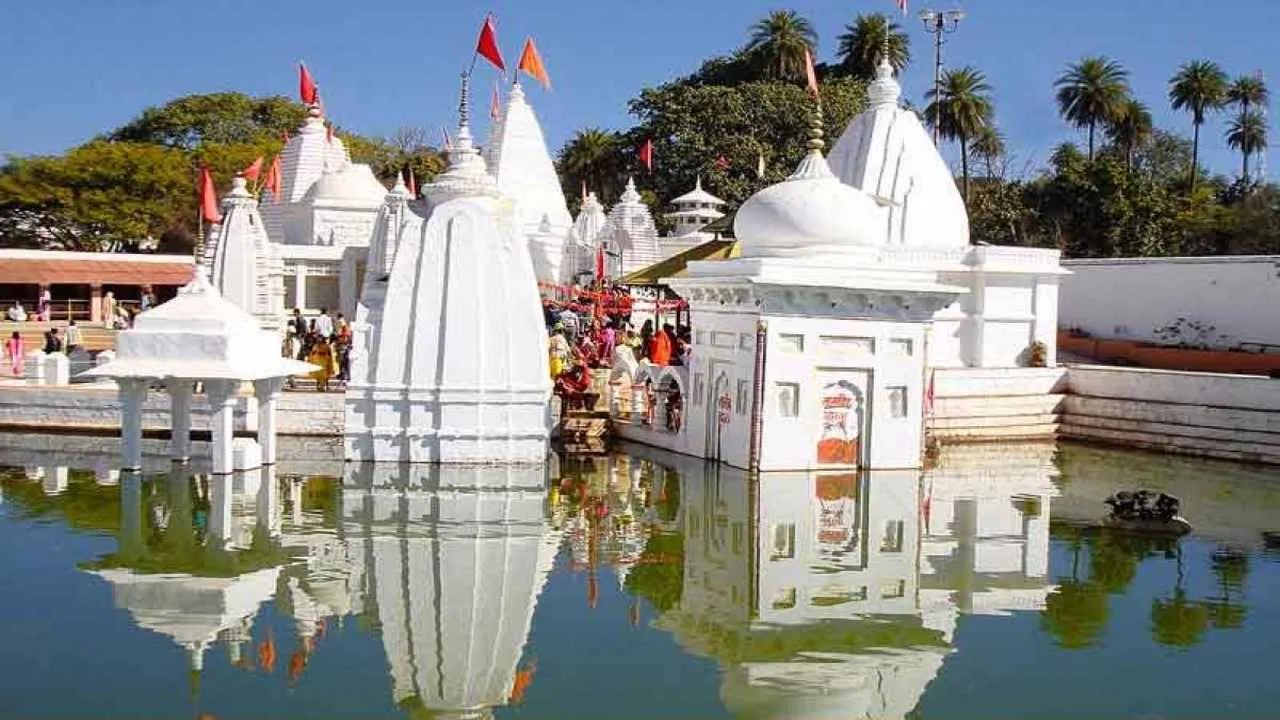
The Kalmadhav Shakti Peeth, nestled in the serene highlands of Amarkantak, Madhya Pradesh, is far more than just a temple; it is a sacred nexus where Hindu mythology, profound spirituality, and magnificent natural geography converge. As one of the revered 51 Shakti Peethas, this site holds immense significance for devotees of the Divine Mother, representing a critical anchor point in the cosmic sorrow and eventual restoration following the sacrifice of Goddess Sati.
The Unfolding of Myth: Legend of the Shakti Peetha
The entire spiritual map of the 51 Shakti Peethas is rooted in a central, poignant narrative from Hindu mythology the tragic tale of Goddess Sati and the rage of Lord Shiva.
The Great Sacrifice
Sati, the daughter of the powerful King Daksha Prajapati, married Lord Shiva against her father’s wishes. In an act of deliberate insult to Shiva, Daksha organized a grand Yagna (sacrificial ritual) and invited every deity except his son-in-law and daughter. Unable to bear the humiliation of her divine husband, Sati bravely confronted her father. When the insult persisted, she immolated herself in the sacrificial fire, vowing to return to Shiva in another form.
Shiva’s Cosmic Grief and Vishnu’s Intervention
Devastated by grief and cosmic rage, Lord Shiva recovered Sati’s lifeless, charred body and performed the Tandava, the fierce dance of destruction, roaming the cosmos. This devastating grief threatened the stability of the universe. To save creation, Lord Vishnu intervened, using his formidable Sudarshan Chakra to slice Sati’s body into 51 pieces.
The Sacred Landing: The Left Buttock
The spots where these pieces, ornaments, or attire fell became divinely consecrated as the Shakti Peethas. At the location of the Kalmadhav temple in Amarkantak, it is firmly believed that the Left Buttock (Vama Jaghana) of the Goddess Sati landed.
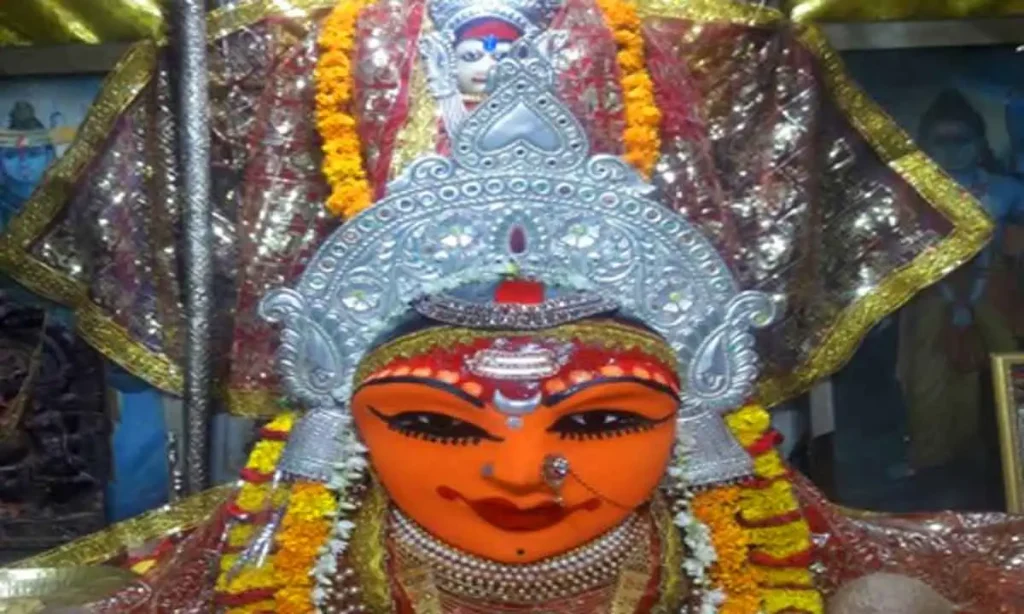
- Deity of the Peeth (Shakti): The Divine Mother is worshipped here as Maa Kali or Kalmadhav Devi. Her name, Kali, denotes the power of time and transformation, signifying her intense, fierce, and protective aspect that brings an end to ignorance and ego.
- Guardian (Bhairava): Lord Shiva, the eternal consort and protector of the Shakti Peeth, is revered here as Asitang or Asitanda Bhairava.
Amarkantak: The ‘Teerthraj’ and Geographical Sanctity
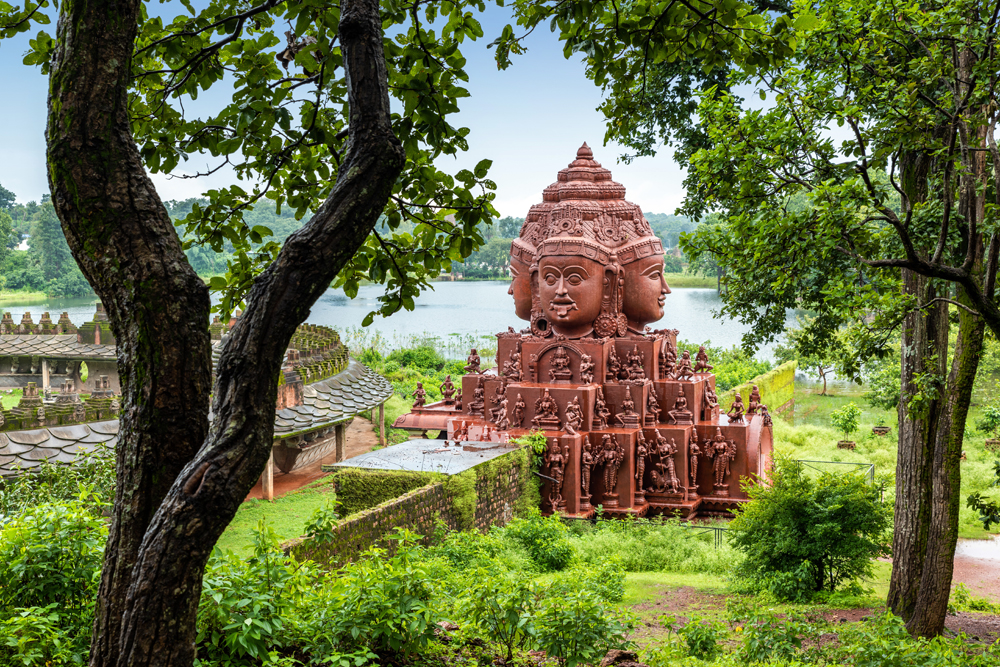
The location of the Kalmadhav Shakti Peeth deepens its spiritual resonance. Amarkantak, known as the “King of Pilgrimages” (Teerthraj), is a unique geographical and spiritual pivot point in Central India.
The Trinity of Rivers
Amarkantak is the genesis point for a trinity of sacred rivers:
- River Narmada: Considered one of India’s seven most sacred rivers (Saptamaha Nadis). A mere glance (darshan) of the Narmada is believed to grant liberation (moksha), a virtue other rivers gain only by a purifying bath. The Narmada is often revered as the daughter of Lord Shiva.
- River Son (Sone): An important tributary of the Ganga, flowing northwards.
- River Johila: A tributary of the Son.
The very air of Amarkantak, where the Vindhya and Satpura mountain ranges meet the Maikal Hills, is permeated with centuries of penance by countless sages, amplifying the spiritual vibrations of the Kalmadhav temple.
The Dual Peetha Phenomenon
A particularly striking and rare aspect of Amarkantak is the tradition that identifies it as the location of not one, but two Shakti Peethas in close proximity a phenomenon believed to be unique among the 51 sites:
- Kalmadhav Shakti Peeth (Left Buttock): The primary temple discussed here, dedicated to Maa Kali.
- Narmada Udgam Shakti Peeth (Right Buttock): Located at the source of the Narmada River itself, where the Goddess is venerated as Narmada Devi and Bhairava as Bhadrasen.
This dual presence symbolizes a complete, powerful manifestation of the Divine Mother’s full essence, grounding the energy of Sati’s sacrifice at the heart of the Maikal range.
Temple Architecture and Pilgrimage
The Sacred Structure
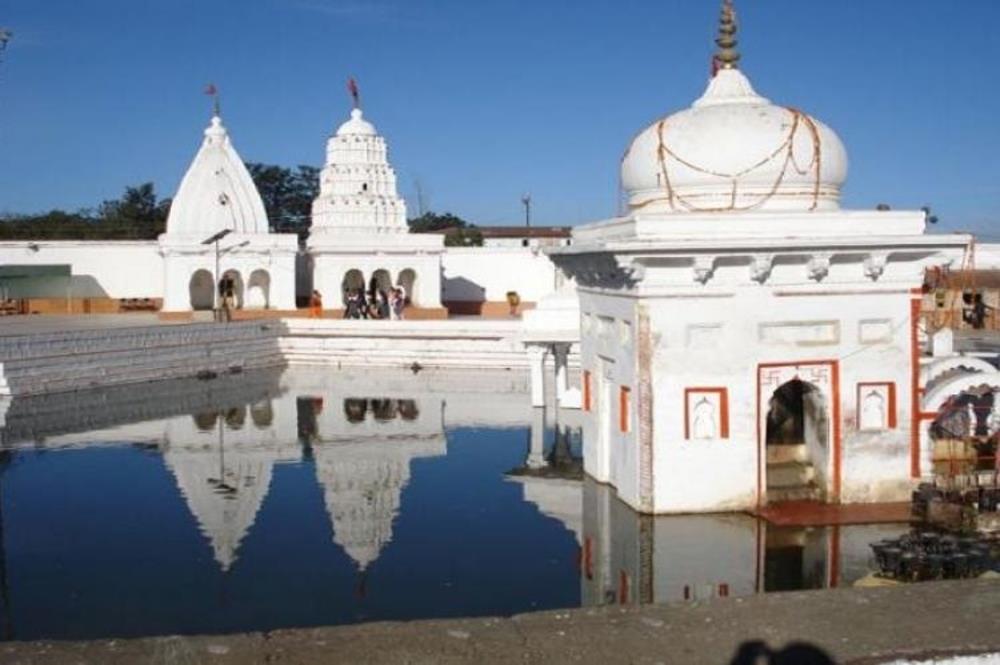
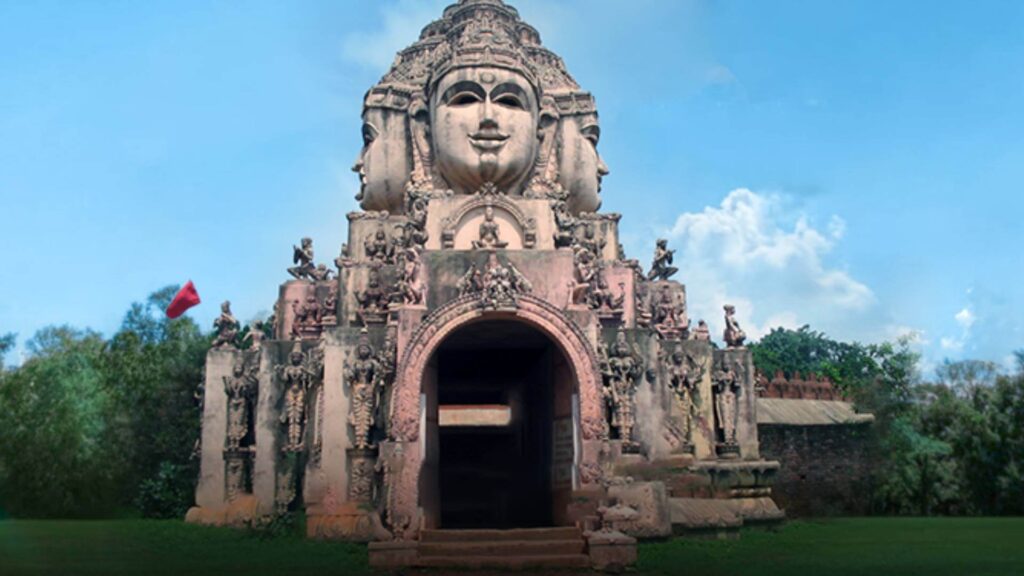
The Kalmadhav Temple complex is renowned for its tranquil atmosphere and simple yet elegant architecture. Constructed predominantly with white stone, the temple’s aesthetics blend harmoniously with the surrounding lush, verdant forests of the Maikal hills.
Inside the sanctum, the idol of Maa Kali is the focal point, radiating a potent, ancient energy. However, the presence of an idol or shrine dedicated to Maa Narmada within the same complex underscores the inseparable link between the Goddess of Power (Shakti) and the Goddess of the River (Narmada) in this holy land. The temples are often dated back to the 10th-11th century, a period of construction flourished under the Kalachuri dynasty.
The Path of the Devotee
A visit to Kalmadhav Shakti Peeth is an act of deep devotion (bhakti) and a quest for spiritual clarity. Pilgrims undertake the journey to Amarkantak, often arriving via the nearby towns of Pendra Road or Anuppur, to:
- Seek Liberation (Moksha): It is a common belief that passing away in Amarkantak ensures a swift path to salvation.
- Cleanse Sins: A ritual bath in the Narmada Kund, followed by darshan (sacred sight) of the Goddess Kali, is believed to purify the soul.
- Obtain Blessings: Devotees pray to Maa Kali for strength, protection from obstacles, and fulfillment of their righteous desires, be it health, wealth, or spiritual knowledge.
Festivals like Navaratri (celebrating the nine forms of the Goddess) and Shivaratri (honoring Lord Shiva/Bhairava) are celebrated with immense fervor and traditional rituals, drawing thousands of devotees who wish to connect with the fierce, transformative energy of Maa Kali at this ancient, powerful site.
The Kalmadhav Shakti Peeth stands as an eternal monument to the triumph of divine love over cosmic sorrow, a place where the powerful energy of the Divine Feminine continues to bless the cradle of India’s sacred rivers.
Frequently Asked Questions (FAQ’s)
Where is Kalmadhav Shakti Peeth located?
Kalmadhav Shakti Peeth is situated near Amarakantak in Madhya Pradesh, a region of great spiritual and mythological significance.
Why is Kalmadhav Shakti Peeth famous?
According to Hindu mythology, the right buttock of Goddess Sati fell here, making it one of the revered 51 Shakti Peethas dedicated to Goddess Kali (also known as Kalmadhav).
Which deity is worshipped here?
The presiding goddess is Kalmadhav (Kali) and the accompanying Bhairav is known as Asitang.
What are the temple timings?
The temple generally opens from 5:00 AM to 7:00 PM, with morning and evening aarti performed daily.
How can I reach Kalmadhav Shakti Peeth?
The nearest major town is Amarakantak, which is well-connected by road. The closest railway station is Pendra Road (17 km away), and the nearest airport is Jabalpur (230 km).
When is the best time to visit Kalmadhav Shakti Peeth?
The best time to visit is between October and March, especially during Navratri when special rituals and celebrations take place.

One thought on “Kalmadhav Shakti Peeth – Location, History & Temple Timings”