
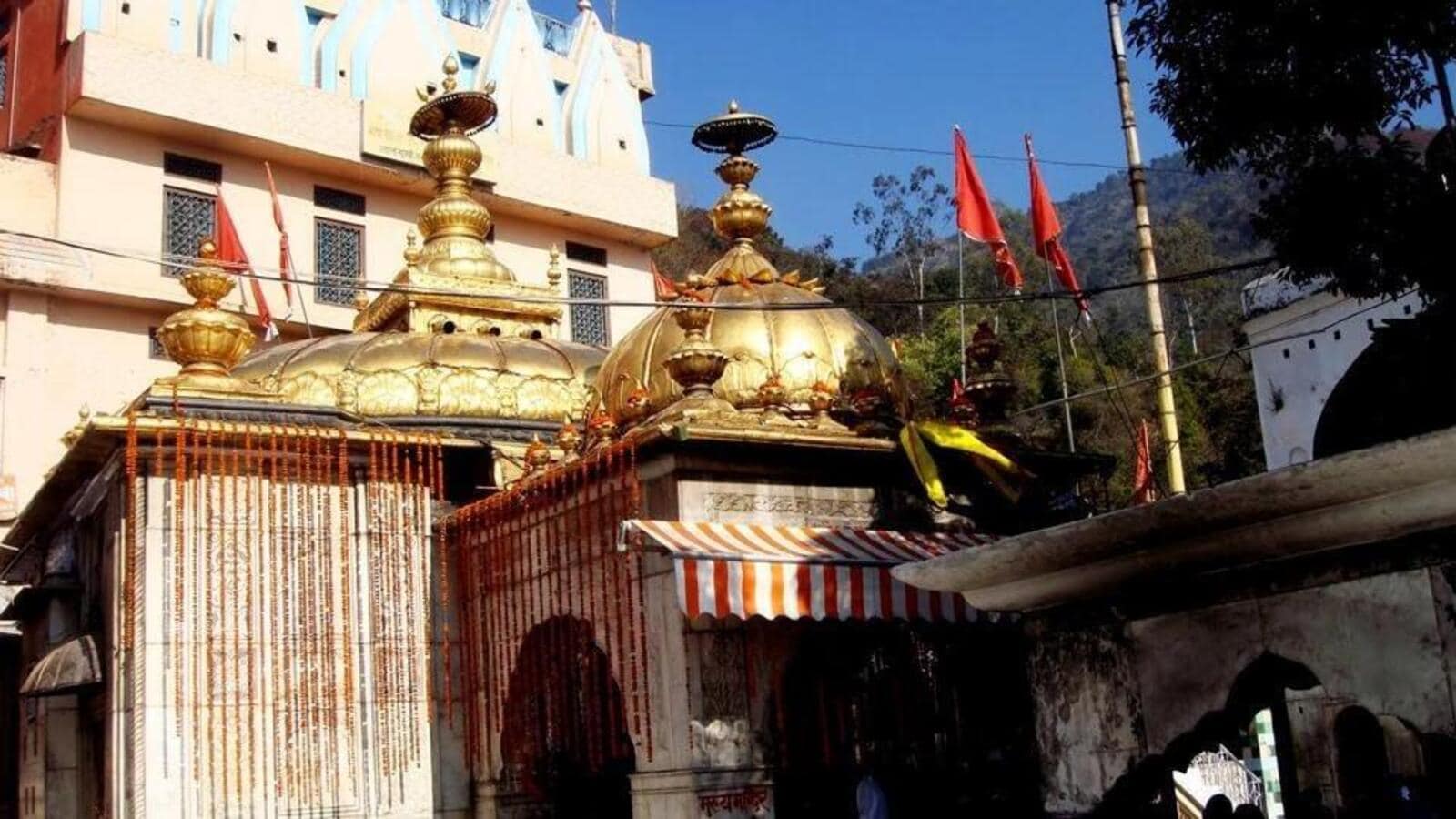
Nestled in the picturesque Himachal Pradesh, the Jwala Ji Temple is one of the 51 Shakti Peethas of India, revered for its association with Maa Shakti. According to ancient legends, when Sati Devi’s body was being carried by Lord Shiva after her self-immolation, different parts of her body fell across India, forming sacred Shakti Peethas. In the case of Jwala Ji, it is believed that the tongue of Maa Shakti fell here, making the site a powerful center of spiritual energy.
The temple is renowned not only for its divine significance but also for the ever-burning flames, which are considered a manifestation of the goddess herself. Pilgrims flock here to experience the divine energy, perform rituals, and seek blessings for protection, courage, and spiritual strength.
Mythological Background
The story of Jwala Ji is deeply rooted in Hindu mythology:
- Sati Devi immolated herself after being insulted by her father, Daksha, during a sacrificial ritual.
- Lord Shiva, in deep grief, carried her body across the universe.
- Lord Vishnu used his Sudarshan Chakra to cut her body into pieces, which fell at different locations, creating the 51 Shakti Peethas.
At Jwala Ji, the tongue of Maa Shakti is said to have fallen, symbolizing:
- Divine speech and expression – the tongue represents the goddess’s power to convey truth and destroy falsehood.
- Fierce energy – the flames of the temple symbolize the goddess’s eternal, transformative energy.
- Purification – devotees believe worshipping at this site purifies the soul and brings spiritual clarity.
The temple thus combines mythological reverence with tangible spiritual experience, as the eternal flames continuously burn, never extinguished, believed to be a direct manifestation of the goddess’s tongue.
Historical Significance
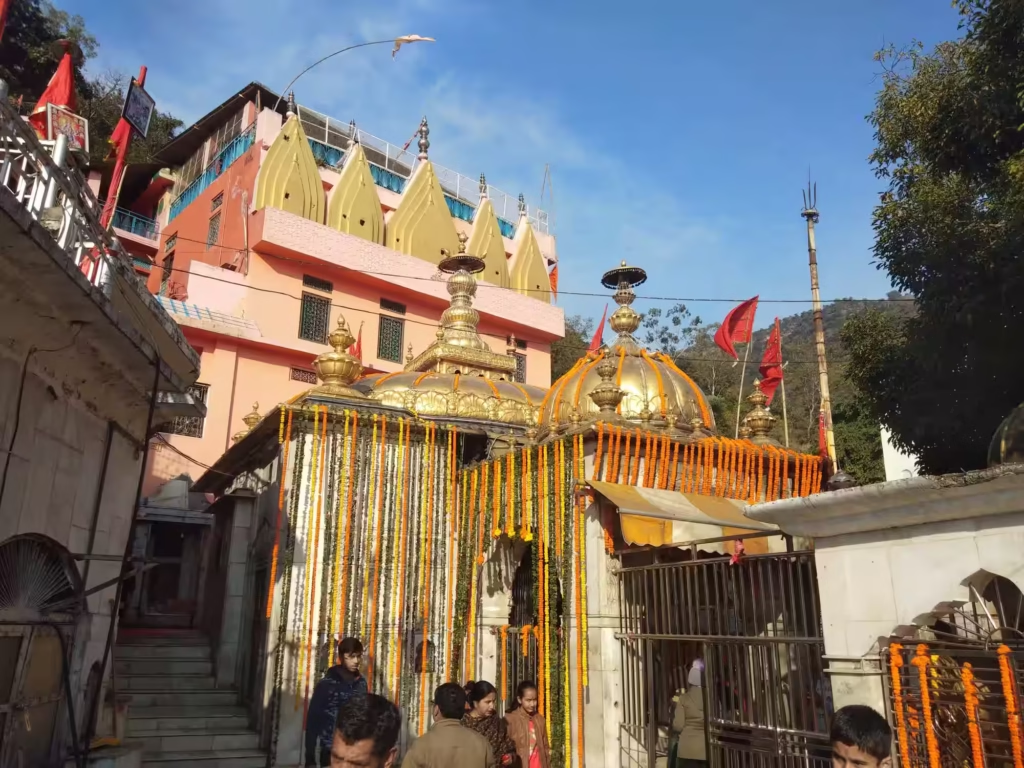
Jwala Ji Temple has a history spanning centuries, mentioned in ancient texts and local chronicles. The temple’s fame grew as a center for Shakti worship in North India. Pilgrims from across India visit to witness the miraculous flames of the goddess, considered highly sacred.
Historically, the site has also been associated with Tantric and Shakta practices, where sages and devotees sought spiritual empowerment through rituals. Over time, the temple became a hub for community worship and festivals, blending devotion with cultural significance.
The temple has maintained its importance as a Shakti Peetha, attracting not only devotees seeking blessings but also historians, researchers, and spiritual seekers interested in its mythology and energy.

The Divine Flames
The most striking feature of Jwala Ji Temple is the eternal flames that emerge naturally from fissures in the rock within the sanctum. These flames:
- Represent the tongue of Maa Shakti.
- Are considered self-manifested (Swayambhu), meaning they are not lit by human hands but burn continuously.
- Are central to worship rituals, where devotees offer incense, ghee, and prayers to the goddess.
Devotees often experience a deep sense of spiritual energy near the flames, feeling empowered and spiritually uplifted. The flames are symbolic of the goddess’s fierce energy, purifying negativity and protecting devotees from harm.

Temple Architecture
Jwala Ji Temple reflects traditional Himalayan temple architecture, designed to withstand harsh mountain climates while focusing on spiritual immersion.
- Sanctum Sanctorum: Houses the natural flames, representing the tongue of Maa Shakti. Devotees perform prayers and offerings here.
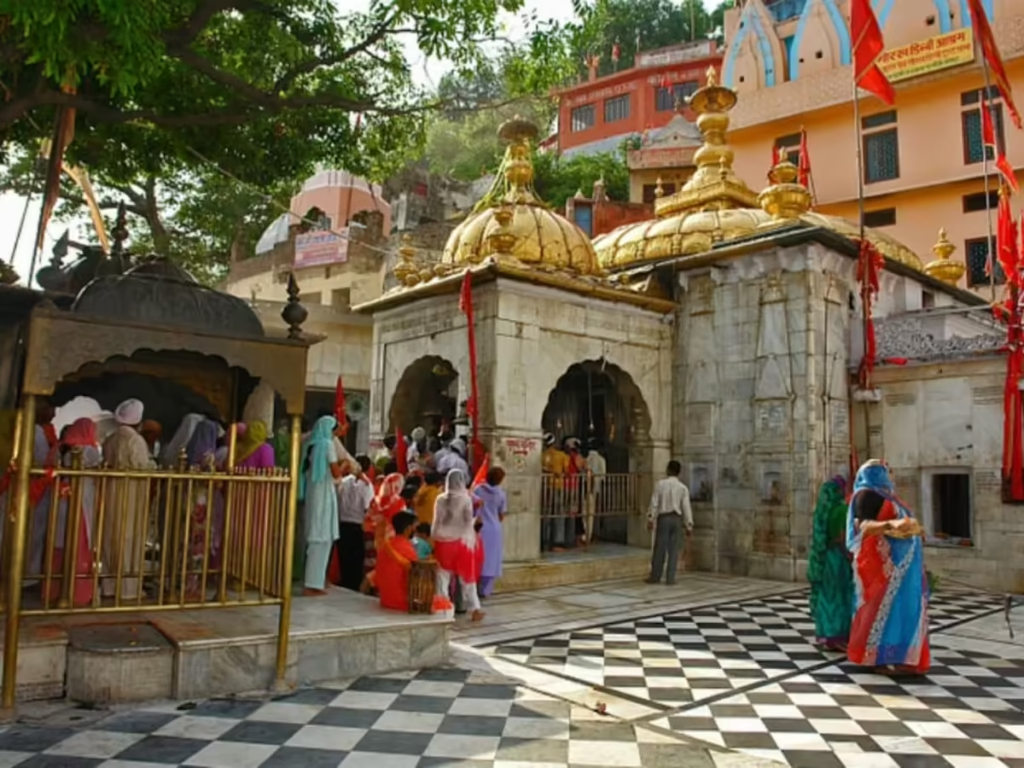
- Courtyard: Provides space for pilgrims to circumambulate and meditate, enhancing the devotional experience.
- Outer Structures: Include halls for rituals, spaces for congregational prayers, and facilities for pilgrims.
The architecture emphasizes functionality and sanctity over extravagance, ensuring that the focus remains on the divine flames and spiritual energy.
Rituals and Festivals
Jwala Ji Temple observes several important rituals and festivals that emphasize the goddess’s powerful energy:
Daily Worship
Priests perform regular aarti and offerings, including:
- Ghee lamps to the eternal flames
- Incense and flower offerings
- Mantra chanting, focusing on the goddess’s transformative power
Navratri and Special Festivals
- Chaitra and Sharad Navratri: Pilgrims gather in large numbers to celebrate with prayers, rituals, and community feasts.
- Special Fire Rituals: During festivals, additional fire offerings are made to honor the goddess’s energy and the significance of her tongue.
Pilgrim Practices
Devotees often observe fasts, meditate, and offer personal prayers at the eternal flames, believing it brings protection, health, prosperity, and spiritual clarity.
Pilgrimage Experience
Visiting Jwala Ji Temple is considered highly auspicious. Pilgrims experience:
- Spiritual Purification: The energy of the goddess’s tongue and the eternal flames is believed to cleanse the soul.
- Empowerment: Devotees report feeling courage, strength, and clarity after worship.
- Cultural Immersion: The temple offers insight into Himachal Pradesh’s traditions, rituals, and Shakta practices.
Many pilgrims also visit nearby towns and shrines as part of a larger spiritual journey in Himachal Pradesh, making the experience holistic.
Nearby Attractions and Pilgrimage Circuits
Visiting Jwala Ji Temple can be part of a broader spiritual and cultural journey in Himachal Pradesh:
- Mandi Town: Known for its temples and traditional Himachali architecture, just a short drive from Jwala Ji.
- Rewalsar Lake: A sacred lake with connections to Hinduism, Buddhism, and Sikhism.
- Himachal Hills: Trekking and scenic exploration opportunities enhance the spiritual experience, providing calm and reflection amidst nature.
Pilgrims often combine visits to these locations with Jwala Ji to experience both natural beauty and spiritual energy.
FAQs for Jwala Ji Temple
1. Why is Jwala Ji Temple famous?
Jwala Ji Temple is a revered Shakti Peetha in Himachal Pradesh, famous for its eternal flames believed to represent the goddess’s divine energy.
2. Where is Jwala Ji Temple located?
It is located in Jwalamukhi town, Kangra district, Himachal Pradesh.
3. What is worshipped at Jwala Ji Temple?
The temple worships Goddess Jwalamukhi, where the deity is represented by eternal natural flames emerging from rock fissures.
4. What are the temple timings?
The temple is open daily from 6:00 AM to 9:00 PM, with special rituals during festivals.
5. Is photography allowed inside Jwala Ji Temple?
Photography is restricted inside the sanctum, but allowed in surrounding areas.
6. What is the significance of Jwala Ji as a Shakti Peetha?
It is believed that the tongue of Goddess Sati fell here, symbolizing her fiery energy.
7. How can I reach Jwala Ji Temple?
The temple is accessible by road from Dharamshala or Kangra, and nearest railway station is Jwalamukhi Road.
8. Are there any special rituals at Jwala Ji Temple?
Yes, daily aarti, bhog offerings, and Navratri celebrations are important rituals here.
9. Is there accommodation near Jwala Ji Temple?
Yes, Jwalamukhi town offers guesthouses, lodges, and hotels for pilgrims.
10. What is the best time to visit Jwala Ji Temple?
March to June and September to November are ideal, avoiding heavy monsoon rains.

One thought on “Jwala Ji Temple Himachal – History, Timings & Significance”