
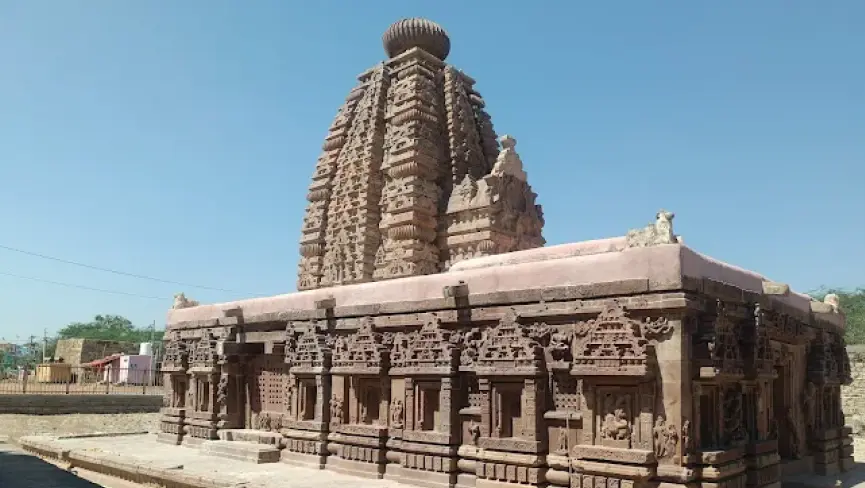
The Jogulamba Shakti Peeth in Alampur, Telangana, is far more than just a single temple; it is a profound spiritual complex that represents a unique and powerful confluence of Shaktism (worship of the Goddess), Shaivism (worship of Shiva), and the rich architectural history of the Deccan plateau with 51 Shakti Peeth. Revered as one of the Ashtadasa Maha Shakti Peethas (18 Great Shakti Peethas), Alampur, often called the “Dakshina Kashi” (Kashi of the South) and the Western Gateway of Srisailam, offers a pilgrimage experience unmatched in its historical depth and intense spiritual energy.
The Cosmic Origin: Sati’s Upper Jaw
The primary sanctity of the Jogulamba Temple is rooted in the legend of Goddess Sati’s self-immolation and the subsequent scattering of her body parts by Lord Vishnu’s Sudarshana Chakra.
The Sacred Relic: The Upper Teeth
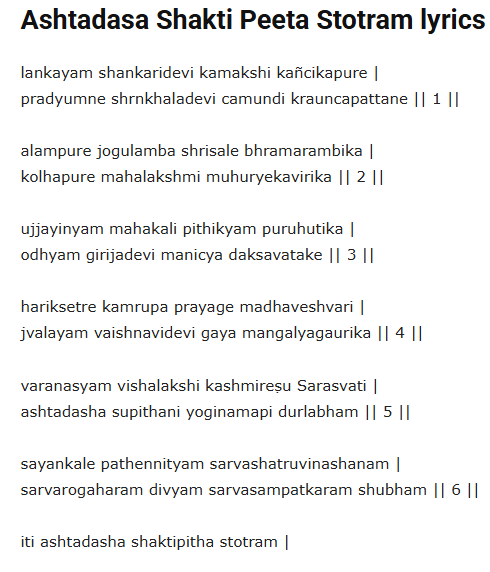
According to the local tradition and revered texts like the Ashtadasa Shakti Peetha Stotram by Adi Shankaracharya, it is believed that the ‘Oordhva Danta Pankti’ (Upper Jaw with the Teeth) of Goddess Sati fell at this spot near the confluence of the Tungabhadra and Krishna rivers. This celestial event consecrated the land, establishing the powerful Shakti Peeth.
The Fierce Manifestation: Jogulamba
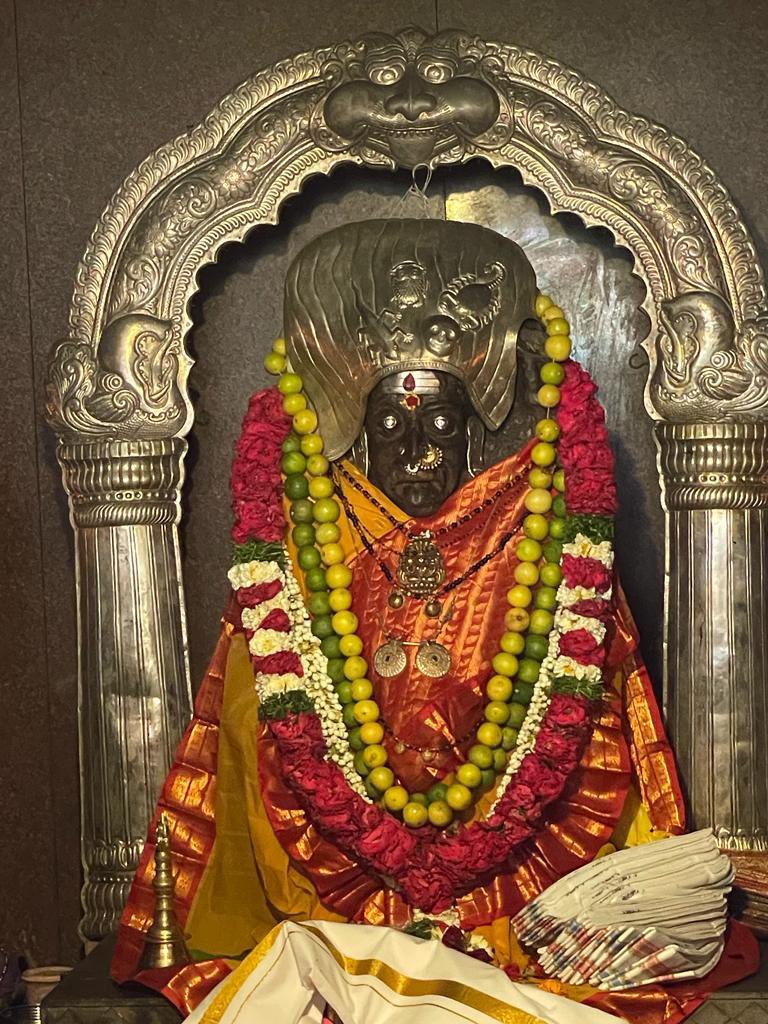
The Goddess is worshipped here as Jogulamba or Yogulamba/Yogamba, a name derived from the Telugu phrase Yogula Amma, meaning “Mother of Yogis.”
- Shakti (The Goddess): Jogulamba is celebrated as the bestower of Siddhi (perfection/yogic powers). She is depicted in a fierce (Ugra Rupa) yet seated posture, characterized by her distinct iconography: she sits on a corpse, and her head/hair is adorned with lizards, scorpions, a bat, and sometimes a human skull. These elements are traditionally interpreted as symbols of evil, sin, and the destructive cycle of life, over which the Goddess presides and grants liberation.
- Bhairava (The Consort): The corresponding male energy, Lord Shiva, is worshipped as Bala Brahmeswara (The Child Creator), housed in the adjacent and equally ancient Bala Brahma Temple.
The tradition holds that Jogulamba’s Ugra Rupa (fierce form) is highly energetic and challenging to worship. To temper this powerful heat, the temple was originally built with a water pool surrounding it, a tradition symbolically maintained in the current structure’s serene ambiance, enabling devotees to easily approach her for blessings.
A Saga of Destruction, Preservation, and Revival
The history of the Jogulamba Temple is a fascinating narrative of invasion, devotion, and resilience, spanning over a millennium.
The Chalukyan Genesis (7th Century CE)
The original temple was constructed by the Badami Chalukyas around the 7th century CE. This period marked a golden age of art and architecture in the Deccan, with Alampur becoming a vibrant center of both Shaivism and Shaktism. The temple’s presence was an essential component of the greater complex that would come to be known as the Navabrahma Temples.

The 14th Century Calamity
In 1390 CE, the original Jogulamba Temple, along with parts of the Navabrahma complex, was tragically destroyed by the Bahamani Sultans.
Before the destruction, devout locals and temple priests managed to salvage the main idol of Jogulamba and the idols of her two Shaktis (attendants), Chandi and Mundi. These sacred images were then safeguarded and secretly worshipped in a secluded chamber of the nearby Bala Brahma Temple within the same complex for over six centuries. This act of preservation by the devotees ensured that the spiritual essence of the Peetha remained intact despite the physical loss of the structure.
The Modern Resurrection (2005)
After more than 600 years, an ambitious reconstruction project culminated in 2005 with the completion of a new temple structure at the original site. The meticulously preserved original idol of Jogulamba was re-installed in the newly consecrated Garbha Griha (sanctum sanctorum). This event restored the physical and ritual centrality of Jogulamba to the Alampur complex, marking a triumph of faith and tradition.
Architectural and Historical Grandeur: The Navabrahma Complex
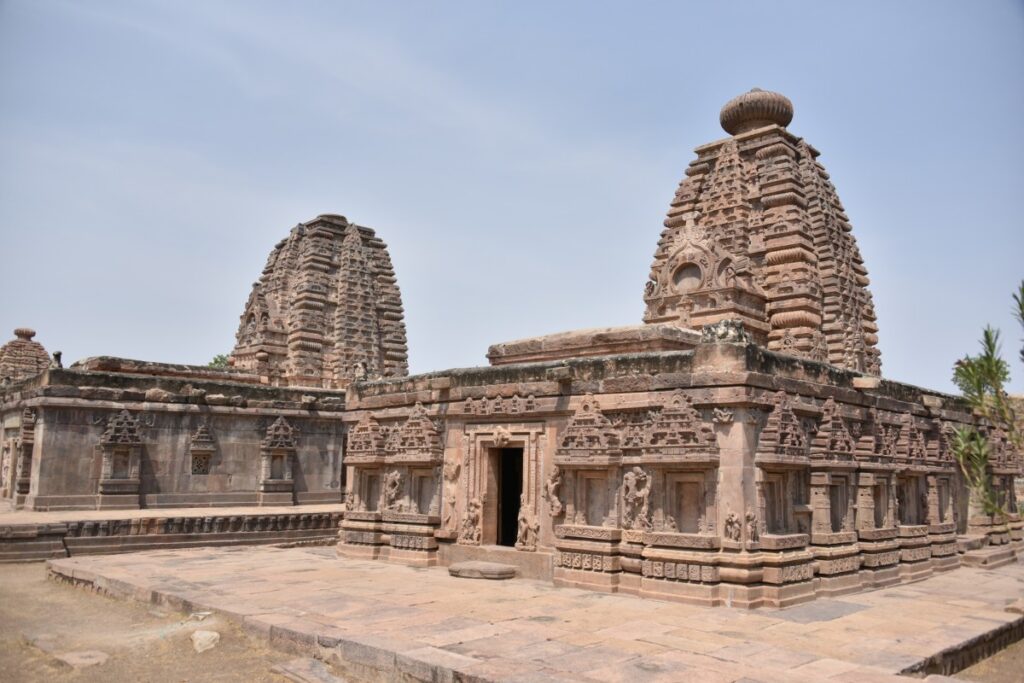
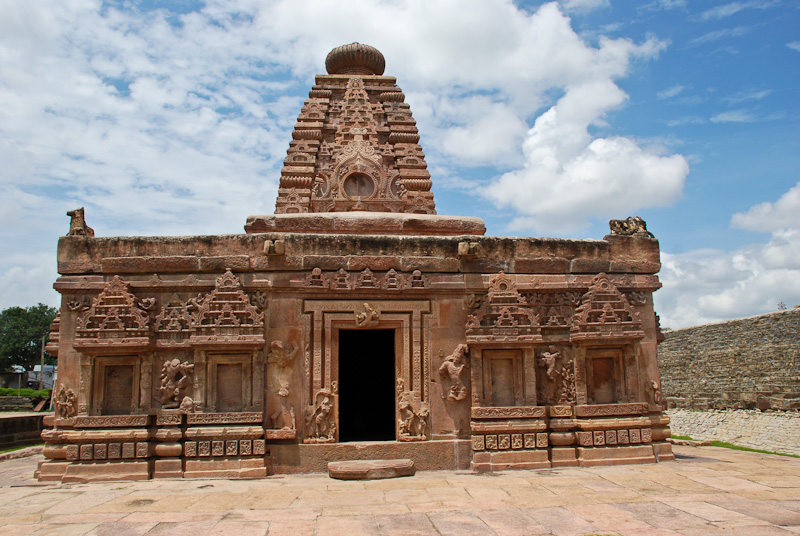
The Jogulamba Temple is unique because it is housed within the same compound as the Navabrahma Temples a cluster of nine ancient Shiva temples and is part of the larger Alampur Temple Town.
The Navabrahma Temples: Nagara in the South
The nine Shiva temples (Bala Brahma, Swarga Brahma, Padma Brahma, etc.) were constructed by the Badami Chalukyas between the 7th and 9th centuries CE. These temples are architecturally significant for a crucial reason: they primarily exhibit the Northern Indian Nagara style of architecture, contrasting sharply with the dominant Dravidian style of South India.
- Distinctive Features: They feature the distinctive curvilinear Shikharas (spires) characteristic of the Nagara style, built using meticulously cut rock.
- Spiritual Unification: The proximity of the fierce Mother Goddess (Jogulamba) and the serene Lord Shiva (Bala Brahmeswara and the other eight forms) symbolizes the unified existence of Shakti and Shiva the creative and destructive forces in the cosmos.
- Dakshina Kashi: Due to this unparalleled cluster of nine Shiva temples, Alampur earned the title “Dakshina Kashi,” emphasizing its spiritual equivalence to Varanasi (Kashi) in the North.
The Rasa Siddha Legend
A fascinating local legend links the Navabrahma temples to the Rasa Siddhas (master alchemists and yogis) of the 6th and 7th centuries. It is believed that a great saint named Rasa Siddha, who was close to the Chalukya king Pulakesi II, inspired the construction of the Navabrahma temples. Tantric texts like the Siddha Rasarnavam claim that if specific esoteric rituals (upasana) are performed, mercury could ooze from the Lingas of Shiva and the mouth of Jogulamba, which could then be converted into gold using medicinal herbs a profound reference to the spiritual and alchemical power latent in the complex.
A Pilgrim’s Comprehensive Guide to Jogulamba Peeth
A visit to Alampur is a dual pilgrimage, dedicated to both the Mother Goddess and Lord Shiva.
Locational Context and Significance
- Location: Alampur, Jogulamba Gadwal district, Telangana, India.
- Gateway to Srisailam: Alampur is traditionally considered the Western Gateway of Srisailam, one of the 12 Jyotirlingas, making the visit to both sites a complete and highly auspicious pilgrimage for devotees of Shiva and Shakti.
Best Time to Visit
The most comfortable period to visit is during the winter months, from October to March, when the heat is minimal. The peak summer months (April–June) are intensely hot and should ideally be avoided.
Major Festivals
- Navaratri/Dasara: The most important festival, dedicated to Goddess Jogulamba. The ten-day celebration is marked by special alankarams (decorations), pujas, and the recitation of the Devi Mahatmyam, drawing massive crowds.
- Maha Shivaratri: Celebrated with great pomp at the Bala Brahma Temple, highlighting the importance of Shiva in the complex. Devotees often perform Rudrabhishekam and stay awake all night.
- Annual Brahmotsavam: The main festival for the temple deities.
Temple Timings (General)
| Temple | Timing | Break Time |
| Sri Jogulamba Devi Temple | 7:00 AM – 8:30 PM | 1:00 PM – 2:00 PM |
| Sri Bala Brahmeswara Swamy Temple | 6:00 AM – 8:30 PM | 1:00 PM – 2:00 PM |
- Rituals: Daily Abhishekam (holy bath) and Archana (worship) are performed. Special sevas like Jambeera Phalarchana (offering of lime fruit) and Chandi Homam are popular and can be booked by devotees.
- Dress Code: Modest, traditional attire is strongly advised, covering shoulders and knees, especially for participating in pujas like Rudrabhishekam.
Access and Travel Logistics
| Mode of Travel | Nearest Major Point | Distance & Connectivity |
| By Air | Rajiv Gandhi International Airport, Hyderabad (HYD) | Approx. 220 km away. Taxis and bus services are available from Hyderabad. |
| By Rail | Alampur Road Station (ALPR) or Kurnool City (KRNT) | Alampur Road is closest (approx. 9 km). Kurnool City (approx. 27 km) is a major junction with better connectivity to other cities. |
| By Road | Kurnool / Hyderabad | Alampur is well-connected by NH 44. State-run buses (TSRTC/APSRTC) and private taxis run regularly from Kurnool and Hyderabad. |
Pilgrimage Tip: The Full Experience
A complete pilgrimage to the Alampur complex involves:
- Seeking Darshan of Goddess Jogulamba for siddhi and protection.
- Worshipping Lord Bala Brahmeswara (Bhairava) for blessings from Shiva.
- Circumambulating the Navabrahma Temples to pay homage to the nine forms of Shiva, completing the Dakshina Kashi experience.
- Visiting the Papanasi Temples located nearby, another cluster of Chalukyan shrines.
The Jogulamba Shakti Peeth in Alampur is a monumental testament to India’s spiritual depth a place where the Mother of Yogis presides over a thousand years of architectural marvels, offering pilgrims a unique opportunity to connect with the primal forces of creation and destruction, all within the sacred embrace of the Tungabhadra river.
Frequently Asked Questions (FAQ’s)
What is Jogulamba Shakti Peeth?
Jogulamba Temple in Alampur, Telangana, is among the 18 Maha Shakti Peethas where Goddess Sati’s upper teeth are believed to have fallen.
Where is Jogulamba Temple located?
It is situated in Alampur, on the banks of the Tungabhadra River in Telangana, near Kurnool district.
Which body part of Sati is believed to have fallen here?
According to mythology, the upper teeth of Goddess Sati fell at this site, making it a powerful Shakti Peeth.
What is the significance of this temple?
Jogulamba represents the Yogini form of the Goddess, symbolizing power, wisdom, and fierce energy. It is also one of the Astadasa Shakti Peethas.
What are the temple timings?
The temple generally opens from 6:00 AM to 1:00 PM and 2:00 PM to 8:30 PM. Special aartis are held during Navratri and Maha Shivaratri.
How can visitors reach Jogulamba Temple?
The nearest railway station is Kurnool, around 27 km away. Hyderabad is about 210 km from Alampur, connected by good roads.
What festivals are celebrated here?
Navratri, Maha Shivaratri, and Karthika Masam are celebrated with great devotion and grandeur.
Are there other temples nearby?
Yes, Alampur is also known for the Navabrahma Temples, ancient shrines dedicated to Lord Shiva built in Chalukyan architecture.

One thought on “Jogulamba Shakti Peeth Alampur – Temple of Power & Peace”