
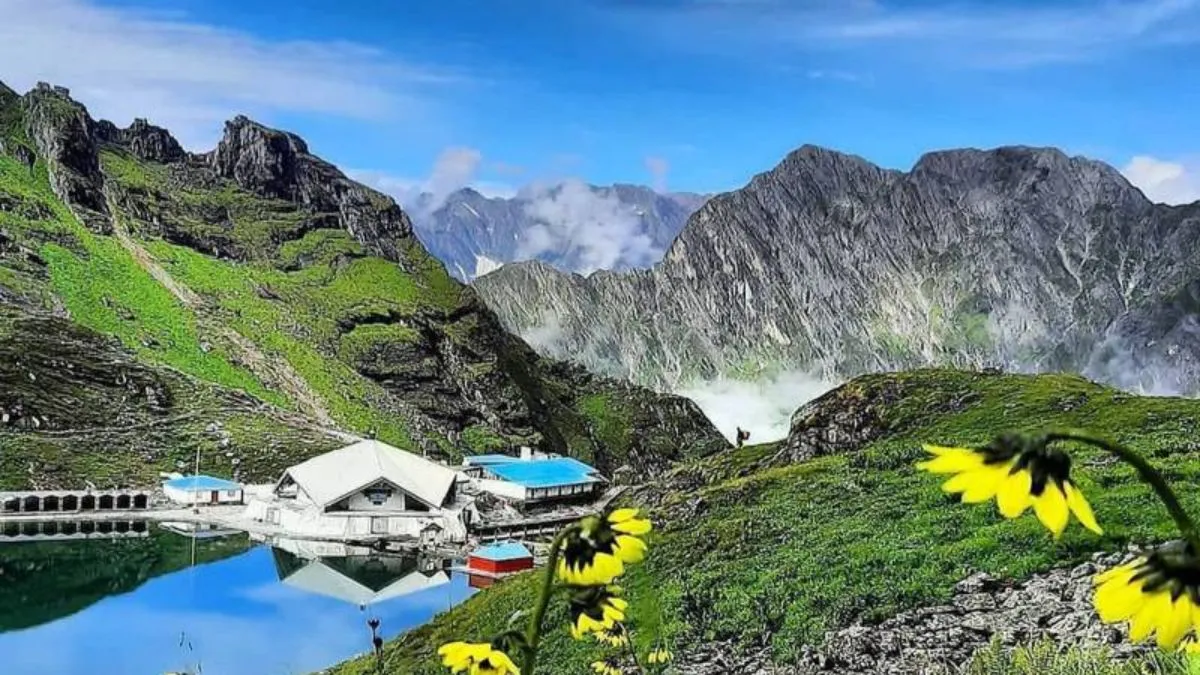
Tucked away at an altitude of over 4,300 meters (14,100 feet) in the Garhwal Himalayas, Hemkund Sahib Uttarakhand is one of the most breathtaking pilgrimage destinations in India. Surrounded by seven snow-clad peaks and set beside a glacial lake with crystal-clear waters, this Sikh shrine is not just a place of worship—it’s an experience of devotion, endurance, and awe.
What makes Hemkund Sahib so special is that it’s not accessible by roads. You have to trek, breathe in the mountain air, cross streams, and push your limits before you finally arrive at this pristine site. And when you do, the sight of the gurudwara reflected in the calm waters of the lake feels like nature itself is blessing you.
Mythology and Legends
Every sacred place in India has its legends, and Hemkund Sahib is no exception. While Sikhism links it with Guru Gobind Singh Ji’s meditation in his earlier life, Hindu mythology also has stories about this high-altitude lake.
Some believe that Hemkund is the very spot where Lakshman, the brother of Lord Rama, meditated after the war in Lanka. According to certain versions of the Ramayana, he came here to regain his strength after being severely wounded. To this day, there is a Lakshman Temple near the gurudwara that many pilgrims also visit during their journey.
This blend of Sikh and Hindu traditions makes Hemkund a symbol of India’s rich cultural fabric, where faiths overlap and share sacred spaces.
The Atmosphere at Hemkund Sahib
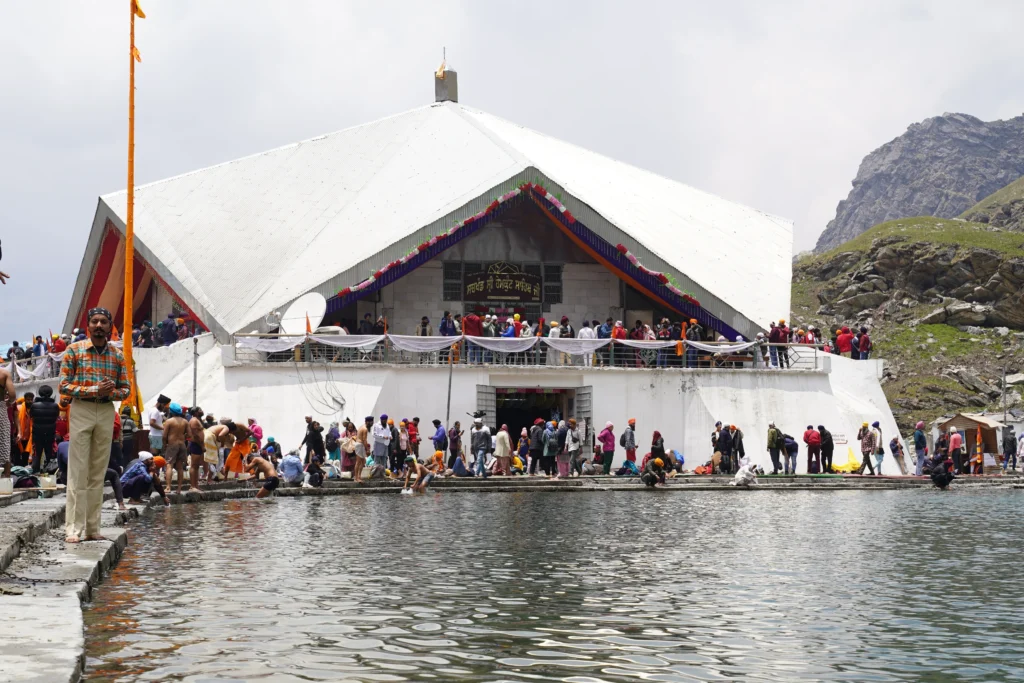
One of the most unforgettable aspects of Hemkund Sahib is its atmosphere. After a long and often exhausting trek, pilgrims enter the gurudwara, remove their shoes, and step into a space filled with hymns and prayers. The kirtan (devotional singing) echoes softly inside the walls, often accompanied by the natural soundtrack of winds blowing across the lake.
Even the langar feels different here. Imagine sitting at 14,000 feet, sharing a simple hot meal with people from across the world, all united by faith and humility. The atmosphere is one of equality, devotion, and peace.

Hemkund Sahib and Sikh Pilgrimage Culture
Sikhism emphasizes the value of seva (selfless service) and humility. At Hemkund Sahib, these values come alive in the most challenging conditions. Volunteers carry supplies up the steep trek, serve food at the langar, and even help elderly pilgrims complete the climb.
For many Sikhs, a visit to Hemkund Sahib is not just about personal devotion but also about serving others on the journey. This spirit of service makes the pilgrimage experience even more meaningful.
The Journey to Hemkund
The journey to Hemkund Sahib starts from Govindghat, a small town on the Badrinath highway. From there, pilgrims trek to Ghangaria, the base village that serves as the midpoint for both Hemkund Sahib and the Valley of Flowers.
- Govindghat to Ghangaria (13 km): This trek winds along the Pushpawati River with several small tea stalls and resting points. Ponies and helicopter services are also available for those who can’t trek the entire distance.
- Ghangaria to Hemkund Sahib (6 km uphill): This stretch is more challenging as the path becomes steeper and the air thinner. But every turn rewards you with breathtaking mountain views and wildflowers.
By the time you reach the top, the sight of the gurudwara beside the still waters of Hemkund Lake makes every effort worth it.

Hemkund Lake
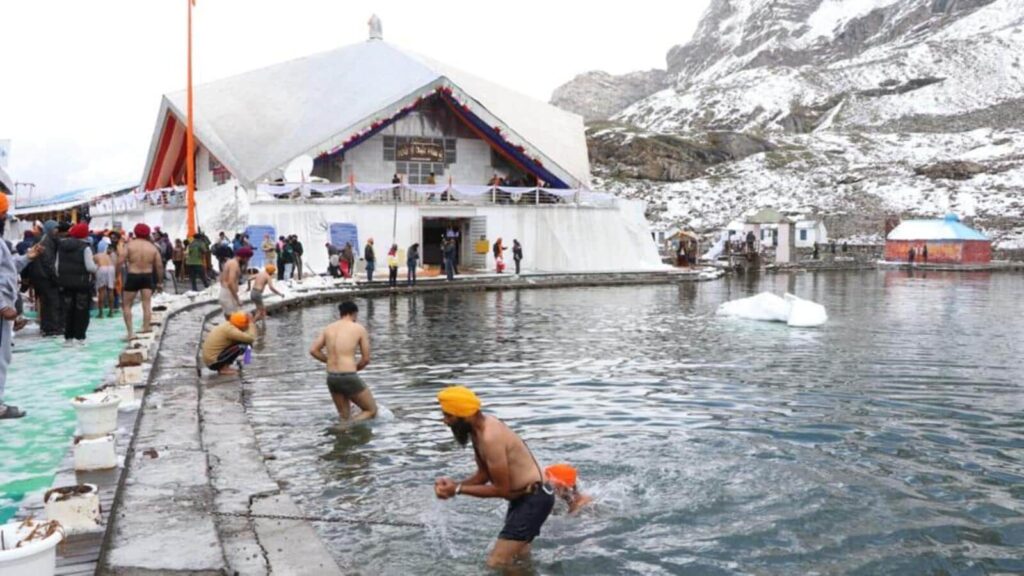
The heart of this pilgrimage is the Hemkund Lake, a serene, glacial water body surrounded by seven peaks. Pilgrims take a dip in the icy waters as an act of purification and devotion. Though the water is bone-chilling, the act is believed to cleanse one’s soul and bring blessings.
In summer, the area around the lake blooms with Brahma Kamal, the rare state flower of Uttarakhand, adding magic to the landscape.

Architecture of Hemkund Sahib
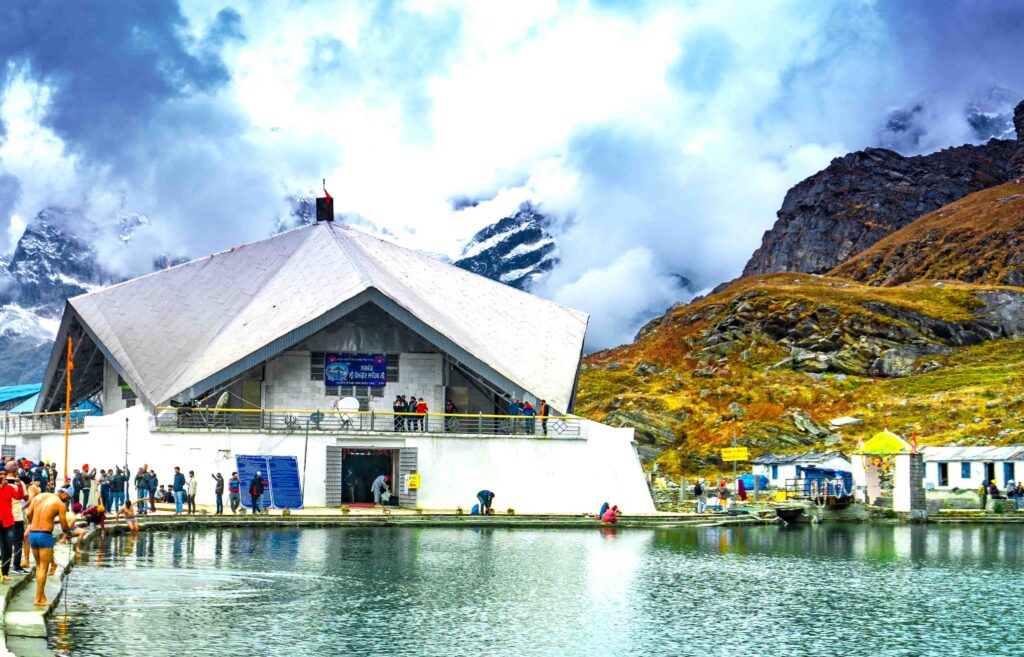
Unlike many ancient temples, Hemkund Sahib’s architecture is modern yet deeply symbolic. The gurudwara is built in the shape of a star-shaped octagon, designed to withstand the heavy snowfalls of the Himalayas. Its simple design reflects humility, while its shining white walls and dome beautifully complement the surrounding snow peaks.
Inside, the gurudwara maintains the Sikh tradition of simplicity. Devotees gather for prayers, kirtans (spiritual songs), and langar (community meals), which are served to everyone irrespective of caste, creed, or background.
Valley of Flowers Connection
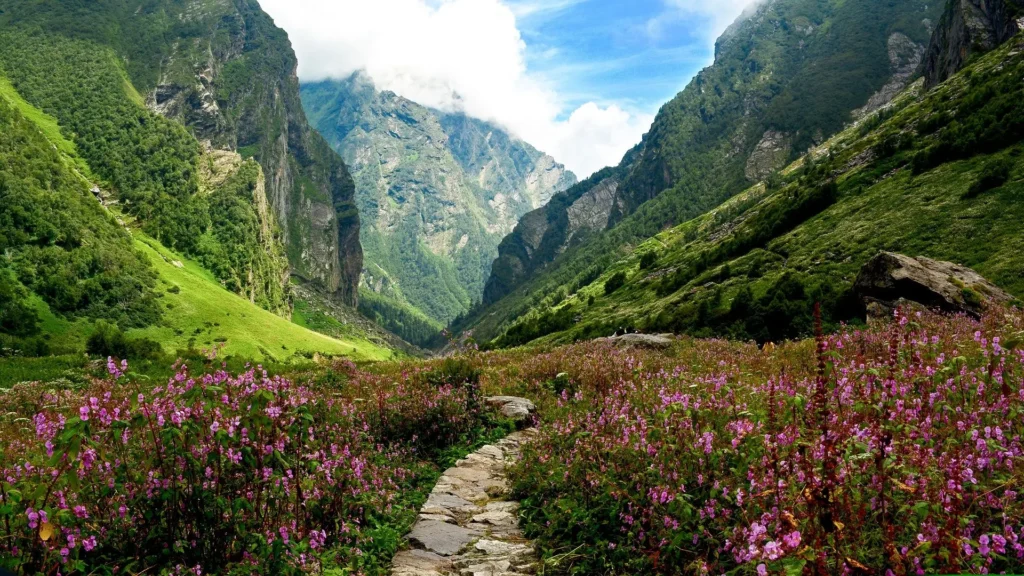
What makes Hemkund Sahib even more special is its proximity to the Valley of Flowers National Park, a UNESCO World Heritage Site. Many travelers combine both treks, as they share the same base village, Ghangaria.
While Hemkund Sahib touches the soul with its spiritual aura, the Valley of Flowers mesmerizes the senses with its vibrant meadows filled with rare alpine flowers. Together, they make the journey one of the most unforgettable experiences in Uttarakhand.
Best Time to Visit
Hemkund Sahib remains open only for a few months in the year because of extreme weather.
- Opening Season: Early June to early October
- Best Months: July, August, and September (when the weather is pleasant and flowers bloom)
- Winter Months: The shrine is completely snowbound and inaccessible from October to May
Why Visit Hemkund Sahib?
Here’s what makes Hemkund Sahib so unique:
- Spiritual Experience: A holy site tied to Guru Gobind Singh Ji.
- Natural Beauty: Snowy peaks, alpine meadows, and a pristine lake.
- Adventure: A moderately challenging trek that tests endurance.
- Peace & Calm: A place where silence and divinity blend seamlessly.
Quick Travel Tips
- Altitude: At 4,300 meters, altitude sickness can occur. Acclimatize at Ghangaria before heading to Hemkund.
- Fitness: A good level of fitness helps. Trek slowly and keep hydrated.
- Clothing: Carry warm clothes even in summer. Temperatures drop sharply at night.
- Essentials: Trekking shoes, rain gear, medicines, and energy snacks are must-haves.
- Langar: Don’t miss the simple yet heartwarming langar meal at the gurudwara.
Nearby Attractions
While Hemkund Sahib is the crown jewel, the journey is dotted with other gems worth exploring.
1. Valley of Flowers
Only 3–4 km from Ghangaria, the Valley of Flowers is a breathtaking meadow that comes alive with wildflowers in monsoon. Over 500 species of plants are found here, including rare Himalayan blooms.

2. Badrinath Temple
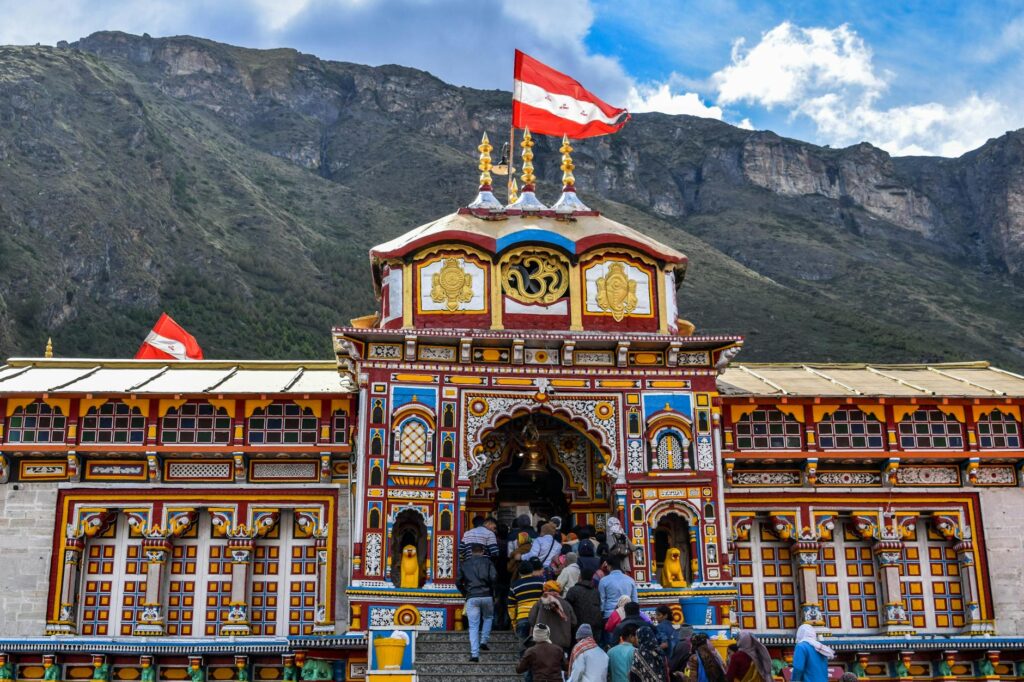
Located around 25 km from Govindghat, the Badrinath Temple is one of the Char Dham shrines and a must-visit for anyone in the region.
3. Mana Village
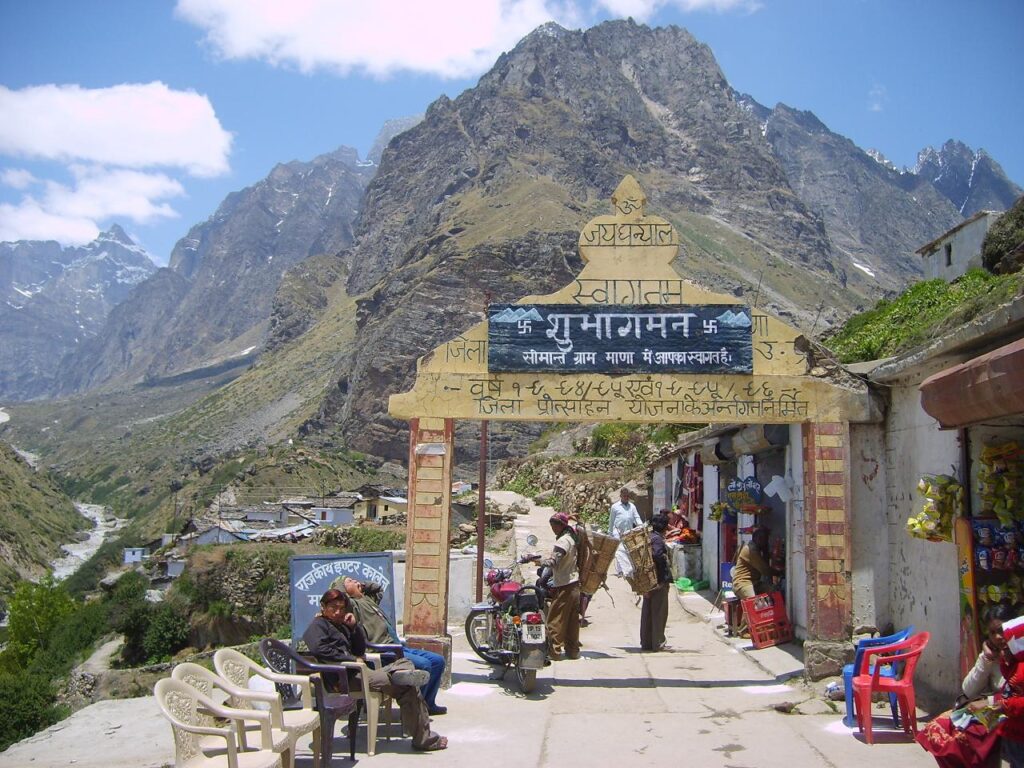
Just beyond Badrinath, Mana is the last Indian village before the Tibet border. Known for its mythological significance, it’s home to sites like Vyas Gufa and Bhim Pul.
4. Joshimath
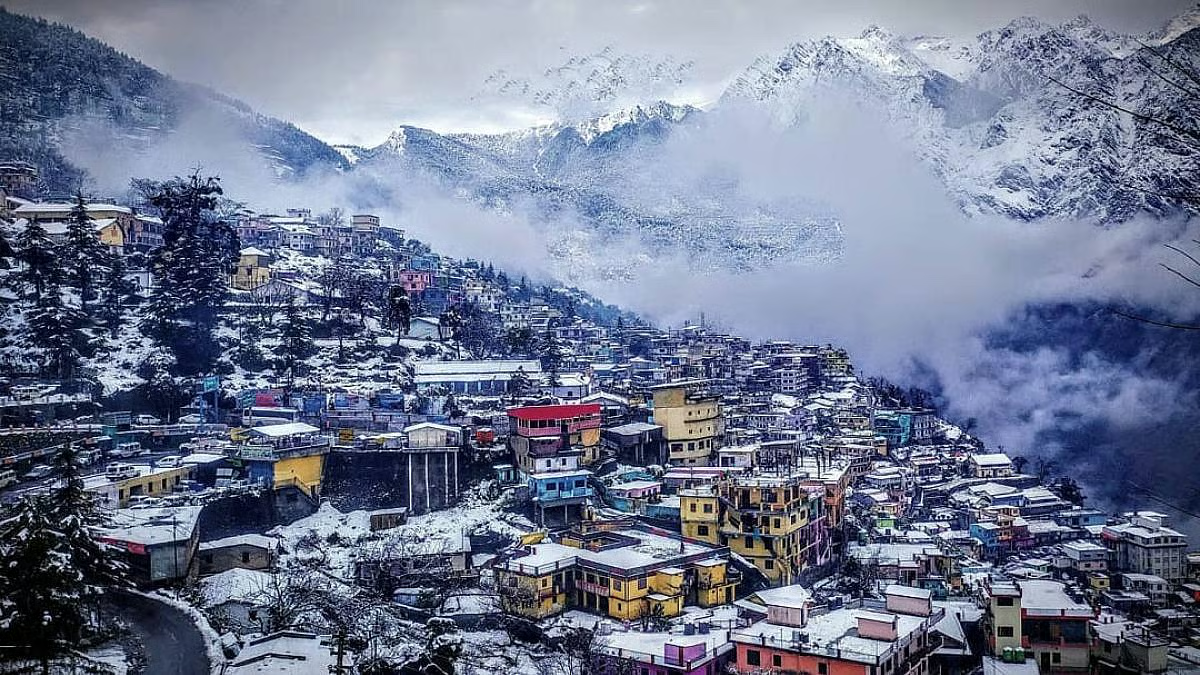
A town of religious and strategic importance, Joshimath is also a base for Auli, a popular skiing destination.
5. Auli
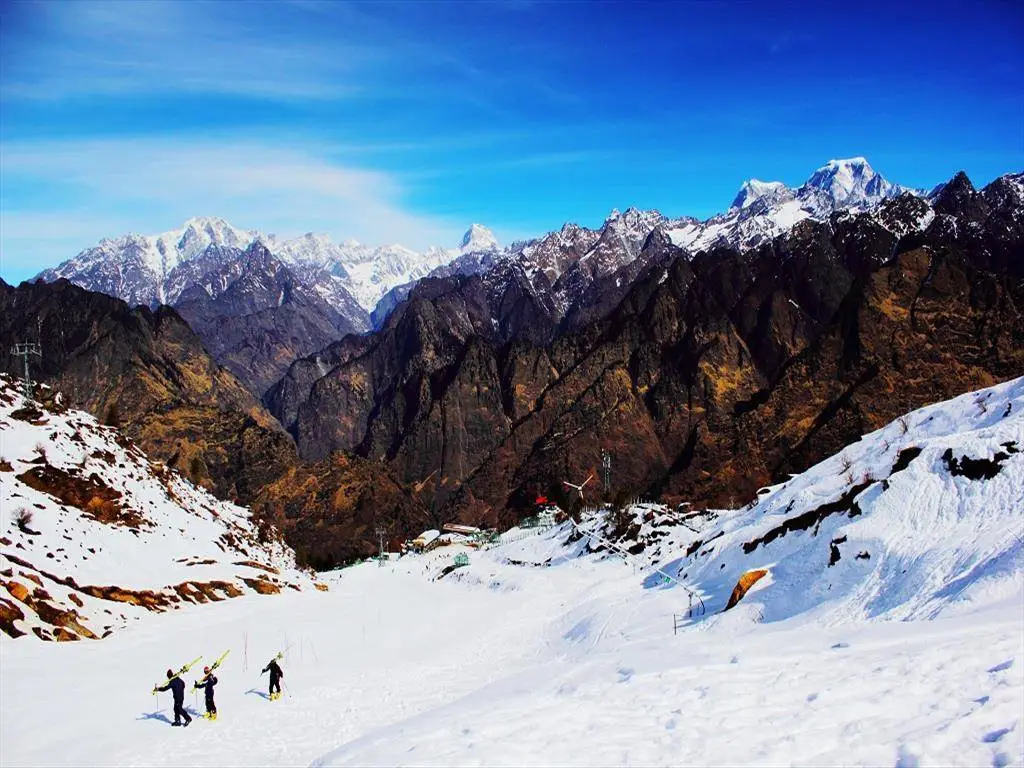
If you’re visiting in winter or late autumn, Auli offers snow-covered slopes, cable cars, and panoramic Himalayan views.
Cultural Insights
What makes Hemkund Sahib more than just a trek or pilgrimage is the way it weaves together spirituality, culture, and nature.
- Festivals: The opening of Hemkund Sahib in June is marked by religious ceremonies. Devotees often volunteer to clear snow and prepare the gurudwara for the season.
- Flora & Fauna: On the trek, you’ll spot unique Himalayan plants, colorful birds, and perhaps even mountain goats.
- Local Communities: The journey introduces you to Garhwali culture, where hospitality and warmth are as much a part of the journey as the trek itself.
Sample Itinerary for Hemkund Sahib
Here’s a simple 5-day itinerary that many travelers follow:
Day 1: Arrive at Govindghat via Joshimath. Rest overnight.
Day 2: Trek or take a pony/helicopter ride to Ghangaria. Overnight stay.
Day 3: Trek to Hemkund Sahib, spend a few hours in prayer and reflection, and return to Ghangaria by evening.
Day 4: Visit the Valley of Flowers and return to Ghangaria.
Day 5: Trek back to Govindghat and continue your onward journey.
This itinerary allows you to balance spiritual devotion with the natural beauty of the region.
FAQ
Q1: Where is Hemkund Sahib located?
A: Hemkund Sahib is a Sikh pilgrimage site situated in the Chamoli district of Uttarakhand, at an altitude of 4,329 meters in the Himalayas.
Q2: Why is Hemkund Sahib famous?
A: It is known as the highest Gurudwara in the world, dedicated to Guru Gobind Singh Ji, and is surrounded by a serene glacial lake.
Q3: How can I reach Hemkund Sahib?
A: The trek to Hemkund Sahib starts from Govindghat, passing through Ghangaria. It involves a 19 km trek (one way). Helicopter services are also available up to Govindghat/Ghangaria.
Q4: What is the best time to visit Hemkund Sahib?
A: The best time is from June to October, when the snow has melted, and the Valley of Flowers is in full bloom.
Q5: How difficult is the Hemkund Sahib trek?
A: The trek is considered moderate to difficult, with steep climbs. Good physical fitness and acclimatization are recommended.
Q6: What is the significance of Hemkund Lake?
A: The glacial Hemkund Lake is considered sacred, and pilgrims often take a holy dip before visiting the Gurudwara.
Q7: Are there accommodations near Hemkund Sahib?
A: Accommodation is available at Govindghat and Ghangaria with guest houses, hotels, and Gurudwara facilities.
Q8: Is the Hemkund Sahib Yatra open year-round?
A: No, the shrine is open only from May/June to October, as heavy snowfall closes the route in winter.
Q9: Can I visit Valley of Flowers along with Hemkund Sahib?
A: Yes, Valley of Flowers National Park is located near Ghangaria and can be combined with the Hemkund Sahib trek.
Q10: What should I carry for Hemkund Sahib Yatra?
A: Warm clothing, trekking shoes, rain gear, ID proof, medicines, and basic supplies are essential for the trek.

One thought on “Hemkund Sahib Uttarakhand: Trek, History & Travel Guide”