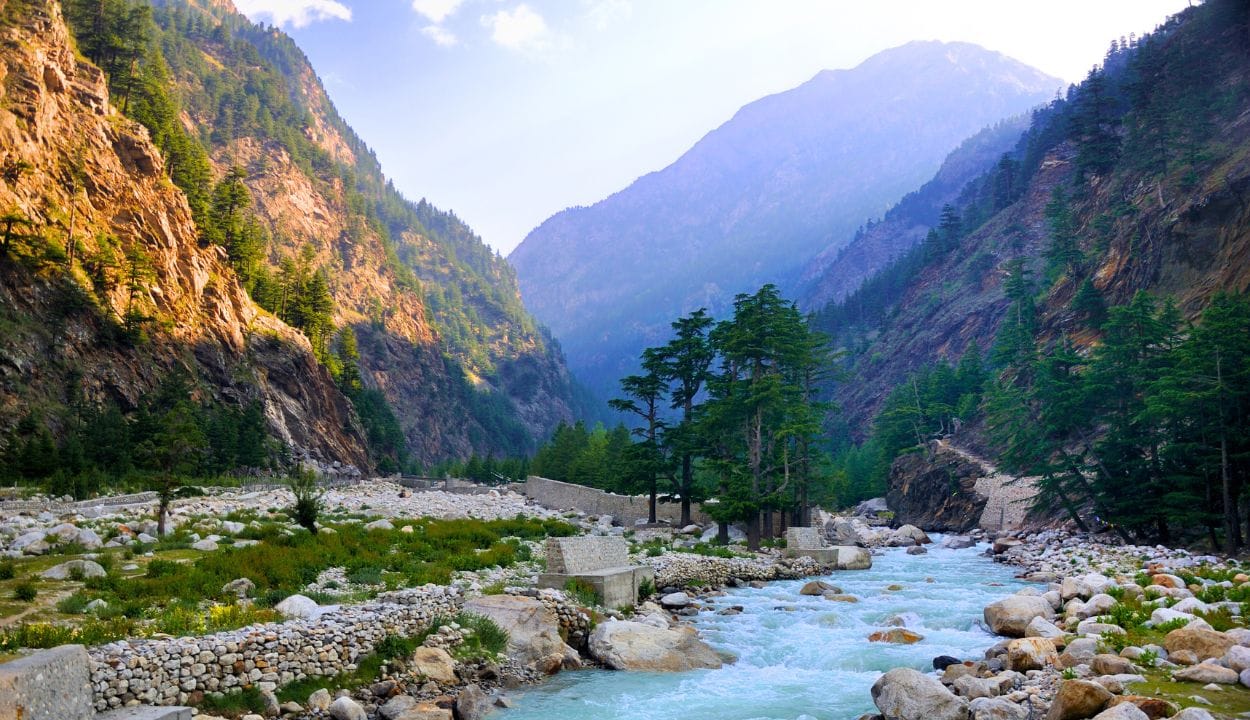
Nestled quietly in the lap of the Garhwal Himalayas, Harsil Valley is one of those rare places where nature seems to have pressed pause. Unlike the crowded tourist spots of Uttarakhand, Harsil has managed to keep its charm intact, offering visitors a peaceful escape into towering pine forests, glistening rivers, and snow-clad peaks.
Perched at an altitude of about 2,620 meters above sea level, this small yet enchanting valley lies on the way to the famous Gangotri Dham, but surprisingly, many pilgrims pass it by without realizing the paradise they’re crossing. For those who choose to pause, Harsil becomes an unforgettable experience one filled with fresh mountain air, gentle sounds of the Bhagirathi River, and stories whispered by old deodar trees of Harsil valley uttarakhand.
The Geography and Setting of Harsil
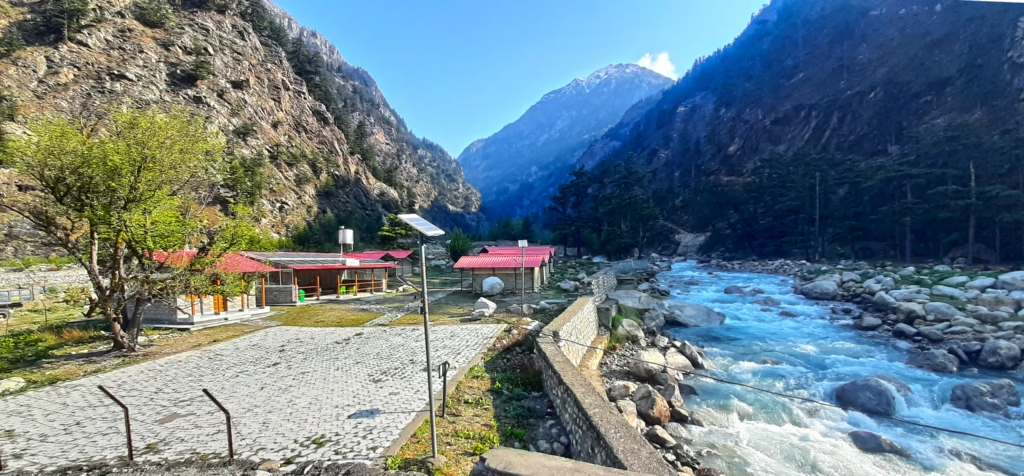
Harsil Valley lies in the Uttarkashi district of Uttarakhand, approximately 72 kilometers from Uttarkashi town and 25 kilometers before Gangotri.
- Altitude: 2,620 meters (8,600 feet)
- River: The Bhagirathi River flows gracefully alongside the valley.
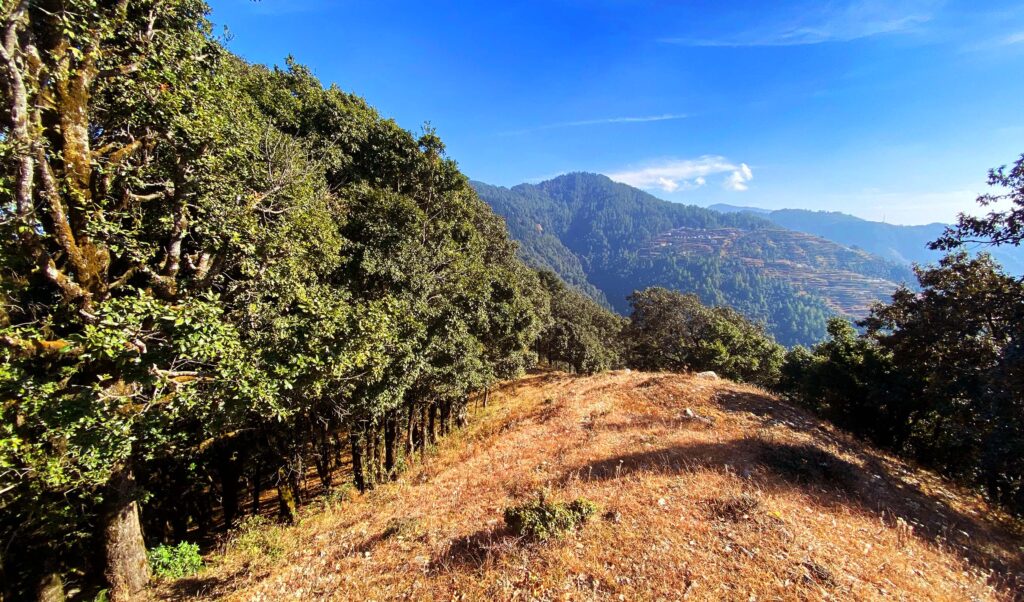
- Surroundings: Snow-covered peaks, dense deodar and pine forests, and apple orchards define its landscape.
The valley enjoys a unique blend of natural beauty riverside charm, forested slopes, and lofty mountains that makes it one of the most picturesque destinations in the Himalayas.
Mythological Significance of Harsil
Like most places in Uttarakhand, Harsil too carries threads of mythology. Local legends associate it with the myth of Bhagirath, the king who brought the river Ganga down from the heavens to purify his ancestors. The Bhagirathi River, flowing through Harsil, is named after him and remains central to the identity of the valley.
It is also said that sages and yogis have meditated in these forests for centuries, seeking peace in the serene environment that Harsil naturally provides. This mythological connection adds a spiritual aura to the valley, making it not just a scenic retreat but also a place of quiet devotion.
Why Harsil is Called the “Mini Switzerland of India”
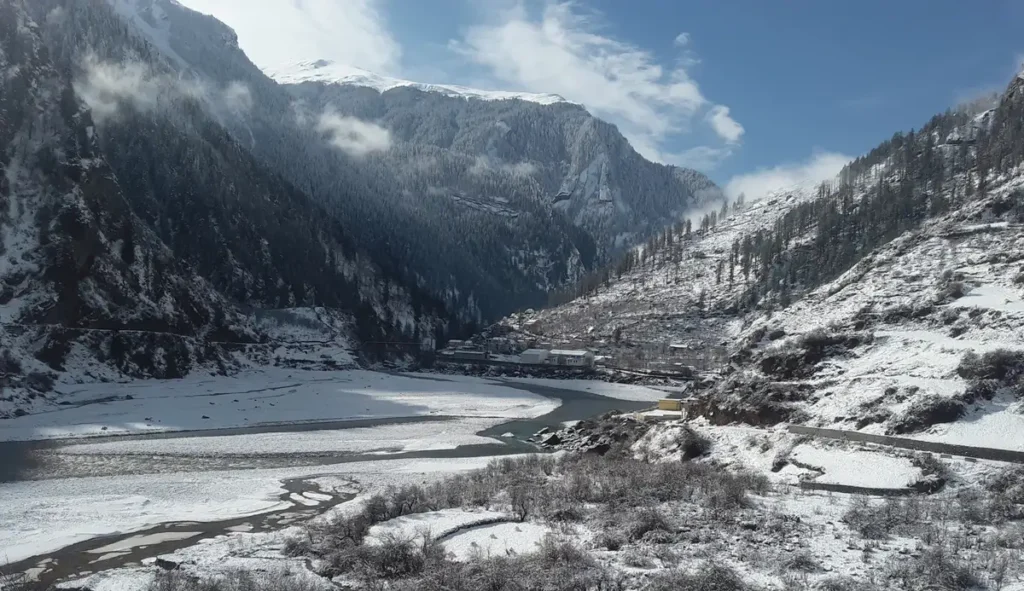
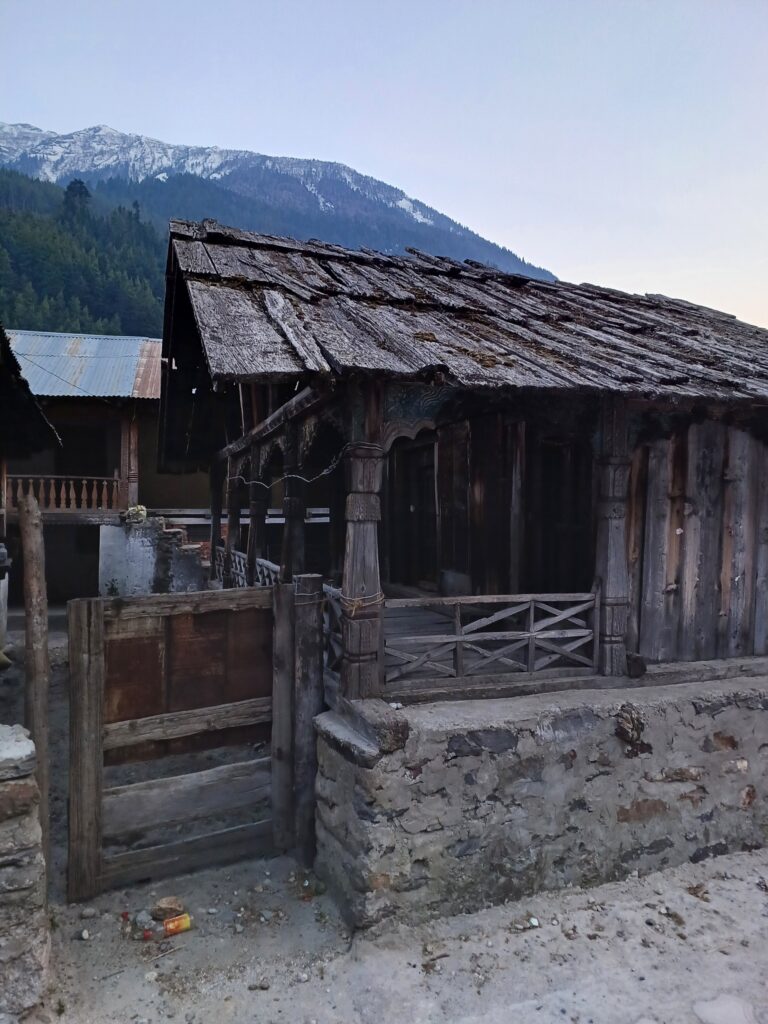
Travelers often describe Harsil as the Mini Switzerland of India not without reason. The wide-open meadows, snow-draped peaks in winter, wooden houses tucked between pine forests, and blooming orchards in summer make the valley resemble a scene from Europe.
But unlike Switzerland’s bustling tourist hubs, Harsil retains its untouched, raw appeal. There are no large resorts or neon lights, only homely stays and quiet paths where the wind itself becomes your guide.
Things to Do in Harsil Valley
1. Relax by the Bhagirathi River
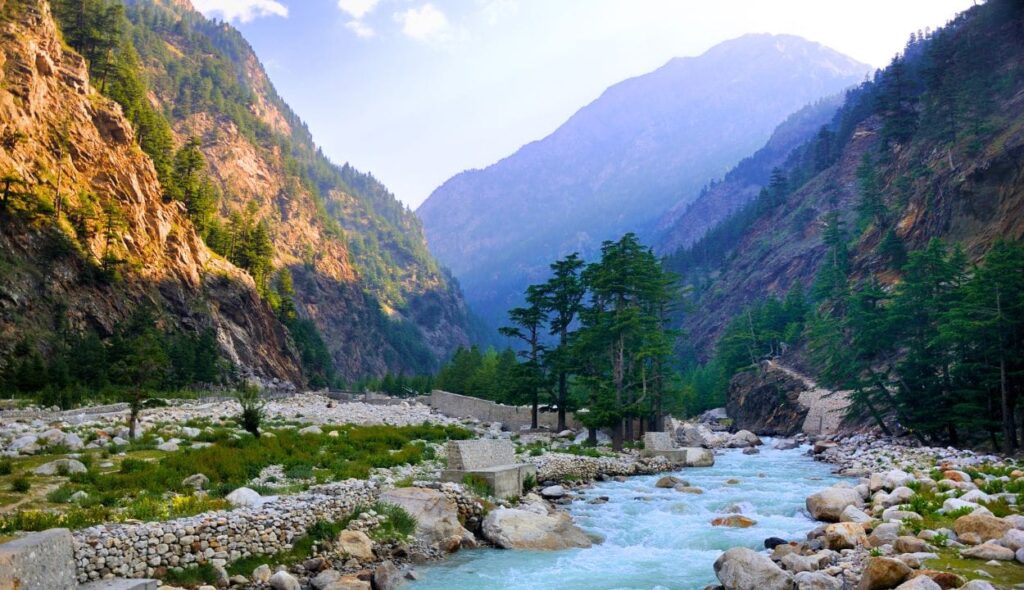
The river here is not just a sight; it’s an experience. Its crystal-clear waters sparkle in the sun, while its sound brings unmatched calmness. Simply sitting by the riverbank with a book or walking along its flow is enough to rejuvenate weary travelers.
2. Visit the Apple Orchards
Harsil is famous for its juicy apples. The orchards here, especially during the autumn season, turn into a colorful paradise. Walking through the orchards, tasting freshly plucked apples, or even helping locals in harvest season becomes a memorable experience.
3. Trekking and Nature Walks
Harsil is a base for several treks. Some popular ones include:
- Dharali Village Trek – A short scenic trek to a nearby hamlet.
- Mukhba Village Trek – Known as the winter abode of Goddess Ganga.
- Sattal Trek – A longer trek leading to seven small natural lakes.
These treks offer a mix of forests, rivers, and mountain views that capture the essence of Himalayan beauty.
4. Visit Gangotri Dham
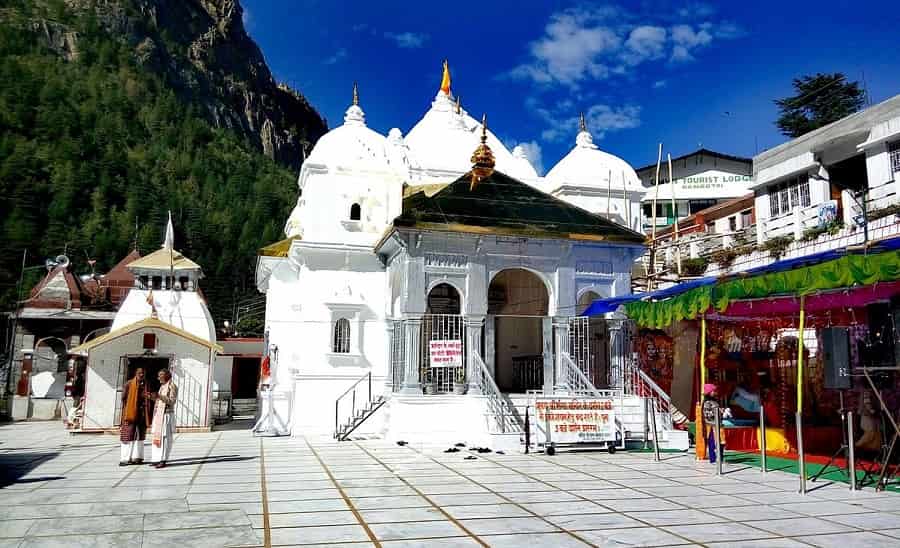
Since Gangotri is only 25 km away, most travelers from Harsil also visit the sacred Gangotri Temple, dedicated to Goddess Ganga. Many pilgrims choose to stay in Harsil overnight because of its peaceful environment.
5. Photography and Bird Watching
For photographers and nature lovers, Harsil is a dream come true. From rare Himalayan birds to breathtaking landscapes, every frame here is postcard-worthy.
Cultural Life in Harsil
Harsil is not just about natural beauty it’s also about people. The valley is home to communities like the Bhotiya tribe, known for their warm hospitality, woolen weaving traditions, and vibrant cultural practices.
Festivals here are celebrated with simple joy. During harvest time, locals organize fairs and rituals that bring the entire valley together. Visitors often get a chance to be part of these cultural experiences, which add authenticity to their journey.
Flora and Fauna of Harsil
The valley’s forests are rich in biodiversity.
- Flora: Deodar, pine, oak, rhododendron, and apple trees dominate the landscape. In spring, wildflowers bloom in colors that light up the valley.
- Fauna: The region is home to Himalayan monals (state bird of Uttarakhand), musk deer, langurs, and occasionally, leopards.
For wildlife enthusiasts, spotting these species in their natural habitat is a thrilling experience.
Best Time to Visit Harsil Valley
Harsil offers something different in every season:
- Summer (April–June): Pleasant weather, clear skies, and perfect for treks.
- Monsoon (July–September): Lush greenery, though landslides can make travel difficult.
- Autumn (October–November): Apple orchards in full bloom and crisp mountain air.
- Winter (December–February): Snow transforms Harsil into a fairytale village, ideal for those who enjoy winter landscapes.
How to Reach Harsil
By Air
The nearest airport is Jolly Grant Airport, Dehradun, about 232 km away. From there, taxis and buses connect to Harsil.
By Rail
The nearest railway station is Rishikesh (approx. 215 km). Haridwar (around 240 km) is another option with better connectivity.
By Road
Harsil is well connected by road via Uttarkashi. Regular buses and shared taxis operate from Dehradun, Rishikesh, and Haridwar to Uttarkashi, from where one can reach Harsil.
The road journey itself is breathtaking, with winding mountain routes, river crossings, and panoramic views.
Accommodation in Harsil
Harsil does not have big luxury hotels, and that is precisely its charm. Instead, travelers can stay in:
- Guesthouses and Homestays run by locals.
- GMVN Tourist Rest House for basic comfort.
- Small lodges with cozy rooms overlooking the valley.
Staying in homestays allows visitors to enjoy local food, stories, and culture, making the trip more personal.
Why Harsil Should Be on Your Travel List
- It is peaceful and crowd-free, unlike other Himalayan destinations.
- The natural beauty is raw and untouched.
- You can enjoy both spirituality and adventure with Gangotri nearby and treks around the valley.
- Its apple orchards and cultural life add flavor to the journey.
Harsil is not just a stopover on the way to Gangotri. It is a destination in itself, waiting to be discovered by those who value silence, nature, and authenticity.
Tips for Travelers Visiting Harsil
- Carry Warm Clothes – Even in summer, nights are cold.
- Travel Light – The valley is best explored on foot.
- Respect Local Culture – Be mindful of traditions and nature.
- Stay Connected – Mobile networks may be patchy, so inform family in advance.
- Try Local Food – Don’t miss out on traditional Garhwali dishes.
Conclusion – A Valley of Peace and Beauty
Harsil Valley, Uttarakhand, is one of those rare destinations that manage to blend natural grandeur with soulful calm. Whether you’re a pilgrim on the way to Gangotri, a trekker chasing Himalayan trails, or simply someone who wants to sit by a river and listen to silence, Harsil welcomes you with open arms.
It is a reminder that in a world running fast, there are still places where time slows down, where nature speaks louder than noise, and where simplicity shines brighter than luxury.
So, the next time you plan a trip to Uttarakhand, don’t just rush past Harsil stop, stay, and let the valley whisper its timeless stories to your heart.
FAQs for Harsil Valley
Where is Harsil Valley located?.
Harsil Valley is located in Uttarkashi district, Uttarakhand, about 73 km from Uttarkashi town.
Why is Harsil Valley famous?
It is known for its apple orchards, pine forests, riverside beauty, and proximity to Gangotri.
What is the altitude of Harsil Valley?
Harsil is situated at an altitude of around 2,620 meters (8,600 feet) above sea level.
How far is Harsil from Gangotri?
Harsil is about 24 km before the Gangotri Temple, making it a popular stop for pilgrims.
What is the best time to visit Harsil Valley?
The best months are May–June and September–October when the weather is pleasant and scenic.
Are there trekking routes near Harsil?
Yes, treks to Sattal, Dharali, and Lamkhaga Pass start from or near Harsil.
What river flows through Harsil Valley?
The Bhagirathi River flows gracefully through Harsil Valley, enhancing its charm.
Is Harsil Valley good for staying during Char Dham Yatra?
Yes, many pilgrims choose to stay here for peace and comfort while traveling to Gangotri.
What accommodations are available in Harsil?
The valley has guesthouses, homestays, GMVN rest houses, and mid-range hotels.
Is Harsil Valley connected by road?
Yes, it is well connected by road from Uttarkashi, with the nearest railway station at Rishikesh and airport at Dehradun.