

Nestled in the lap of the Garhwal Himalayas, Barkot Uttarakhand is a small but significant hill town in Uttarkashi district of Uttarakhand. Known for its serene landscapes, snow-clad peaks, and proximity to Yamunotri Dham, Barkot holds a special place in the hearts of pilgrims and travelers alike. Situated at an altitude of around 1,220 meters (4,000 feet) above sea level, this quiet town offers both spiritual significance and natural beauty, making it a perfect stopover for Char Dham Yatra pilgrims heading towards Yamunotri.
Barkot is more than just a halting point — it is a destination in itself. With lush apple orchards, flowing rivers, and breathtaking views of the Bandarpunch mountain range, Barkot combines divinity with adventure. Whether you are a pilgrim, a trekker, or someone looking for a peaceful mountain escape, Barkot welcomes you with simplicity and charm.

History and Cultural Importance
While Barkot does not boast large temples or historical monuments like other places near it, barkot cultural identity is deeply connected with the Char Dham Yatra, especially Yamunotri. Traditionally, pilgrims on their way to Yamunotri have rested in Barkot, making it a spiritual hub for centuries. The town is also a part of Garhwali culture, with local traditions, fairs, and folk songs adding color to the serene surroundings.
The people of Barkot live close to nature and practice simple lifestyles. Agriculture, especially apple farming, is the backbone of the local economy. During the Yatra season (April–November), Barkot turns into a lively town filled with pilgrims, local markets, and guesthouses catering to visitors from all across India.

Barkot and the Char Dham Yatra
For pilgrims heading to Yamunotri Dham, Barkot serves as the base camp. Yamunotri, the first dham in the Char Dham circuit, is located about 50 km from Barkot. Since Yamunotri is not directly connected by motorable roads, pilgrims first travel to Barkot and then proceed to Jankichatti or Hanumanchatti, from where the trek to Yamunotri begins.
Thus, Barkot holds immense importance because:
- It offers accommodations and facilities for pilgrims before they begin the challenging trek.
- Many travel operators design their itineraries to include a night stay at Barkot.
- It gives pilgrims a chance to acclimatize before moving to higher altitudes.
Natural Beauty of Barkot
Barkot is blessed with enchanting Himalayan beauty. The lush valleys, snow-covered peaks, and flowing waters of the Yamuna River add to the charm of this town.
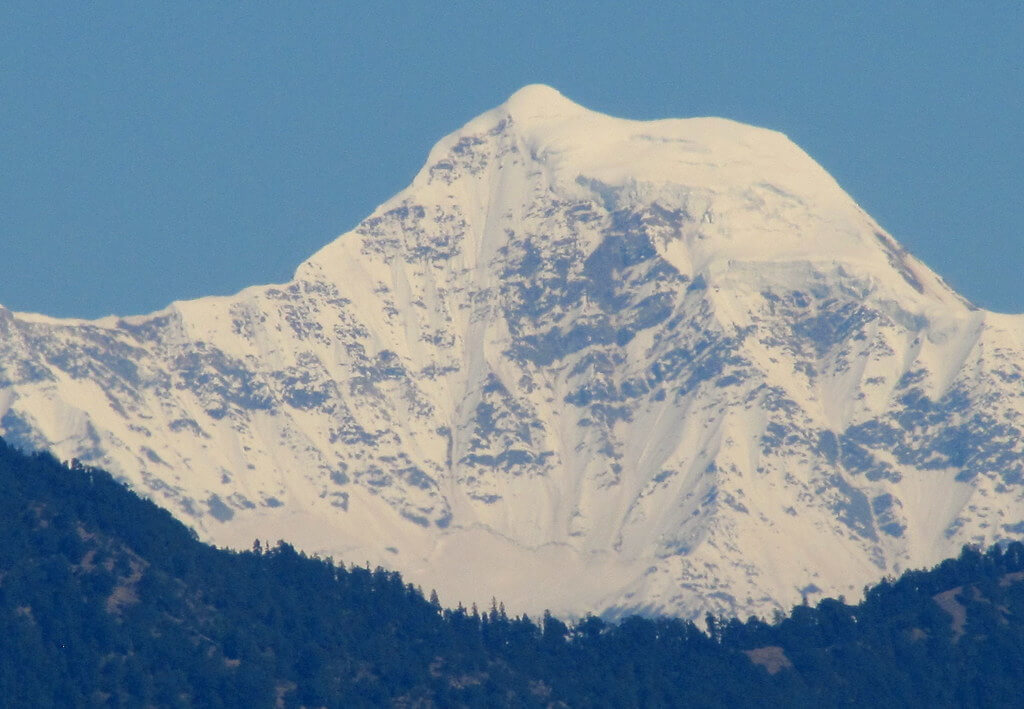
- Bandarpunch Peak Views: The snow-capped Bandarpunch range dominates the skyline of Barkot, offering postcard-perfect scenery.
- Apple Orchards: Barkot is famous for its apples. During the harvesting season, the orchards bloom with red apples, making the landscape even more beautiful.
- Rivers and Waterfalls: The Yamuna River flows nearby, and several seasonal waterfalls can be seen in monsoon.
For those seeking peace away from the hustle of cities, Barkot is an untouched paradise where mornings begin with the sound of flowing rivers and evenings end with golden sunsets behind the Himalayas.
Major Attractions Around Barkot
Although Barkot itself is a small town, several nearby attractions make it worth exploring:
1. Yamunotri Dham
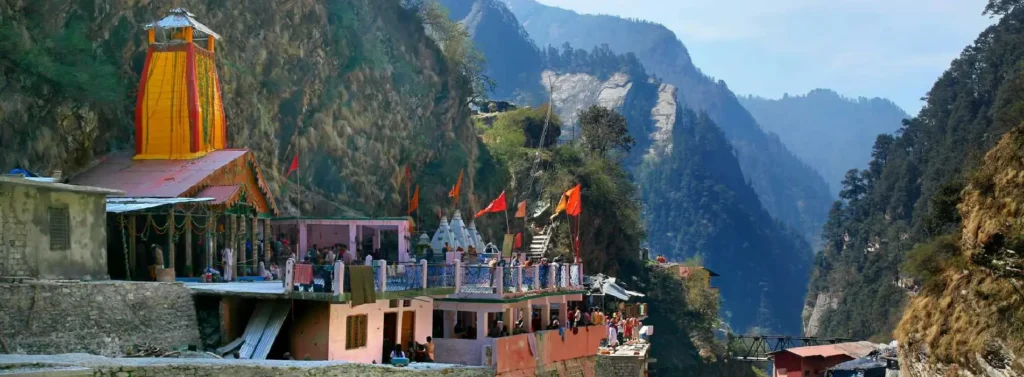
The most significant attraction near Barkot is Yamunotri Temple, dedicated to Goddess Yamuna. Located about 50 km away, the trek to Yamunotri from Jankichatti is about 5 km long. The hot springs of Surya Kund and the Yamunotri temple make this journey sacred and memorable.
2. Hanumanchatti
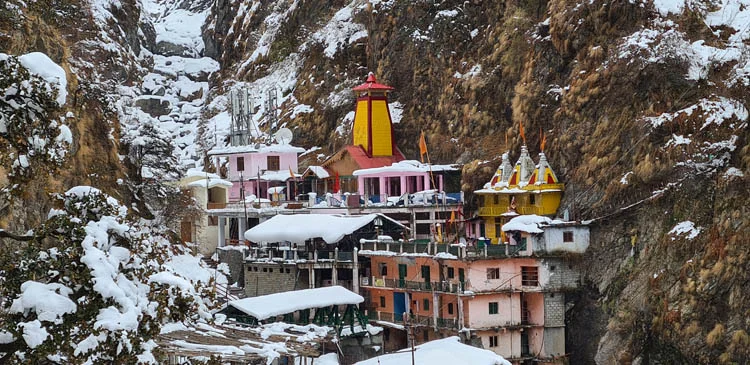
A small town located about 33 km from Barkot, Hanumanchatti is the traditional starting point for the Yamunotri trek. It is also a confluence of the Hanuman Ganga and Yamuna rivers.
3. Jankichatti
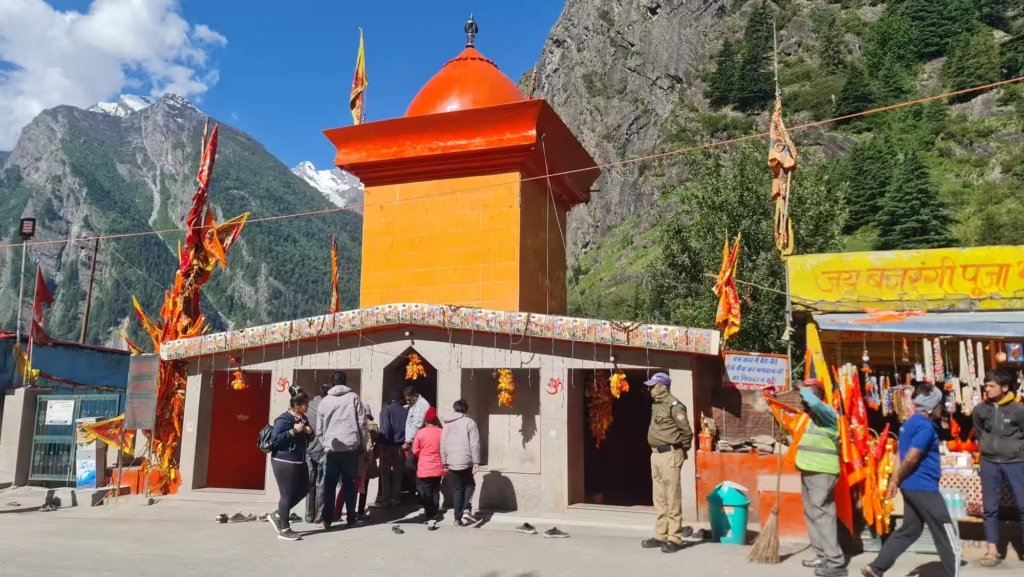
Closer to Yamunotri than Hanumanchatti, Jankichatti is now the more popular base for the trek. It is famous for its hot water springs and provides ponies and palanquins for pilgrims.
4. Dayara Bugyal
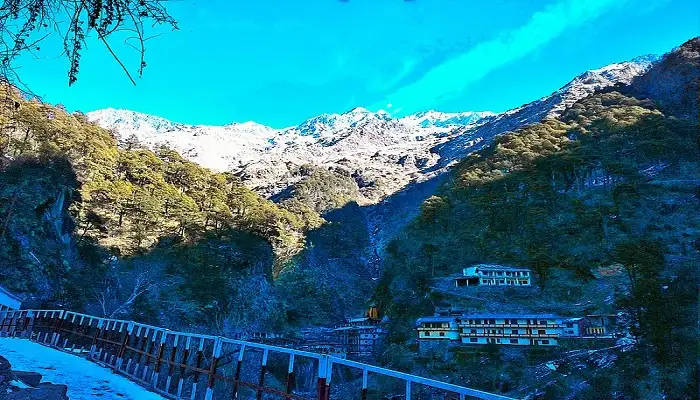
Located a few hours from Barkot, Dayara Bugyal is one of the most beautiful alpine meadows in Uttarakhand. It offers panoramic views of the Himalayas and is a trekking paradise.

5. Surya Kund
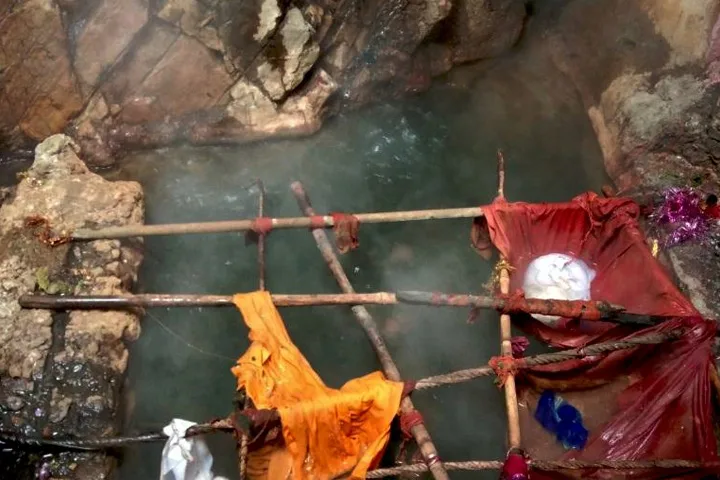
Near Yamunotri, Surya Kund is a hot water spring where pilgrims cook rice and potatoes tied in cloth, later consuming them as prasad.
6. Dodital Lake
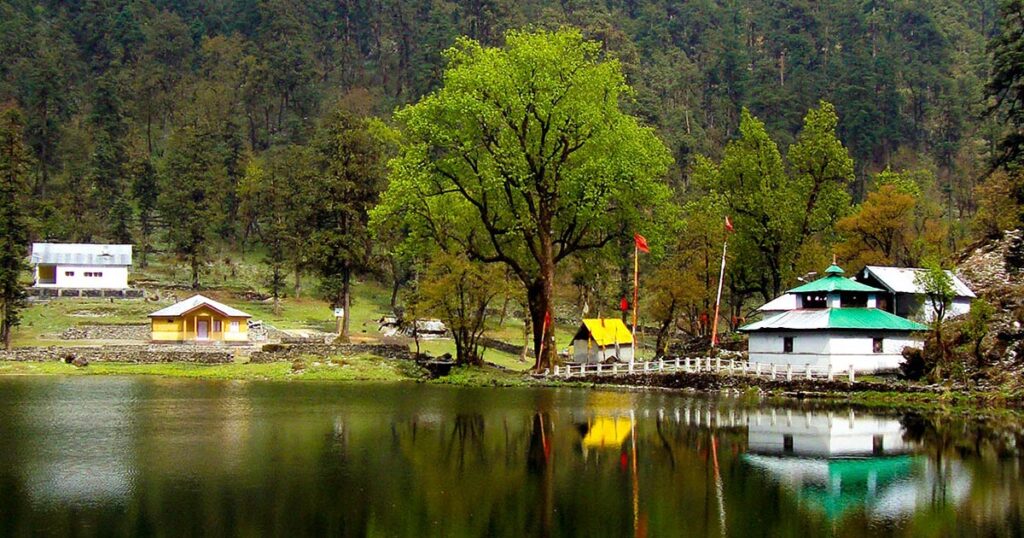
Situated a bit farther, Dodital is a pristine lake surrounded by pine forests. It is believed to be the birthplace of Lord Ganesha. For adventure seekers, this trek is a must.
Activities in Barkot
Barkot is not only for pilgrims but also for nature lovers and adventure enthusiasts. Some of the activities to enjoy here include:
- Trekking: Several treks around Barkot, including those to Yamunotri and Dayara Bugyal, attract trekkers.
- Camping: Barkot’s serene landscapes are ideal for camping under the stars.
- Photography: With snow peaks, rivers, and orchards, Barkot is a dream destination for photographers.
- River Rafting: The Yamuna River near Barkot offers thrilling rafting opportunities during certain seasons.
- Local Culture Exploration: Interact with locals, taste traditional Garhwali food, and experience their lifestyle.
FAQs for Barkot
1. Why is Barkot famous?
Barkot is famous as a gateway town to Yamunotri, the origin of the Yamuna River, and is an important stop for Char Dham pilgrims.
2. Where is Barkot located?
It is located in Uttarkashi district, Uttarakhand, along the banks of the Yamuna River.
3. How can I reach Barkot?
Barkot is accessible by road from Dehradun, Rishikesh, or Uttarkashi. The nearest major railhead is Haridwar.
4. Are there hotels and guesthouses in Barkot?
Yes, Barkot offers hotels, guesthouses, and dharamshalas catering to pilgrims and tourists.
5. What is the best time to visit Barkot?
April to June and September to November are ideal to avoid heavy rains and enjoy pleasant weather.
6. What are the main attractions near Barkot?
Nearby attractions include Yamunotri Temple, Janki Chatti, Hanuman Chatti, and scenic Himalayan landscapes.
7. Is Barkot suitable for families and senior citizens?
Yes, Barkot is a comfortable stop with easy road access, hotels, and local transport, making it suitable for families and seniors.
8. What local activities can tourists do in Barkot?
Tourists can enjoy trekking to Yamunotri, river-side walks, nature photography, and exploring small local markets.
9. Are there any religious events in Barkot?
Yes, during Yamunotri Yatra season, special rituals and processions take place as pilgrims prepare for the temple trek.
10. How long should I stay in Barkot?
A 1–2 day stay is sufficient for rest and preparation before trekking to Yamunotri.

3 thoughts on “Barkot Uttarakhand – Gateway to Yamunotri & Travel Guide”