
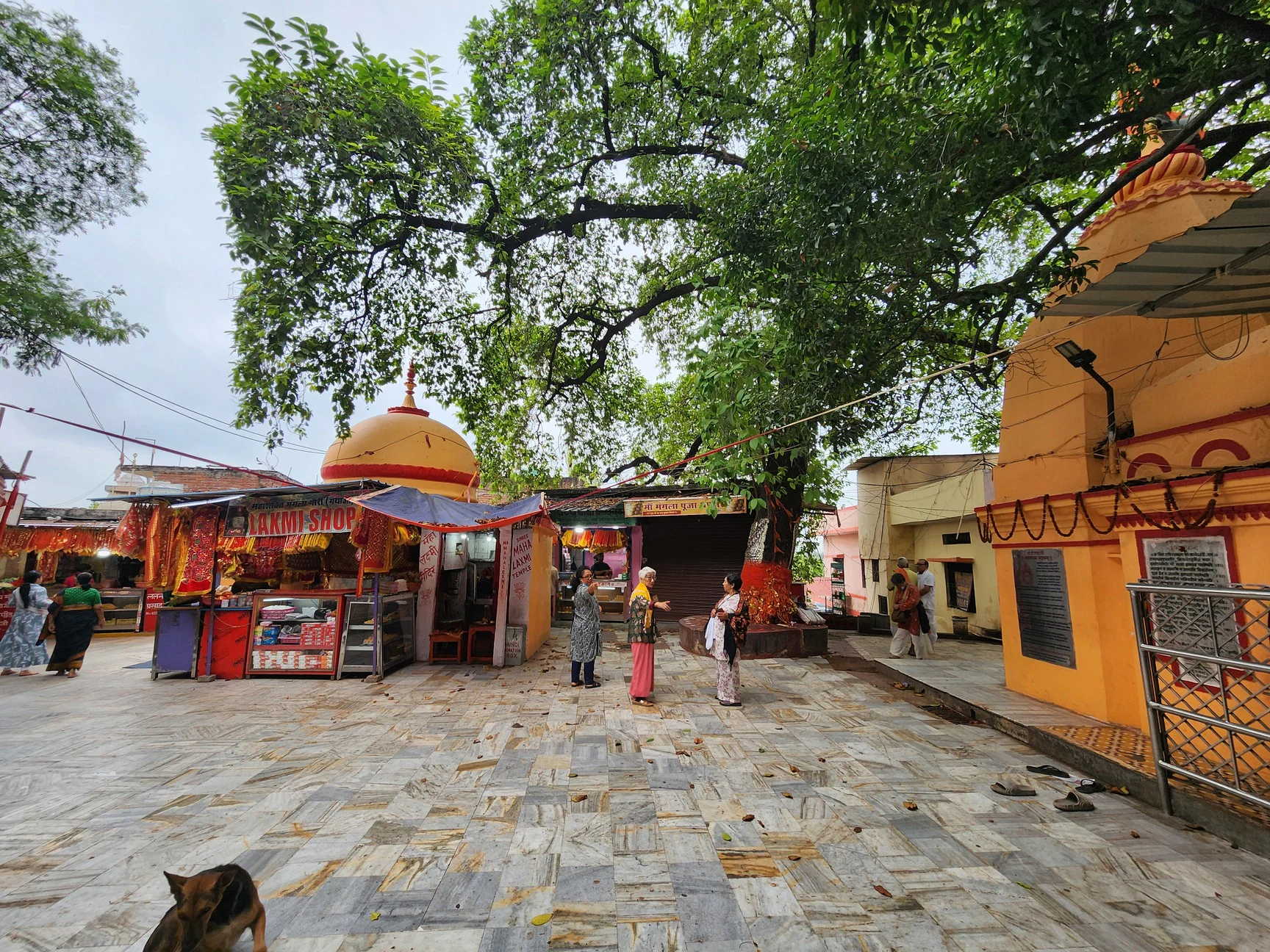
The Mangala Temple (Maa Mangla Gauri Mandir) in Gaya, Bihar, is one of the most revered and ancient shrines in India, steeped in profound Hindu mythology, history, and spiritual significance. It stands as a pivotal site of the goddess Shakti, drawing pilgrims from all corners of the world, particularly those seeking blessings for marital harmony, fertility, and auspiciousness.
The Sacred Genesis: A Mahashakti Peetha
The Mangala Gauri Temple is celebrated as one of the Ashtadasha Maha Shakti Peethas (18 Major Shakti Peethas), the most sacred sanctuaries dedicated to the Divine Feminine, or Goddess Shakti. The origin of the Shakti Peethas is intrinsically linked to the central tragedy of the goddess Sati (the first consort of Lord Shiva) and the cosmic dance of grief performed by Shiva.
The Legend of Sati’s Sacrifice
According to the Puranas, Sati, the beloved daughter of Prajapati Daksha, married Lord Shiva against her father’s wishes. Daksha, nursing a profound dislike for Shiva’s ascetic and unconventional ways, organized a grand Yajna (fire sacrifice) and intentionally failed to invite the divine couple. Sati, deeply hurt by this slight to her husband, attended the ceremony uninvited. When Daksha publicly insulted Lord Shiva, Sati, unable to bear the dishonour, immolated herself in the sacrificial fire, giving up her life as a protest.
Overcome by sorrow and rage, Shiva carried Sati’s lifeless body and performed the terrifying cosmic dance, the Tandava, threatening to destroy the universe. To avert this catastrophe, Lord Vishnu used his Sudarshana Chakra to dismember Sati’s body into 51 pieces, which then fell on various spots across the Indian subcontinent. Each spot where a piece of her body or an ornament fell became a holy Shakti Peetha.
The Seat of Nourishment
At the site of the Mangala Gauri Temple in Gaya, it is universally believed that a part of Sati’s body fell. The most widely accepted tradition holds that Sati’s breast fell here. Consequently, the presiding deity, Mangala Gauri, is worshipped as a symbol of nourishment (Poshak), benevolence, motherhood, and the auspicious power of the feminine. This unique symbolism is central to the temple’s identity, representing the essential, nurturing power of the Goddess for all her devotees.
The Deity and Her Blessings
The deity worshipped here is Maa Mangala Gauri, an incarnation of Goddess Parvati (Sati reborn), and her name translates to “Auspicious Gauri.” She is revered as a Goddess of benevolence, fertility, protection, and marital happiness.
Significance for Devotees
Devotees flock to the Mangala Gauri Temple seeking blessings for a multitude of desires, with a strong emphasis on domestic well-being:
- Marital Harmony and Longevity: Married women perform special prayers, particularly the Mangala Gauri Vrat (fast), which is dedicated to the long life and prosperity of their husbands.
- Auspicious Partnerships: Unmarried girls pray here to be blessed with an ideal life partner.
- Fertility and Motherhood: The Goddess, as the symbol of the breast and nourishment, is particularly supplicated for the blessing of children.
- Mangal Dosha Relief: It is believed that worship at the temple can alleviate the negative effects of Mangal Dosha (an astrological affliction related to the planet Mars, or ‘Mangal’), which is often associated with difficulties in marriage.
The temple thus serves as a powerful spiritual recourse for the foundational pillars of family and domestic life.
Architecture and Location
The Hilltop Shrine
The Mangala Gauri Temple is situated atop the Mangalagauri Hill, also known as Bhasmkoot Parvat, in Gaya city, close to the banks of the sacred Falgu River. The current structure is generally dated back to the 15th century CE, though the site itself is ancient, mentioned in several Puranas like the Padma Purana, Vayu Purana, and Agni Purana.
Temple Structure
To reach the shrine, pilgrims must ascend a significant flight of steps, a climb that is seen as a symbolic act of spiritual effort and dedication.
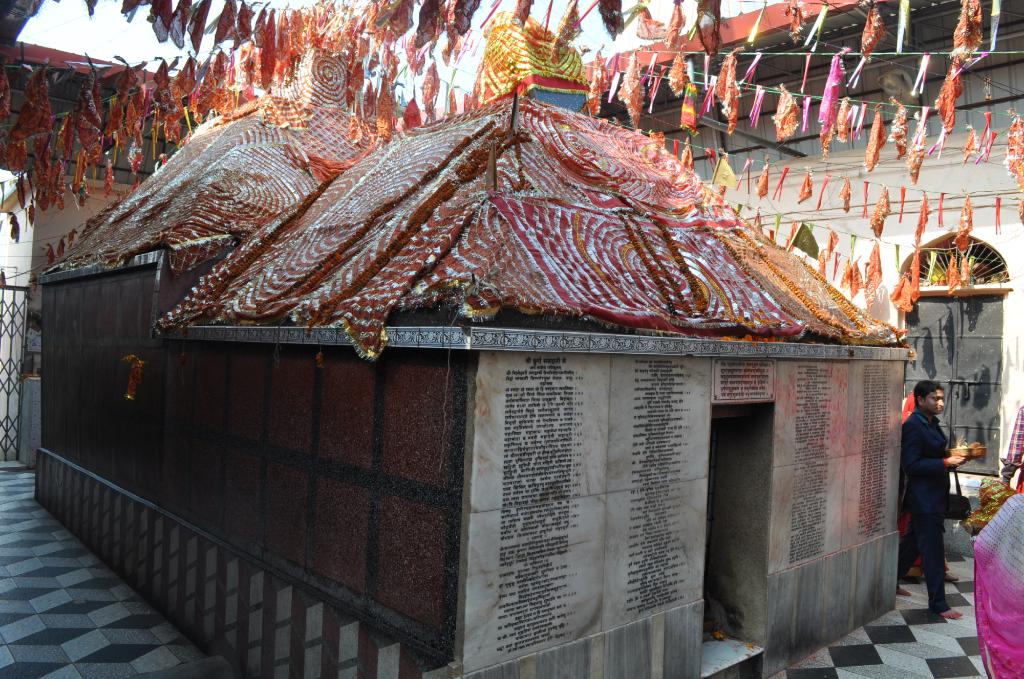
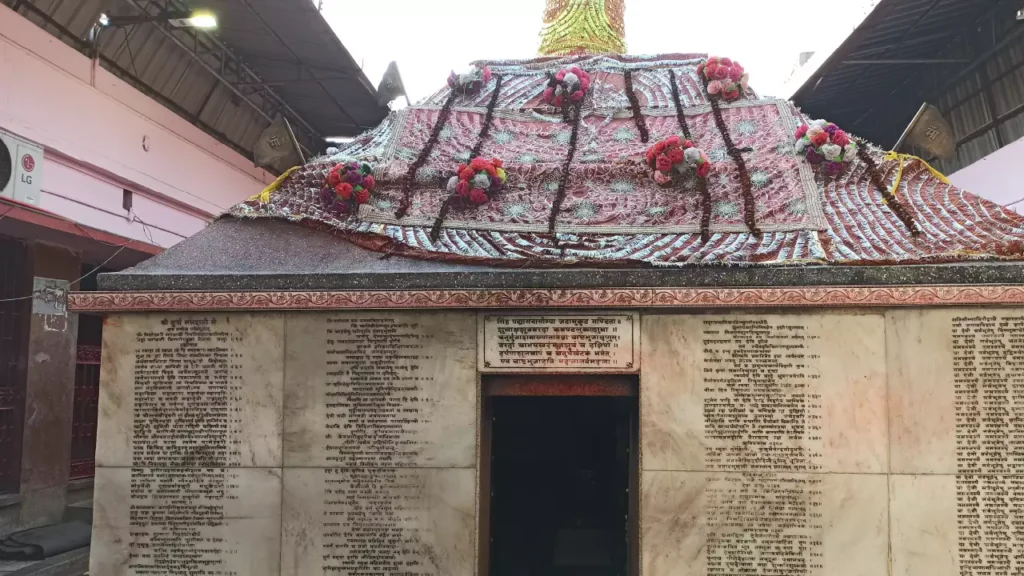
- The Garbha Griha (Sanctum Sanctorum): The main shrine is small and almost cave-like, accommodating only a few devotees at a time. The entry is often described as low, requiring devotees to bow down upon entering a physical act of humility before the Goddess.
- The Symbol of Worship: Notably, the sanctum does not house a conventional idol. Instead, the Goddess is worshipped in the form of two rounded stones, symbolizing the breasts of Sati, reinforcing the theme of nourishment and maternal power.
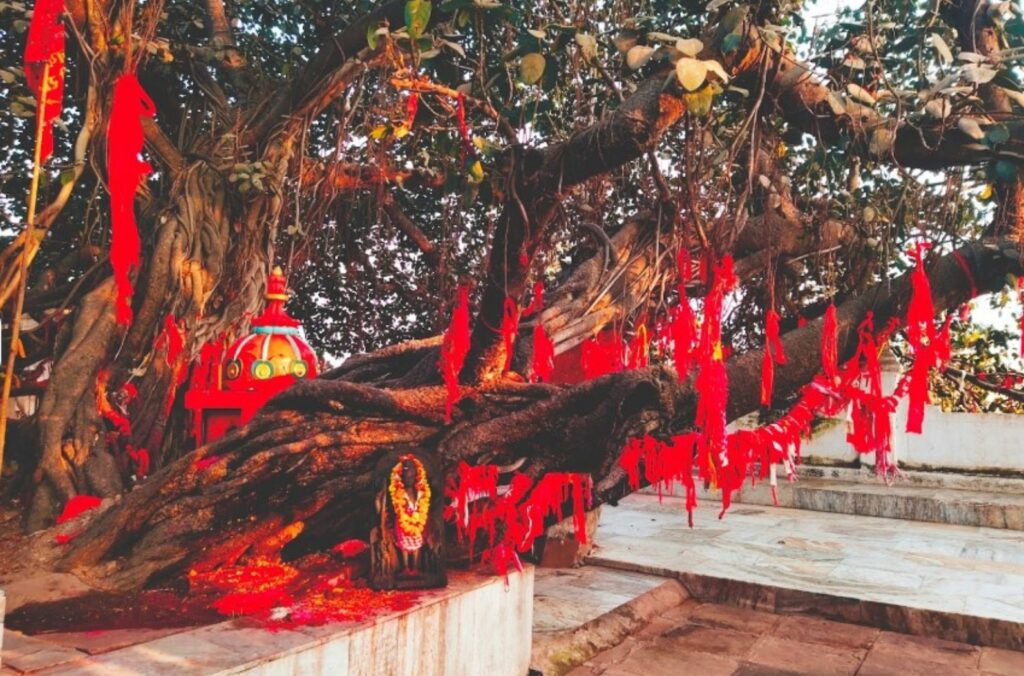
- The Complex: The main temple is flanked by a small hall (Mandap) and the wider courtyard houses subsidiary shrines dedicated to other deities, including Lord Shiva, Lord Ganesha, Maa Kali (Durga), and Lord Hanuman, creating a holistic spiritual environment.
Rituals and Festivals
The temple pulsates with heightened devotional energy during the major Hindu festivals:
Navratri
The nine-day festival of Navratri (both in spring and autumn) is the most significant celebration, drawing massive crowds. The temple is beautifully decorated, and elaborate rituals, special aarti ceremonies, and continuous prayers are performed, intensifying the worship of the Divine Mother.
Auspicious Tuesdays
Every Tuesday is considered highly auspicious for the worship of Goddess Shakti. On this day, married women undertake the Mangala Gauri Vrat, offering a specific set of items to the Goddess, typically including 16 bangles, seven types of fruits, and five varieties of sweets, praying for the welfare of their husbands and family.
Tantric Connection
Due to the ancient and powerful nature of the Shakti Peethas, the Mangala Gauri Temple is also historically associated with Tantric traditions and worship, adding another layer to its spiritual mystique.
Gaya: A Confluence of Spirituality
The Mangala Gauri Temple’s location in Gaya adds immensely to its prominence. Gaya is one of the most ancient and sacred cities in India, a unique spiritual junction for both Hinduism and Buddhism.
The Hindu Pind-Daan Site
For Hindus, Gaya is paramount as a center for Pitru Paksha and the performance of Pind-Daan (ancestral rites) to attain moksha (salvation) for departed souls. The presence of the Vishnupad Temple, which enshrines the footprint of Lord Vishnu, and the sacred Falgu River are central to these rites. Pilgrimage to the Mangala Gauri Temple is often considered an essential part of the larger spiritual journey to Gaya.
The Buddhist Connection
Just a short distance away is Bodh Gaya, the site where Prince Siddhartha attained enlightenment and became the Gautama Buddha. The presence of the Mahabodhi Temple and the sacred Bodhi Tree makes the region an unparalleled confluence where the spiritual streams of Hinduism and Buddhism flow together.
The Mangala Gauri Temple, therefore, is not merely an isolated religious structure but a vibrant, ancient seat of power that is deeply woven into the rich tapestry of Gaya’s spiritual landscape. It stands as an enduring testament to the power of the Divine Feminine a sanctum of grace, nourishment, and auspicious beginnings.
Frequently Asked Questions (FAQ’s)
Where is Mangala Temple located?
Mangala Temple is situated in Bihar, and it is one of the revered Shakti Peethas, attracting devotees from across India for its spiritual energy and mythological importance.
Why is Mangala Temple famous?
It is believed to be the place where a part of Goddess Sati’s body fell, making it a holy site dedicated to Goddess Mangala, a form of Adi Shakti.
What are the temple timings?
The temple generally opens from 6:00 AM to 7:00 PM, with daily aartis and special rituals during Navaratri and Durga Puja.
How can I reach Mangala Temple, Bihar?
The temple can be reached easily by road and rail. The nearest major railway station is in Patna, with regular bus and taxi services available.
When is the best time to visit Mangala Temple?
The best time to visit is from October to March, when the weather is pleasant and major Hindu festivals are celebrated.
Are there accommodations near the temple?
Yes, there are several lodges, dharamshalas, and hotels available in nearby towns and cities for devotees and tourists.

One thought on “Mangala Temple Bihar – History, Timings & Travel Information”