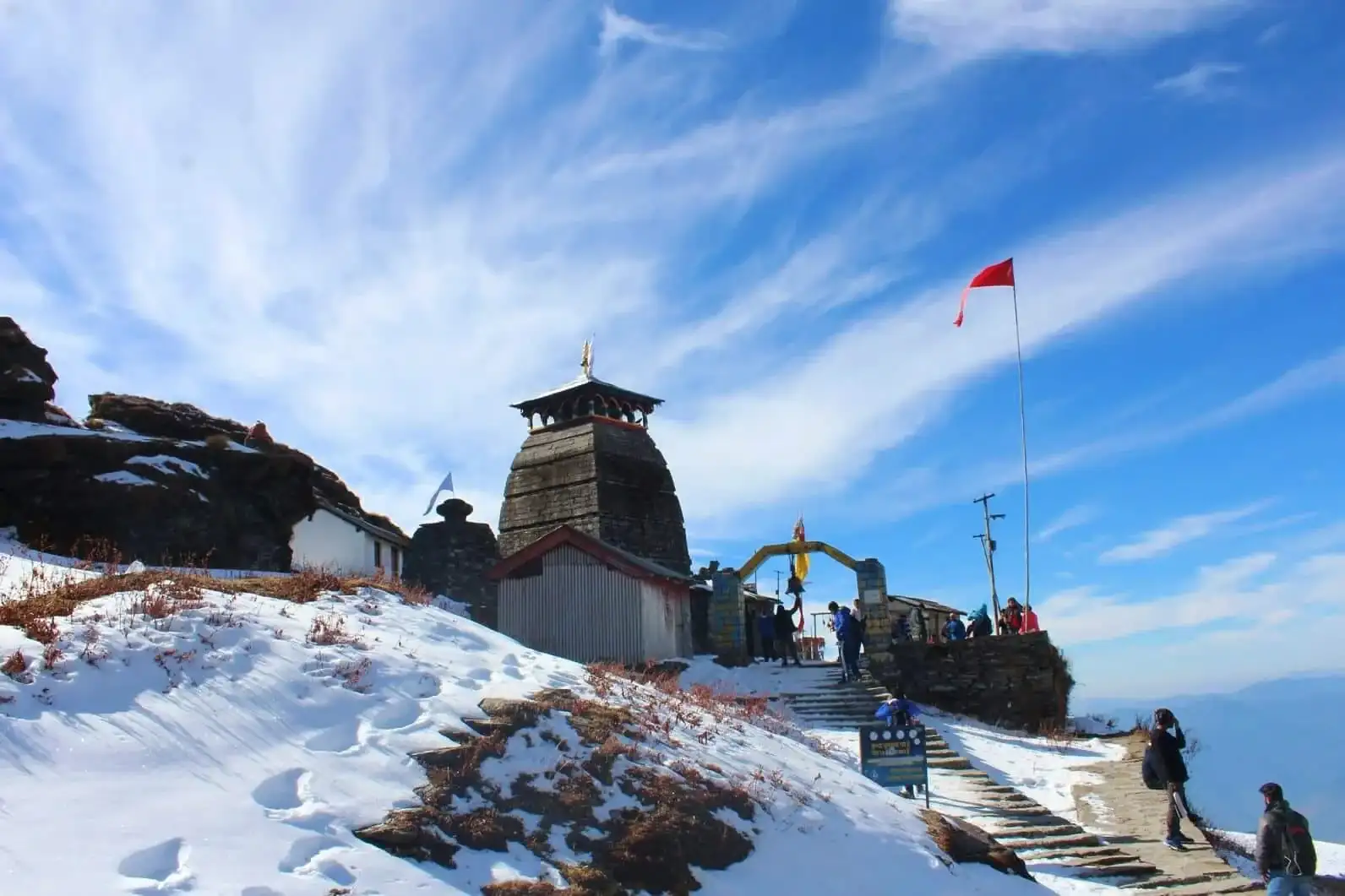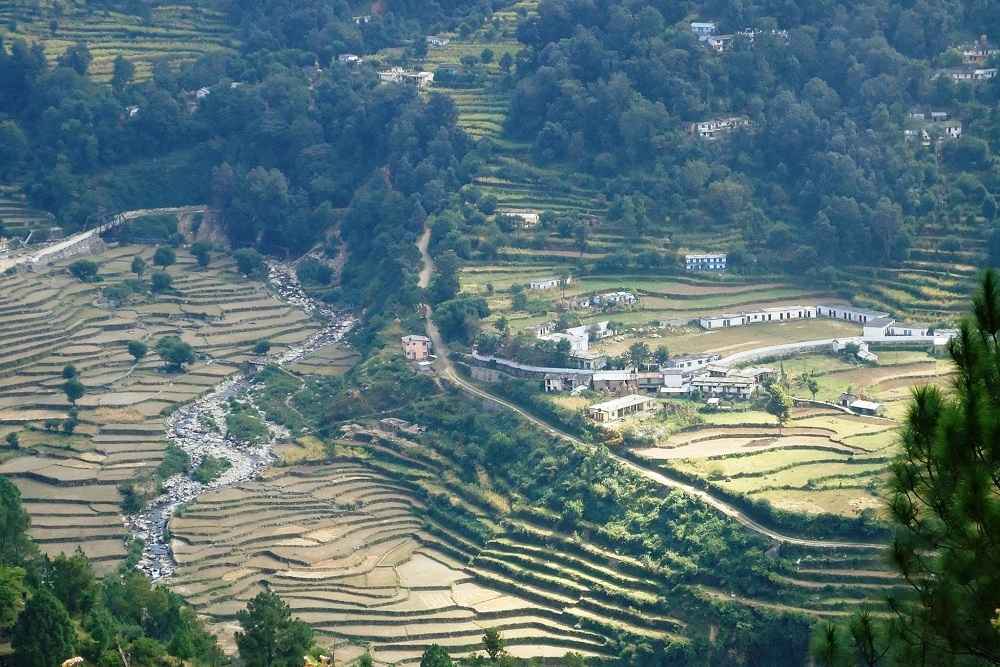
The journey from Joshimath to Badrinath is one of the most revered and beautiful stretches of the Char Dham Yatra. Joshimath serves as the critical gateway and the last major town before reaching the sacred Badrinath temple, making the final leg of the pilgrimage a focused, approximately 45-kilometer drive through the stunning, yet challenging, Himalayan terrain.
Here is a comprehensive guide on how to reach Badrinath from Joshimath, detailing the route, distance, travel options, and essential tips.

Joshimath to Badrinath
The road connecting Joshimath (also known as Jyotirmath) and Badrinath Dham is the crucial last segment of the journey. While the distance is relatively short, the mountain roads, elevation gain, and safety protocols mean the travel time is significantly longer than typical plain-area driving.
Route and Distance Overview
| Detail | Information |
| Total Distance (by Road) | Approximately 43 to 46 kilometers |
| Approximate Travel Time | 1.5 to 2.5 hours (subject to road conditions and traffic control) |
| Route | Joshimath -> Vishnuprayag -> Govind Ghat -> Pandukeshwar ->Badrinath |
| Highway | National Highway 7 (NH 7) / Old NH 58 |
| Nature of Road | Predominantly mountain road, single-lane in many sections, prone to landslides, especially during monsoon. |
The route is a visual treat, running alongside the Alaknanda River. As you travel north from Joshimath, you quickly gain altitude. Key points on the route include:
- Vishnuprayag: The confluence of the Alaknanda and Dhauliganga rivers, a beautiful sight just a short distance from Joshimath.
- Govind Ghat: The starting point for the trek to Valley of Flowers and Hemkund Sahib.
- Pandukeshwar: A village with significant religious history, known for the ancient Yogadhyan Badri temple, one of the Sapt Badri.
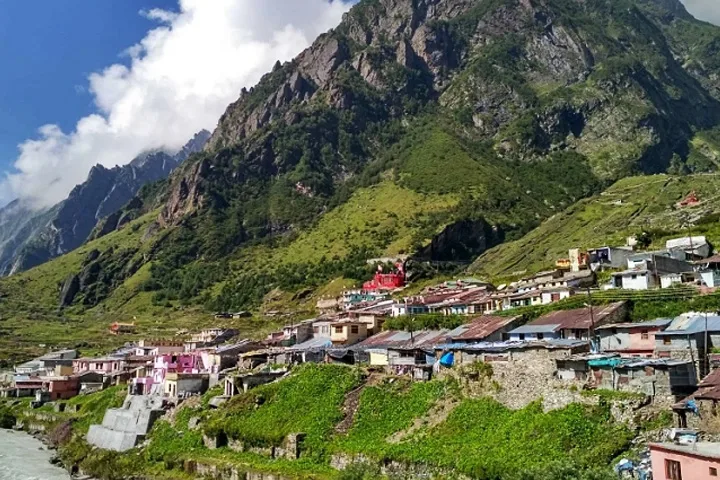
- Badrinath: The final destination, set between the twin peaks of Nar and Narayan Parvat, beneath the imposing Neelkanth peak.
Travel Options
Travelers have several convenient options for covering this final stretch, catering to different budgets and comfort levels.
Shared Taxis / Shared Jeeps (Most Common & Recommended)
Shared taxis (usually Tata Sumo or similar large vehicles) are the most popular and often the most efficient way to travel this route.
- Availability: Easily available from the Joshimath bus stand or taxi stand.
- Cost: Highly economical, with fares typically ranging from ₹100 to ₹300 per person (fares are subject to change based on the season and demand).
- Schedule: Vehicles leave frequently once they are full. They strictly adhere to the Border Roads Organisation (BRO) mandated traffic control timings (see Tips section below).
- Pros: Cost-effective, follows the controlled timing system perfectly, relatively fast.
Private Taxis / Hire Car
Hiring a private taxi offers the most flexibility and comfort, especially for families or groups.
- Availability: Private taxis can be hired from Joshimath for a one-way trip or a round trip (with a few hours waiting time in Badrinath).
- Cost: Significantly higher than shared taxis, but the overall per-person cost decreases with a larger group.
- Pros: Comfort, privacy, ability to stop for photos at suitable, safe points along the way (within the convoy timing restrictions).
Local Bus Service (State-Run/Private)
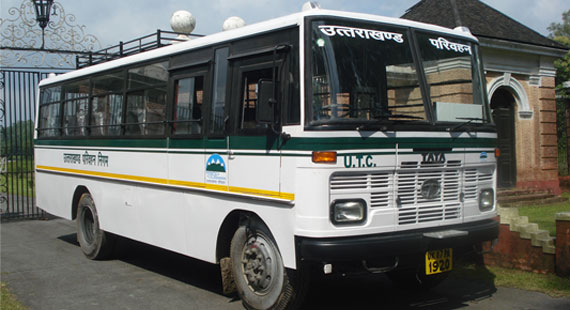
The Uttarakhand Roadways (KMVN/GMVN or state-run) buses operate between Joshimath and Badrinath during the Yatra season.
- Availability: Limited departures, primarily from the main bus station in Joshimath.
- Cost: The most budget-friendly option.
- Pros: Cheapest option, follows safety protocols.
- Cons: Less frequent, may be crowded, and can take longer due to multiple stops.
Self-Drive (Private Vehicle)
Driving your own vehicle is possible but requires caution and adherence to specific rules.
- Requirement: Your vehicle should be in excellent mechanical condition (especially brakes and engine) and you must be an experienced mountain driver. Online Char Dham Registration is mandatory for the pilgrimage.
- Safety: The road is challenging, narrow, and often prone to rockfall. The strict time-controlled movement after Joshimath is mandatory for all vehicles, including private cars.
Essential Safety and Travel Tips
The Joshimath to Badrinath road is perhaps the most delicate part of the entire Char Dham journey. The following tips are crucial for a safe and smooth experience:
Adhere to Traffic Control (Convoy System)
Due to the narrow, single-lane, and landslide-prone nature of the route, the Border Roads Organisation (BRO) enforces a strict time-controlled one-way system (often referred to as the ‘Convoy System’) for a section of the road approximately 20-25 km after Joshimath.
- How it Works: Vehicles travel in batches. At designated check points (usually around 20-25 km from Joshimath), traffic is halted, and only vehicles from one direction (either Badrinath-bound or Joshimath-bound) are allowed to pass for a specific time window. This prevents vehicles from crossing each other on extremely narrow stretches.
- Joshimath to Badrinath Timings (Indicative, Check Locally): Vehicles are generally allowed to start from Joshimath in batches at scheduled times, such as: 6:30 AM, 9:30 AM, 11:00 AM, 2:00 PM, and 4:00 PM (Last Batch). It is vital to confirm these timings locally, as they can change based on road conditions.
- Action: Reach the Joshimath taxi/bus stand well before the intended departure time to secure a seat or position your private vehicle in the queue.
Best Time to Travel
The Badrinath Temple gates are usually open from late April/early May to October/November (The exact dates are declared on the auspicious occasion of Vijayadashami).
- Ideal Season: May, June, September, and October offer the best weather. The roads are generally in the best condition during these months.
- Monsoon Caution (July-August): Avoid travelling during the peak monsoon season as the region is highly prone to landslides and road blockages, leading to significant delays and safety risks.
Daytime Travel Only
Strictly avoid traveling after sunset. Vehicle movement is officially restricted from Joshimath to Badrinath after late afternoon (usually around 4:00 PM) and completely closed after 8:00 PM. Travel should only be undertaken in daylight hours.
Road Conditions and Maintenance
The quality of the road surface can vary drastically. While major parts of the NH 7 are well-maintained, landslide zones and areas of ongoing construction (part of the Char Dham Highway expansion) often feature rough patches, loose gravel, and steep turns.
- Be Prepared For: Minor delays due to maintenance work, rockfall clearance, or traffic build-up at the controlled check posts.
- Vehicle Check: If driving, ensure your tires, brakes, and lights are thoroughly checked before the journey.
Altitude and Weather Preparation
Joshimath is at an elevation of approximately 6,150 feet (1,875 meters), and Badrinath is significantly higher at about 10,200 feet (3,100 meters).
- Altitude Sickness: The ascent from Joshimath is gradual but noticeable. While not a dramatic climb, travelers should be mindful of the change in altitude.
- Clothing: Even in summer, Badrinath can be very cold, especially in the mornings and evenings. Carry sufficient heavy woolens, gloves, caps, and rain gear.
Frequently Asked Questions (FAQ’s)
What is the distance from Joshimath to Badrinath?
The distance is approximately 45–50 km and usually takes 1.5–2.5 hours by road.
What is the best way to travel from Joshimath to Badrinath?
You can travel by private taxi, cab, or shared bus. Roads are well-paved, making it easy for both private vehicles and buses.
Are there buses from Joshimath to Badrinath?
Yes, HRTC and private buses operate on this route, especially during the Char Dham Yatra season (May–October).
Is the road safe to drive?
Yes, the road is generally safe, but caution is advised due to hilly terrain, sharp curves, and occasional landslides during monsoon.
Can I travel this route in a self-drive car?
Absolutely. Many travelers hire private taxis or self-drive vehicles. Make sure the vehicle is suitable for mountain roads.
Are there fuel stations and amenities en route?
Fuel stations are limited; it’s recommended to refuel in Joshimath. Small eateries and rest stops are available along the way.
What is the best time to travel from Joshimath to Badrinath?
The ideal time is May to October, avoiding winter snow and heavy rains which can block roads.
Can I travel via bike or two-wheeler?
Yes, experienced riders often travel by bike, but mountain driving skills are required, and safety gear is a must.