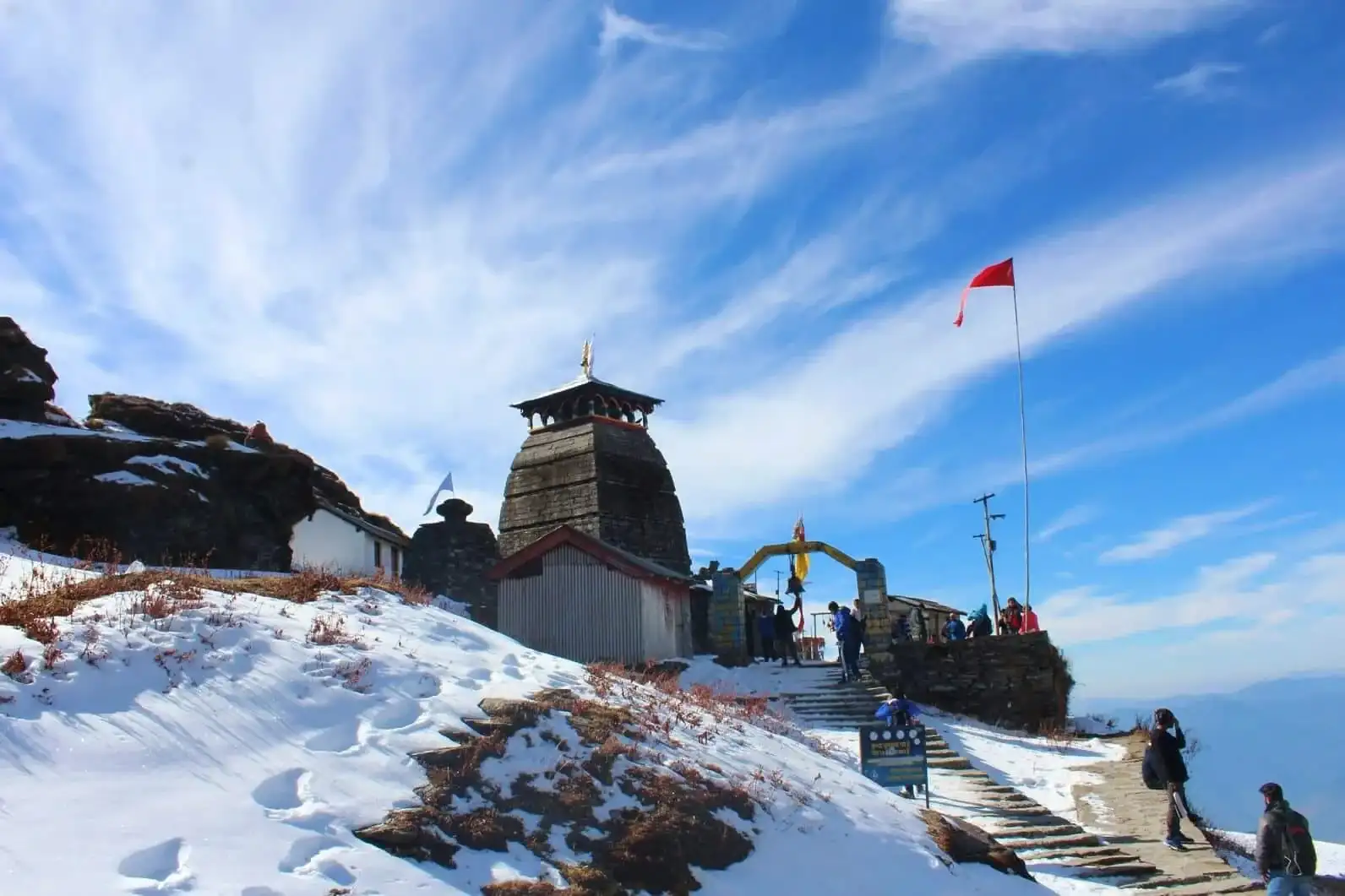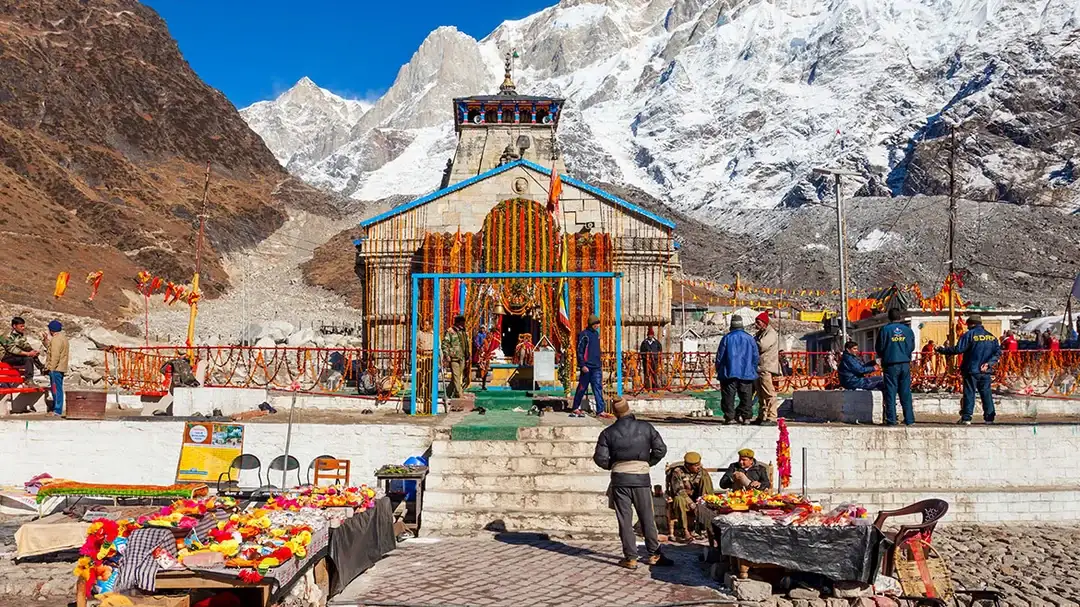
Based on the established traditions and the Hindu lunisolar calendar (Panchang), the closing dates for the Char Dham temples for the 2025 pilgrimage season are strongly linked to the festivals of Diwali and Bhai Dooj (Yama Dwitiya).
The official closing dates are announced much closer to the closing period, usually on the auspicious day of Vijayadashami (Dussehra), but the dates for three of the four shrines are almost always fixed to a specific festival day.
In 2025, the key festival dates are:
- Diwali (Main Day / Lakshmi Puja): Monday, October 20 (Note: Some panchang authorities also cite October 21)
- Govardhan Puja: Tuesday, October 21 (Some sources cite Wednesday, October 22)
- Bhai Dooj / Yama Dwitiya: Wednesday, October 22 (Most sources cite Thursday, October 23)
Closing of the Char Dham Temples for Winter 2025
The Char Dham temples Yamunotri, Gangotri, Kedarnath, and Badrinath are situated at high altitudes in the Garhwal Himalayas. Due to the onset of heavy snowfall and extremely harsh weather conditions, their portals must be closed for a period of about six months, during which the deities are moved to their respective winter seats (or winter abodes) for continued worship.
The dates for the 2025 closing are tied to the traditional Hindu calendar, with the weather and local rituals playing a final determining role.
Yamunotri Temple (Goddess Yamuna)
The portals of the Yamunotri temple, the first stop on the Char Dham pilgrimage, close every year on the auspicious occasion of Bhai Dooj, also known as Yama Dwitiya.
In 2025, the date of Bhai Dooj is Wednesday, October 22 or Thursday, October 23.
The official closing date for the Yamunotri temple in 2025 is anticipated to be October 23, 2025.
- Specific dates for rituals are based on the astronomical calculations of the Panchang, ensuring the most propitious timing for the closing ceremony.
- Following the closure, the idol of Goddess Yamuna is traditionally shifted to her winter abode, the Shani Dev Temple in Kharsali village, where devotees continue their prayers for the next six months.

Gangotri Temple (Goddess Ganga)
The Gangotri temple is generally closed on the day following Diwali, which is Govardhan Puja, or sometimes a day before or on Bhai Dooj.
In 2025, the date of Diwali is October 20 (or 21, depending on the panchang), and Govardhan Puja is October 21 (or 22).
The official closing date for the Gangotri temple in 2025 is anticipated to be October 22, 2025.
- The closing ceremony is marked by a special ritualistic procession where the idol of Goddess Ganga is transported to her winter abode, the Mukhba Temple in Mukhba village.
- The exact closing time is determined by the local priests based on the astrological timing of the Dhan Teras Tithi or a specific muhurat related to the Diwali celebrations.
Kedarnath Temple (Lord Shiva – A Jyotirlinga)
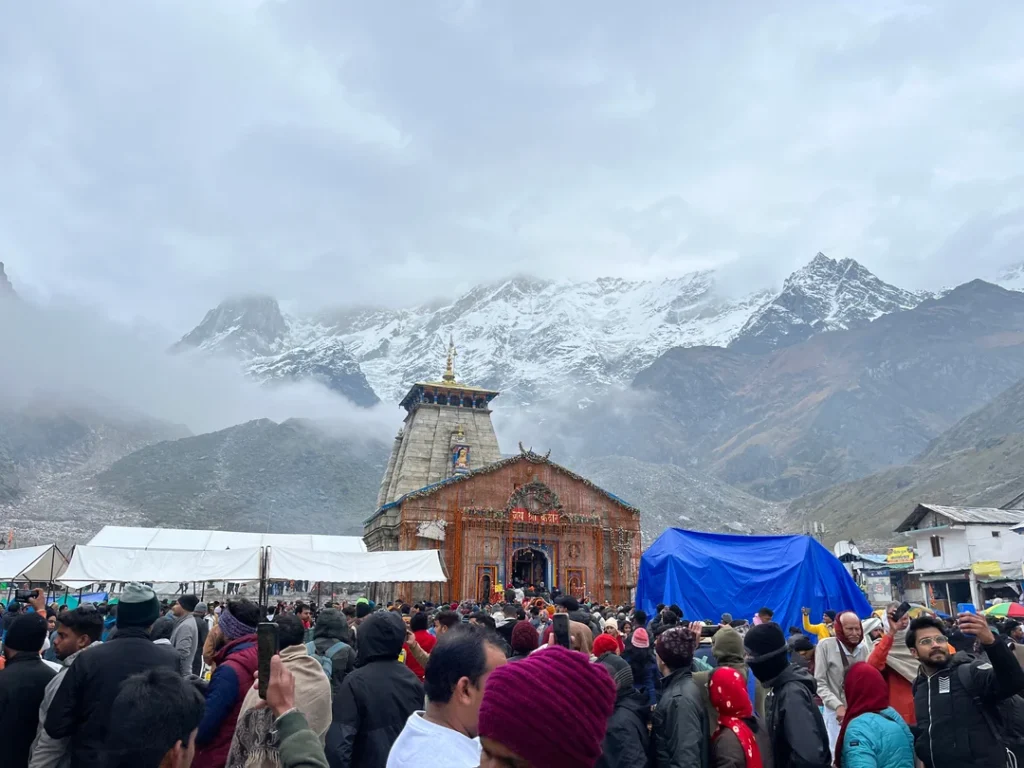
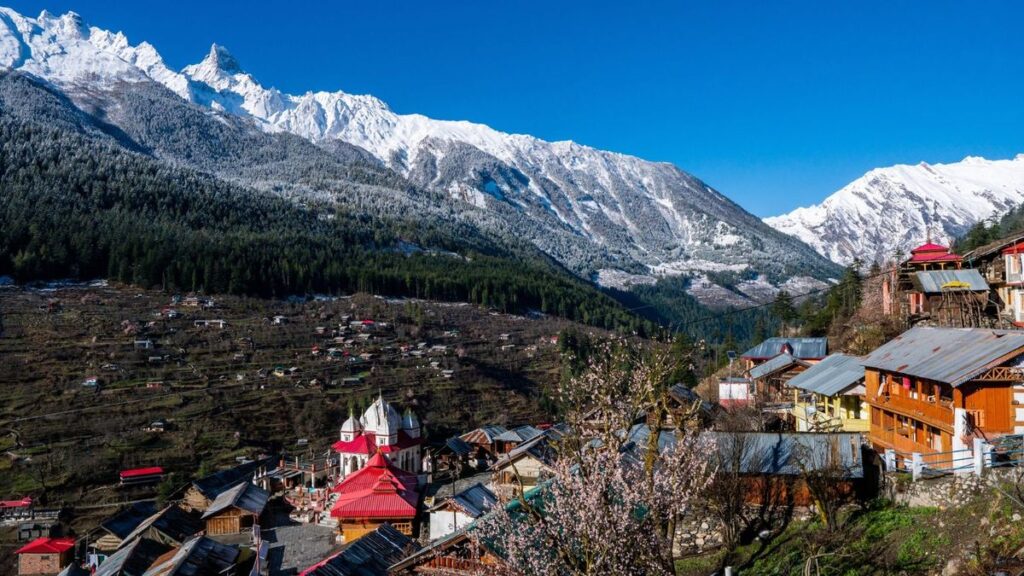
The Kedarnath temple, one of the twelve Jyotirlingas, is the most renowned shrine of Lord Shiva in the region, situated amidst stunning Himalayan peaks. The closing date is fixed to the festival of Bhai Dooj (Yama Dwitiya).
In 2025, the date of Bhai Dooj is Wednesday, October 22 or Thursday, October 23.
The official closing date for the Kedarnath temple in 2025 is anticipated to be October 23, 2025.
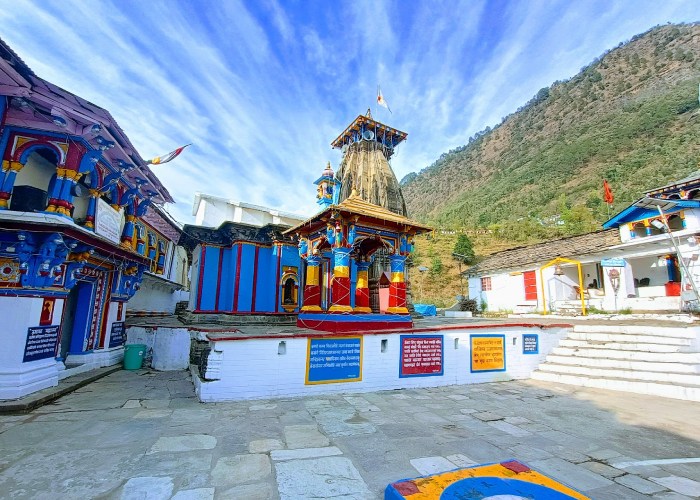
- The closing ritual is elaborate, with the chief priest performing specific pujas before the doors are sealed. The idol of Lord Kedar (Lord Shiva) is then ceremoniously moved to its winter seat, the Omkareshwar Temple in Ukhimath, where it is worshipped throughout the winter.
- The temple’s closing date on Bhai Dooj is a long-standing tradition, rarely deviated from, as it marks the completion of the pilgrimage season before the heavy snow makes the route inaccessible.
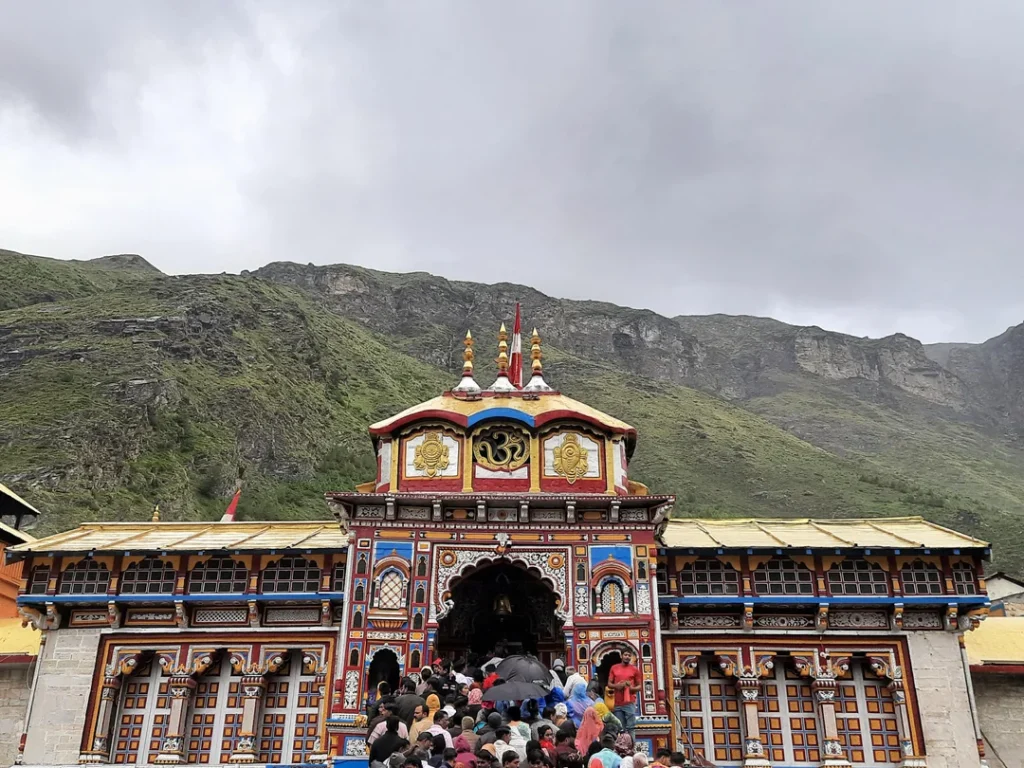
Badrinath Temple (Lord Vishnu – Badrinarayan)
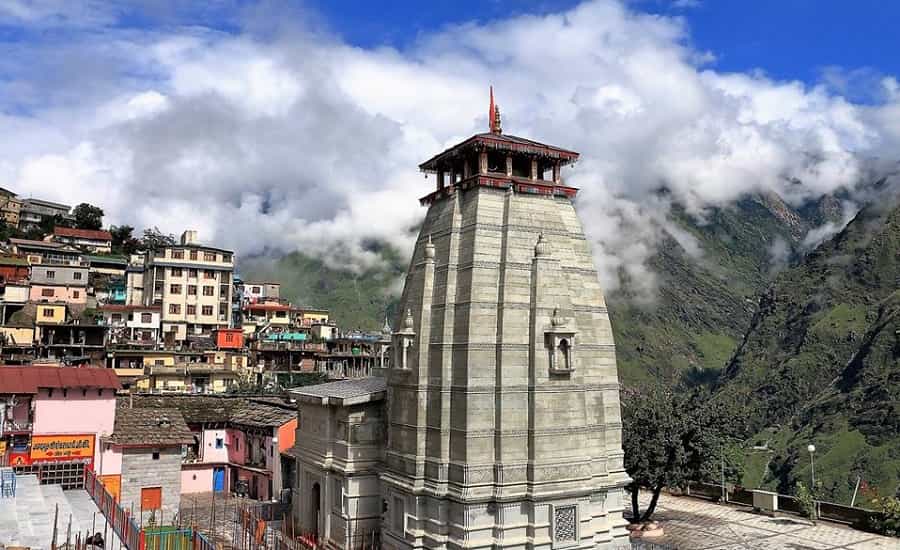
The Badrinath temple is the final and most revered stop of the Char Dham Yatra. Its closing date is traditionally announced on the day of Vijayadashami (Dussehra) and usually occurs in the later part of October or early to mid-November, providing a longer window than the other three shrines.
While the other three temples close around the Diwali/Bhai Dooj period (Late October), Badrinath’s closure is typically two to three weeks later, often near a specific astrological day in the month of Kartik.
The official closing date for the Badrinath temple in 2025 is anticipated to be around November 5 or 6, 2025.
- In 2024, the Badrinath temple closed its doors on November 9, following the traditional pattern of closing after the other three Dhams.
- The closing ceremony is known for the special ritual of wrapping the idol of Lord Badrinarayan in a large, protective wool blanket (Gaddi) by the women of the Mana village, symbolizing the care for the Lord during the harsh winter.
- The idol’s representative image is moved to the Narsimha Temple in Joshimath for the winter period.
Summary of Anticipated Closing Dates 2025:
| Temple | Associated Festival | Anticipated 2025 Closing Date |
| Yamunotri | Bhai Dooj / Yama Dwitiya | October 23, 2025 |
| Gangotri | Day after Diwali (Govardhan Puja) | October 22, 2025 |
| Kedarnath | Bhai Dooj / Yama Dwitiya | October 23, 2025 |
| Badrinath | Usually in mid-November | November 5 or 6, 2025 |
The Profound Significance of the Temple Closures
The closing of the Char Dham portals is not merely a practical response to the weather; it is a deeply significant religious and cultural event. It marks the transition from the earthly worship period to the celestial worship period, where it is believed that the gods and celestial beings (Devas) take over the responsibility of worshipping the deities during the harsh winter months.
This ritualistic closing also highlights the profound connection between the Himalayan deities and the regional populace:
- The Winter Abodes (Gaddi): The tradition of moving the deities to lower-altitude, permanent winter temples ensures that the cycle of worship remains unbroken. This transfer involves grand processions with palanquins and local bands, becoming a massive community event that reinforces the faith of the local people for the six months the main shrines are inaccessible.
- The devotion is seen in the people of Ukhimath and Joshimath, who prepare meticulously to host the idols of Kedarnath and Badrinath, respectively, transforming their towns into the temporary hubs of the pilgrimage.
- The Astrological Timing: The exact date and time of the closures are calculated with rigorous precision by the priests using the ancient Hindu Panchang. This ensures that the closure occurs at an auspicious muhurat (timing) to protect the sanctity and energy of the temples and the deities. The reliance on the movement of stars and the lunar calendar underscores the spiritual significance that transcends the physical closing of a door.
- The Onset of Snow: The early arrival of winter in the higher reaches of the Himalayas is the ultimate determinant. The timing around Diwali and Bhai Dooj is historical, as the weather turns sharply cold around this period. By late October, the Kedarnath and Yamunotri regions face the first, heavy snowfalls, making the trekking routes treacherous and the weather unbearable for pilgrims. Badrinath, at a slightly lower or more protected elevation, can usually remain open for a couple more weeks, a unique feature of the circuit.
The entire six-month period when the portals are closed is one of waiting and preparation for the devotees, who then eagerly await the re-opening on Akshaya Tritiya (for Yamunotri and Gangotri) and the announced dates (for Kedarnath and Badrinath) the following spring, restarting the cycle of faith, devotion, and pilgrimage amidst the breathtaking and spiritual landscape of the Himalayas. This cycle, year after year, ensures the continuity of one of India’s oldest and most sacred traditions.