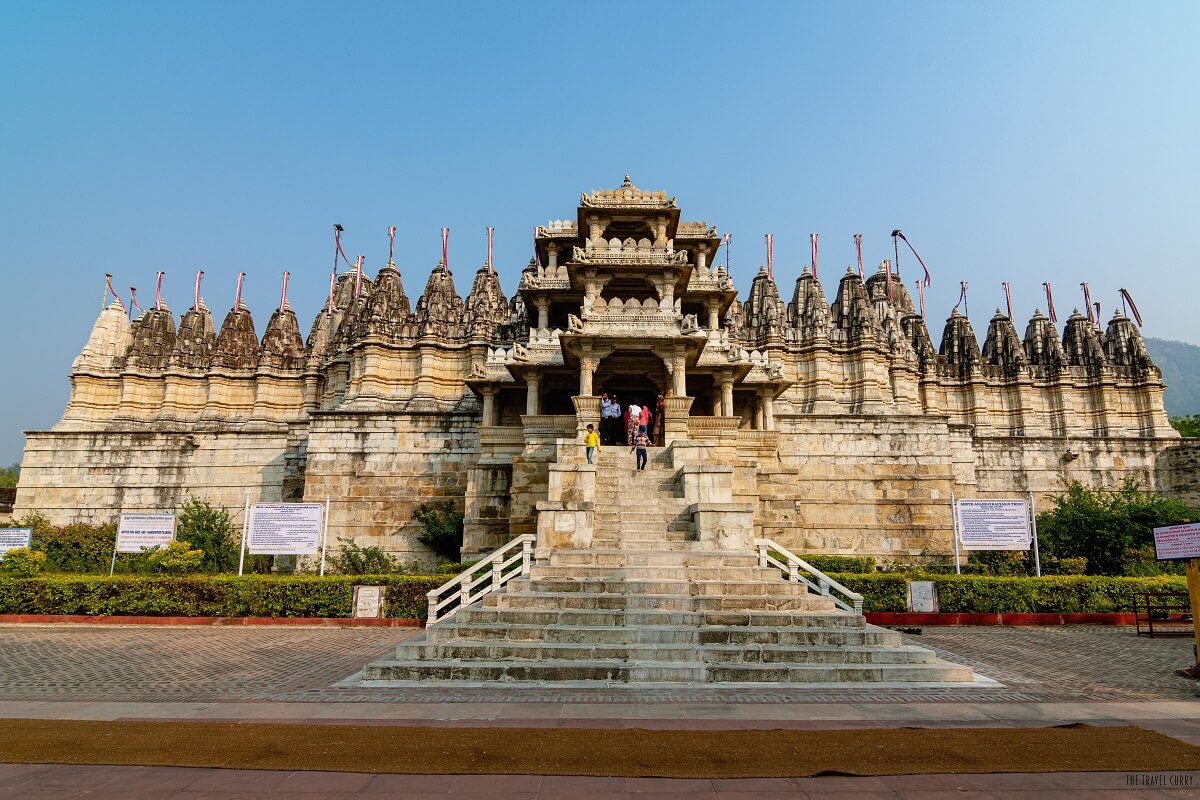
Hidden in the serene valleys of the Aravalli Hills in Rajasthan, the Ranakpur Jain Temple is not just a place of worship—it’s a living canvas carved in stone. Known for its stunning marble architecture, intricate carvings, and spiritual atmosphere, this temple attracts visitors from around the world, regardless of faith.
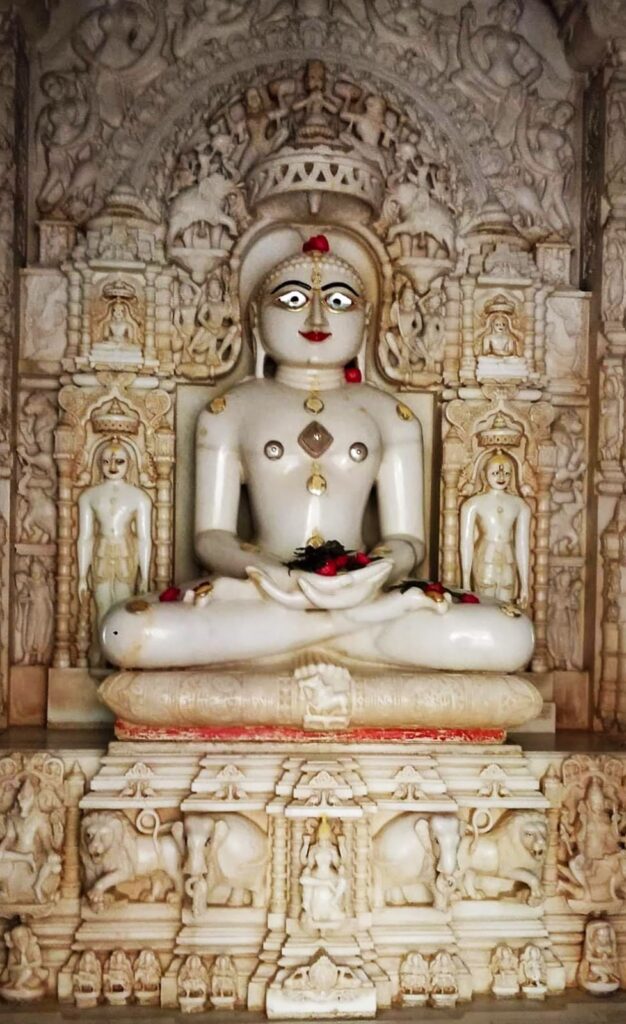
Dedicated to Lord Adinath, the first Tirthankara of Jainism, the temple is a masterpiece that reflects devotion, patience, and artistic brilliance. For travelers exploring Rajasthan’s royal forts and palaces, Ranakpur comes as a surprising contrast—a place where peace, nature, and architecture blend in perfect harmony.
Historical Background
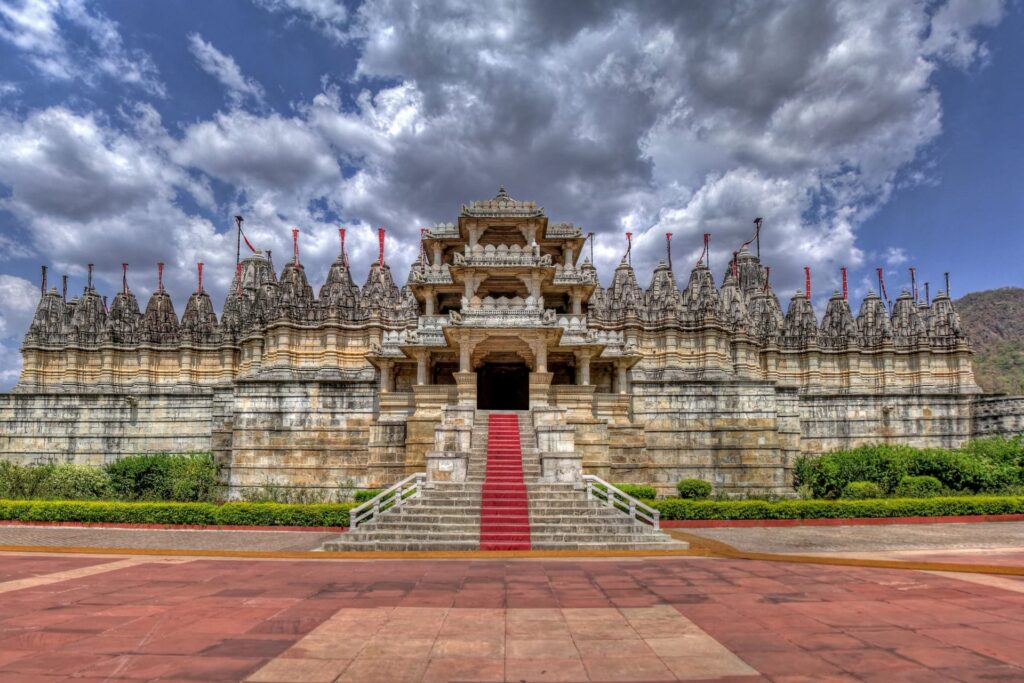
The story of Ranakpur Temple is as fascinating as its structure. It was built in the 15th century during the reign of Rana Kumbha, the ruler of Mewar, who not only donated the land but also supported its construction. A wealthy Jain merchant named Dharna Shah is credited with commissioning the temple after having a divine vision of building such a place.
It took nearly 50 years and the effort of countless artisans and sculptors to complete the temple. What stands today is not just a religious shrine but one of the finest examples of Maru-Gurjara style architecture in India.
Legends Behind Ranakpur
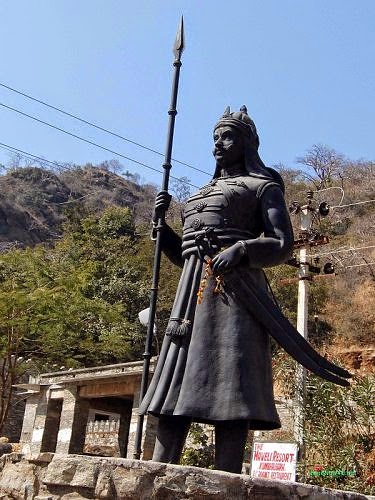
Every great temple carries stories, and Ranakpur is no exception. According to Jain legends, the temple’s patron, Dharna Shah, was a wealthy merchant who once had a divine vision of a celestial chariot. Inspired, he felt compelled to build a temple that mirrored the grandeur of his vision.
He approached Rana Kumbha, the Mewar king, who not only granted land but also encouraged the construction. To honor the ruler’s generosity, the town around the temple was named Ranakpur. This harmony between a Hindu king and a Jain devotee reflects India’s rich culture of tolerance and shared respect.
Symbolism in Architecture
The Ranakpur Temple is not just visually stunning—it’s deeply symbolic. Every corner tells a spiritual story:
- Chaumukha Design (Four-Faced Layout)
The main temple is built in the form of a cross, with four entrances leading to the sanctum. This design symbolizes that the teachings of the Tirthankara are open to all directions and all beings. - 1,444 Pillars
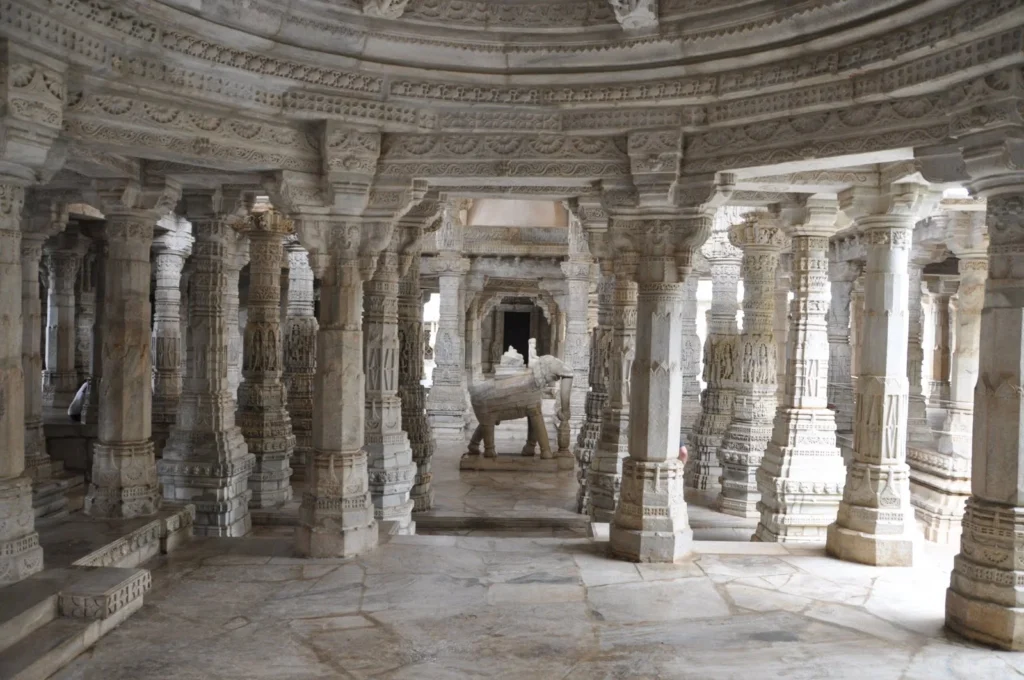
The uniqueness of each pillar reminds us that every soul is different, yet all stand together in harmony to uphold the universe. - Ceilings with Lotus Carvings
The lotus is a symbol of purity and spiritual awakening, rising above worldly attachments. - Light and Shadow Play
The way sunlight moves across the temple interiors creates a sense of time, reminding visitors of the impermanence of life. - Depictions of Elephants and Celestial Beings
These represent strength, wisdom, and divine guidance.
Artistic Techniques
One of the most fascinating aspects of Ranakpur is how the artisans achieved such perfection with marble.
- Detailed Carvings on Marble: Using simple tools, craftsmen managed to create lace-like patterns and even figures so fine that light passes through them.
- Tilted Pillars: Some pillars are intentionally tilted, believed to act as a safeguard against earthquakes.
- Sculptures of Gods and Goddesses: Each deity is carved with expressions so lifelike that they seem to watch you as you walk past.
- Intricate Domes: The ceilings are filled with concentric patterns that look like blooming flowers.
It’s said that many sculptors devoted their entire lives to working on just one section of the temple.
Experiencing Ranakpur
Visiting Ranakpur is not just about sightseeing—it’s about slowing down. Here’s how most travelers spend their time at the temple:
- Walking the Mandapas – Each hall opens into another, giving a sense of infinite space.
- Observing Silence – Many visitors sit quietly in the courtyards, soaking in the atmosphere.
- Photography – The marble carvings are a dream for photographers, especially when light filters through the domes.
- Listening to Local Guides – Stories shared by guides make the temple come alive, giving context to the carvings.
Best Travel Tips
- Ideal Duration: Keep at least half a day for Ranakpur to explore at your own pace.
- Shoes & Belongings: Footwear, leather goods, and large bags are not allowed inside. Storage facilities are available.
- Dress Code: Modest clothing is expected. Covering shoulders and knees is advisable.
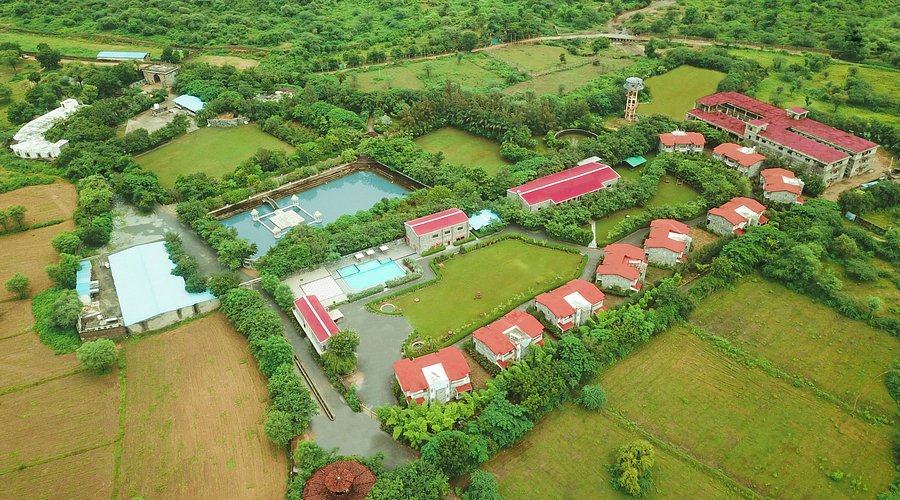
- Food & Stay: A simple canteen near the temple serves vegetarian meals. There are also dharamshalas (guest houses) and resorts nearby.
- Local Transport: Hiring a taxi from Udaipur or Jodhpur is the most convenient way. Public buses are available but less comfortable.
Beyond Ranakpur: The Aravalli Experience
Ranakpur lies in a valley surrounded by the Aravalli Hills, one of the oldest mountain ranges in the world. For those who love nature, the area offers scenic drives, small villages, and even wildlife.
- Leopard Safari in Jawai: Located about 50 km away, this area is famous for spotting leopards in the wild.
- Trekking Trails: Short hikes around Ranakpur reveal hidden streams and panoramic views.
- Village Walks: Interact with locals, explore handicrafts, and experience rural Rajasthan.
Why Ranakpur is Special
Unlike the crowded tourist spots of Rajasthan, Ranakpur remains peaceful. Its beauty lies not only in the marble carvings but in the calmness it offers. Many visitors describe it as one of the most spiritual experiences of their trip.
For architecture lovers, it’s a treasure. For history enthusiasts, it’s a story of devotion and royal support. For spiritual seekers, it’s a reminder of inner peace.
Suggested Itinerary (If You’re Planning a Trip)
- Day 1: Arrive in Udaipur, explore Lake Pichola and City Palace.
- Day 2: Drive to Ranakpur (90 km). Spend half a day at the temple, and enjoy the village surroundings. Continue to Kumbhalgarh Fort (50 km).
- Day 3: Visit Mount Abu for the Dilwara Temples, then relax in the hill station.
- Day 4: Return to Udaipur or head towards Jodhpur for forts and desert experiences.
This circuit allows you to blend history, architecture, and nature in one trip.
A Timeless Masterpiece
When you step out of Ranakpur after hours of exploring, it stays with you. The silence, the carvings, and the sheer scale of human devotion make it unforgettable. Unlike many monuments that impress from the outside, Ranakpur leaves its mark on the inside—it makes you reflect.
For centuries, it has stood as a symbol of faith and artistry, and even today, it inspires awe. The temple is proof that true devotion creates timeless beauty.
Spiritual Significance
For Jains, the temple is one of the most sacred pilgrimage centers, but even beyond religion, Ranakpur inspires awe. It represents values like peace, non-violence, and meditation, which are central to Jainism. The quiet corridors and open courtyards invite visitors to slow down, reflect, and connect with something deeper than everyday life.
Exploring the Temple Complex
The Ranakpur Temple complex is vast and designed to guide visitors through layers of devotion.
Key Sections Inside the Temple
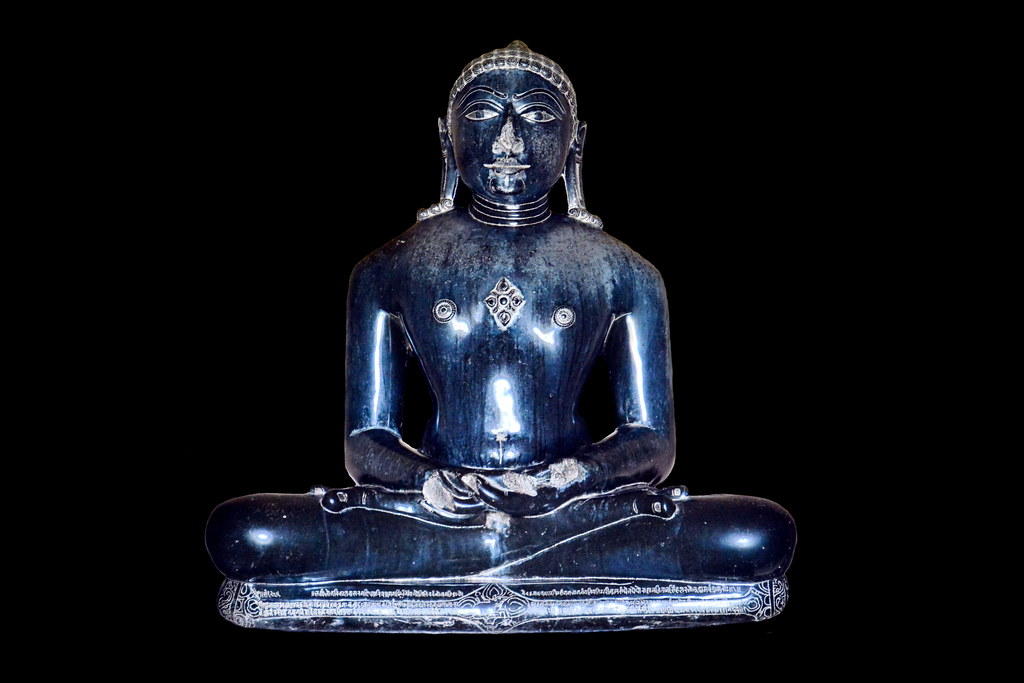
- Chaumukha Temple – The main temple dedicated to Lord Adinath, with a four-faced idol representing the spread of Tirthankara teachings in all directions.
- Surya Narayan Temple – Dedicated to the Sun God, featuring beautiful carvings of celestial horses pulling his chariot.
- Parshvanatha Temple – A shrine dedicated to the 23rd Tirthankara of Jainism, decorated with intricate wall carvings.
- Amba Mata Temple – A smaller shrine within the complex honoring the goddess Amba.
Best Time to Visit
- October to March: Pleasant winter months, perfect for exploring the temple and nearby attractions.
- April to June: Hot afternoons but quieter crowds. Early mornings and evenings are still enjoyable.
- Monsoon (July to September): The Aravalli Hills turn green, making the temple surroundings more scenic.
Entry Guidelines
- The temple welcomes visitors of all faiths, but modest clothing is required.
- Leather items, including belts and footwear, are usually not allowed inside.
- Photography is restricted in certain areas, especially near the sanctum.
- Silence is appreciated to maintain the spiritual ambiance.
How to Reach Ranakpur
- By Road: Ranakpur is well-connected by road and lies between Udaipur (90 km) and Jodhpur (160 km).
- By Rail: Falna railway station (30 km) is the closest.
- By Air: Udaipur’s Maharana Pratap Airport is the nearest airport, about 95 km away.
Nearby Attractions
Visiting Ranakpur can be combined with several nearby destinations to make the trip more enriching:
- Kumbhalgarh Fort – A UNESCO World Heritage site with the second-longest wall in the world.
- Udaipur – The City of Lakes, famous for City Palace, Lake Pichola, and Jag Mandir.
- Mount Abu – Rajasthan’s only hill station, home to the famous Dilwara Jain Temples.
- Jodhpur – Known as the Blue City, with Mehrangarh Fort and Jaswant Thada.
- Sadri – A small town with several Jain temples, considered a gateway to Ranakpur.
Experience Beyond the Temple
Ranakpur is not just about stone carvings; it’s about experiencing peace. Many travelers spend hours just sitting in the courtyards, listening to the rustle of the trees, and feeling the stillness. The village atmosphere, the backdrop of the Aravalli Hills, and the calm surroundings make it a retreat from the noise of modern life.
Frequently Asked Questions (FAQ)
Where is Ranakpur Jain Temple located?
Ranakpur Jain Temple is located in the Pali district of Rajasthan, between Udaipur and Jodhpur, surrounded by the Aravalli hills.
Who built the Ranakpur Jain Temple?
The temple was built in the 15th century by a Jain businessman, Dharna Shah, with support from Rana Kumbha, the ruler of Mewar.
Why is Ranakpur Jain Temple famous?
It is renowned for its exquisite marble carvings and 1,444 intricately designed pillars, each unique in design.
Which deity is worshipped in Ranakpur Jain Temple?
The temple is dedicated to Lord Adinath, the first Tirthankara of Jainism.
What is the best time to visit Ranakpur Jain Temple?
The best time is between October and March when the weather is pleasant for exploring the temple and nearby attractions.
What are the temple timings?
The temple remains open from 12 PM to 5 PM for tourists. Morning hours are reserved for prayers and Jain devotees.
How to reach Ranakpur Jain Temple?
The temple is around 91 km from Udaipur. Visitors can reach by road via buses, taxis, or private vehicles.
Is there a dress code at Ranakpur Jain Temple?
Yes, modest attire is recommended. Leather items and footwear are not allowed inside the temple premises.
Are guides available at Ranakpur Jain Temple?
Yes, local guides are available to explain the temple’s history, architecture, and spiritual significance.