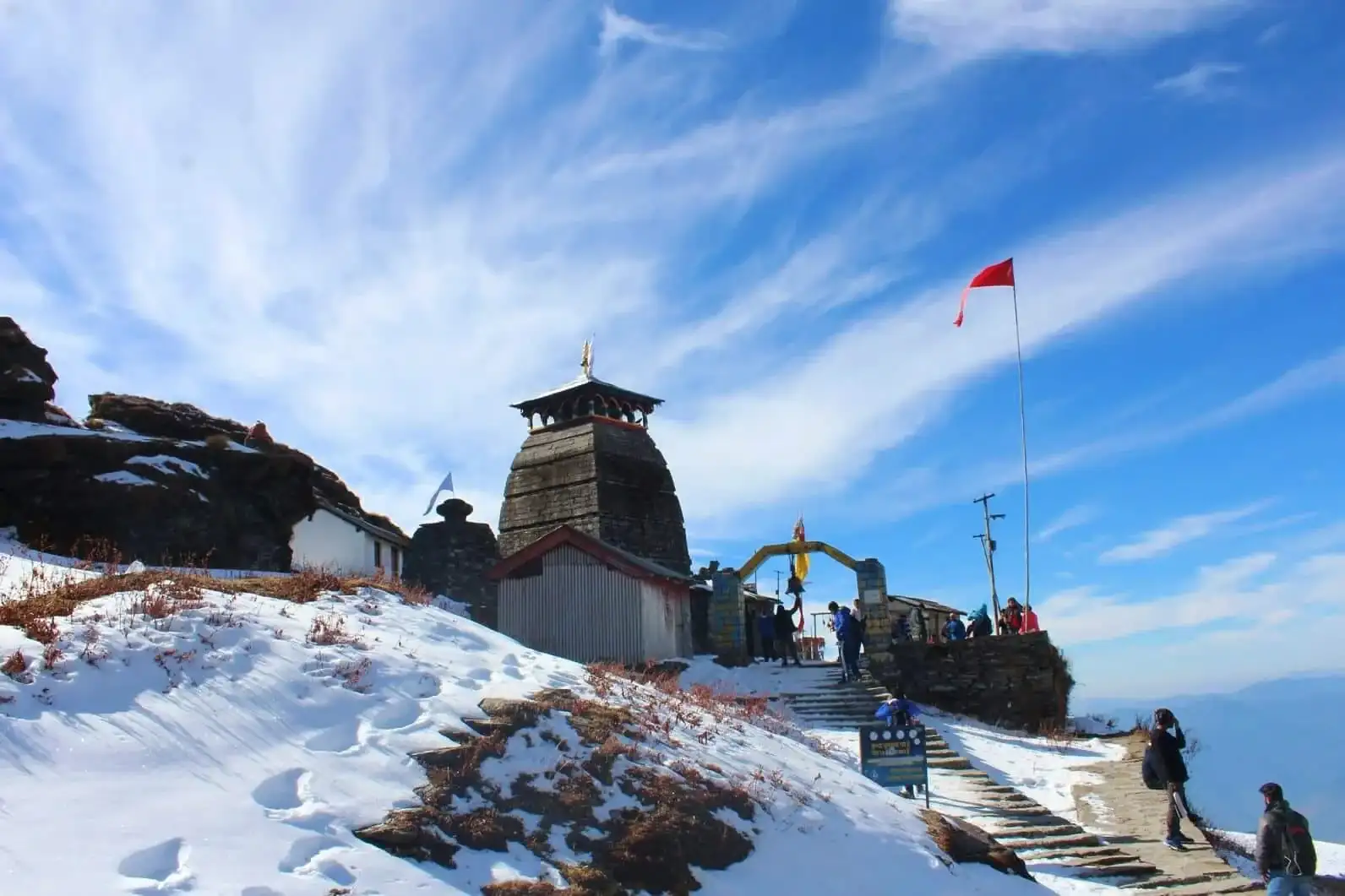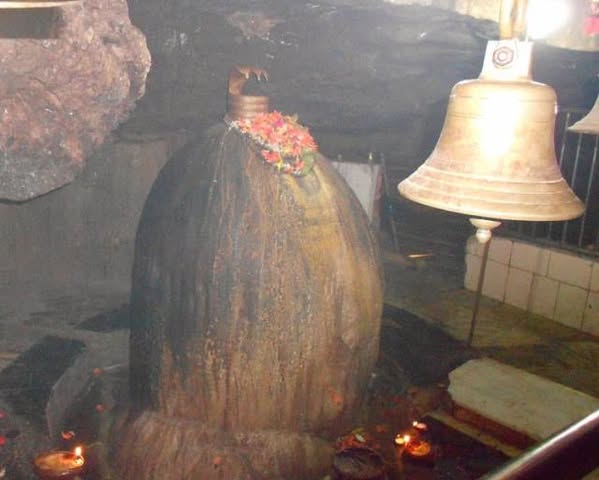
There are temples in India that dazzle with their grandeur, and then there are shrines like Gupteswar Temple in Koraput, Odisha, which captivate you with their sheer mystery. Tucked away inside a limestone cave on the banks of the Kolab River, this shrine is not just a religious spot—it’s a journey into nature, legend, and faith all at once.
When I first heard about Gupteshwar, locals described it not as a temple, but as a “living cave of Shiva.” That description stayed with me, and once I made the trek, I understood exactly what they meant.
The Road to Gupteshwar
Reaching Gupteshwar itself feels like an adventure. The temple is located about 55 km from Jeypore in Koraput district, deep in Odisha’s tribal belt. The drive winds through forests, streams, and tribal hamlets. If you’re someone who enjoys offbeat travel, the journey is half the charm.
The final stretch involves climbing a long series of stone steps carved into the hillside. As you ascend, the forest canopy grows denser, and the air feels cooler. By the time you hear the gurgle of the Kolab River in the distance, you already sense you’re approaching something special.
The Cave Temple
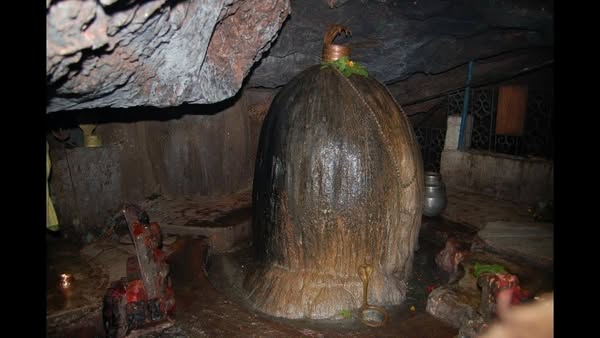
Unlike traditional stone temples, Gupteshwar is housed inside a natural limestone cave. The entrance is modest—almost as if the mountain is hiding the shrine within its folds (which explains the name Gupteshwar, meaning “Hidden Lord”).
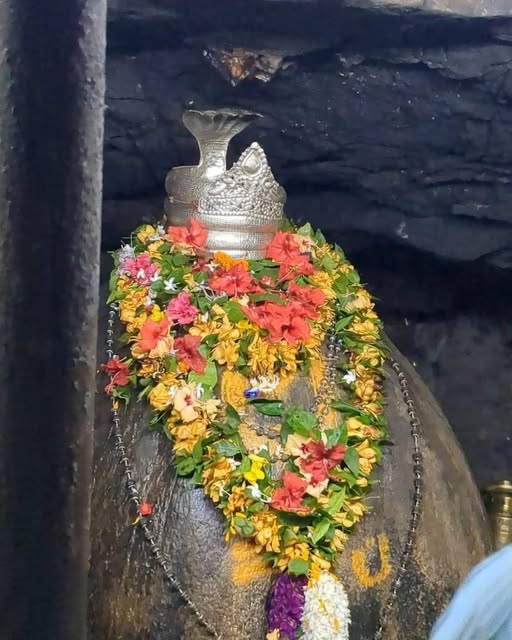
Inside, you find a naturally formed Shivalinga bathed by water dripping continuously from the cave’s ceiling. No priest could have designed a more symbolic abhishek; it feels like the cave itself worships Shiva.
The sanctum is dimly lit, with oil lamps flickering against the limestone walls, creating an otherworldly atmosphere. Echoes of chants bounce off the rocks, giving the feeling that the cave itself is alive with prayer.
Legends that Surround the Temple
No temple in India is without a story, and Gupteshwar is steeped in myth. Locals say this is the cave where Lord Rama and Sita stayed during their exile. Another tale claims the Shivalinga here was first discovered by a tribal hunter, who noticed his arrows striking something unusually hard beneath the soil. When he dug deeper, the linga revealed itself.
Another popular legend is tied to the Ramayana—it is believed that this was one of the caves where Lord Shiva himself meditated, away from the distractions of the world.
What makes these stories special is how deeply they’re preserved in tribal folklore. Even today, elders narrate them during festivals, ensuring the legend of Gupteshwar never fades.
Festivals at Gupteshwar
If you want to see Gupteshwar in its full glory, visit during Maha Shivratri. Thousands of devotees climb the hill carrying milk, honey, and bel leaves to offer to the lingam. The cave overflows with chants, drums, and tribal dances that continue late into the night.
Another major occasion is Shravan month (July–August), when Shiva devotees (Kanwariyas) fetch holy water from the Kolab River and perform special abhisheks in the cave. The energy of these celebrations, especially in such a raw, natural setting, is unlike anything you’d find in a city temple.
The Tribal Connection
What fascinated me most about Gupteshwar is its connection with the tribal communities of Koraput. For them, the temple is not just a Hindu shrine but part of their cultural identity. They bring forest flowers, fruits, and even freshly brewed rice beer as offerings—rituals passed down through generations.
Watching these traditions unfold reminds you that faith here isn’t about opulence; it’s about simplicity, rooted in the rhythms of nature.
Nearby Attractions Around Gupteshwar Temple, Koraput
When you set out to visit Gupteshwar Temple in Koraput, it’s not just about the cave shrine of Lord Shiva. The entire region is full of hidden gems—lush hills, waterfalls that roar with Himalayan-like intensity, quiet tribal hamlets, and natural wonders that still feel untouched by mass tourism. If you plan wisely, your trip to Gupteshwar can easily turn into a multi-day exploration of Odisha’s most raw and beautiful landscapes.
Here’s my personal guide to the nearby attractions around Gupteshwar Temple that deserve a spot on your itinerary.
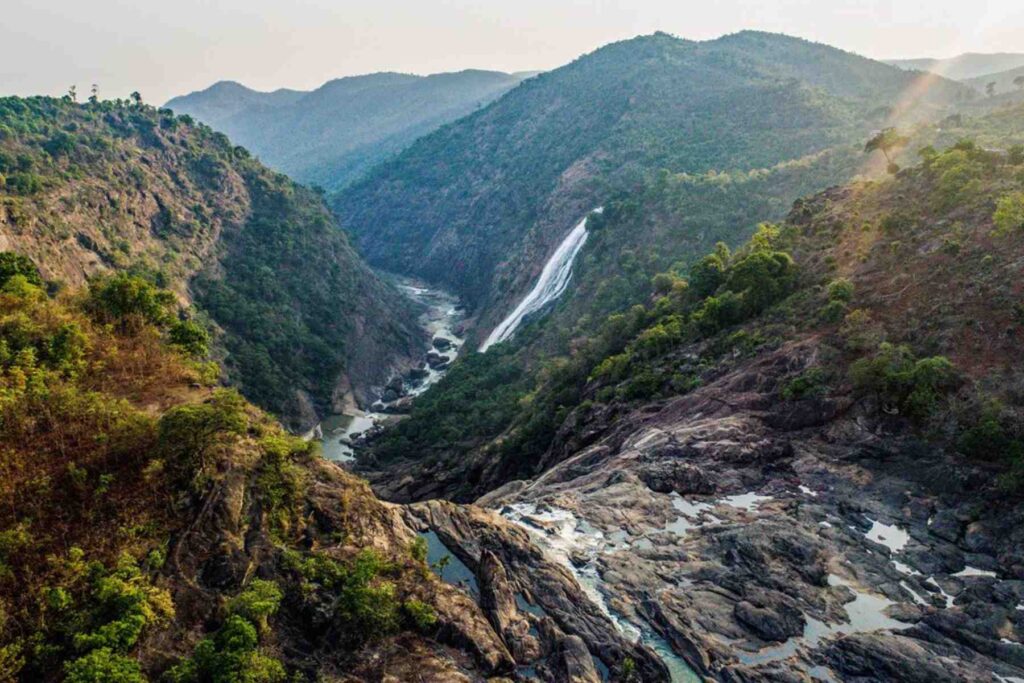
1. Duduma Waterfall – The Roaring Giant
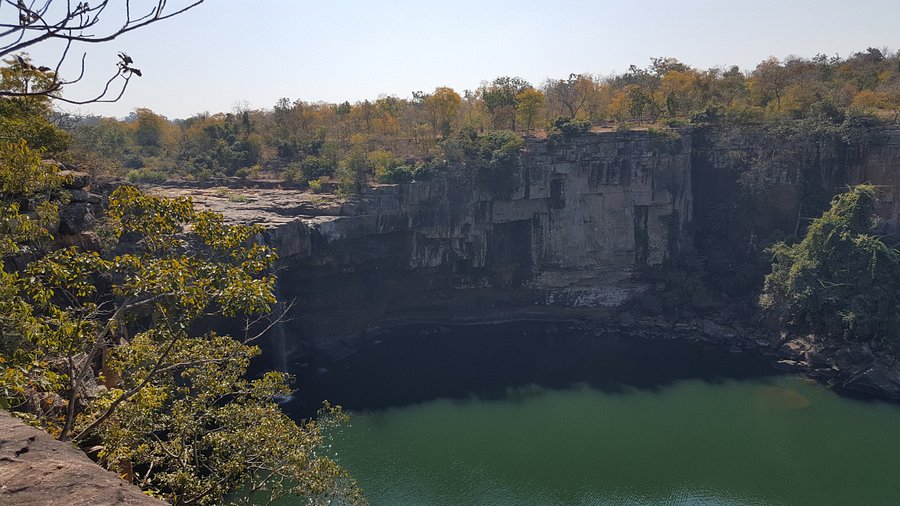
About 70 km from Gupteshwar lies Duduma Waterfall, a jaw-dropping cascade that tumbles down from 155 meters. Locals call it the “Niagara of Odisha,” and honestly, once you stand near its misty spray, you’ll see why.
The Kolab River plunges off the cliff here, creating a thunderous sound that echoes across the valley. The best part? Unlike other famous waterfalls in India, Duduma is not crowded. You can actually find quiet corners to sit, reflect, and just let nature’s raw force humble you.
- Best time to visit: Post-monsoon (September–December), when the water is strong but safe.
- Tip: Carry snacks and water; facilities are limited.
2. Kolab Dam – Serenity by the Reservoir
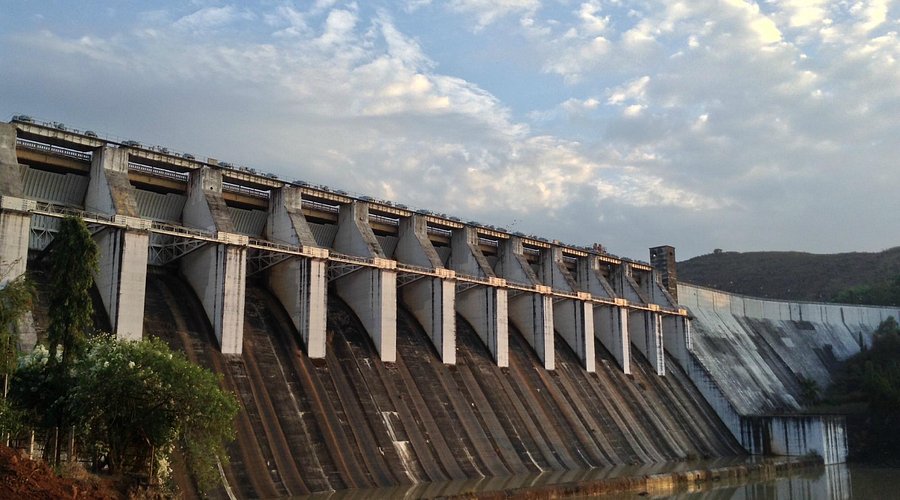
Closer to Gupteshwar, the Kolab Dam is an ideal place for a relaxed afternoon. Built on the Kolab River, the dam has created a vast reservoir surrounded by rolling green hills. The reflection of the mountains in the still water is stunning during sunset.
Boating is available here, and if you’re into photography, it’s a paradise—especially when flocks of migratory birds visit in winter.
- Distance from Gupteshwar: Around 25 km.
- Travel note: There are picnic spots, but pack your food if you want to spend long hours here.
3. Jeypore – A Window Into Tribal Markets
About an hour’s drive from Gupteshwar, Jeypore is the cultural hub of Koraput. It’s famous for its weekly tribal markets, where different communities come down from the hills to trade.
The markets are colorful, chaotic, and full of character—expect everything from handmade bamboo baskets and forest honey to vibrant textiles and fresh produce. What makes it fascinating is the barter culture that still survives here.
- Market tip: The most famous ones are the Onkadeli Market (Thursdays) and Machkund Market.
- What to try: Local millet beer (handia) and simple tribal snacks.

4. Deomali Hills – The Roof of Odisha
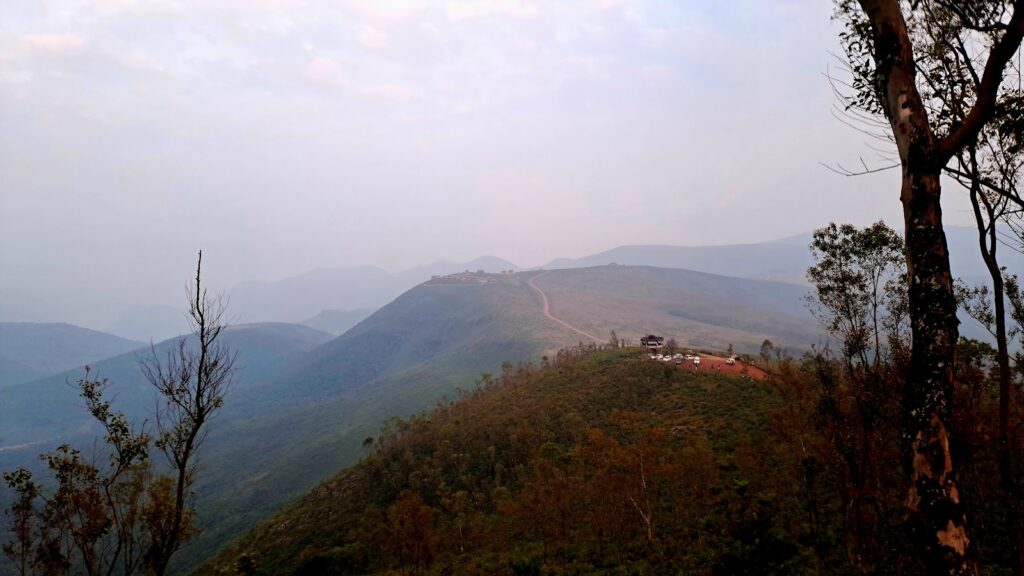
If you love trekking, Deomali Hills, the highest peak in Odisha (1,672 meters), should be on your list. The rolling meadows here reminded me of Scotland, but with a uniquely Indian heart.
From the summit, you get 360-degree views of the Eastern Ghats. On clear days, the sight stretches endlessly—layers of hills melting into the horizon. Camping here under a star-filled sky is an experience that rivals even the more famous hill stations of India.
- Distance from Gupteshwar: About 60 km.
- Best season: Winter and spring, when the air is crisp.
5. Jagannath Sagar, Jeypore
This large artificial lake in Jeypore is another peaceful escape. Locals come here for evening walks, and kids fly kites by the water. If you’re in the mood to slow down after a long temple or trekking day, this is the perfect spot.
Sunsets here are particularly photogenic, with the waters reflecting shades of gold and orange.
6. Tribal Villages and Cultural Trails
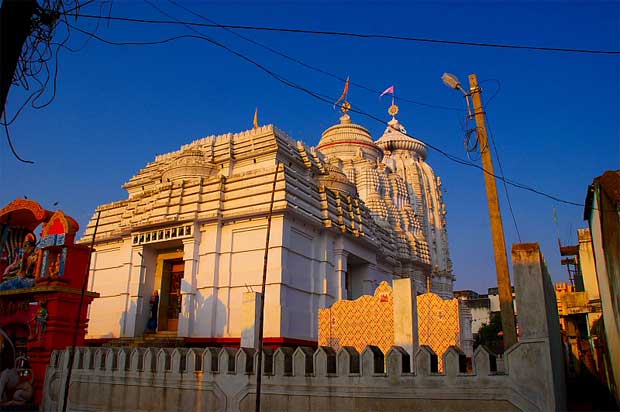
One of the most rewarding things you can do near Gupteshwar is visit nearby tribal villages. The Koraput district is home to several tribal communities like the Paraja, Bonda, and Kondh.
Guided tours can take you to these hamlets where you’ll see traditional mud houses, people weaving or making bamboo crafts, and vibrant festivals when the whole village gathers for music and dance.
- Tip: Always go with a local guide. Respect photography rules—ask before clicking.
7. Sunabeda Wildlife Sanctuary
If you’re a nature lover, head to Sunabeda Wildlife Sanctuary, about 70 km away. It’s a paradise of rolling hills, deep valleys, and streams. The sanctuary is home to leopards, bears, and a rich birdlife, though spotting wildlife requires patience.
The landscapes themselves make the trip worthwhile—think endless green horizons with patches of farmland merging into the wild.
8. Handicraft Shopping in Koraput
Koraput is also known for Dokra metal craft and tribal jewelry. Small stalls near Jeypore and Koraput town sell these items, often made by artisans who’ve been practicing their craft for generations.
Bringing back a handmade artifact doesn’t just give you a memory; it supports local livelihoods too.
Food & Culture Around Gupteshwar Temple, Koraput
A Different Kind of Pilgrimage
When people talk about Gupteshwar Temple, they usually focus on the cave, the hidden lingam, or the scenic hills around Koraput. But here’s a truth most travel brochures skip—the temple isn’t just a place of worship; it’s a cultural hub where food, rituals, and traditions weave together to create a deeply rooted local experience. If you really want to know Gupteshwar, you have to step outside the cave and taste, smell, and feel the life around it.
The Flavor of Pilgrimage
Pilgrimage food has a charm of its own. Unlike city temples where stalls overflow with packaged prasad and fast-food snacks, Gupteshwar’s food is tied to the soil. Villagers sell what they grow—hand-pounded rice, seasonal fruits, forest honey, and homemade jaggery sweets.
Walking up the path to the cave, you’ll often find women sitting with bamboo baskets lined with sal leaves. Inside are small packs of puffed rice mixed with jaggery, sometimes sprinkled with sesame seeds. The simplicity is striking, but when you taste it, the sweetness feels different—raw, earthy, unrefined. It’s not just a snack; it’s a connection to the land.
Temple Offerings that Double as Local Delicacies
At Gupteshwar, devotees offer milk, water, and fruits directly onto the lingam. But the food brought here doesn’t go to waste—it often becomes shared prasad among pilgrims. You’ll find plenty of:
- Bananas and guavas, freshly picked from nearby orchards.
- Coconut pieces, broken and distributed right at the cave entrance.
- Rice flour ladoos, slightly coarse in texture, giving you a taste of how food traditions resist factory refinement.
What’s unique is that much of this food isn’t prepared in city kitchens but in tribal homes scattered across the hills. Each bite carries a sense of hospitality—you’re not just eating prasad, you’re being welcomed into a way of life.
Tribal Market Scenes
If you plan your visit on a local market day, Gupteshwar feels like it’s wrapped in another layer of energy. Tribal communities from across Koraput set up makeshift stalls near the temple, selling everything from hand-woven baskets to fiery red chilies.
Here, food is currency and culture:
- Mahua flowers, dried and sold, used both for cooking and brewing local drinks.
- Wild mushrooms, foraged fresh from the forest after rains.
- Tamarind and raw mangoes, tangy enough to make you wince but irresistible with salt and chili powder.
- Handmade rice beer, served in leaf cups—not something every pilgrim tries, but a big part of local gatherings.
These markets are living museums—you don’t just buy food, you hear stories of how it was grown, picked, or prepared.
Savoring Simplicity in Tribal Homes
The real treasure lies if you’re lucky enough to be invited into a local home. Tribal families in Koraput are known for their warmth, and meals are an experience of grounded living.
A typical spread might include:
- Red rice, a local variety cooked in clay pots, slightly nutty in flavor.
- Smoked fish curry, made with spices ground on stone slabs.
- Pumpkin and leafy greens, seasoned with mustard seeds and cooked in minimal oil.
- Chutneys made of roasted chili, garlic, and tamarind, fiery enough to leave you teary-eyed but craving more.
The meal is often eaten sitting on the floor, using sal leaves as plates. There’s no rush, no elaborate formality—just food, family, and conversation.
Festivals: When Food and Faith Intertwine
Festivals at Gupteshwar are not just about rituals—they’re about feasts. During Maha Shivaratri, the cave temple overflows with devotees, and so does the surrounding area with food stalls. Vendors serve:
- Hot pakoras made from lentils to warm the cold February nights.
- Kheer made of rice and jaggery, often thickened with coconut milk instead of dairy.
- Flatbreads stuffed with jaggery and grated coconut, a festive special.
Food becomes a language of celebration—it’s shared, exchanged, and gifted. Even strangers sitting side by side break bread together.
Crafts, Food, and Everyday Culture
Around Gupteshwar, culture isn’t limited to rituals; it spills into crafts and food combined. Many households weave bamboo baskets, not just as utility items but also as food containers. You’ll see offerings wrapped in handwoven palm-leaf pouches, a sustainable tradition long before eco-friendly became a buzzword.
Potters in nearby villages still make clay vessels used for cooking festive meals. Drinking water served in clay cups has a taste that bottled water can never replicate—cool, mineral-rich, and grounding.
Food and craft merge here—every vessel, every wrapper, every plate has a cultural significance.
Why Food Around Gupteshwar Feels Different
The charm of Gupteshwar’s food culture is its absence of commercialization. Unlike tourist-heavy temples where “local food” is a packaged experience, here it remains raw, authentic, and deeply personal. You taste food that hasn’t been over-polished for outsiders—it’s the same food locals eat every day.
Eating at Gupteshwar teaches you something important: spirituality isn’t separate from daily life. A meal of red rice and chutney shared with villagers carries as much sanctity as the offering of milk on the lingam. Both nourish you—one spiritually, the other physically.
Making the Most of Your Trip
When planning your Gupteshwar Temple trip, don’t treat the temple as a single destination. Instead, see it as the heart of a bigger adventure that includes:
- Spiritual immersion in the cave temple.
- Nature’s grandeur at Duduma and Deomali.
- Cultural experiences in Jeypore’s tribal markets.
- Peaceful escapes at Kolab Dam and Jagannath Sagar.
Trust me, combining all of this will make your journey unforgettable.
Travel Tips for Visiting Gupteshwar
- Best Time to Visit: October to March, when the weather is pleasant. Avoid peak monsoon as the steps can get slippery.
- Clothing: Wear comfortable shoes for the climb and carry a light shawl if visiting the cave in winter—it stays cool inside.
- Food: Pack snacks or eat at Jeypore. Options near the temple are limited to small stalls selling tea, fruits, and local snacks.
- Stay: Jeypore and Koraput town have basic hotels. Don’t expect luxury resorts—this is a rustic experience.
- Respect Tribal Traditions: If you witness local rituals, observe respectfully. Photography may not always be welcome.
Why Gupteshwar Stays With You
What struck me about Gupteshwar was how seamlessly nature and faith merge here. The cave doesn’t just house a deity; it breathes with stories, chants, and the energy of countless pilgrims who’ve walked these steps before.
Unlike big temples where rituals are sometimes rushed, here everything unfolds at nature’s pace—the drip of water over the lingam, the steady echo of mantras, the flicker of lamps in the cave’s silence.
For me, visiting Gupteshwar felt less like ticking off a tourist spot and more like entering a living, breathing myth.
FAQs (10)
Q1. Where is Gupteshwar Temple located?
It is situated near Jeypore in Koraput district, Odisha, surrounded by dense sal forests and the Kolab River.
Q2. Which deity is worshipped at Gupteshwar Temple?
The temple is dedicated to Lord Shiva, known here as Gupteshwar, meaning “Hidden God.”
Q3. What is unique about this temple?
The cave houses a massive Shiva Linga that is believed to be constantly growing in size.
Q4. How was Gupteshwar Temple discovered?
Legend says Lord Rama worshipped here during exile. It was later rediscovered in the 17th century by King Veer Vikram Dev.
Q5. What is the legend of Kamadhenu here?
A stalactite inside the cave drips water, believed to be the udder of Kamadhenu (the celestial cow). Devotees collect this sacred water.
Q6. How can one reach Gupteshwar Temple?
Visitors must climb around 200 steps from the base to reach the cave shrine. It’s about 55 km from Koraput town.
Q7. What are the temple timings?
The temple usually opens from 6:00 AM to 7:00 PM for darshan.
Q8. Is there an entry fee?
No, recently the darshan fee was waived, making entry free for all devotees.
Q9. What is the best time to visit Gupteshwar Temple?
Shravan month and Maha Shivaratri draw thousands of pilgrims. Otherwise, October to March offers pleasant weather.
Q10. What makes the surroundings special?
The temple is set amid hills, caves, and lush green forests, offering both a spiritual and scenic experience.